iAspirants
Air Pollution Challenges and Solutions India
Published on:
Source: Indian Express
Share this post
Article Summary
Exam-Focused Notes on Air Pollution in India
Air Quality & Health Statistics
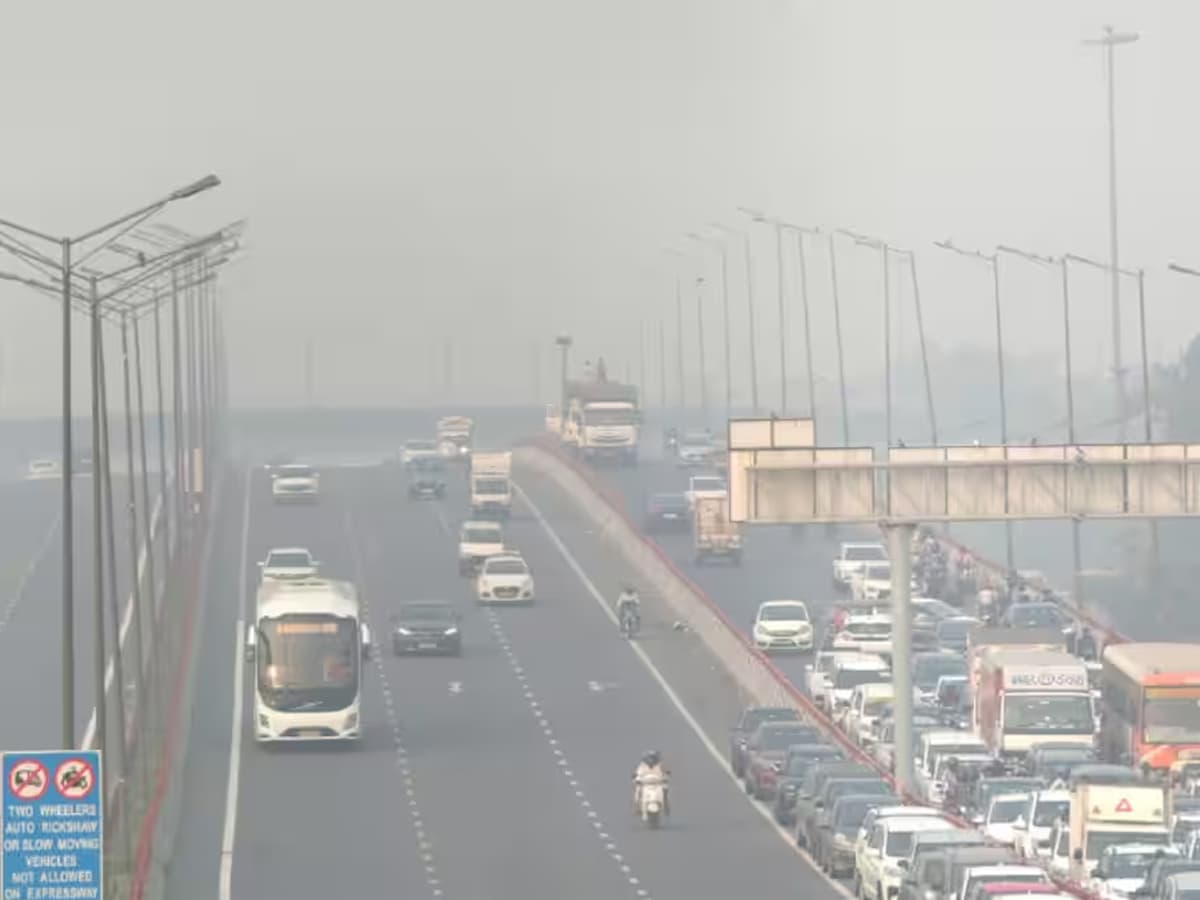
- Delhi Air Quality: No significant improvement in winter air quality over the past four years despite pollution control measures.
- Swachh Vayu Sarvekshan 2023: Lucknow recognized as the best-performing million-plus city with PM10 levels reduced from 253 µg/m³ (2017-18) to 135 µg/m³, still exceeding the national safety standard of 60 µg/m³.
Economic Impact
- South Asia's Burden: Air pollution costs the region 10% of its GDP annually due to reduced productivity and healthcare expenses.
- Investment Benefits: Every rupee invested in 25 climate and clean air measures yields an estimated Rs 21 in health and economic benefits.
- Projected PM2.5 Exposure Reduction: If national air quality standards are met by 2026, PM2.5 exposure could decline by 20% by 2040, but an 8-year delay could halve this reduction.
Regulatory Framework
- National Clean Air Programme (NCAP): Aims for better program design, budget allocation, and municipal action tracking. However, it has not addressed the economic costs of air pollution delays.
- Institutional Fragmentation: Air pollution, caused by sectors like transport, energy, and waste management, falls under different ministries, leading to poor coordination.
Government Schemes Highlight
- Pradhan Mantri Ujjwala Yojana: Successful expansion of rural LPG connections, showcasing India's capacity for large-scale transitions.
Proposed Changes in Strategy
- NCAP 2.0: Should measure success based on human exposure reduction, prompt relief delivery, and accountability for missed deadlines.
- Funding Policy: Central grants and Finance Commission transfers should incentivize sustained pollution reduction.
Key Recommendations
- Move beyond emergency measures and develop cohesive strategies.
- Accountability should be established across various departments responsible for air quality.
- An emphasis on quick and measurable outcomes in clean-air spending is critical.
Conclusion
India's air pollution issue requires comprehensive policy reforms that prioritize human health and economic costs. Enhanced coordination among agencies and a focus on results are essential for effective air quality improvement.
Key Terms & Concepts
| Swachh Vayu Sarvekshan | Ranking of city air quality |
| PM10 levels | Particulate matter measurement |
| National Clean Air Programme (NCAP) | Policy framework for air quality |
| UN Environment Programme (UNEP) | Economic burden assessment body |
| Climate and Clean Air Coalition | Collaborative assessment for air quality |
| 10 percent of regional GDP | Economic loss from air pollution |
| Rs 21 | Economic returns per rupee invested |
| 2040 PM2.5 exposure burden reduction | Future air quality improvement goal |
| Pradhan Mantri Ujjwala Yojana | Rural LPG connection expansion scheme |
| NCAP 2.0 | Future iteration of air quality policy |