iAspirants
Current AffairsPrelims PYQsUPSC CSE SyllabusUPSC CSE StrategyBlogsPricing
Login
iAspirants

Your AI-powered companion for UPSC preparation.

Quick Links

  • Home
  • About Us
  • Current Affairs
  • Prelims PYQs
  • UPSC CSE Syllabus
  • UPSC CSE Strategy
  • Blogs

Company

  • Pricing
  • FAQs
  • Contact Us
  • Login

Legal

  • Privacy Policy
  • Terms & Conditions
  • Return Policy

© 2026 iAspirants, Inc. All rights reserved.

  1. Blogs
  2. National and International Importance

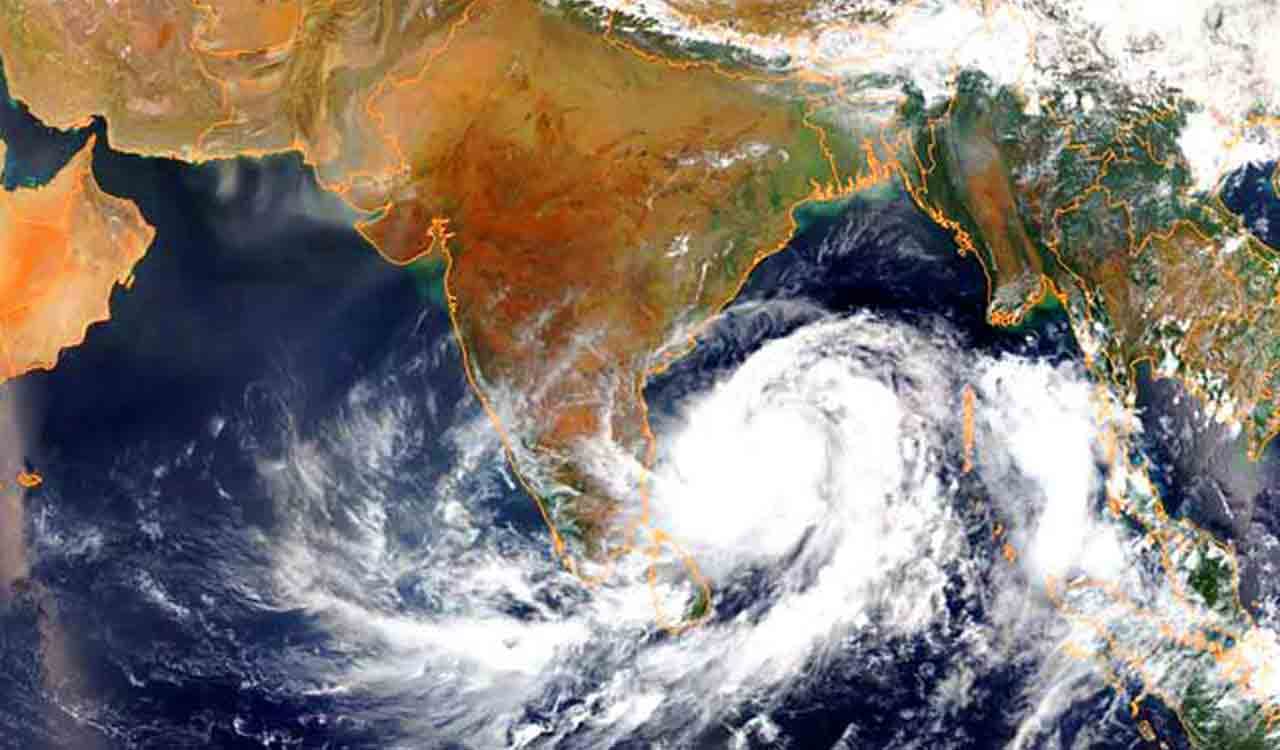
Cyclone Arnab Impacts Andhra Pradesh Flights

Published on: 28-Oct-2026

Source: The Hindu

Share this post

Cyclone Arnab Impacts Andhra Pradesh Flights

Article Summary

Cyclone Arnab and Its Impact on Air Travel in Andhra Pradesh

  • Event: Cyclone Arnab, expected to cross the Andhra Pradesh coast on October 28, 2026, predicted to intensify into a very severe cyclone with wind speeds of 125–135 km/h.

  • Affected Areas: Coastal Andhra Pradesh and southern Odisha (including Bhubaneswar) will face flight disruptions. Potential knock-on delays noted for Hyderabad, Varanasi, Prayagraj, and Gorakhpur based on cyclone track.

  • Official Response:

    • Review meeting held by the Ministry of Civil Aviation to ensure flight safety.
    • Emphasis on interagency coordination among stakeholders, including:
      • Directorate General of Civil Aviation (DGCA)
      • Bureau of Civil Aviation Security (BCAS)
      • Airports Authority of India (AAI)
      • India Meteorological Department (IMD)
      • Airlines
      • Airport operators
      • National Disaster Response Force (NDRF)
  • Flight Operations:

    • Cancellation of various flights to and from Visakhapatnam on October 28, 2026.
    • Operations at Visakhapatnam airport suspended since October 27, afternoon.
    • Flights at Vijayawada and Rajahmundry airports also suspended after 7 p.m. on October 27.
  • Guidelines Issued:

    • Airlines advised to follow operational guidelines for adverse weather.
    • Airlines to inform passengers about delays, cancellations and to comply with re-booking and refund norms.

Contextual Understanding:

  • Impact of Cyclones: Natural disasters like cyclones disrupt transportation and necessitate government and inter-agency coordination for safety measures and crisis management.

  • Government Schemes & Policies: This situation highlights the importance of disaster management policies and preparedness laid out by government entities to mitigate the effects of natural disasters on public safety and transport.

Conclusion: Cyclone Arnab serves as a significant reminder of the unpredictability of weather events and the importance of coordinated efforts among various civil aviation and disaster management authorities to ensure public safety and minimize disruptions.

Key Terms & Concepts

Cyclone ArnabSevere weather system forecast
Andhra PradeshAffected coastal region
OdishaAffected adjoining region
DGCARegulatory authority for aviation safety
BCASSecurity regulatory authority
Airports Authority of India (AAI)Airport operations management
India Meteorological Department (IMD)Weather forecasting agency
National Disaster Response Force (NDRF)Disaster management agency
Visakhapatnam AirportFlight operations suspended
Flight cancellationsImpact of cyclone on airlines
Wind speeds of 125-135 km/hCyclone intensity measurement
October 28, 2026Anticipated landfall date

Mind Map for UPSC Civil Services Revision

Turn UPSC Civil Services Current Affairs Into Exam-Ready Notes

Reading National and International Importance current affairs is half the work. Revise them with ready-made notes and test what actually stuck.

  • Daily UPSC Civil Services current affairs analysis
  • Revision notes, mind maps & MCQs
  • Prelims mock tests with instant results

Related UPSC Civil Services Current Affairs Articles

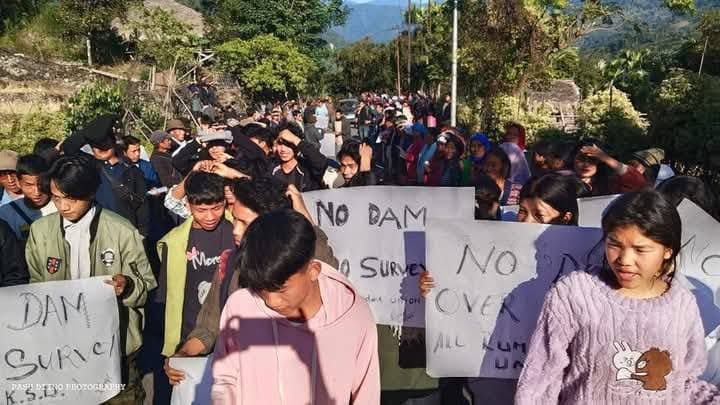
Protests Erupt Over Siang Dam Project
National and International Importance26-Oct-2026

Protests Erupt Over Siang Dam Project

Exam-Focused Notes on Siang Dam Protests in Arunachal Pradesh

Key Facts:

  • Location: Pasighat, East Siang District, Arunachal Pradesh.
  • Project: Siang Upper Multipurpose Project (SUMP) proposed capacity of 11,200 MW by NHPC Limited.
  • Protests: Recent violent protests against the dam; security measures in place, with law enforcement using tear gas against demonstrators.
Interagency coordination
Required for passenger safety

Constitutional References:

  • Restrictions on public gatherings enforced under Section 163 of the BNSS.

Government Policies & Schemes:

  • Corporate Social Responsibility (CSR): NHPC has spent Rs 16.61 crore on the Siang district administration and Rs 94.29 crore in Upper Siang for CSR activities.
  • Public relations campaign engaged to counter negative perceptions of the project during a Rs 10.91 crore contract with Concept Public Relations. The aim was to promote development opportunities related to the project.

Judicial References:

  • No specific judicial pronouncements reported, but local governance and responses highlight administrative action post-violence.

Economic Indicators:

  • The dam project is positioned as a strategic response to water security concerns, particularly regarding China's upstream dam activities. The state government claims it is a focal point of national importance.

International Context:

  • The proposed dam is linked to broader national security issues in response to international developments, particularly related to neighboring China.

Environmental Concerns:

  • Opposition from the Siang Indigenous Farmers' Forum (SIFF) due to fears of submergence, displacement, and environmental degradation. Concerns raised include loss of livelihoods, ancestral lands, and agricultural viability along riverbanks.

Community Engagement:

  • NHPC initiated extensive community outreach involving village elders, NGOs, and local influencers, reflecting attempts to build a narrative around the project while addressing misinformation.

Political Landscape:

  • Mixed sentiments among stakeholders: While some government officials claim that 85% of residents support the project, significant local opposition persists, emphasizing a lack of trust and consultation with the affected communities.

Notable Statements/Actions:

  • Chief Minister Pema Khandu emphasized the need for accurate information to mitigate fears surrounding the dam project and asserted that misinformation contributes to unrest.
  • Local MLA Ojing Tasing suggested that unrest is politically motivated, promoting the view that the majority support the project, contrasting local accounts of resistance.

Societal Impact:

  • Residents express deep dependence on riverbank resources for agriculture and livestock, indicating significant socio-economic implications if the dam proceeds.

Historical Context:

  • The proposed dam project is still in the pre-feasibility survey stage, and local opposition has been longstanding, underscoring the historical grievances and land rights issues in the region.

Summary:

The protests against the Siang dam in Arunachal Pradesh illustrate a complex interplay of economic development, environmental concerns, cultural identity, and local governance. The government, while asserting support for the hydroelectric project, faces significant challenges in addressing the fears and objections of the indigenous populations affected by it.

India-Japan Bullet Train Project Updates
National and International Importance25-Oct-2026

India-Japan Bullet Train Project Updates

Summary of the Mumbai-Ahmedabad High-Speed Rail (MAHSR) Project

Project Overview

  • Launch Date: September 2017
  • Length: 508 km
  • Estimated Completion: Initially by 2022, now expected by December 2027.
  • Collaboration: Joint venture between India and Japan, leveraging Japan's Shinkansen technology (300 km/h trains).

Delays and Challenges

  • Causes for Delays:
    • COVID-19 pandemic disruptions.
    • Land acquisition issues following changes in Maharashtra's government post-2019 elections.
    • Misalignment between Indian and Japanese negotiations regarding project details and expectations.
  • Cost Overrun: Estimated cost has nearly doubled from ₹1.08 lakh crore to about ₹2 lakh crore.

Government Response

  • The Indian government plans to allocate a special budget to address the increased project costs, with an emphasis on adhering to proper planning and statutory regulations before incurring major capital expenditure.

Revised Project Plans

  • Design and Engineering: Hybrid approach with:
    • Japanese track and civil design.
    • European signaling systems.
    • Indian-manufactured rolling stock trains.
  • Signaling Contract: Awarded to a European-Indian joint venture, diverging from the initial plan to use Japanese signaling systems.
  • Bullet Train Design: Indian Bullet Train (B28) developed by BEML can achieve speeds of 250 km/h.

Technical Advisory

  • Japanese experts stressed the integration of different train systems (B28 and E10) in the same corridor would require comprehensive safety assurances, advocating for a unified systems approach reflective of Shinkansen principles.

Lessons Learned and Future Collaborations

  • Need for Japanese organizations to adapt their offerings for international markets.
  • Recognition of the importance of trust and detailed planning in negotiations to improve future cooperation between Japan and India.

Key Government Schemes and Policies

  • National High Speed Rail Corporation Ltd: Implementing agency responsible for the project.

Economic Indicators and Financial Aspects

  • Signaling Contract Value: Approximately ₹4,100 crore, awarded to a consortium including Dineshchandra R Agrawal Infracon, Siemens Ltd, and Siemens Mobility GmbH.
  • Maintenance Services: Siemens to provide 15 years of maintenance for the European Train Control System Level 2.

Notable International Cooperation

  • The MAHSR project exemplifies India and Japan's strategic partnership, which has evolved to incorporate various technological influences and adapt to local needs amidst practical challenges.

Conclusion

The Mumbai-Ahmedabad High-Speed Rail project, while ambitious and technologically advanced, has encountered various challenges leading to significant delays and cost increases. The pragmatic adaptations in project execution, particularly the hybrid technological approach and robust international cooperation, reflect ongoing efforts to address these challenges and enhance infrastructural capabilities in India.