iAspirants
Current AffairsPrelims PYQsUPSC CSE SyllabusUPSC CSE StrategyBlogsPricing
Login
iAspirants

Your AI-powered companion for UPSC preparation.

Quick Links

  • Home
  • About Us
  • Current Affairs
  • Prelims PYQs
  • UPSC CSE Syllabus
  • UPSC CSE Strategy
  • Blogs

Company

  • Pricing
  • FAQs
  • Contact Us
  • Login

Legal

  • Privacy Policy
  • Terms & Conditions
  • Return Policy

© 2026 iAspirants, Inc. All rights reserved.

  1. Blogs
  2. Environment and Ecology

El Niño's Impact on Global Climate

Published on: 27-Oct-2026

Source: Indian Express

Share this post
El Niño's Impact on Global Climate

Article Summary

Summary of El Niño Impacts and Forecasts

El Niño Overview:

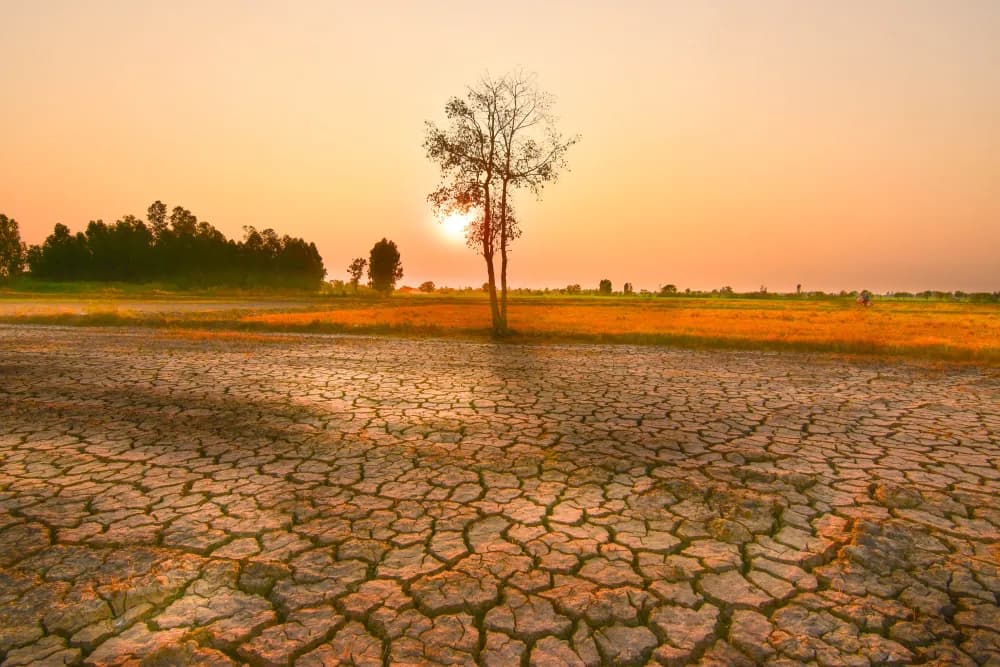
  • El Niño, a climate phenomenon marked by abnormal Pacific Ocean warming, is expected to peak late 2023 and impact weather patterns globally until 2027.
  • Characterized as one of the strongest El Niños since monitoring began, its primary effects include inhibited monsoon rainfall, increased temperatures, and heightened heatwaves.

Impact on India:

  • Emerged in June 2023, significantly affecting the southwest monsoon, which provides 70% of India's annual rainfall.
  • August 2023 recorded rainfall at 83% of the long-period average (LPA), and September at 92%, leading to a total southwest monsoon figure of 87% of LPA.
  • This ranks as the 4th driest monsoon since 2001 and the 13th driest since 1901.
  • The ongoing northeast monsoon is projected to be normal over southern India, but a warmer-than-average winter is anticipated.

Meteorological and Climate Indicators:

  • The El Niño Southern Oscillation (ENSO) consists of three phases: El Niño (warm), neutral, and La Niña (cool).
  • The Relative Ocean Nino Index (RONI) measures sea surface temperature deviations, indicating the strength of ENSO phases.
    • July-September 2023 RONI displayed temperatures between 2 to 2.8 degrees Celsius, potentially surpassing historical records with a predicted peak anomaly of 3.8 degrees Celsius.

Global Impact Projections:

  • Rising global temperatures and precipitation changes are expected, influencing northern hemisphere regions like southern Europe, Africa, the Indian subcontinent, and eastern Asia.
  • Conversely, increased rainfall is anticipated in parts of the Arabian peninsula, coastal Southeast Asia, and North America.
  • Southern hemisphere regions (Africa's equatorial parts, South America, Australia) are likely to experience higher than normal temperatures but weaker rainfall.

Socioeconomic Consequences:

  • El Niño could significantly disrupt food and water security, particularly affecting Africa:
    • An estimated 50 million individuals may face increased hunger, with economic implications costing African nations between $10-$20 billion and a potential 1-2% GDP decline.
  • Anticipated price increases for food, fuel, and fertilizers will exacerbate existing global resource strains due to ongoing geopolitical conflicts.

Calls to Action:

  • Humanitarian agencies emphasize the need for local and global cooperation to mitigate the impacts, especially for vulnerable populations in Central and South America and Africa.
  • Recommendations include creating alternative income sources for affected communities and securing agricultural resources against climate threats.

Conclusion: El Niño's anticipated effects spell severe agricultural, economic, and environmental challenges on a global scale, necessitating urgent preparatory and mitigating measures across affected regions.

Key Terms & Concepts

El Niñoclimatic phenomenon affecting weather
World Meteorological Organizationpredicts climatic changes
Nino 3.4 regionkey area for temperature measurement
Relative Ocean Nino Index (RONI)measures ocean temperature changes
National Oceanic and Atmospheric Administration (NOAA)maintains ocean temperature data
October-Decemberexpected peak period for El Niño
50 millionpeople facing increased hunger
El Niño economic impact on Africacost between $10 and $20 billion
1-2%GDP reduction forecast in Africa
Strait of Hormuz crisisongoing conflict impacting resources
Climate-induced floods and droughtsanticipated global impact

Mind Map for UPSC Civil Services Revision

Turn UPSC Civil Services Current Affairs Into Exam-Ready Notes

Reading Environment and Ecology current affairs is half the work. Revise them with ready-made notes and test what actually stuck.

  • Daily UPSC Civil Services current affairs analysis
  • Revision notes, mind maps & MCQs
  • Prelims mock tests with instant results

Related UPSC Civil Services Current Affairs Articles

Chennai Reservoir Monitoring and Management
Environment and Ecology27-Oct-2026

Chennai Reservoir Monitoring and Management

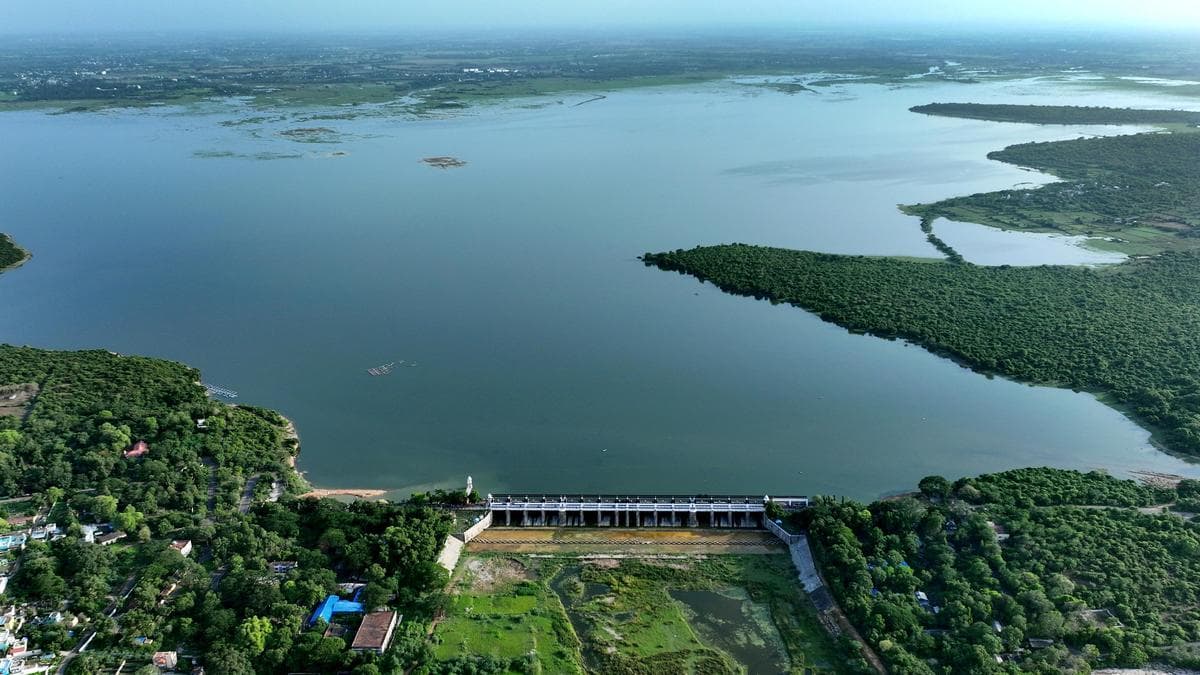
  • Chief Minister Inspection: C. Joseph Vijay inspected Chembarambakkam reservoir, important for Chennai's water supply.

  • Reservoir Capacity and Storage:

    • Current storage at Chembarambakkam: .
1,488 million cubic feet (mc. ft.)
  • Total capacity: 3,645 mc. ft..
  • Storage level: 41% of total capacity.
  • Inflow rate: 150 cubic feet per second (cusecs).
  • Northeast Monsoon Impact:

    • Recent rains increased the combined storage of Chennai’s five major reservoirs to 41.3%, up from 34% on October 15.
  • Preparedness Measures:

    • Discussion of strategies to manage water levels during extreme weather events similar to the 2015 floods.
    • Proposed measures include:
      • Creating buffer space for heavy inflow through controlled water release.
      • Restoring upstream lakes that feed the reservoir.
  • Operational Instructions:

    • Control rooms to remain operational with adequate staffing for effective monitoring.
    • Advance warning systems for residents downstream before water releases.
  • Key Officials Present: Included ministers from Rural Development, Water Resources, Revenue and Disaster Management, and the Tamil Nadu Chief Secretary.

  • This summary highlights the government's proactive measures and management strategies concerning water resources ahead of the monsoon, serving as a crucial reference for effective disaster management and public safety.

    Greater Flamingos Spotted at Veeranam Lake
    Environment and Ecology27-Oct-2026

    Greater Flamingos Spotted at Veeranam Lake

    Summary of Findings on Greater Flamingos in Veeranam Lake

    Key Facts:

    • Species Observed: Greater flamingos.
    • Location: Veeranam Lake, Cuddalore District, Tamil Nadu.
    • Total Sighted: 18 greater flamingos.

    Contextual Information:

    • Migration Patterns:
      • Greater flamingos typically migrate from the Gulf of Kutch to the eastern coast of India during winter.
      • Normal coastal habitats include areas like Point Calimere Wildlife Sanctuary, Muthupettai Lagoon, and Pichavaram mangroves.

    Factors Influencing Altered Migration:

    • Super El Niño: Severe weather phenomenon affecting climate patterns, likely altering migration routes.
    • Water Deficit: Significant reduction in rainfall and river flow.
      • Cauvery River: Reduced flow contributing to dry coastal mudflats.
    • Monsoon Impact: Low rainfall during the Southwest monsoon season has exacerbated food scarcity in coastal habitats.

    Research Insights:

    • Foraging and Habitat Use:
      • The receding water levels at Veeranam Lake have created shallow areas favorable for greater flamingos to forage.
      • Plankton and other food resources may be concentrated due to evaporation, making the lake a temporary feeding ground during migration.

    Future Monitoring Requirements:

    • Continuous monitoring of greater flamingos is essential to understand:
      • How these coastal species adapt to using inland wetlands under stress conditions of coastal ecosystems.
      • The sustainability of Veeranam Lake as a habitat during their migratory period.

    Implications:

    These observations highlight the impact of climatic changes on wildlife behavior and habitat use, which may inform conservation strategies and environmental policies regarding wetland management and the protection of migratory bird routes.

    India's Monsoon Forecast and Challenges
    Environment and Ecology26-Oct-2026

    India's Monsoon Forecast and Challenges

    Monsoon and Climate Analysis in India

    Current Climate Conditions

    • Monsoon Deficit: The southwest monsoon (June-September) recorded 759.4 mm of rainfall, a 12.6% deficit from the normal 868.6 mm, marking the driest year in 11 years.
    • Kharif Sowing Impact: The rainfall deficiency has adversely affected kharif crop sowing, contributing to food inflation.

    Northeast Monsoon Expectations

    • Timing: The northeast monsoon spans October to December.
    • Forecast: India Meteorological Department (IMD) predicts 'normal' rainfall according to a 50-year average with a 12% error margin.
    • Regional Variations: Most areas may experience below-normal rainfall, except parts of northwest and southern India, expected to get normal to above-normal precipitation.

    Climate-Related Events and Historical Context

    • El Niño Influence: The current conditions are influenced by a significant El Niño, which has been linked to changing rainfall patterns, notably:
      • 2015: Chennai faced severe flooding, with over 500 fatalities and 1.8 million displaced.
      • Historical Variance: El Niño years have shown unpredictable rainfall, with some years (e.g., 1997, 2009) yielding above-normal northeast monsoon rainfall, while others (e.g., 1982, 2002) resulted in poor rainfall.

    Government Preparedness Recommendations

    • Disaster Management: Both the Central Government and southern states are advised to enhance disaster preparedness by:
      • Clearing stormwater drains.
      • Fortifying shelters.
      • Enhancing infrastructure provisions against potential damage.
      • Improving weather-warning systems to mitigate risks associated with torrential rains.

    Statistical Background

    • Rainfall Data: A significant deviation from normal rainfall patterns poses a risk to agricultural output and food security.
    • Rainfall Patterns: Understanding the interaction between El Niño and monsoon behavior remains an area of active research.

    Conclusion

    The IMD's forecast combined with historical data emphasizes the need for proactive governance in disaster management, especially in the context of unpredictable rainfall due to climate phenomena like El Niño. Effective measures must be in place to minimize the impact on agriculture and ensure food security amidst changing climatic norms.

    Cyclonic Storm Set to Intensify
    Environment and Ecology25-Oct-2026

    Cyclonic Storm Set to Intensify

    Summary of Cyclonic Storm in Bay of Bengal

    Weather Forecast and Cyclone Development

    • The India Meteorological Department (IMD) has indicated a potential cyclonic storm developing over the Bay of Bengal.
    • Expected Intensity:
      • Likely classification: Very Severe Cyclonic Storm.
      • Maximum sustained wind speed: 118 km/h to 221 km/h. Current forecasts predict wind speeds may reach 130 km/h, compared to 65 km/h during last year’s Montha.

    Cyclone Tracking and Path

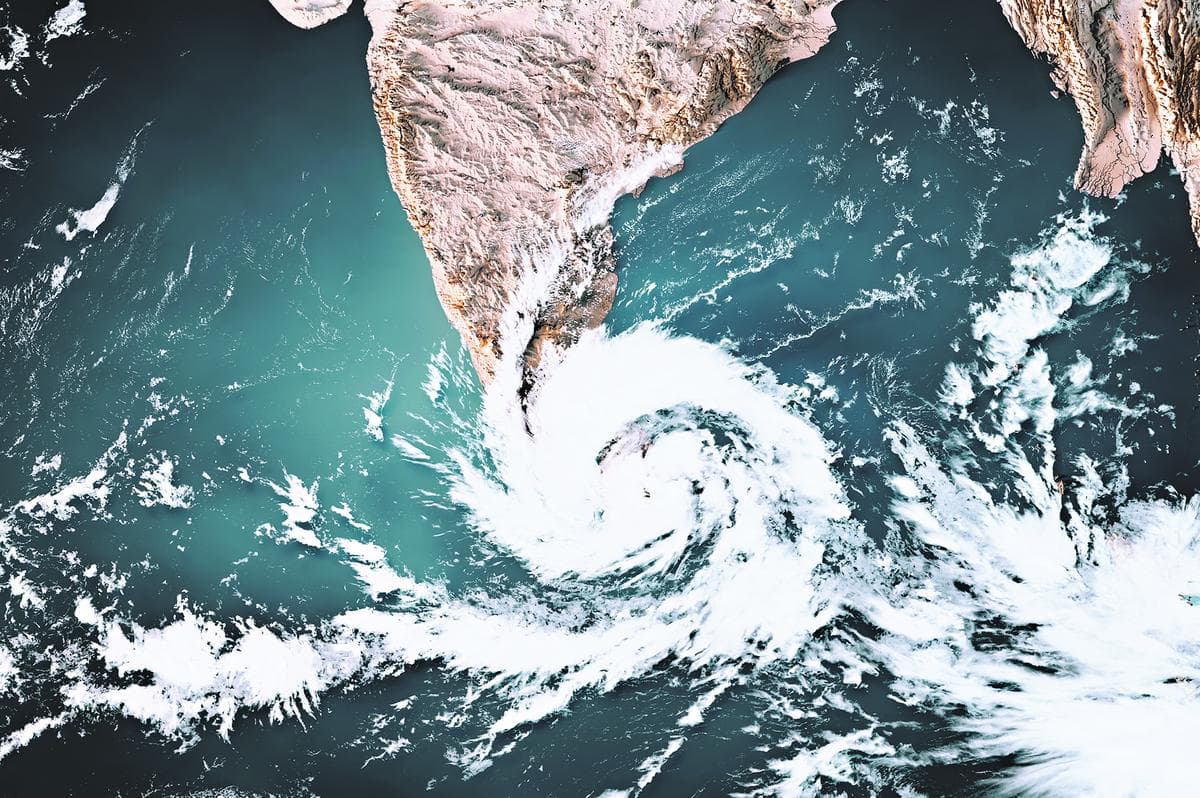
    • A low-pressure area formed on the east-central Bay of Bengal is anticipated to evolve into a deep depression, then a cyclonic storm.
    • Current position: Approximately 510 km off Andaman Islands, 820 km off Vishakhapatnam, 910 km off Kakinada, 1,020 km off Machilipatnam, and 1,100 km off Bapatla.
    • Expected to intensify and change course towards the Andhra Pradesh coast near Bapatla and Visakhapatnam by October 28.

    Anticipated Impact on Andhra Pradesh

    • Expected event: Cross the Andhra Pradesh and Yanam coasts with sustained winds of 115 km/h to 125 km/h, gusting to 140 km/h.
    • IMD has issued a Red Alert for 13 districts:
      • October 27: Krishna and Bapatla.
      • October 28: Visakhapatnam, Alluri Sitharama Raju, Anakapalli, Kakinada, Dr. B.R. Ambedkar Konaseema, East Godavari, West Godavari, Eluru, NTR, Krishna, Guntur, and Bapatla.

    Rainfall Predictions

    • Isolated extremely heavy rainfall is predicted in the aforementioned districts, with cyclone-induced rainfall activity expected to spike from October 27.
    • Light showers may precede this on October 25 and 26.
    • Recent rainfall data:
      • Simhadripuram (YSR Kadapa): 81.5 mm of rainfall.
      • Malapuram (Anantapur): 74.5 mm.

    Government Preparations and Response

    • Andhra Pradesh Chief Minister N. Chandrababu Naidu has instructed officials to prepare for the cyclone's impact, emphasizing caution and proactive measures.
    • A thorough flood management and water conservation plan is called for in anticipation of severe weather conditions.

    Conclusion

    This situation highlights the necessity for disaster preparedness and response mechanisms in vulnerable regions, driven by climate patterns leading to increased cyclonic activity. The synergistic roles of government agencies, meteorological forecasting, and community readiness are critical in mitigating potential impacts of severe weather events.