iAspirants
Current AffairsPrelims PYQsUPSC CSE SyllabusUPSC CSE StrategyBlogsPricing
Login
iAspirants

Your AI-powered companion for UPSC preparation.

Quick Links

  • Home
  • About Us
  • Current Affairs
  • Prelims PYQs
  • UPSC CSE Syllabus
  • UPSC CSE Strategy
  • Blogs

Company

  • Pricing
  • FAQs
  • Contact Us
  • Login

Legal

  • Privacy Policy
  • Terms & Conditions
  • Return Policy

© 2025 iAspirants, Inc. All rights reserved.

  1. Blogs
  2. National and International Importance

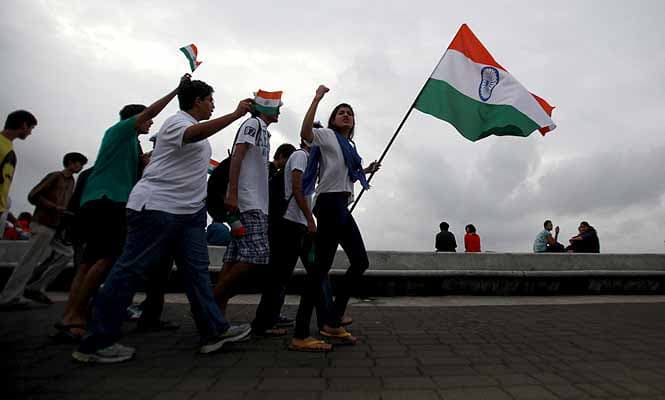
Public Protests and Democratic Defiance

Published on: 09-Oct-2026

Source: Indian Express

Share this post
Public Protests and Democratic Defiance

Article Summary

Key Points Summarized:

  1. Opposition Movements:

    • Opposition MPs, led by Rahul Gandhi, are actively protesting against the Election Commission, highlighting issues surrounding voter rights and electoral processes.
    • Recent protests are part of a larger public agitation that has included student protests over exam irregularities and calls for accountability from the Election Commission.
  2. Judicial Involvement:

    • Justice Ujjal Bhuyan expressed that any process leading to disenfranchisement undermines the Constitution, specifically violating the fundamental right to vote as enshrined in Article 326 of the Indian Constitution, which guarantees the right to vote in elections.
  3. Calls for Accountability:

    • Civil society leaders have initiated a “people’s impeachment” notice against Chief Election Commissioner Gyanesh Kumar, asserting that the trust in the Election Commission is pivotal for its authority, as it is not merely a government agency.
  4. Public Sentiment:

    • There is a notable shift in public sentiment, with a rise in protests and self-expression among citizens, particularly youth using social media to voice dissent. The atmosphere of fear that dominated for years is reportedly waning, indicating a revived public engagement in democracy.
  5. Historical Context:

    • The ruling regime has been characterized as operating on a foundation of fear for over a decade, with governmental misuse of central agencies and an attempt to control the judiciary and media narratives.
  6. Media and Institutions:

    • There are claims that large media sections serve government interests rather than presenting balanced news. The legislative process has become criticized for lacking transparent debate, with laws passed rapidly.
  7. Challenges Ahead:

    • Despite these emerging movements, challenges remain, including institutional compromises requiring years to rectify, misuse of police forces against opposition in various states, and enduring electoral manipulations.
  8. Hope for Democracy:

    • A sentiment of hope is emerging, fueled by public protests and calls for freedom from fear, suggesting a potential resurgence in democratic engagement among citizens.
  9. Quotations Reflecting Sentiment:

    • References to Ramdhari Singh Dinkar underscore a cultural call for the throne (authority) to be vacated for the people, reflecting a historical grounding for current protests.
  10. Constitutional Reference:

    • The importance of Article 326 (right to vote) and the demands for accountability are central to ongoing protests and engaged activism among the populace.

This summary is aimed at providing a concise understanding of the ongoing protests, constitutional implications, judicial involvement, and the broader socio-political context surrounding these developments in India.

Key Terms & Concepts

ConstitutionEnsures right to vote
Election CommissionOversight of voter rolls
Justice Ujjal BhuyanWarned against disenfranchisement
Gyanesh KumarTarget of impeachment notice
Supreme CourtJudicial oversight on voting
ED casesTool against critics
Cockroach Janta Party rallyDemanded resignation
Delhi protests at Jantar MantarCivil-society demonstration
Ramdhari Singh DinkarCited for democratic hope

Mind Map for UPSC Civil Services Revision

Turn UPSC Civil Services Current Affairs Into Exam-Ready Notes

Reading National and International Importance current affairs is half the work. Revise them with ready-made notes and test what actually stuck.

  • Daily UPSC Civil Services current affairs analysis
  • Revision notes, mind maps & MCQs
  • Prelims mock tests with instant results

Related UPSC Civil Services Current Affairs Articles

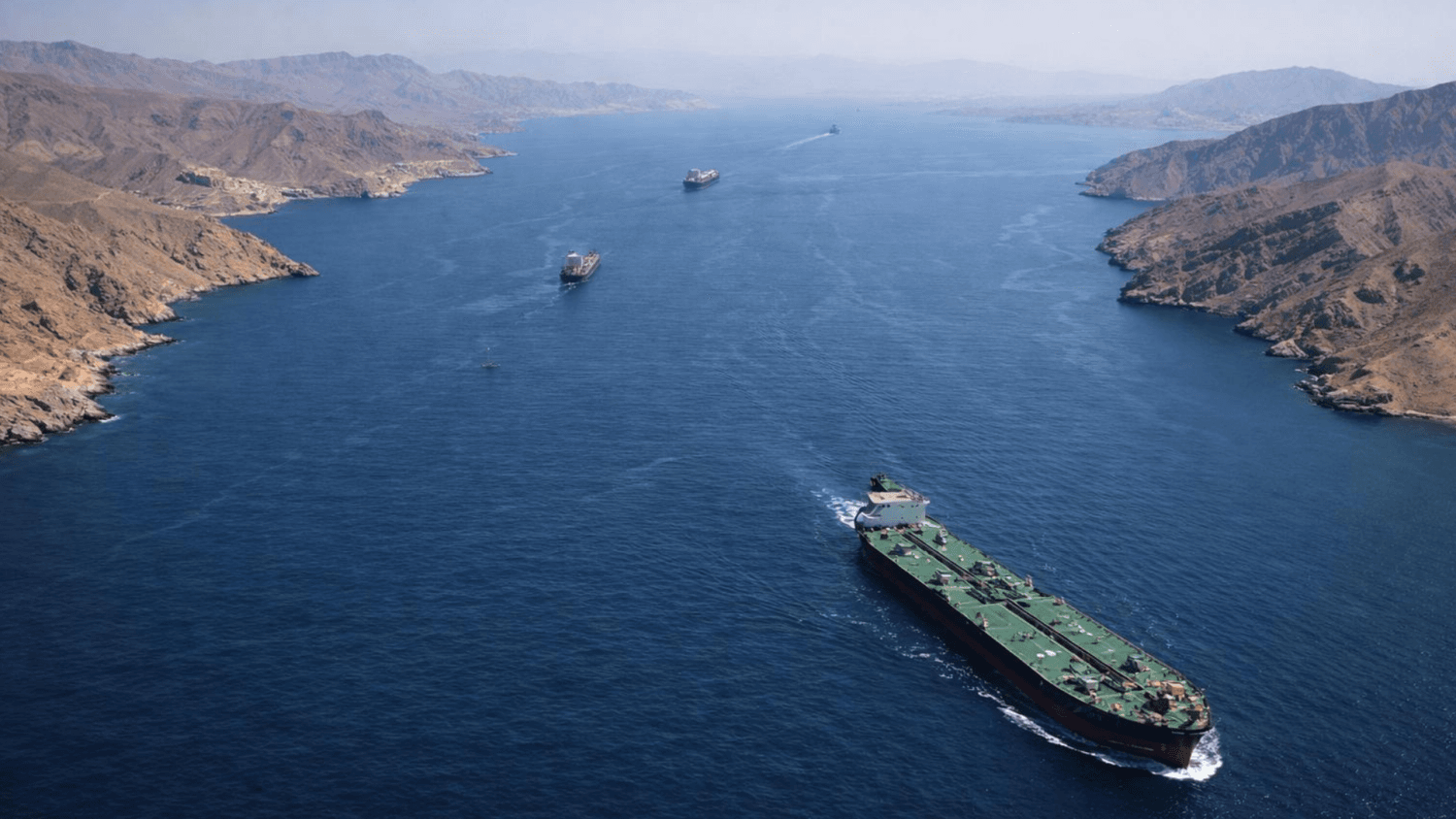
Decreased Vessels in Strait of Hormuz
National and International Importance08-Oct-2026

Decreased Vessels in Strait of Hormuz

Summary of Key Facts and Data Regarding Strait of Hormuz

Shipping Traffic and Incidents

  • The number of vessels transiting the Strait of Hormuz has dropped to seven on October 6, 2026, the lowest count since .
July 23, 2026
  • A spike in attacks on tankers occurred, reaching the highest weekly totals since the onset of the US-Israeli war with Iran.
  • On October 6, crude oil transportation through the strait fell by 27%, averaging 10.1 million barrels per day, which represents 74% of pre-war levels.
  • Ship-to-ship (STS) transfers in the Gulf of Oman decreased significantly.
  • Vessels entering the strait outnumbered those exiting in the two days prior to October 7, 2026.
  • Maritime security sources reported attacks reached the highest in any week since the Iran war began, with a notable incident involving a tanker struck 51 nautical miles north of Qatar.
  • Economic Indicators

    • The shipping data indicates that before the Iran war's escalation on February 28, 2026, approximately 125 large commercial vessels traversed the strait daily.
    • These vessels accounted for nearly 20% of global crude oil and liquefied natural gas supplies.

    Regional Responses and Adjustments

    • Exports from the Gulf of Oman coast and the Red Sea increased to 6.7 million barrels per day, more than twice the pre-war levels, compensating for reduced activity in the Strait of Hormuz.
    • Overall crude exports from the Middle East have maintained pre-war levels despite disruptions.

    Conclusion

    The developments in the Strait of Hormuz reflect significant geopolitical and economic dynamics, particularly amidst heightened risks due to maritime attacks linked to the ongoing conflicts involving Iran. The data underscores the strategic importance of this waterway for global oil supplies and the adaptive responses of regional exporters in the wake of rising tensions.

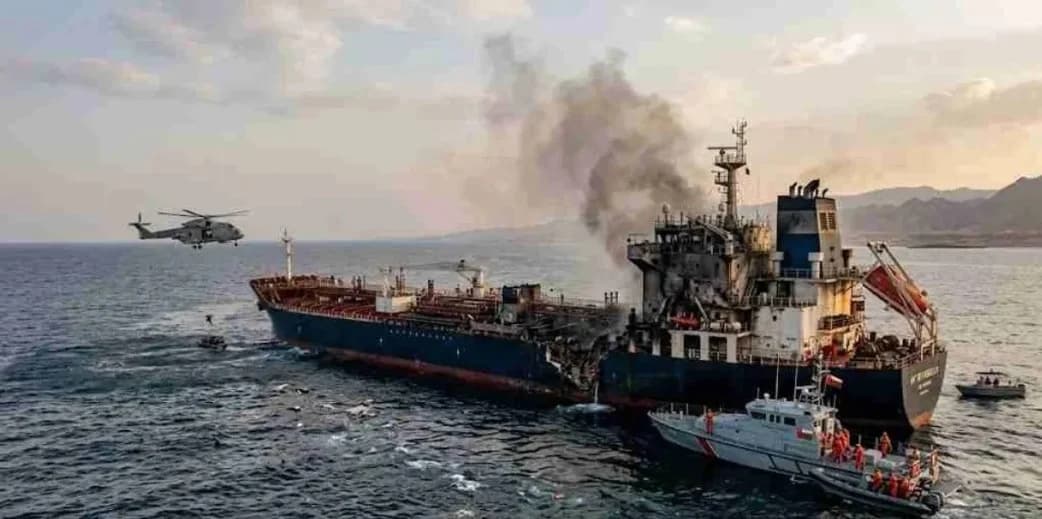
    Tanker Attacked Near Qatar Coast
    International Relations08-Oct-2026

    Tanker Attacked Near Qatar Coast

    • Incident Overview: A tanker off the northern coast of Qatar reported being hit by multiple projectiles, leading to unspecified casualties. The attack occurred approximately 51 nautical miles (94 kilometers) from Qatar’s coast, 500 kilometers (300 miles) from the strategic Strait of Hormuz.

    • Geopolitical Context:

      • The Gulf region remains volatile due to a series of conflicts stemming from U.S. and Israeli military strikes against Iran that began in late February 2026.
      • Iran has reportedly blockaded the Strait of Hormuz and fired upon vessels it considers to be making unauthorized crossings. In retaliation, the United States has established its own counterblockade on Iranian ports and has engaged in military actions against ships purportedly connected to Tehran.
    • Strategic Importance of Strait of Hormuz: The Strait is crucial for global oil and gas transport, with approximately 20% of the world’s oil and liquefied natural gas passage occurring through it prior to the current conflict.

    • International Response: Diplomatic efforts to resolve the war have become stagnant, highlighting the ongoing regional tensions and complexities in international relations concerning resource security and military engagements.

    • U.S. Military Operations: Following retaliatory actions, including bombings of Iranian targets, U.S. efforts continue to focus on the protection of commercial shipping routes, particularly those near the coast of Oman.

    • Current Maritime Security: Despite ongoing skirmishes and threats, some vessels continue to transit through the Strait of Hormuz, albeit under the watchful eye of U.S. military operations aimed at ensuring safety in shipping lanes.

    • Casualties and Investigations: The UK Maritime Trade Operations (UKMTO) agency is investigating the circumstances surrounding the recent attack, although details about the casualties remain unspecified.

    • Broader Implications: The ongoing conflict and maritime incidents in the Gulf not only have significant implications for regional stability but also for the global economy due to the strategic nature of oil and gas transportation through this route.

    This summary encapsulates critical aspects of the maritime incident and its implications amid the ongoing geopolitical crisis in West Asia.

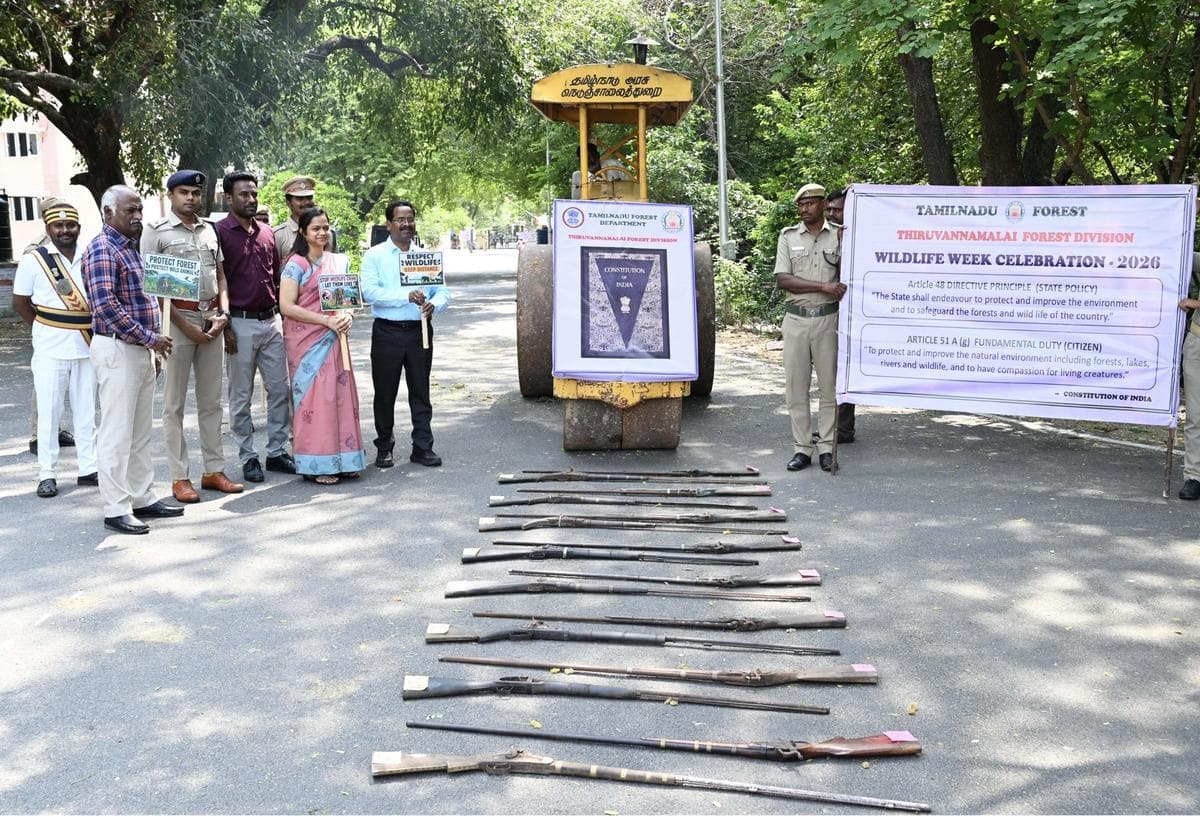
    Destruction of Illegal Firearms in Tiruvannamalai
    National and International Importance07-Oct-2026

    Destruction of Illegal Firearms in Tiruvannamalai

    Summary of Key Points

    Legislation

    • Wildlife (Protection) Act, 1972: The act underpins the drive to combat illegal hunting and protect wildlife.

    Government Actions

    • Destruction of Illegal Firearms: 125 illegal country-made firearms were destroyed in a public event at the District Collector’s office in Tiruvannamalai.
    • Collector’s Initiative: The initiative to destroy firearms was launched by Collector Vandana Garg.

    Statistics of Firearms Destroyed by Forest Range

    • Nadanur Range: 41 firearms
    • Santhavasal Range: 22 firearms
    • Melpattu Range: 19 firearms
    • Polur Range: 17 firearms
    • Jamunamarathur Range: 15 firearms

    Public Engagement

    • Voluntary Surrender Program: The program encourages tribals living near forests to voluntarily give up illegal firearms, benefiting from general amnesties established in 2016 and 2021.
    • Community Outreach: Forest officials engage with tribal elders and conduct door-to-door awareness programs to promote the voluntary surrender of firearms.

    Cultural Context

    • Historically, tribals possessed these firearms for self-defense against wildlife, theft, and for hunting, as well as for transporting agricultural produce.

    Improved Socio-Economic Conditions

    • The necessity for firearms among tribals has decreased due to:
      • Improved roads
      • Enhanced policing
      • Better transport facilities

    Judicial and Policy Support

    • Continued support from local authorities, including the district police and forest officers, is pivotal in carrying out this initiative and promoting wildlife conservation.

    Conclusion

    The initiative led by the Forest Department in Tiruvannamalai not only aims to protect wildlife but also fosters community cooperation and reduces the prevalence of illegal firearms among tribal populations through awareness and support measures.