iAspirants
Current AffairsPrelims PYQsUPSC CSE SyllabusUPSC CSE StrategyBlogsPricing
Login
iAspirants

Your AI-powered companion for UPSC preparation.

Quick Links

  • Home
  • About Us
  • Current Affairs
  • Prelims PYQs
  • UPSC CSE Syllabus
  • UPSC CSE Strategy
  • Blogs

Company

  • Pricing
  • FAQs
  • Contact Us
  • Login

Legal

  • Privacy Policy
  • Terms & Conditions
  • Return Policy

© 2025 iAspirants, Inc. All rights reserved.

  1. Blogs
  2. International Relations

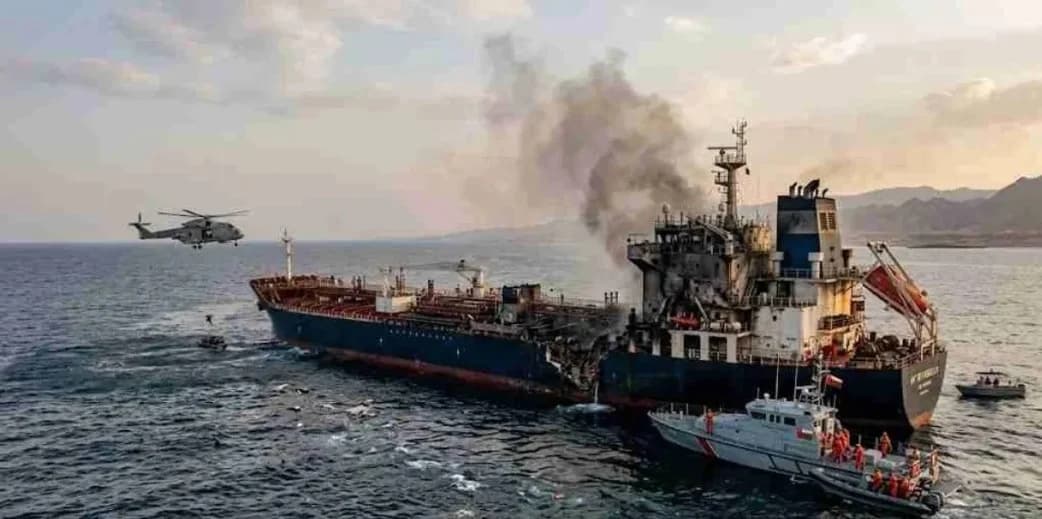
Tanker Attacked Near Qatar Coast

Published on: 08-Oct-2026

Source: The Hindu

Share this post

Tanker Attacked Near Qatar Coast

Article Summary

  • Incident Overview: A tanker off the northern coast of Qatar reported being hit by multiple projectiles, leading to unspecified casualties. The attack occurred approximately 51 nautical miles (94 kilometers) from Qatar’s coast, 500 kilometers (300 miles) from the strategic Strait of Hormuz.

  • Geopolitical Context:

    • The Gulf region remains volatile due to a series of conflicts stemming from U.S. and Israeli military strikes against Iran that began in late February 2026.
    • Iran has reportedly blockaded the Strait of Hormuz and fired upon vessels it considers to be making unauthorized crossings. In retaliation, the United States has established its own counterblockade on Iranian ports and has engaged in military actions against ships purportedly connected to Tehran.
  • Strategic Importance of Strait of Hormuz: The Strait is crucial for global oil and gas transport, with approximately 20% of the world’s oil and liquefied natural gas passage occurring through it prior to the current conflict.

  • International Response: Diplomatic efforts to resolve the war have become stagnant, highlighting the ongoing regional tensions and complexities in international relations concerning resource security and military engagements.

  • U.S. Military Operations: Following retaliatory actions, including bombings of Iranian targets, U.S. efforts continue to focus on the protection of commercial shipping routes, particularly those near the coast of Oman.

  • Current Maritime Security: Despite ongoing skirmishes and threats, some vessels continue to transit through the Strait of Hormuz, albeit under the watchful eye of U.S. military operations aimed at ensuring safety in shipping lanes.

  • Casualties and Investigations: The UK Maritime Trade Operations (UKMTO) agency is investigating the circumstances surrounding the recent attack, although details about the casualties remain unspecified.

  • Broader Implications: The ongoing conflict and maritime incidents in the Gulf not only have significant implications for regional stability but also for the global economy due to the strategic nature of oil and gas transportation through this route.

This summary encapsulates critical aspects of the maritime incident and its implications amid the ongoing geopolitical crisis in West Asia.

Key Terms & Concepts

UKMTO maritime agencyReported attack incident
51 nautical milesDistance from coast
Strait of HormuzMajor maritime route
U.S. and IsraelInitiated West Asia war
500 kilometersDistance from strait
Iran blockadeStrait blockade since February
Counterblockade of Iranian portsU.S. maritime policy
September 1Date of last reported strike
Fifth of world oil and LNGOil supply through strait

Mind Map for UPSC Civil Services Revision

Turn UPSC Civil Services Current Affairs Into Exam-Ready Notes

Reading International Relations current affairs is half the work. Revise them with ready-made notes and test what actually stuck.

  • Daily UPSC Civil Services current affairs analysis
  • Revision notes, mind maps & MCQs
  • Prelims mock tests with instant results

Related UPSC Civil Services Current Affairs Articles

India's Role in Global Pandemic Preparedness
International Relations08-Oct-2026

India's Role in Global Pandemic Preparedness

United Nations High Level Meeting (UN HLM) on Pandemic Preparedness and Response

Context

  • Date: September 2026
  • Venue: United Nations, New York
  • Topic: Political Declaration on Pandemic Prevention Preparedness and Response (PPPR) and WHO Pandemic Agreement (PA).

Key Developments

  • WHO Pandemic Agreement (PA):
    • Adopted by 124 member-states in 2025, including India.
    • No votes against; 11 abstentions.
    • Aims to establish a global legal framework for pandemic preparedness.

Main Issues Discussed

  • Balancing National Sovereignty and International Cooperation:

    • Tensions between Global North and Global South on regulatory control and funding mechanisms.
    • Importance of equitable access to vaccines and therapeutics.
  • Pathogen Access and Benefit-Sharing (PABS) System:

    • Negotiations ongoing for the annex focusing on equitable vaccine distribution to Low-Income Countries (LICs) and Lower-Middle-Income Countries (LMICs).

India's Position

  • Supports multilateralism while emphasizing national sovereignty.
  • Advocated for:
    • Equitable access to health resources.
    • Creation of global public goods such as digital health infrastructure.
    • Respect for individual country circumstances in shaping health policies.

Global Engagement Strategies

  1. Partnership Development: India aims to collaborate on technical areas of the PA and foster trust among Global South countries.
  2. Leveraging Leadership Roles:
    • Participation in the H20 summit in 2027 focused on health and development.
    • Engaging in "Partners for Multilateralism" initiated by the European Union, co-sponsoring significant global health discussions.
  3. Aligning Domestic Policies: India plans to enhance its national regulatory frameworks around pandemic preparedness to reflect high equity standards.

Economic and Technological Context

  • Pharmaceutical Contribution: India is a major vaccine manufacturer, yet dependent on global pharmaceuticals for patents and Active Pharmaceutical Ingredients (APIs).
  • Call for Equitable Technology Access: Emphasizes the need to obtain advanced technology from developed nations for healthcare enhancement.

Conclusion

  • Importance of India’s Role: As a key actor in global health dynamics, India's leadership in the PPPR regime is vital for ensuring an inclusive health governance structure. The equitable distribution of healthcare resources will not only aid India's national pandemic management but also strengthen cooperation among nations in the Global South.

International Framework and Global Health

  • India's commitment reflects a responsibility towards enhancing global health standards, particularly for developing nations, thus establishing itself as a crucial player in international health governance.

Relevant Constitutional Articles and References

  • The discussions emphasize the importance of international cooperation while respecting Article 51 of the Indian Constitution, which promotes fostering respect for international law and treaty obligations.
Iran Appeals to American Voters
International Relations07-Oct-2026

Iran Appeals to American Voters

Summary of Key Facts and Figures:

  1. Iran's Appeal to American Voters:

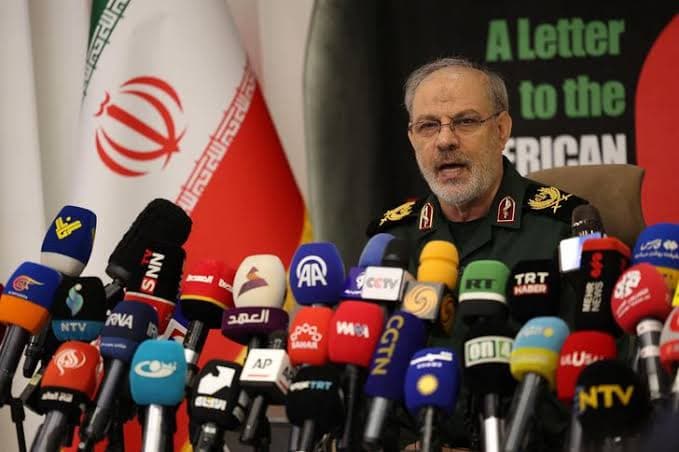
    • Iran's Revolutionary Guards sent a 25-page letter to the people of the U.S. urging them to reject Donald Trump's policies and consider "peaceful coexistence".
  2. Political Context:

    • This outreach coincided with the lead-up to the U.S. midterm elections, highlighting the interplay between foreign policy and domestic political dynamics. The Republican Party is perceived as vulnerable in these elections.
  3. Strategic Military Developments:

    • Trump has indicated that U.S. military actions might escalate post-November 3 elections, emphasizing that negotiations can be overshadowed or influenced by electoral calendars.
  4. Economic Data on Oil:

    • Gulf crude oil exports reached an average of 16.3 million barrels per day in September 2023, approximately 91% of pre-war levels. However, refined-product exports were only about 60% of pre-war levels.
    • The G7's decision to release 100 million barrels from emergency reserves, influenced by Trump, aims to alleviate fuel price pressures.
  5. U.S. Sanctions on Iran:

    • The U.S. has broadened sanctions on Iran, affecting military procurement networks, automotive, rail, manufacturing, and steel sectors. Financial institutions are warned about the risks of engaging with Iran.
  6. Historical Context:

    • The letter from Iran recalls the "October surprise" phenomenon, dating to the 1980 presidential election, when the Iranian hostage crisis significantly impacted U.S. political elections.
  7. Impact on Inflation and Economy:

    • Fluctuations in diesel prices are crucial for American inflation; the relationship between oil supply chain logistics and domestic pricing is highlighted as a central political issue.
  8. Domestic Political Dynamics:

    • The letter's intent is to leverage rising public anxiety about war and inflation to weaken Republican standing. Conversely, Trump seeks to demonstrate military strength without inflating domestic fuel prices further.
  9. Lessons for India:

    • Observations on political dynamics suggest that internal cohesion is vital for handling external challenges. Political conflicts within democracies must be managed to avoid compromising national security and international standing.
  10. Conclusion:

    • The interconnectedness of domestic and international politics is emphasized, underscoring that both Iran's and the U.S.'s political strategies leverage public sentiment and internal political issues.

Constitutional Relevance:

  • The interplay of domestic politics and foreign policy reflects foundational democratic principles but is not explicitly tied to specific Articles or Amendments in the U.S. Constitution. However, it underscores the necessity for cohesive engagement in a democracy, relevant for countries like India as well.

International Relations:

  • Military and economic strategies of both Iran and the U.S. illuminate the complexities of global diplomacy and conflict, with significant implications for international political stability and domestic policy.

This summary encapsulates the main elements of the discussed geopolitical situation, emphasizing facts, figures, and broader implications relevant for academic and examination contexts.

Putin Warns West Over Kaliningrad Tensions
International Relations06-Oct-2026

Putin Warns West Over Kaliningrad Tensions

International Tensions and Military Dynamics around Kaliningrad

  1. Russian Warning:

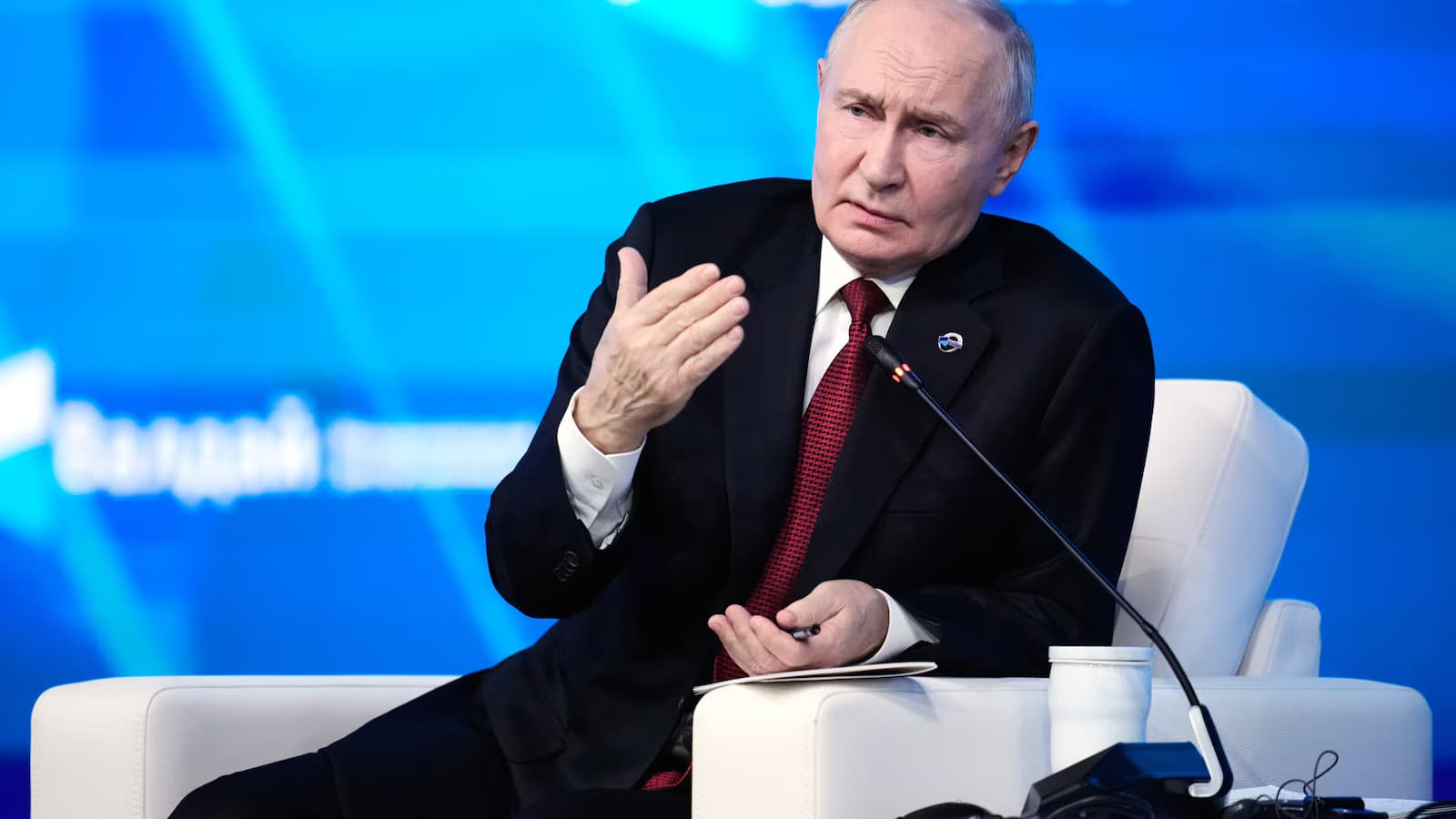
    • President Vladimir Putin warned Western nations that an attack on Russia might lead to the use of all weapons at Russia’s disposal.
    • Emphasized no plans for aggression but a defensive stance on sovereignty, especially concerning the exclave of Kaliningrad.
  2. Kaliningrad Exclave:

    • A unique geopolitical territory, Kaliningrad is isolated from mainland Russia, bordered by NATO countries Poland and Lithuania.
    • It is approximately the size of Connecticut and was formerly known as Königsberg, taken by the Soviet Union after WWII.
    • Became significant in post-Soviet geopolitics after the independence of Baltic states in 1991, with around a million inhabitants today.
  3. Military Infrastructure and Vulnerability:

    • Russia has established military assets in Kaliningrad, including air-defence systems and Iskander missiles, projecting power across the Baltic region.
    • However, it is strategically vulnerable as it relies on a narrow land corridor (Suwałki Gap) for reinforcement, flanked by NATO infrastructure.
  4. NATO Response:

    • NATO has intensified military activities near the Baltic Sea, aimed at strengthening defenses in response to perceived Russian aggressions.
    • The alliance declares its operations as defensive, rejecting accusations of military provocation from Moscow.
    • Key NATO operations include maritime surveillance and the Baltic Sentry initiative aimed at protecting critical infrastructure.
  5. Historical Context and Recent Incidents:

    • Historical sanctions imposed by the EU on Russia, especially following the Ukraine invasion, have led to heightened tensions, as seen in the transit restrictions by Lithuania.
    • Russia's interpretation of such actions as provocations has led to punitive threats against Lithuania, highlighting the delicate balance of military posturing in the region.
  6. Potential for Conflict:

    • Current military engagements in the Baltic region represent a complex scenario with the potential for miscalculations between Russian and NATO forces, given their close proximity.
    • Despite nuclear threats from Moscow, NATO considers the nuclear risk level low, asserting that such posturing is not credible against the alliance’s collective defense capabilities.
  7. International Perspectives:

    • International observers remain skeptical about immediate military confrontations, with NATO officials communicating that any rhetoric from Russia should not be interpreted as an imminent threat.
  8. Conclusion:

    • The situation surrounding Kaliningrad reflects broader tensions between NATO and Russia, with ongoing military activities and historical grievances shaping strategic decisions.
    • Both sides maintain their positions, yet efforts to avoid escalation continue amid a militarized landscape in Eastern Europe.