iAspirants
Current AffairsPrelims PYQsUPSC CSE SyllabusUPSC CSE StrategyBlogsPricing
Login
iAspirants

Your AI-powered companion for UPSC preparation.

Quick Links

  • Home
  • About Us
  • Current Affairs
  • Prelims PYQs
  • UPSC CSE Syllabus
  • UPSC CSE Strategy
  • Blogs

Company

  • Pricing
  • FAQs
  • Contact Us
  • Login

Legal

  • Privacy Policy
  • Terms & Conditions
  • Return Policy

© 2025 iAspirants, Inc. All rights reserved.

  1. Blogs
  2. National and International Importance

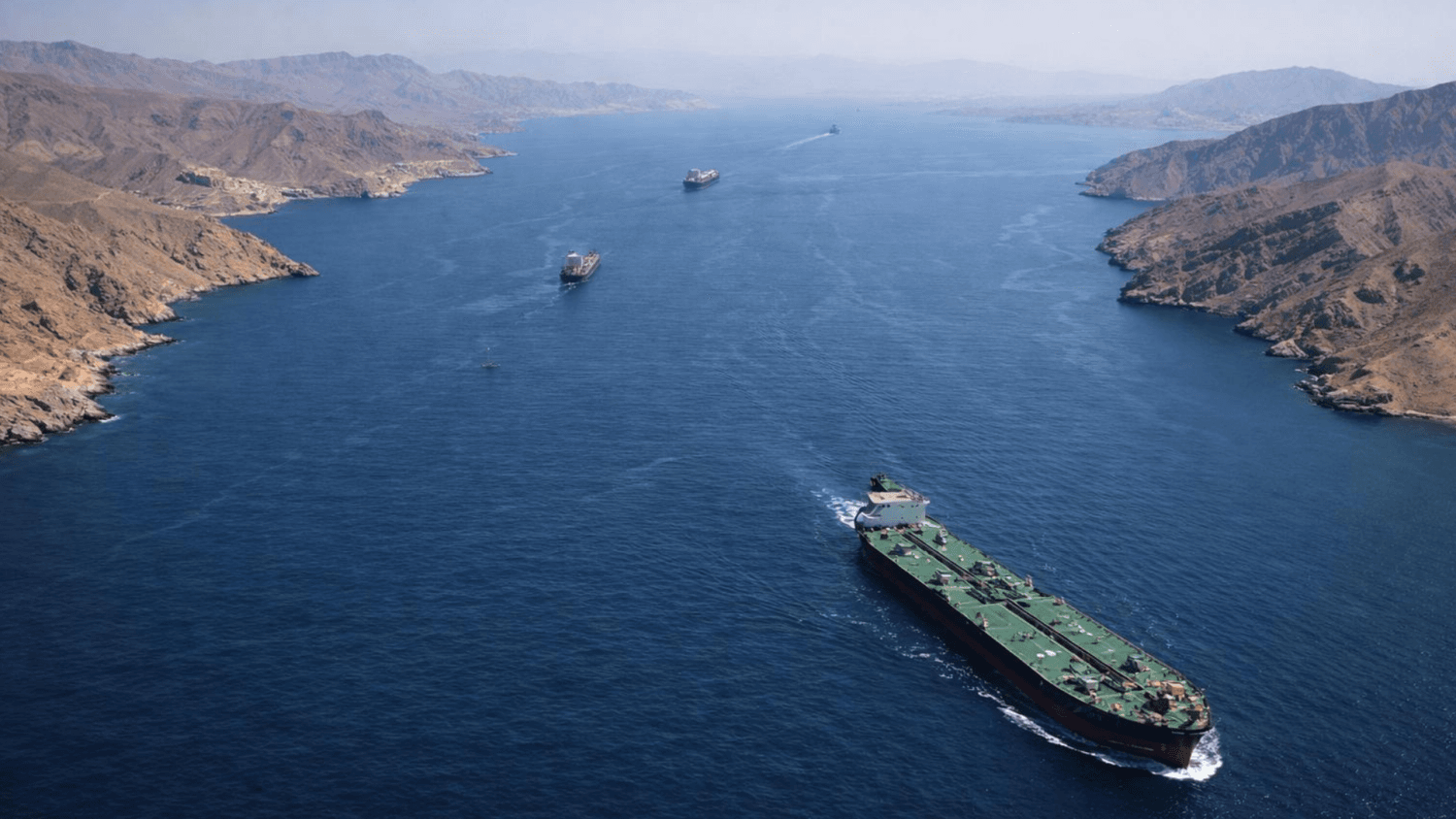
Decreased Vessels in Strait of Hormuz

Published on: 08-Oct-2026

Source: The Hindu

Share this post

Decreased Vessels in Strait of Hormuz

Article Summary

Summary of Key Facts and Data Regarding Strait of Hormuz

Shipping Traffic and Incidents

  • The number of vessels transiting the Strait of Hormuz has dropped to seven on October 6, 2026, the lowest count since July 23, 2026.
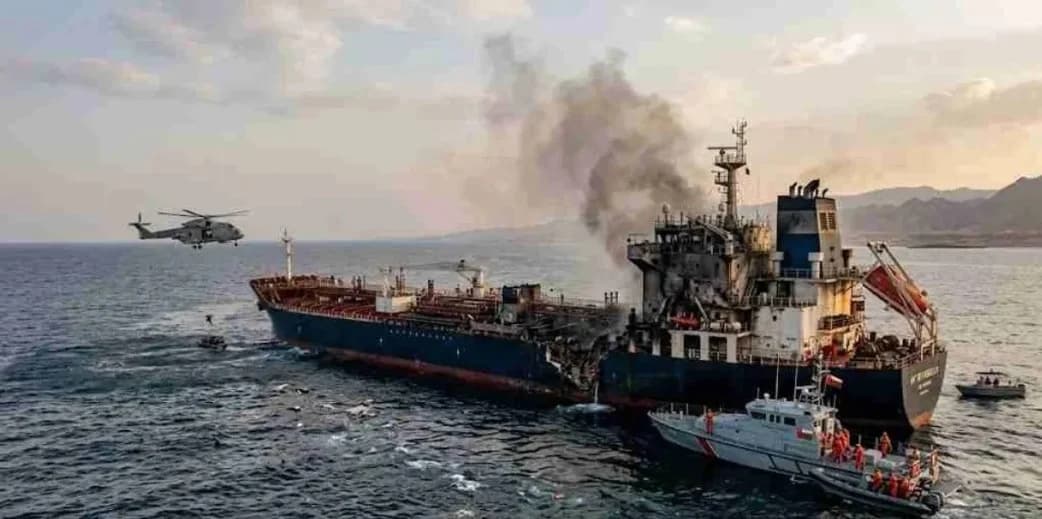
  • A spike in attacks on tankers occurred, reaching the highest weekly totals since the onset of the US-Israeli war with Iran.
  • On October 6, crude oil transportation through the strait fell by 27%, averaging 10.1 million barrels per day, which represents 74% of pre-war levels.
  • Ship-to-ship (STS) transfers in the Gulf of Oman decreased significantly.
  • Vessels entering the strait outnumbered those exiting in the two days prior to October 7, 2026.
  • Maritime security sources reported attacks reached the highest in any week since the Iran war began, with a notable incident involving a tanker struck 51 nautical miles north of Qatar.

Economic Indicators

  • The shipping data indicates that before the Iran war's escalation on February 28, 2026, approximately 125 large commercial vessels traversed the strait daily.
  • These vessels accounted for nearly 20% of global crude oil and liquefied natural gas supplies.

Regional Responses and Adjustments

  • Exports from the Gulf of Oman coast and the Red Sea increased to 6.7 million barrels per day, more than twice the pre-war levels, compensating for reduced activity in the Strait of Hormuz.
  • Overall crude exports from the Middle East have maintained pre-war levels despite disruptions.

Conclusion

The developments in the Strait of Hormuz reflect significant geopolitical and economic dynamics, particularly amidst heightened risks due to maritime attacks linked to the ongoing conflicts involving Iran. The data underscores the strategic importance of this waterway for global oil supplies and the adaptive responses of regional exporters in the wake of rising tensions.

Key Terms & Concepts

Strait of HormuzKey maritime trade route
KplerAnalytics firm providing data
10.1 million barrels per dayCurrent crude oil crossing rate
27%Decrease in crude oil transit
6.7 million barrels per dayGulf of Oman crude export level
125 large commercial vesselsPre-war daily vessel count
United Kingdom Maritime Trade OperationsAgency tracking maritime incidents
Al MafyarLiquefied natural gas tanker
Ras Laffan, QatarLoading port for LNG tanker
October 6, 2026Date of reported statistics

Mind Map for UPSC Civil Services Revision

Turn UPSC Civil Services Current Affairs Into Exam-Ready Notes

Reading National and International Importance current affairs is half the work. Revise them with ready-made notes and test what actually stuck.

  • Daily UPSC Civil Services current affairs analysis
  • Revision notes, mind maps & MCQs
  • Prelims mock tests with instant results

Related UPSC Civil Services Current Affairs Articles

Tanker Attacked Near Qatar Coast
International Relations08-Oct-2026

Tanker Attacked Near Qatar Coast

  • Incident Overview: A tanker off the northern coast of Qatar reported being hit by multiple projectiles, leading to unspecified casualties. The attack occurred approximately 51 nautical miles (94 kilometers) from Qatar’s coast, 500 kilometers (300 miles) from the strategic Strait of Hormuz.

  • Geopolitical Context:

  • The Gulf region remains volatile due to a series of conflicts stemming from U.S. and Israeli military strikes against Iran that began in late February 2026.
  • Iran has reportedly blockaded the Strait of Hormuz and fired upon vessels it considers to be making unauthorized crossings. In retaliation, the United States has established its own counterblockade on Iranian ports and has engaged in military actions against ships purportedly connected to Tehran.
  • Strategic Importance of Strait of Hormuz: The Strait is crucial for global oil and gas transport, with approximately 20% of the world’s oil and liquefied natural gas passage occurring through it prior to the current conflict.

  • International Response: Diplomatic efforts to resolve the war have become stagnant, highlighting the ongoing regional tensions and complexities in international relations concerning resource security and military engagements.

  • U.S. Military Operations: Following retaliatory actions, including bombings of Iranian targets, U.S. efforts continue to focus on the protection of commercial shipping routes, particularly those near the coast of Oman.

  • Current Maritime Security: Despite ongoing skirmishes and threats, some vessels continue to transit through the Strait of Hormuz, albeit under the watchful eye of U.S. military operations aimed at ensuring safety in shipping lanes.

  • Casualties and Investigations: The UK Maritime Trade Operations (UKMTO) agency is investigating the circumstances surrounding the recent attack, although details about the casualties remain unspecified.

  • Broader Implications: The ongoing conflict and maritime incidents in the Gulf not only have significant implications for regional stability but also for the global economy due to the strategic nature of oil and gas transportation through this route.

  • This summary encapsulates critical aspects of the maritime incident and its implications amid the ongoing geopolitical crisis in West Asia.

    Destruction of Illegal Firearms in Tiruvannamalai
    National and International Importance07-Oct-2026

    Destruction of Illegal Firearms in Tiruvannamalai

    Summary of Key Points

    Legislation

    • Wildlife (Protection) Act, 1972: The act underpins the drive to combat illegal hunting and protect wildlife.

    Government Actions

    • Destruction of Illegal Firearms: 125 illegal country-made firearms were destroyed in a public event at the District Collector’s office in Tiruvannamalai.
    • Collector’s Initiative: The initiative to destroy firearms was launched by Collector Vandana Garg.

    Statistics of Firearms Destroyed by Forest Range

    • Nadanur Range: 41 firearms
    • Santhavasal Range: 22 firearms
    • Melpattu Range: 19 firearms
    • Polur Range: 17 firearms
    • Jamunamarathur Range: 15 firearms

    Public Engagement

    • Voluntary Surrender Program: The program encourages tribals living near forests to voluntarily give up illegal firearms, benefiting from general amnesties established in 2016 and 2021.
    • Community Outreach: Forest officials engage with tribal elders and conduct door-to-door awareness programs to promote the voluntary surrender of firearms.

    Cultural Context

    • Historically, tribals possessed these firearms for self-defense against wildlife, theft, and for hunting, as well as for transporting agricultural produce.

    Improved Socio-Economic Conditions

    • The necessity for firearms among tribals has decreased due to:
      • Improved roads
      • Enhanced policing
      • Better transport facilities

    Judicial and Policy Support

    • Continued support from local authorities, including the district police and forest officers, is pivotal in carrying out this initiative and promoting wildlife conservation.

    Conclusion

    The initiative led by the Forest Department in Tiruvannamalai not only aims to protect wildlife but also fosters community cooperation and reduces the prevalence of illegal firearms among tribal populations through awareness and support measures.

    India's Water Management Initiatives Highlighted
    National and International Importance06-Oct-2026

    India's Water Management Initiatives Highlighted

    India International Water Week: Key Highlights

    1. Event Overview:

      • Hosted the ninth edition focused on "climate-resilient water management".
    2. India's Progress:

      • Transitioned from challenges with water access and climate shocks to a proactive stance on managing water resources sustainably.
      • Committed to efficient water use and environmental protection.
    3. Key Government Schemes:

      • Swachh Bharat Mission: Aimed at improving sanitation.
      • Jal Jeevan Mission (JJM): Targets universal access to safe and adequate drinking water.
      • Jal Shakti Abhiyan: A water conservation campaign.
      • Namami Gange: Focused on river rejuvenation for the Ganges.
      • Atal Bhujal Yojana (ABY): Promotes sustainable groundwater management.
      • Per Drop More Crop (PDMC): Enhances water use efficiency in agriculture.
    4. Case Study: "From Gujarat to India: Water Lessons for the World"

      • Chronicles the evolution of water governance reforms from 2001 to 2026.
      • Emphasizes the role of political leadership, public financing, and community engagement in strengthening water security.
    5. Four Key Lessons for Global South:

      • Lead with Governance: Governance is crucial to water security, alongside infrastructure.
      • Integrated Resource Management: Optimize both water resource development and service sustainability.
      • Community Ownership: Effective local governance, such as Pani Samitis, enhances water access.
      • Scalability: Initiatives must be scalable to address global water issues effectively.
    6. "4 Ps" Framework for Water Governance:

      • Political Prioritization: Leadership focused on water access and sustainability.
      • Public/Private Financing: Ensuring funding for governance needs.
      • Partnerships: Collaborations between various government levels and organizations.
      • People’s Participation: Involving communities in local water management.
    7. Economic Data:

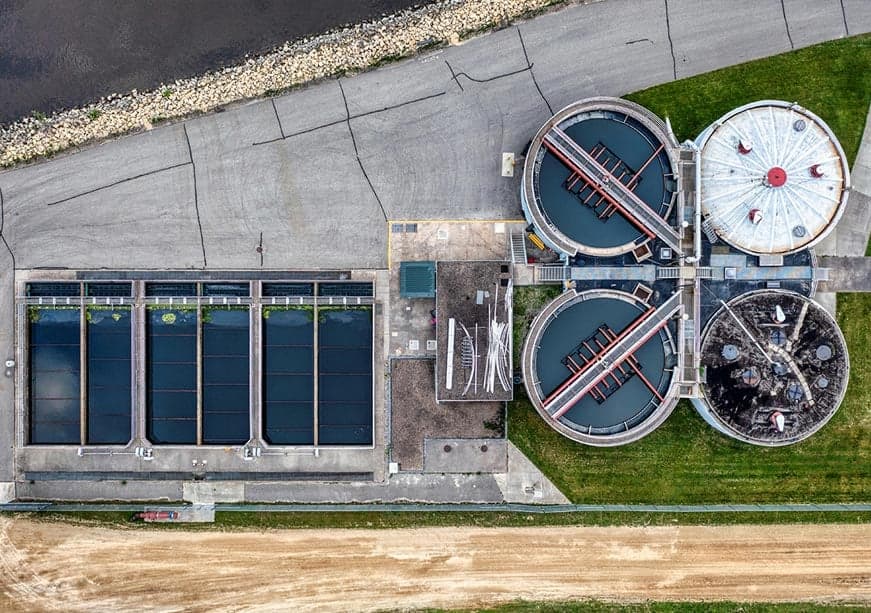
      • Projected annual revenue from treated used water in India to reach Rs 73,000 crore by 2047.
      • Additional $500 billion in annual investment required globally to achieve Sustainable Development Goal (SDG) 6 on water and sanitation by 2030.
    8. Global Context:

      • India’s experience is instructive for other countries facing similar water governance challenges in the Global South.
    9. Environmental Significance:

      • Importance of integrated management of water resources, ecosystems, and used water for sustainable development.
    10. International Engagement:

      • The framework of cooperation was highlighted during the Delhi Declaration in October 2018, emphasizing partnerships for sustainable water management.
    11. Future Directions:

      • Urgent need for a sustainable approach to manage surging water demands due to urbanisation and climate change.
      • Emphasis on the importance of treating used water as a valuable resource.

    By focusing on these elements, India underlines its commitment to addressing water security through innovative governance and sustainable practices in alignment with international standards and agreements.