iAspirants
New Constitutional Language Emerging in India
Published on:
Source: The Hindu
Share this post
Article Summary
Key Points Summary
Constitutional References:
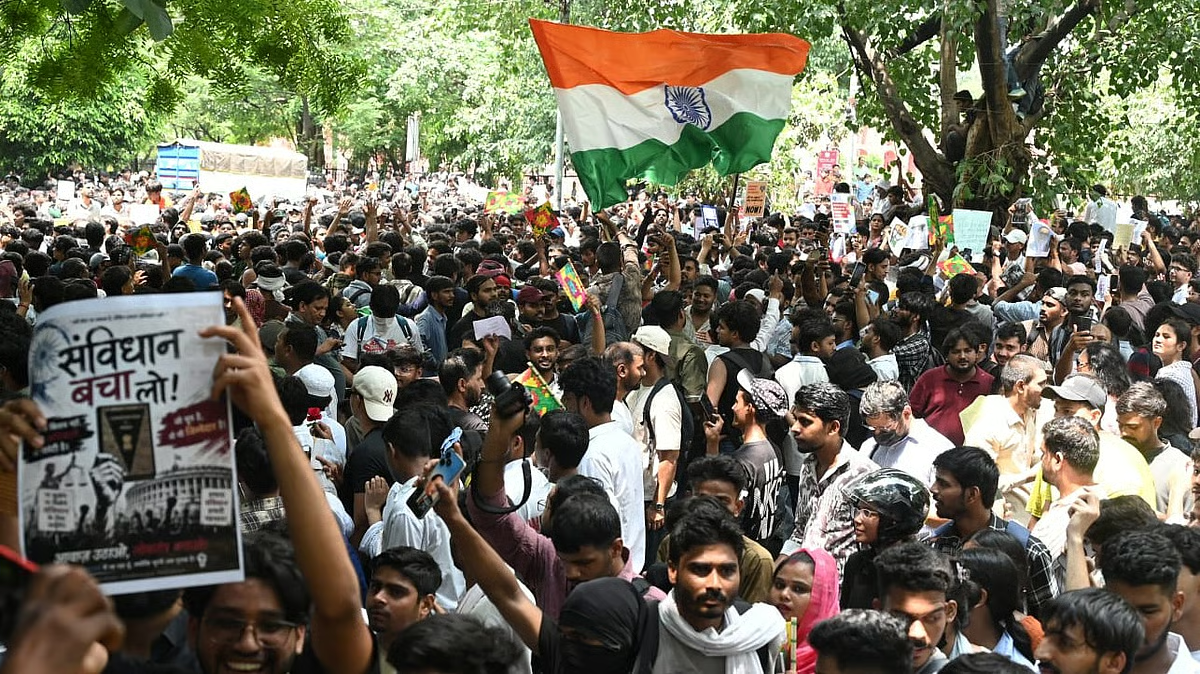
- The protests highlight a "new language of citizenship" and a redefinition of rights under the Constitution, which is viewed as central to citizen identity and public justice.
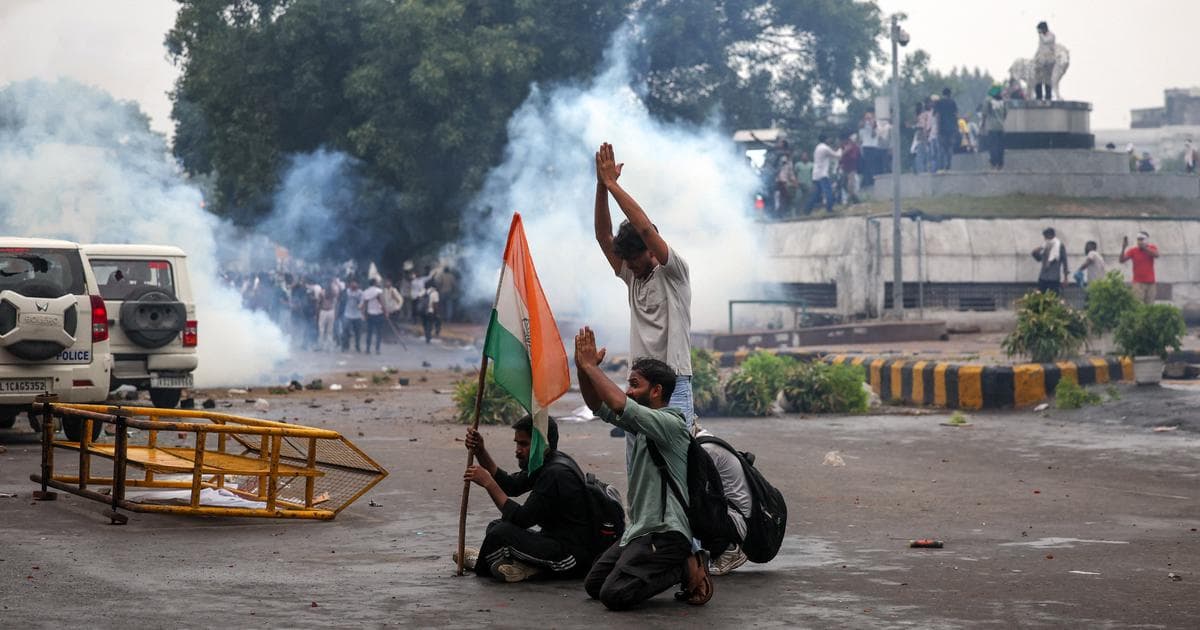
- Emphasis is placed on the right to peaceful protest as a constitutional guarantee, contrasting with the actions of the state under an authoritarian regime.
- The notion of "Constitution-as-commons" stresses that the Constitution belongs to the collective, framing citizenship as a birthright intended to uphold dignity and autonomy.
- The protests reclaim fundamental rights against perceived state overreach, invoking core tenets found in the Preamble of the Constitution, particularly those espoused by Ambedkar.
Legal and Judicial Aspects:
- Judges have been critiqued for their adherence to "judicial discipline," which limits engagement with the legitimate protests against state actions that perpetrators of injustice administer.
- There is a call for recognition of "constitutional jurisprudence from the streets" to bridge the gap between formal legal discourse and public demands for justice.
Public Protests and Civil Resistance:
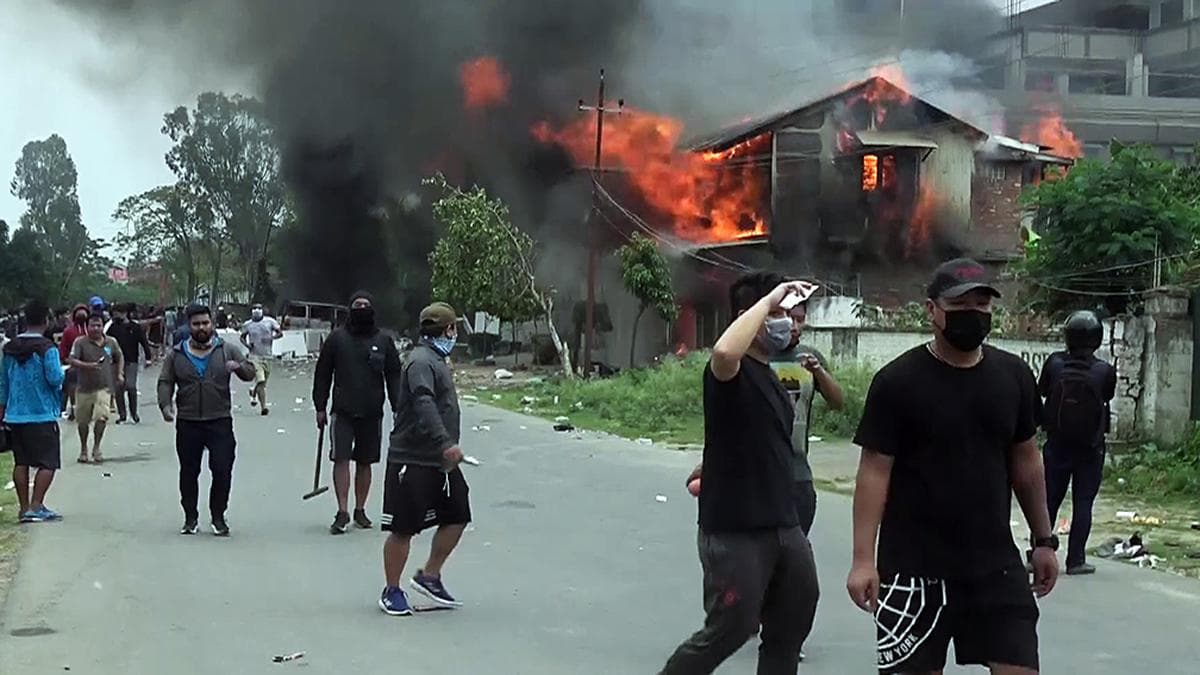
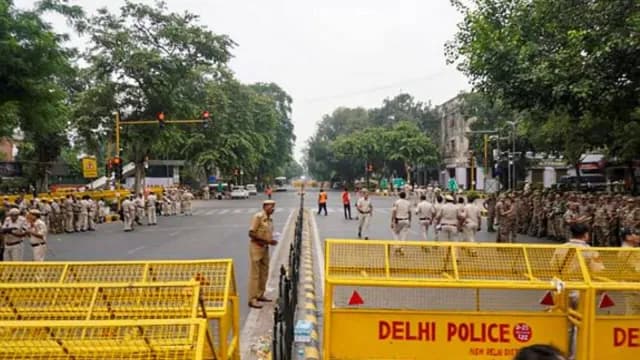
- Protests serve as a significant form of civic resistance against state violence, positioning the streets as the new venue for constitutional engagement.
- Historical references to satyagraha (truth force) highlight India's legacy of nonviolent protest as a means to challenge state power.
Societal Impact:
- The article articulates that current social movements reflect a broader vision for justice, transcending traditional institutional confines and anchoring in popular demands.
- Advocacy for "politics of care" within resistance, emphasizing solidarity and community in opposition to state violence.
Civic Engagement:
- Citizens are labeled as "andolanjeevi" (protesters) in a pejorative sense, suggesting societal stigmatization of those asserting their rights.
- Call for collective understanding of justice and citizenship rooted in active public discourse and community engagement.
Political Context:
- The article highlights a historical turning point where the traditional exercises of power are being actively contested by the populace.
- There is a critique of the political leadership, suggesting that legitimate authority stems from active engagement with public grievances rather than disregard for civic liberties.
Conclusion:
- The article encapsulates a transformative moment in India's socio-political landscape, emphasizing the critical role of public protests in redefining citizenship and constitutional rights, advocating for peaceful and democratic means of protest as a vital aspect of civic responsibility and engagement.
Importance for Examination:
Understanding the intersection of constitutional law, civic rights, and active citizenship is essential for comprehensive analyses of contemporary legal and social movements in India. The discussions around the constitutional framework underscore significant interpretations of laws, the evolving roles of judiciary, and the notion of justice in civil society.
Key Terms & Concepts
| Constitution | Normative framework for citizenship |
| Judicial Discipline | Judicial approach towards lawful protests |
| Satyagraha | Historical nonviolent resistance |
| Andolanjeevi | Criminalisation of citizenship rights |
| Umar Khalid | Prisoner related to protests |
| Sharjeel Imam | Prisoner related to protests |
| Ambedkar’s Preamble | Foundation of constitutional rights |
| Vienna Centre for Advanced Studies | Institution associated with research |