iAspirants
Current AffairsPrelims PYQsUPSC CSE SyllabusUPSC CSE StrategyBlogsPricing
Login
iAspirants

Your AI-powered companion for UPSC preparation.

Quick Links

  • Home
  • About Us
  • Current Affairs
  • Prelims PYQs
  • UPSC CSE Syllabus
  • UPSC CSE Strategy
  • Blogs

Company

  • Pricing
  • FAQs
  • Contact Us
  • Login

Legal

  • Privacy Policy
  • Terms & Conditions
  • Return Policy

© 2025 iAspirants, Inc. All rights reserved.

  1. Blogs
  2. Polity and Governance

Delhi's Political Closure and Protests

Published on: 15-Oct-2026

Source: Indian Express

Share this post
Delhi's Political Closure and Protests

Article Summary

Summary of Key Points on Political Dynamics and Democratic Challenges in India

  1. Context of Protests:

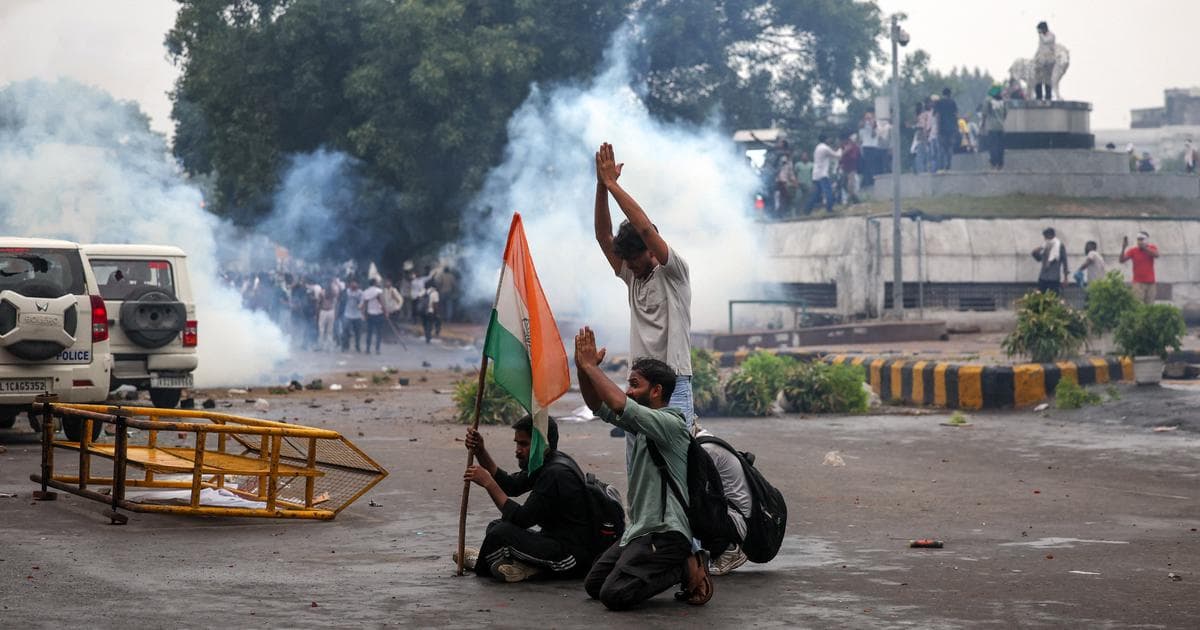
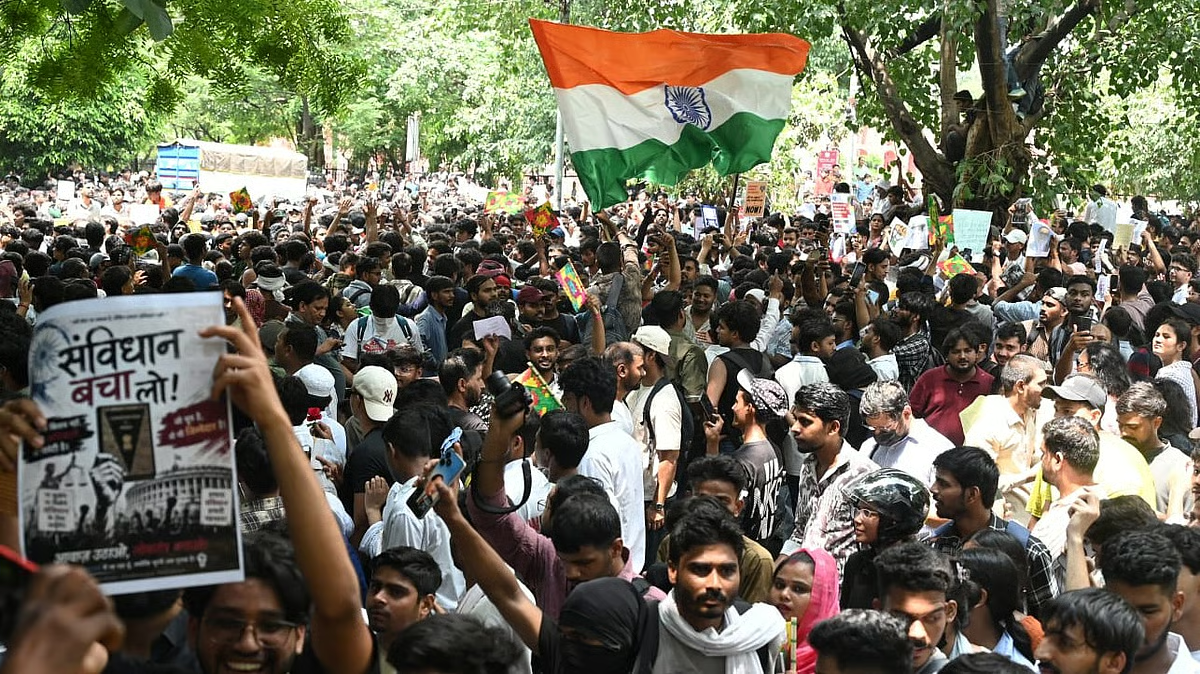
    • Ongoing protests in Delhi against government restrictions, political maneuvering, and disenfranchisement.
    • Opposition parties and the Citizens for Justice and Peace (CJP) demand the resignation of the Chief Election Commissioner due to perceived insensitivity to voter exclusion.
  2. Judicial and Electoral Concerns:

    • Recent Supreme Court judgments are seen as inadequate responses to complaints regarding electoral integrity.
    • Concerns raised about the appointment of Election Commissioners and the ease with which party symbols can be transferred to breakaway factions (case from Maharashtra).
  3. Political Climate:

    • Described as a period of "closure" whereby voices of dissent are stifled, leading to accusations of authoritarianism.
    • Terms like electoral autocracy and competitive authoritarianism are pertinent to this environment of suppression.
  4. Electoral and Judicial Abdication:

    • Negative impact on electoral integrity highlighted by instances of voter deletion, lack of accountability, and diminishing access to democracy.
    • Civil society and media compliance with state power further perpetuates suppression of opposing voices.
  5. Historical Context and Democratic Resilience:

    • The agitations reflect a persistent struggle for democratic rights, with reference to historical figures like Jyotirao Phule advocating for rights since the 19th century.
    • The importance of re-democratization as a recurring theme in Indian democracy, emphasizing the need for citizen involvement and rights.
  6. Future Prospects for Democracy:

    • The juxtaposition of state-enforced closures and grassroots movements suggests a potential for democratic rebirth.
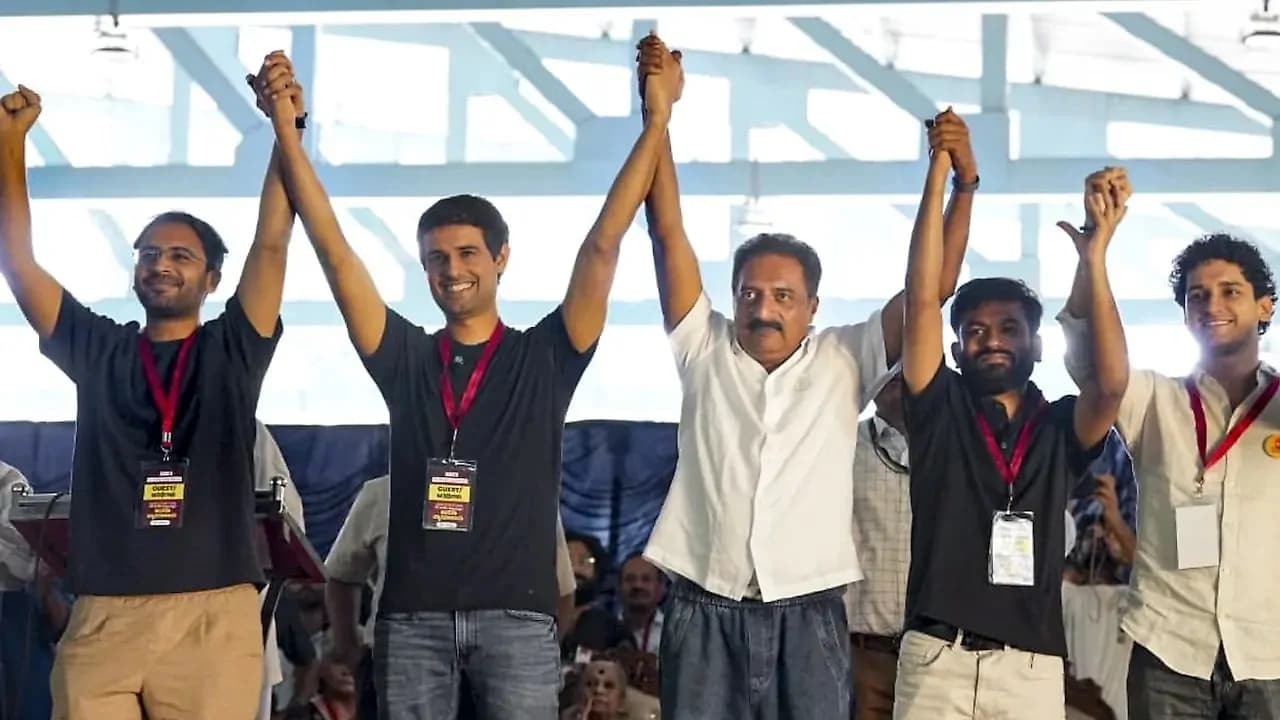
    • Modern movements, including the Bharat Jodo Yatra and recent Jantar Mantar protests, symbolize efforts to resist closure and push for democratic engagement.
  7. Central Themes in Re-Democratization:

    • The inclusion of all citizens and assertion of their rights are highlighted as essential for revitalizing democracy.
    • Urgent issues of social harmony and livelihoods must be integrated into future democratic objectives.
  8. Paradox of Modern Authoritarianism:

    • Acknowledgment that authoritarian regimes rely on electoral wins, but when they fail, institutional allies often retreat.
    • The call for united and imaginative action among mainstream opposition parties to navigate the challenges of re-democratization.
  9. Constitutional References:

    • Implicit mentions of rights enshrined in the Indian Constitution related to the fundamental duties of governance, individual dignity, equality, and fraternity.
  10. Conclusion:

    • The politicization of public sentiment and organizing against closures serves as a pivotal test for India's democratic future.
    • Re-democratization is framed as an ongoing challenge that must be addressed collectively by civil society and political actors to reinvigorate democratic processes in India.

This summary encapsulates the critical issues surrounding India's current political landscape, focusing on democratic integrity, civic engagement, and the pressing need for systemic reform.

Key Terms & Concepts

Jantar MantarSite of protests and activism
Chief Election CommissionerPosition under scrutiny
Supreme CourtJudiciary's role in electoral process
Electoral autocracyTerm for electoral manipulation
Competitive authoritarianismFramework describing political climate
2024 electionsUpcoming political event
Bharat Jodo YatraSignificant political movement
Jyotirao PhuleHistorical figure in rights movement
ConstitutionLegal framework for democracy
Civil societyActors in re-democratisation

Mind Map for UPSC Civil Services Revision

Turn UPSC Civil Services Current Affairs Into Exam-Ready Notes

Reading Polity and Governance current affairs is half the work. Revise them with ready-made notes and test what actually stuck.

  • Daily UPSC Civil Services current affairs analysis
  • Revision notes, mind maps & MCQs
  • Prelims mock tests with instant results

Related UPSC Civil Services Current Affairs Articles

Impact of Protests on Democracy
Polity and Governance15-Oct-2026

Impact of Protests on Democracy

Summary of Key Insights on Peaceful Protests and Their Impact

Constitutional References and Rights

  • Peaceful protest is recognized as a democratic right, allowing citizens to voice grievances and secure remedies for institutional failures.
  • The Constitution implicitly supports this through the under Article 19(1)(a).
Right to Freedom of Speech and Expression

Economic Impact of Protests

  • Recent protests, including those on October 10 by political parties, resulted in the closing of 45 metro stations in Delhi, leading to economic losses:
    • Estimated losses ranged from ₹1 lakh to ₹1.5 lakh per shop for traders.
    • A previous estimate from ASSOCHAM in December 2020 put losses from farmers’ protests at ₹3,000 to ₹3,500 crore per day across several northern states.
  • Disruptions can impose negative externalities, particularly affecting commuters, shopkeepers, and daily wage workers.
  • Evidence suggests that political strikes, like those in Bangladesh, can lead to reduced export activities by up to 6.3 percentage points.

Electoral Dynamics and Political Protests

  • In the 2024 Lok Sabha elections, the NDA secured 43.8% of votes, while the opposition INDIA bloc garnered 41.5%. This reflects significant support for dissenting voices.
  • Political unrest can threaten economic stability, leading governments to adjust policies based on the capacity of groups to mobilize rather than the merits of their claims.
  • Protests related to grievances such as leaked examination papers, or electoral processes, highlight the necessity for fair accountability mechanisms.

Judicial and Institutional Mechanisms

  • Valid grievances should be directed through judicial forums, the Election Commission, and Parliament. Failure of these institutions to address issues enhances the case for peaceful protest.
  • Concerns about electoral integrity, such as allegations of vote tampering, should rely on evidence rather than disruptions.

The Role of Mobilization and Disruption

  • Mobilization around significant public issues like education and job preparedness in the face of AI transformations is necessary, but should balance public benefits against imposed costs.
  • While protests can amplify neglected issues, they must not become tools for coercive bargaining or violence. The principle of non-violence remains crucial.

Political Consequences and Public Perception

  • Historical context shows that disruptive tactics can affect political paradigms, as seen during the freedom movement under colonial rule.
  • Citizens not participating in protests may have varied reasons: supporting the grievance, rejecting its tactics, or financial incapacity to engage.

Conclusion: Balanced Approach to Protests

  • Protests retain legitimacy when they focus on accountability and social justice without undermining democratic processes or causing disproportionate harm to vulnerable populations.
  • The importance of constructive dialogue and electoral expressions cannot be overstated; governance must ultimately reflect the will of the electorate as stipulated in democratic practices.

These summarized insights underscore the complexity of peaceful protests, their broader economic and political implications, and the essential balance between advocacy and maintaining social order.

New Constitutional Language Emerging in India
Polity and Governance15-Oct-2026

New Constitutional Language Emerging in India

Key Points Summary

Constitutional References:

  • The protests highlight a "new language of citizenship" and a redefinition of rights under the Constitution, which is viewed as central to citizen identity and public justice.
  • Emphasis is placed on the right to peaceful protest as a constitutional guarantee, contrasting with the actions of the state under an authoritarian regime.
  • The notion of "Constitution-as-commons" stresses that the Constitution belongs to the collective, framing citizenship as a birthright intended to uphold dignity and autonomy.
  • The protests reclaim fundamental rights against perceived state overreach, invoking core tenets found in the Preamble of the Constitution, particularly those espoused by Ambedkar.

Legal and Judicial Aspects:

  • Judges have been critiqued for their adherence to "judicial discipline," which limits engagement with the legitimate protests against state actions that perpetrators of injustice administer.
  • There is a call for recognition of "constitutional jurisprudence from the streets" to bridge the gap between formal legal discourse and public demands for justice.

Public Protests and Civil Resistance:

  • Protests serve as a significant form of civic resistance against state violence, positioning the streets as the new venue for constitutional engagement.
  • Historical references to satyagraha (truth force) highlight India's legacy of nonviolent protest as a means to challenge state power.

Societal Impact:

  • The article articulates that current social movements reflect a broader vision for justice, transcending traditional institutional confines and anchoring in popular demands.
  • Advocacy for "politics of care" within resistance, emphasizing solidarity and community in opposition to state violence.

Civic Engagement:

  • Citizens are labeled as "andolanjeevi" (protesters) in a pejorative sense, suggesting societal stigmatization of those asserting their rights.
  • Call for collective understanding of justice and citizenship rooted in active public discourse and community engagement.

Political Context:

  • The article highlights a historical turning point where the traditional exercises of power are being actively contested by the populace.
  • There is a critique of the political leadership, suggesting that legitimate authority stems from active engagement with public grievances rather than disregard for civic liberties.

Conclusion:

  • The article encapsulates a transformative moment in India's socio-political landscape, emphasizing the critical role of public protests in redefining citizenship and constitutional rights, advocating for peaceful and democratic means of protest as a vital aspect of civic responsibility and engagement.

Importance for Examination:

Understanding the intersection of constitutional law, civic rights, and active citizenship is essential for comprehensive analyses of contemporary legal and social movements in India. The discussions around the constitutional framework underscore significant interpretations of laws, the evolving roles of judiciary, and the notion of justice in civil society.

Ongoing Violence in Manipur's Districts
Polity and Governance14-Oct-2026

Ongoing Violence in Manipur's Districts

Exam-Focused Notes on Manipur's Violence and Governance Issues:

Background:

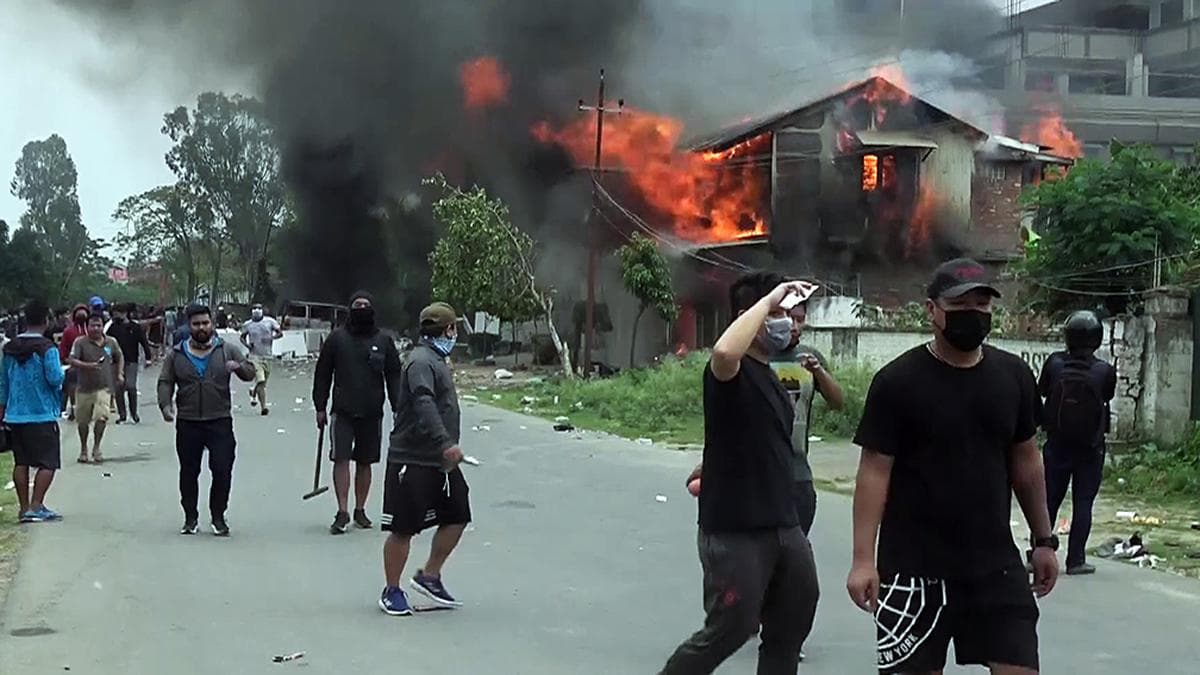
  • Ongoing ethnic violence in Manipur affecting Kuki and Naga communities.
  • Recent clashes have resulted in at least nine fatalities reported on October 9.
  • Violence spans three hill districts: Kamjong, Kangpokpi, and Senapati.

Constitutional and Government Context:

  • The state government was dissolved in February 2025; President's Rule was imposed.
  • An attempt was made to stabilize the situation under the current Chief Minister Yumnam Khemchand Singh.
  • Appointment of a Kuki and a Naga deputy chief minister aimed to enhance political representation, signaling hopes for peace.

Historical Conflict:

  • The Kuki-Naga conflict has roots dating back to the 1990s, with a resurgence of violence since May 2023.
  • Deep-seated societal divisions persist despite government interventions.

Current Governance Challenges:

  • Fragile calm in the region with no significant progress towards conflict resolution.
  • Civilian population suffers due to ongoing violence and blockades affecting essential supply access.

Government Response and Initiatives:

  • Prime Minister Narendra Modi emphasized remedying the conflict, offering assistance to the state government.
  • In August 2025, CM Singh issued a 15-day ultimatum for the voluntary surrender of illegal firearms, which have proliferated during unrest.
  • Previous appeals from Governor Ajay Kumar Bhalla for the disarmament have failed to achieve substantial compliance, indicating a need for decisive action.

Demilitarization and Dialogue:

  • Urgent need to disarm armed groups and hold perpetrators of violence accountable.
  • Establishing conditions for dialogue and reconciliation is critical; restoring free movement and safety for communities is necessary for long-term peace.

Conclusion:

  • The state’s capacity to manage ethnic conflicts and restore normalcy hinges on effective governance, disarmament of illegal arms, and fostering constructive community dialogue.
Delhi Protests and Preventive Detention Explained
Polity and Governance13-Oct-2026

Delhi Protests and Preventive Detention Explained

Summary of Key Points

Context of Protests and Government Response

  • Protests in Delhi: Over 5,000 protesters were detained while demanding the resignation of Chief Election Commissioner Gyanesh Kumar and the rollback of the SIR (Specific Incident Report).
  • Crackdown on Protesters: Significant preemptive action by the Delhi Police included detaining political leaders, former Chief Ministers, lawyers, journalists, students, and activists even before protests initiated.
  • Supreme Court Ruling: On October 11, 2026, the Supreme Court directed the Delhi Police to allow free movement of people, subject to law and order requirements.

Legal Framework on Preventive Detention

  • Definition: Preventive detention involves detaining a person without trial to prevent future offences.
  • Applicable Laws:
    • National Security Act, 1980 (NSA): Authorizes detention if it’s determined to pose threats to national security or public order.
    • Code of Criminal Procedure, 1973 (Sections under BNSS): Empower officials to issue urgent orders for maintaining public order and preventing immediate harms.

Judicial Oversight and Constitutional Safeguards

  • Judicial Review: Preventive detention orders can be challenged and are subject to judicial review under Article 226/227 of the Constitution and Section 401 of BNSS.
  • Supreme Court Precedents:
    • Babulal Parate v. State of Maharashtra (1961): Established that preventive powers must not be exercised arbitrarily and should be for genuine emergencies.
    • Maneka Gandhi v. Union of India (1978): Highlighted that restrictions on personal liberty must be just, fair, and reasonable.
    • Khudiram Das v. State of West Bengal (1975): Emphasized necessity of communicating grounds of detention for accountability and transparency.

Constitutional Provisions Relevant to Detention

  • Article 14: Asserts equality before the law.
  • Article 19: Secures fundamental freedoms including speech and assembly.
  • Article 21: Guarantees the right to life and personal liberty.
  • Article 22: Offers specific safeguards against arbitrary detention:
    • 22(4): Prohibits detention beyond three months without review by an Advisory Board.
    • 22(5): Ensures detainees are informed of the grounds for their detention and provided a chance to contest it.

Court's Directives Regarding Recent Protests

  • The Supreme Court instructed that:
    • Metro and rail services should operate normally.
    • Barricades must be reviewed and should not obstruct lawful movement.
    • Job performance of lawyers and journalists should not be hindered.
    • Compliance report is required by October 13, 2026, regarding detentions, including details on restrictions.

Historical Context of Preventive Detention in India

  • Colonial Roots: The framework for preventive detention evolved from colonial laws like the Rowlatt Act (1919).
  • Post-Independence Laws: Including the Preventive Detention Act, 1950, and the Maintenance of Internal Security Act (MISA), which were expanded and later repealed.
  • Contemporary Acts: The NSA and amendments to the Unlawful Activities (Prevention) Act (UAPA) have shaped current preventive detention laws.

Concerns and Future Implications

  • Continuing judicial scrutiny and the evolving interpretation of personal liberty indicate a delicate balance between national security and fundamental rights.
  • The recent Supreme Court rulings underline an increasing concern over potential misuse of preventive detention powers and the importance of preserving constitutional safeguards in the face of state security measures.

Key Points for Examination

  • Critical Examination of Preventive Detention: Understanding its legal basis, historical evolution, and judicial pronouncements.
  • Constitutional Articles: Familiarity with Articles 14, 19, 21, and 22 in context of rights vs. state powers.
  • Judicial Precedents: Recognition of landmark cases that shaped the interpretation of preventive detention.
Delhi's Struggle for Democratic Spaces
Polity and Governance13-Oct-2026

Delhi's Struggle for Democratic Spaces

Summary of Key Points:

  1. Democratic Concerns and Electoral Process:

    • The recent protests in Delhi reflect broader concerns regarding electoral integrity and suppression of dissent, raising questions about the current political climate in India.
    • Issues such as bans on protests and exclusion from electoral processes suggest a shift towards authoritarianism, labeled as “electoral autocracy” and “competitive authoritarianism.”
  2. Judicial and Legislative Responses:

    • There is a growing demand for the removal of the Chief Election Commissioner due to perceived inadequacies in addressing complaints about disenfranchisement.
    • The Supreme Court's responses to claims regarding the integrity of the election process have led to criticisms of judicial abdication in promoting electoral fairness.
  3. Closure Dynamics:

    • The term “closure” indicates a systematic suppression of dissenting voices and the discouragement of public protests, compromising democratic norms.
    • Instances of voter disenfranchisement, manipulation of electoral rolls, and insufficient responses to mala fide applications for voter deletions are part of these closures.
  • Role of Civil Society and Protests:

    • Recent protests, including the Jantar Mantar protests and the Bharat Jodo Yatra, signify various movements toward challenging the closures enforced by the current administration and highlight the public's desire for democratic expression.
  • Historical Context and Re-Democratisation:

    • The framework of re-democratisation can draw inspiration from historical movements within India’s democratic journey, focusing on rights discussions initiated by figures like Jyotirao Phule in the 19th century.
    • The Constitution provides a foundational legal structure that emphasizes equality, dignity, and the importance of political participation, which must be revitalized.
  • Future Prospects:

    • Central themes for re-democratisation include citizen inclusion and assertion, emphasizing the role of an active civil society in restoring democratic values.
    • The need for imagination and collaboration among opposition parties is critical for navigating the path toward a more democratic society, and addressing contemporary issues like social harmony and economic livelihoods must also be prioritized.
  • Constitutional Articles and Rights:

    • India's Constitution serves as the backbone of democratic governance, emphasizing political equality and active citizenship, which are currently challenged by systemic closures.
  • Public Sentiment and Engagement:

    • There is a palpable tension between government-imposed closures and public aspirations for democratic engagement, suggesting potential for significant political shifts if collective action is taken to address these issues.
  • Political Landscape:

    • The current political environment is characterized by limited space for opposition voices and a reactive nature of civil society movements, which may evolve in response to ongoing closures.
  • Conclusion: The ongoing political situation in India necessitates a critical examination of the forces that threaten democratic imperatives. Engaging civil society and revitalizing constitutional principles are vital in the ongoing pursuit of a more inclusive and representative political order.