iAspirants
Impact of Protests on Democracy
Published on:
Source: Indian Express
Share this post
Article Summary
Summary of Key Insights on Peaceful Protests and Their Impact
Constitutional References and Rights
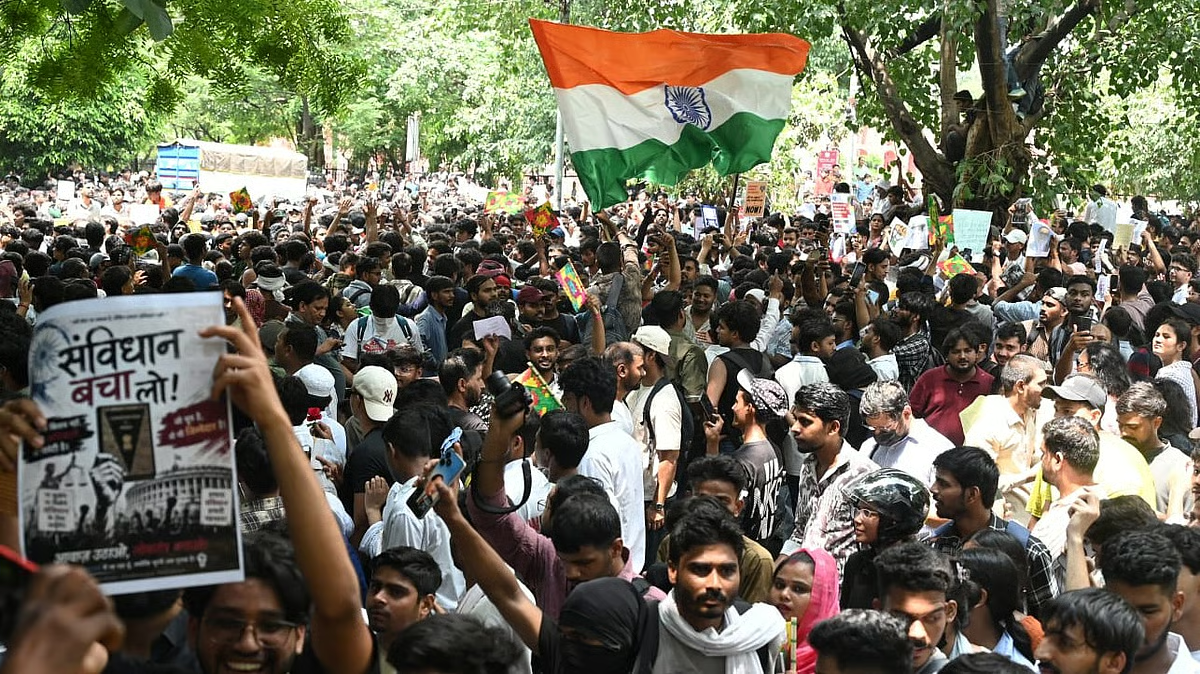
- Peaceful protest is recognized as a democratic right, allowing citizens to voice grievances and secure remedies for institutional failures.
- The Constitution implicitly supports this through the Right to Freedom of Speech and Expression under Article 19(1)(a).
Economic Impact of Protests
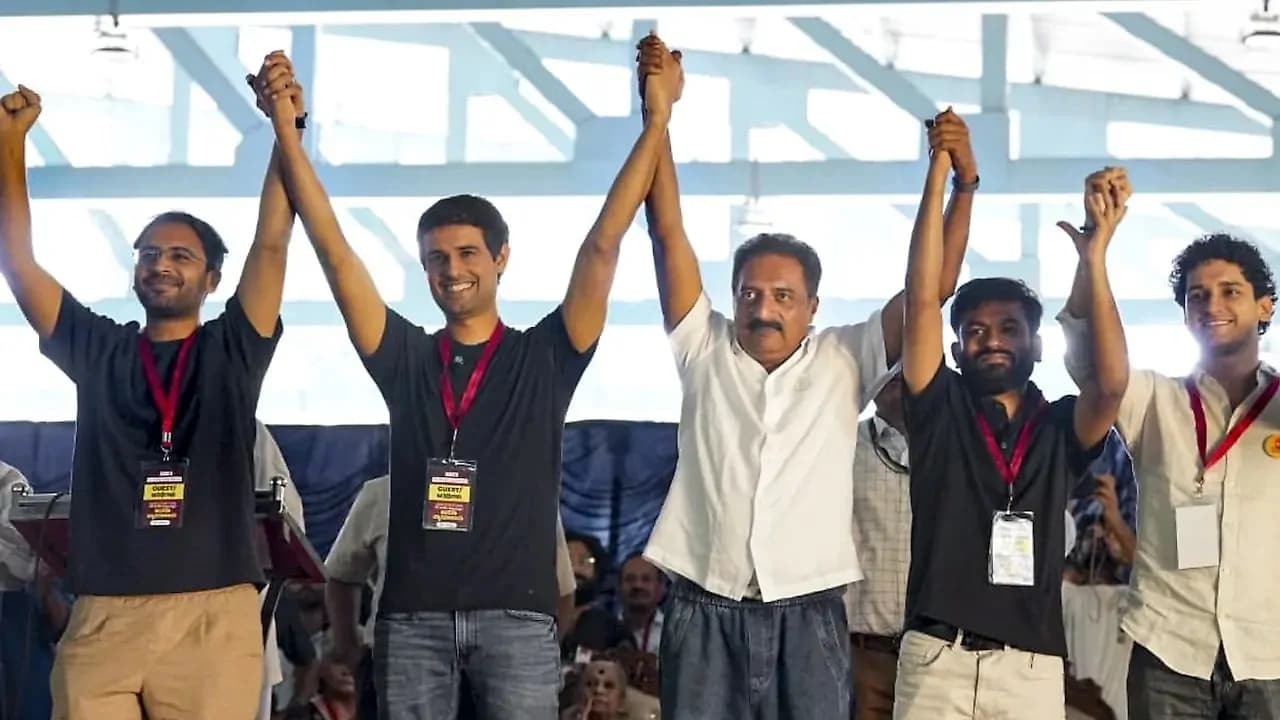
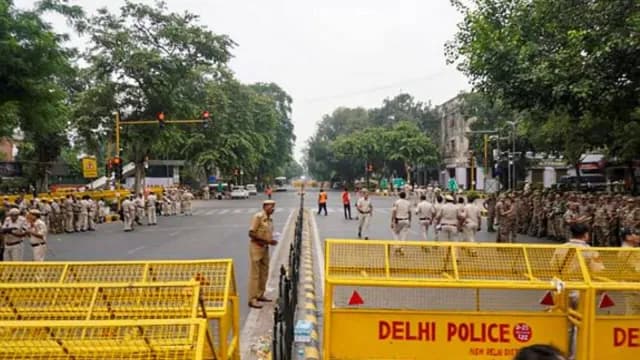
- Recent protests, including those on October 10 by political parties, resulted in the closing of 45 metro stations in Delhi, leading to economic losses:
- Estimated losses ranged from ₹1 lakh to ₹1.5 lakh per shop for traders.
- A previous estimate from ASSOCHAM in December 2020 put losses from farmers’ protests at ₹3,000 to ₹3,500 crore per day across several northern states.
- Disruptions can impose negative externalities, particularly affecting commuters, shopkeepers, and daily wage workers.
- Evidence suggests that political strikes, like those in Bangladesh, can lead to reduced export activities by up to 6.3 percentage points.
Electoral Dynamics and Political Protests
- In the 2024 Lok Sabha elections, the NDA secured 43.8% of votes, while the opposition INDIA bloc garnered 41.5%. This reflects significant support for dissenting voices.
- Political unrest can threaten economic stability, leading governments to adjust policies based on the capacity of groups to mobilize rather than the merits of their claims.
- Protests related to grievances such as leaked examination papers, or electoral processes, highlight the necessity for fair accountability mechanisms.
Judicial and Institutional Mechanisms
- Valid grievances should be directed through judicial forums, the Election Commission, and Parliament. Failure of these institutions to address issues enhances the case for peaceful protest.
- Concerns about electoral integrity, such as allegations of vote tampering, should rely on evidence rather than disruptions.
The Role of Mobilization and Disruption
- Mobilization around significant public issues like education and job preparedness in the face of AI transformations is necessary, but should balance public benefits against imposed costs.
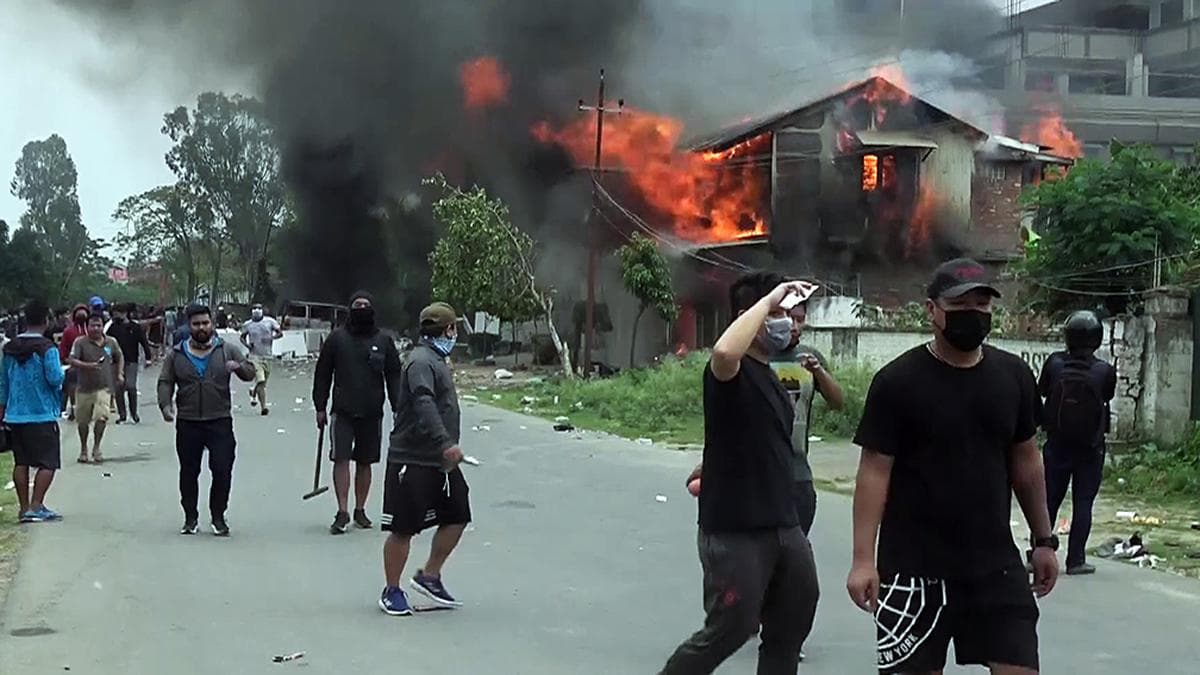
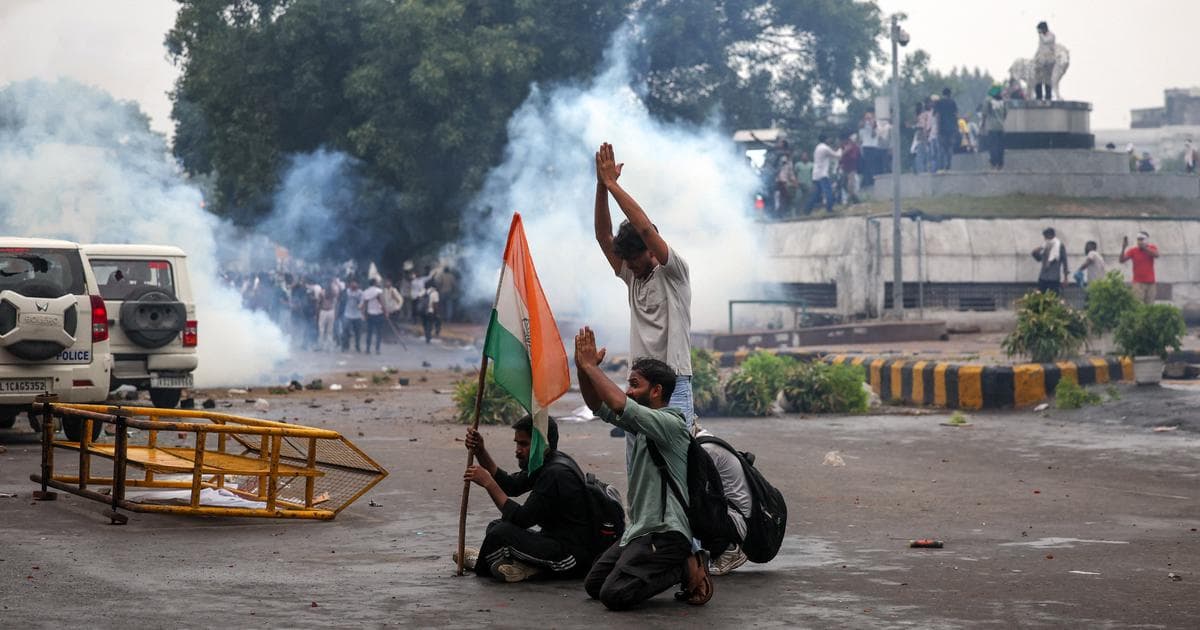
- While protests can amplify neglected issues, they must not become tools for coercive bargaining or violence. The principle of non-violence remains crucial.
Political Consequences and Public Perception
- Historical context shows that disruptive tactics can affect political paradigms, as seen during the freedom movement under colonial rule.
- Citizens not participating in protests may have varied reasons: supporting the grievance, rejecting its tactics, or financial incapacity to engage.
Conclusion: Balanced Approach to Protests
- Protests retain legitimacy when they focus on accountability and social justice without undermining democratic processes or causing disproportionate harm to vulnerable populations.
- The importance of constructive dialogue and electoral expressions cannot be overstated; governance must ultimately reflect the will of the electorate as stipulated in democratic practices.
These summarized insights underscore the complexity of peaceful protests, their broader economic and political implications, and the essential balance between advocacy and maintaining social order.
Key Terms & Concepts
| Delhi Metro | Shutdown of 45 stations |
| Khan Market Traders Association | Economic loss estimate |
| Rs 3,000 to 3,500 crore | Loss from farmers' agitation |
| Lok Sabha election 2024 | Vote percentage for NDA and INDIA |
| 303 Lok Sabha seats | Seats won by BJP in 2019 |
| 240 seats | Seats won by BJP in 2024 |
| Albert Hirschman | Described exit and voice concepts |
| Civil Disobedience Movement | Historical reference to protests |
| Chauri Chaura incident | Gandhi's suspension of non-cooperation |