iAspirants
National Animal Disease Control Program
Published on:
Share this post
Article Summary
National Animal Disease Control Programme (NADCP) Overview
Initiation and Objectives:
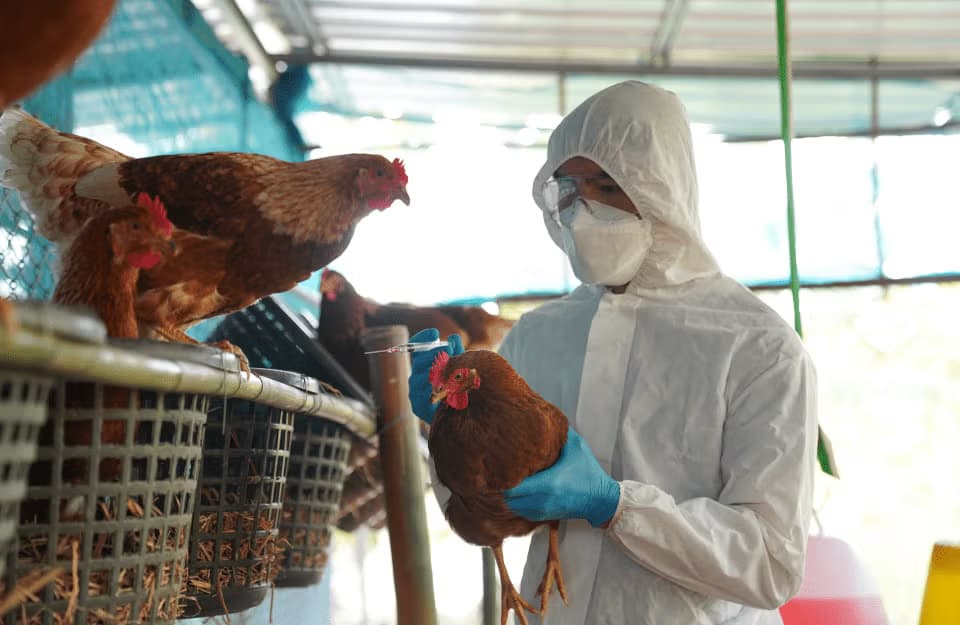
- Launched in 2019 to combat Foot and Mouth Disease (FMD) and Brucellosis in livestock.
- Aims for nationwide vaccination and monitoring.
Vaccination and Impact:
- 147.16 crore FMD vaccines administered, benefiting 8.04 crore farmers.
- FMD cases dropped from 132 in 2019 to 40 in 2025.
- Brucellosis cases decreased from 22 in 2019 to 15 in 2025.
Immunity and Disease Control:
- NSP antibody presence reduced from 20.8% in 2019 to 8.1% in 2025.
- No reported cases of FMD from serotype Asia-1 in the last three years.
- Comprehensive veterinary infrastructure and digital data support.
Livestock Statistics:
- Total livestock population (2019): 535.78 crore, with 302.79 crore bovines.
- Significant economic implications due to infectious diseases affecting milk production and trade.
Vaccination Strategy:
- Annual vaccination target: 100% of all animals against FMD.
- Brucellosis vaccination for heifers aged 4-8 months once in a lifetime.
Financial and Operational Aspects
Budget:
- For FY 2026-27, total budget allocation for NADCP: ₹2,010 crore.
Operational Mechanisms:
- 4,019 mobile veterinary units (MVUs) providing services to farmers.
- Over 39 crore animals registered on the India Livestock Portal.
Technological Integration:
- Use of AI-enabled analytics and real-time monitoring for data-driven decision-making.
Scientific and Health Insights
Disease Control Outcomes:
- Average protective immunity post-vaccination for FMD serotypes O, A, and Asia-1: 78.1%, 71.7%, and 77.6% respectively.
- Brucellosis vaccination success rates: 75.63% in calves and 67.17% in buffaloes.
Economic Impact:
- Milk production increased from 146.31 million tons in 2014-15 to 247.87 million tons in 2024-25, a 69.4% increase.
- Livestock productivity improvements:
- Indigenous cattle productivity increased by 44.89%.
- Buffalo productivity increased by 25.80%.
Future Directions
Sustainability and Preparedness:
- Strengthening animal health systems through the Pandemic Fund Project (2024) with $25 million in collaboration with ADB and World Bank.
- Focus on genomic and environmental monitoring, enhancing laboratory infrastructure.
Policy Framework:
- Development of Standard Veterinary Treatment Guidelines and Crisis Management Plan for disease outbreak preparedness.
One Health Approach:
- Integration of human, animal, and environmental health to mitigate zoonotic diseases and promote antimicrobial stewardship.
Conclusion
The NADCP stands as a pivotal initiative in enhancing livestock health and productivity in India, contributing significantly to food security, farmer prosperity, and pandemic preparedness. Continuous investment in animal health is essential as India progresses towards becoming a developed nation by 2047.
Key Terms & Concepts
| National Animal Disease Control Program (NADCP) | Animal health management initiative |
| FMD (Foot and Mouth Disease) | Controlled through vaccination |
| Brucellosis | Vaccination to control disease |
| 2019 | Year of program initiation |
| 147.16 crore | Vaccines administered for FMD |
| 8.04 crore | Farmers benefited from vaccination |
| 2025 | Projected year for disease reduction |
| 40 | FMD cases projected for 2025 |
| 2,010 crore INR | Budget for NADCP 2026-27 |
| 39.00 crore | Cattle registered on portal |
| G20 Pandemic Fund | Supports pandemic preparedness |
| AI-enabled analytics | Future disease monitoring tool |
| 2026 |