iAspirants
Tata Group Conflict Requires Resolution
Published on:
Source: Indian Express
Share this post
Article Summary
Key Points on Tata Group Dispute and Government Response
Government Involvement:
- Finance Minister Nirmala Sitharaman emphasizes the need for an amicable resolution within the Tata Group without government intervention, reflecting a hands-off approach amid tensions among trustees.
Significance of Tata Group:
- The Tata Group is described as a "critical component" of the Indian economy, highlighting its substantial impact and legacy, which includes a history of corporate responsibility.
Conflict Details:
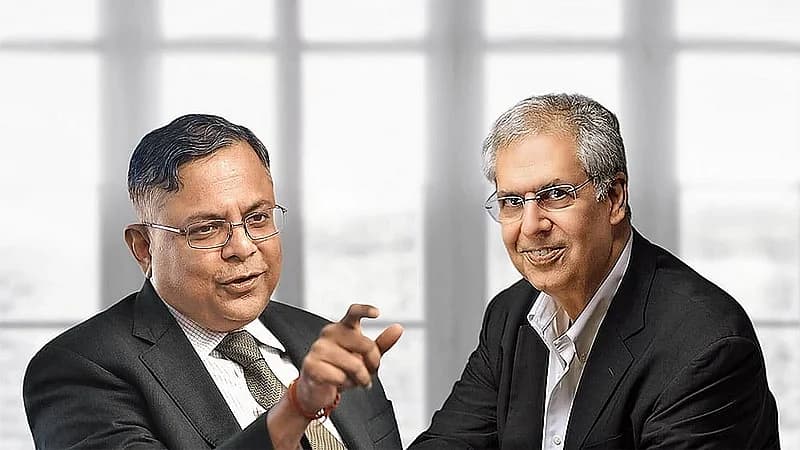
- Internal disputes are primarily between Tata Trusts and Tata Sons regarding governance, ownership rights, and potential listing of Tata Sons on stock exchanges.
- Tata Trusts hold approximately 66% of Tata Sons, while the Shapoorji Pallonji Group holds around 18.4%, creating a conflict over the direction and operations of Tata Sons.
Key Issues:
- There is disagreement on whether Tata Sons should be publicly listed, which would necessitate greater regulatory compliance and public scrutiny.
- The conflict has raised concerns about corporate governance and the role of trustees in decision-making.
Regulatory Context:
- The Reserve Bank of India's (RBI) classification of Tata Sons as an upper-layer non-banking financial company (NBFC) has shaped the current regulatory obligations and listing debates, which also include historical debts repaid by Tata Sons.
Judicial and Administrative Involvement:
- Trustees Venu Srinivasan and Vijay Singh are seeking inquiries from the Maharashtra Charity Commissioner regarding the administration of Tata Trusts, indicating possible governance issues within the trusts.
- Previous trustee Mehli Mistry's involvement has also introduced allegations of conflicts of interest and governance discrepancies.
Upcoming Meetings and Decisions:
- A key board meeting scheduled for November 26, 2026, will potentially address the restructuring proposals and clarify the ownership dynamics, alongside pressures from the Shapoorji Pallonji Group.
Historical Context:
- The Tata Group’s legacy dates back nearly 150 years with a distinct focus on social development, which is now challenged by the prospect of public listing and its implications for corporate operations.
Broader Implications:
- Sitharaman's discourse underscores the importance of internal resolution mechanisms to protect Tata Group's institutional legacy and public trust, emphasizing that internal disputes should not morph into prolonged public confrontations.
Corporate Governance and Responsibility:
- The Tata Group’s ongoing internal issues raise essential questions regarding corporate governance, decision-making authority, and the maintenance of legacy values amid modern business practices.
This situation encapsulates critical challenges at the intersection of corporate governance, economic development, and regulatory compliance in India's industrial landscape.
Key Terms & Concepts
| Tata Group | Critical component of Indian economy |
| Nirmala Sitharaman | Finance Minister addressing dispute |
| Tata Sons | Holding company of Tata Group |
| Tata Trusts | Owners of 66% of Tata Sons |
| Shapoorji Pallonji Group | Holds 18.4% of Tata Sons |
| Reserve Bank of India (RBI) | Regulatory authority involved |
| September 17 board meeting | Meeting questioning governance issues |
| Sir Dorabji Tata Trust | Administered by Tata Trusts |
| Rs 20,000 crore | Debt repaid by Tata Sons |
| November 26 board meeting | Next significant meeting scheduled |