iAspirants
Current AffairsPrelims PYQsUPSC CSE SyllabusUPSC CSE StrategyBlogsPricing
Login
iAspirants
Current AffairsPrelims PYQsUPSC CSE SyllabusUPSC CSE StrategyBlogsPricingContact UsLoginSignUp
iAspirants

Your AI-powered companion for UPSC preparation.

Study Resources

  • Current Affairs
  • Prelims PYQs
  • UPSC CSE Syllabus
  • UPSC CSE Strategy
  • Blogs

Practice & Plans

  • Mains Answer Evaluation
  • Pricing
  • Sign Up
  • Login

Company

  • Home
  • About Us
  • Contact Us
  • FAQs

Legal

  • Privacy Policy
  • Terms & Conditions
  • Return Policy

© 2026 iAspirants, Inc. All rights reserved.

  1. Blogs
  2. Economic and Social Development

GST Council Implements Trade Facilitation Measures

Published on: 01-Nov-2026

Source: Indian Express

Share this post
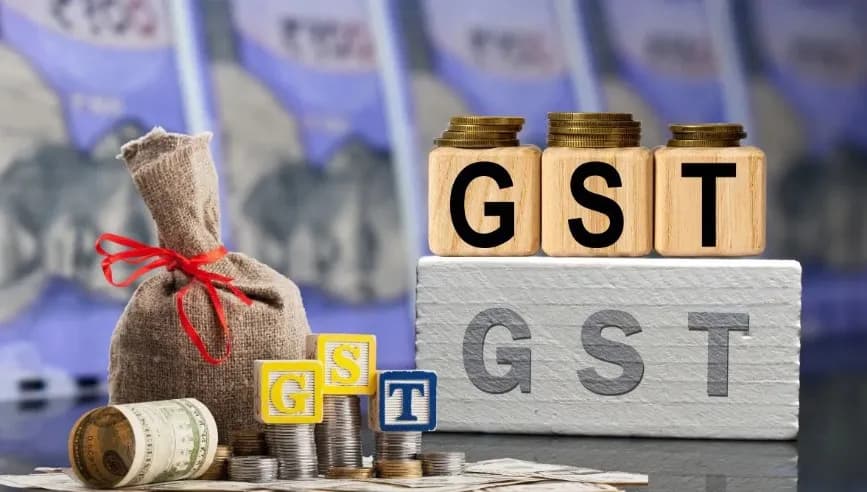
GST Council Implements Trade Facilitation Measures

Article Summary

Summary of Trade Facilitation Measures and GST Reforms

Date: 30 October 2026

Key Points:

  1. Central Board of Indirect Taxes and Customs (CBIC) Directives:

    • The CBIC has directed its field formations to halt all arrests related to GST enforcement.
    • The directive initiates implementation of GST Council recommendations ahead of legislative amendments set to take effect on April 1, 2027.
  2. Recommendations and Amendments:

    • The recommendation to withdraw arrest powers arises from the 57th GST Council meeting.
    • Requires amendments to the CGST Act, 2017, particularly the omission of Section 69, which grants arrest powers to tax officers.
    • New procedures for e-way bill inspections will require amendments to both the CGST and respective state GST laws.
    • A minimum threshold of Rs 10,000 for issuance of show-cause notices is now mandated.
  3. Purpose of Reforms:

    • Aimed at easing the compliance burden on taxpayers, promoting a “trust-based” approach rather than punitive measures.
    • Decision driven by concern over the lack of legal backing for the current enforcement practices and to reduce unpredictability in tax compliance.
    • Intended to decrease "low-value litigation" for minor tax infractions.
  4. E-way Bill Inspection Guidelines:

    • Only officers with specific intelligence, authorized by a Joint Commissioner or higher, can intercept vehicles carrying goods.
    • No interception of conveyances will take place without documented reasons indicating contravention of the CGST Act.
    • If neither the supplier nor recipient is registered within the officer's jurisdiction, any actions taken must be communicated to the appropriate jurisdictional officer post-interception.
  5. Show-Cause Notices:

    • Notices will not be issued for amounts below Rs 10,000 across various GST provisions (CGST, SGST, IGST, UTGST, and cess).
    • This aims to minimize the compliance burden on smaller taxpayers and streamline the resolution of tax disputes.
  6. Implementation Oversight:

    • Principal Chief Commissioners and Chief Commissioners are tasked with supervising the implementation of these reforms and reporting any challenges to the CBIC.

Context and Implications:

  • These reforms align with ongoing efforts to enhance the ease of doing business in India and reflect a shift towards more taxpayer-friendly policies.
  • Highlight the government's commitment to reforming indirect tax administration in response to legal and operational feedback from stakeholders.

Economic Indicators:

  • The focus on reducing compliance costs and litigation aligns with broader economic goals of improving fiscal health and efficiency within the tax framework.

International Context:

  • These reforms echo global trends in taxation, emphasizing not just revenue collection but also taxpayer rights and administrative simplicity.

Conclusion:

This significant shift in GST enforcement reflects the government's strategic adherence to international best practices in tax administration while addressing domestic legal concerns and the operational challenges faced by businesses.

Key Terms & Concepts

Central Board of Indirect Taxes and Customs (CBIC)Issued trade facilitation instructions
GST CouncilRecommended amendments to GST laws
CGST Act, 2017Amendments required for new measures
Section 69 of CGST ActProvides arrest powers to tax officers
Rs 10,000 thresholdMinimum for issuing show-cause notices
October 8, 2026Date for GST Council meeting
April 1, 2027Proposed date for legislative amendments
e-way bill inspectionsNew procedures for vehicle checks
Compliance cost reductionAim of new GST measures

Mind Map for UPSC Civil Services Revision

Turn UPSC Civil Services Current Affairs Into Exam-Ready Notes

Reading Economic and Social Development current affairs is half the work. Revise them with ready-made notes and test what actually stuck.

  • Daily UPSC Civil Services current affairs analysis
  • Revision notes, mind maps & MCQs
  • Prelims mock tests with instant results

Related UPSC Civil Services Current Affairs Articles

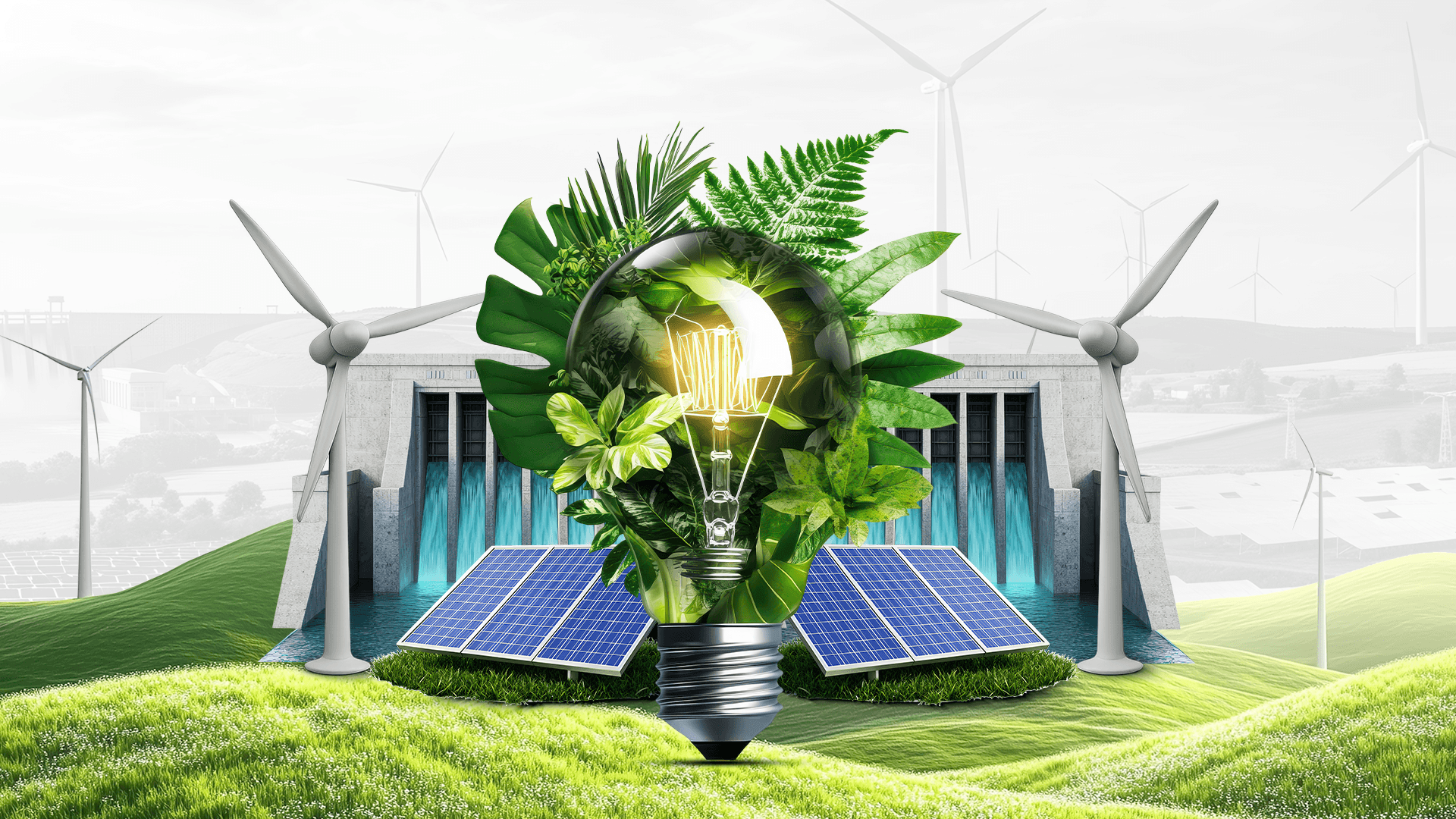
India's Ambitious Renewable Energy Goals
Economic and Social Development03-Nov-2026

India's Ambitious Renewable Energy Goals

Summary of Key Points on India's Renewable Energy Initiatives

Targets & Achievements

  • 500 GW Non-Fossil Fuel Target: India aims to add 500 gigawatts (GW) of new non-fossil fuel capacity over the next 10-11 years, as stated by Prime Minister Narendra Modi at the Bharat Renewable Energy Summit & Expo 2026.
Practise Mains answer writingUpload a handwritten answer and get it evaluated
  • Current Capacity: India has achieved nearly 300 GW of installed non-fossil fuel capacity, which constitutes about 55.1% of its total power generation capacity (558.89 GW).
  • International Commitments

    • Paris Agreement: India had committed to meeting half of its installed power capacity from non-fossil sources, successfully achieving this in 2025, five years ahead of schedule.

    Economic Impact

    • Investment Trends: Over $164 billion has been invested in India’s renewable energy sector over the past decade, with additional investments of around $63 billion since the RE-INVEST Summit in 2024.
    • Future Opportunities: It is estimated that by 2030, investment opportunities worth over Rs 20 lakh crore (approximately $220 billion) will be available in the renewable energy sector.
    • Crisis Management: Modi highlighted that investments in renewable energy have helped India manage the economic impact of global crises effectively, including the COVID-19 pandemic and the West Asia crisis.

    Green Energy Initiatives

    • National Green Hydrogen Mission: India is advancing with a mission to produce 50 lakh tonnes (5 million tonnes) of green hydrogen by the end of the decade.
    • Innovations in Transport: The country recently launched its first green hydrogen train, indicating a shift towards utilizing green hydrogen in transportation.

    Constitutional and Policy Frameworks

    • The efforts align with the Directive Principles of State Policy (DPSP) in Article 48A of the Indian Constitution, which mandates the state to protect and improve the environment and safeguard forests and wildlife.

    Overall Significance

    • Modi emphasized that energy security is directly linked to economic security and highlighted the importance of transitioning towards clean energy. He noted that reliance on fossil fuels poses risks due to limited reserves and potential global disruptions, contrasting this with the unlimited potential of renewable energy.

    This summary encapsulates India's current efforts, future targets, and the significant role of renewable energy in fostering economic resilience and security, along with its alignment with constitutional mandates.

    India's Shift Towards Electrification Strategy
    Economic and Social Development03-Nov-2026

    India's Shift Towards Electrification Strategy

    Summary of Key Points

    Economic Indicators:

    • India imports about 60% of its LPG, with 90% of shipments passing through the Strait of Hormuz.
    • The NITI Aayog report forecasts that India's fuel import bill could drop from about 4% of GDP to 0.2% by 2070 through increased electrification.
    • In 2025, India became the world's fourth-largest producer of clean electricity.
    • Bureau of Energy Efficiency (BEE) programs saved 53.6 million tonnes of oil equivalent in 2023-24.

    Government Policies and Schemes:

    • Shift towards electrification viewed as a component of economic security and strategy.
    • Focus areas include industrial heat transition and kitchen electrification, which currently rely heavily on coal, oil, and gas.
    • BEE's standards and labeling program for energy-efficient appliances has been successful and could be adapted for heat pumps and induction cooktops.

    Judicial and Regulatory Updates:

    • The government deferred mandatory star labeling for induction cooktops until January 2027 to maintain supply during the LPG shortage.

    International Context:

    • Electrification could aid Indian exporters in complying with international carbon border adjustments, such as the EU's CBAM (Carbon Border Adjustment Mechanism).

    Science and Technology Updates:

    • Opportunity to utilize heat pumps for industrial needs; they can deliver 2.5 to 4 times more heat than traditional electric boilers.
    • Current usage of electric energy in Indian industries is low—around 25%, compared to 50% in China.

    Transition Challenges:

    • High initial costs and slow return on investment for heat pumps are barriers for adoption in Indian industries.
    • Over 90% of heat pumps in India are imported, contributing to vulnerability to supply shocks.

    Market Dynamics:

    • Confidence issues surround energy efficiency claims, as manufacturers use varying standards.
    • Development of Indian-specific standards and a star labeling system for heat pumps is underway to enhance consumer trust.

    Conclusion

    The shift toward electrification in India offers a pathway to reduced fuel dependency and improved energy efficiency in industries and households. The BEE's initiatives and regulatory developments are key to facilitating this transition, supporting both economic growth and environmental objectives.

    India's Decline in Extreme Poverty Statistics
    Economic and Social Development01-Nov-2026

    India's Decline in Extreme Poverty Statistics

    Summary Notes on Poverty and Economic Indicators in India

    Key Statistics and Data

    1. Extreme Poverty Rate:

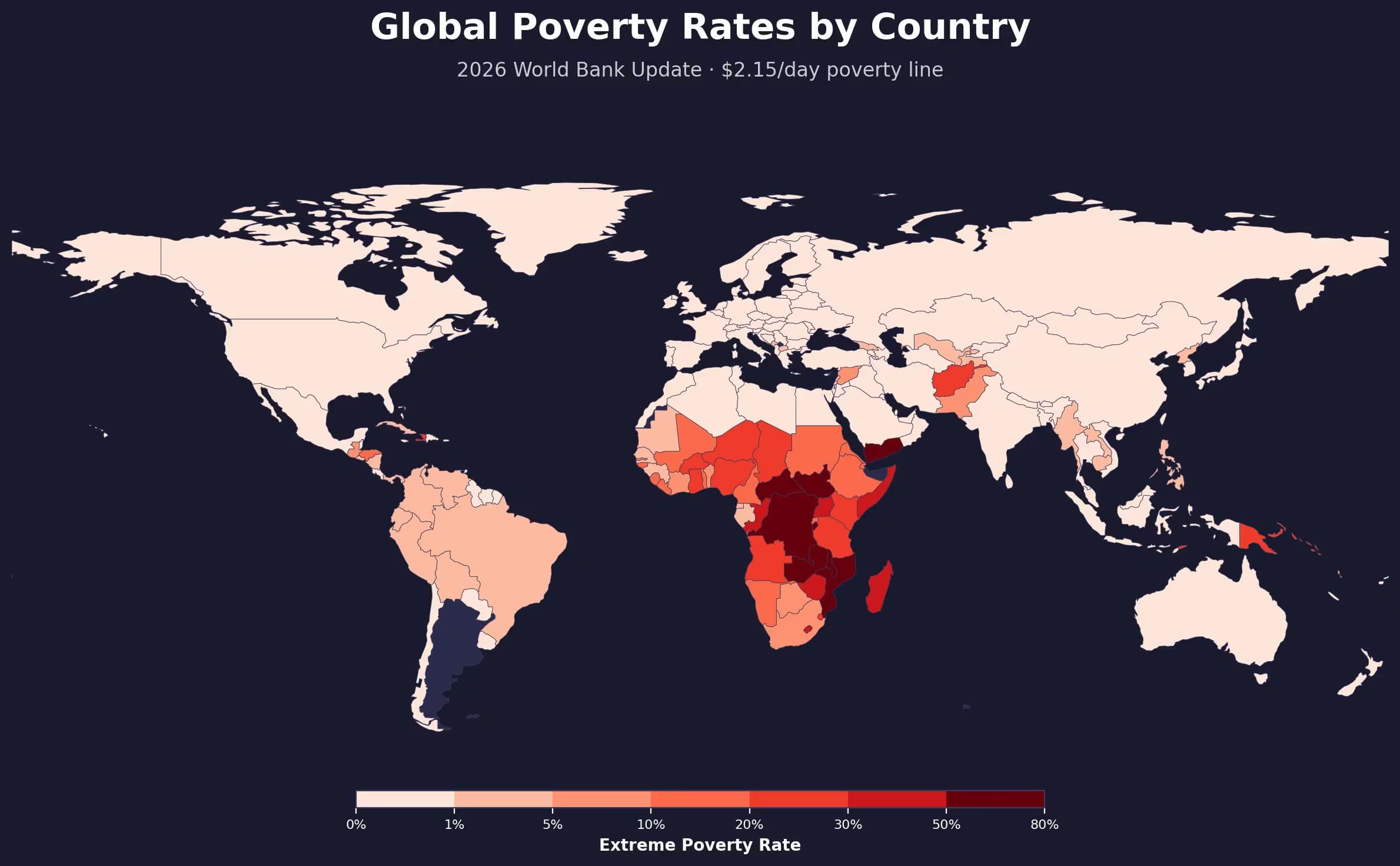
      • 2023: 2.6% of the population lives below the $3-per-day line (2021 PPP).
      • Comparison: Decreased from 27.1% in 2011 and 5.3% in 2022-23, indicating significant progress.
      • Geographical Concentration: 57% of poor reside in a belt from Uttar Pradesh to West Bengal.
    2. Income Disparity:

      • Median earnings of the top 10% are approximately 13 times those of the bottom 10%.
      • Gini Index: 2023 value is 23.0, down from 28.8 in 2011-12 and 25.5 in 2022-23 (indicating reduced income inequality).
    3. Population Below Poverty Lines:

      • $4.2 per day (Lower Middle-Income): 16.1% of the population (estimated 496 million people lifted out of poverty since 2011).
      • Rural vs Urban Poverty Rates:
        • Urban: 8.6%
        • Rural: 19.3%
      • Gender Disparity: Male poverty rate at 15.7% and female at 16.6%.
    4. Employment Trends:

      • Employment grew by 13.4 crore from 2017 to 2023, nearly double the working-age population increase.
      • Drivers: Entry of rural women into the workforce.
      • Youth Unemployment: Increased from 14.6% in Q1 2025-26 to 15.9% in Q1 2026-27.
    5. Future Projections:

      • 2026 estimated poverty rate at 14.2% per $4.2 per day line, projected to decline to 12.1% by 2028.

    Government Policies and Constitutional Context

    • Government’s Role: Finance Minister Nirmala Sitharaman credits government policies for tangible results in poverty reduction and economic opportunities.
    • Aim for Development: The government targets to transform India into a developed nation by 2047, aligning with the goals set out in the Constitution of India and Directive Principles of State Policy (DPSPs) focused on reducing inequality.

    Economic Indicators

    • Purchasing Power Parity (PPP): Utilizes $3/day threshold for extreme poverty, with a conversion rate indicating that $1 in the US has a purchasing equivalent of ~Rs 57.4 in India.
    • Comparison of Goods Prices: Different cost structures (e.g., a Starbucks coffee costs $5.85 in the US but Rs 336 in India).

    International Context and Surveys

    • The poverty estimates are based on recent household consumption expenditure surveys conducted in 2011-12, 2022-23, and 2023-24.
    • The World Bank is responsible for global poverty estimates; they revised poverty numbers significantly after integrating new survey data from India.

    Summary of Poverty Lines:

    • Below $3 per day: 7.5 crore
    • Below $4.2 per day: 34 crore
    • Below $8.3 per day: 115 crore

    This data and analysis indicate a substantial reduction in poverty in India, attributed to various governmental policies and socio-economic changes. Continued efforts in employment generation and equitable resource distribution are essential for further progress.

    China's Demographic Trends and Leisure
    Economic and Social Development29-Oct-2026

    China's Demographic Trends and Leisure

    • Economic Context: John Maynard Keynes, in his 1930 essay “Economic Possibilities for Our Grandchildren,” forecasted a future where work would reduce to a mere 15 hours a week due to advancements in productivity. This expectation contrasts sharply with contemporary society, where substantial pressure to succeed and constant personal branding prevail.

    • Chinese Demographics: Current demographic issues in China include historically low marriage and birth rates. These trends reflect larger socio-economic challenges rather than a complete rejection of ambition among the youth.

    • Cultural Shifts: The notion of “rest” has altered, with societal competitiveness extending even to leisure activities. Individuals feel compelled to enhance their experiences through social media validation (e.g., #happyfeet) or measurable achievements (e.g., improving cardiovascular fitness).

    • Trends in Personal Ambition: Instead of entirely abandoning ambition, young adults are re-evaluating the costs associated with traditional adulthood—such as expensive weddings and long-term child-raising—leading to alternative lifestyle choices that appear less burdensome, exemplified by the metaphor of caring for a 'brick'.

    • Sociological Implications: This shift may indicate a collective search for ways to find joy without adhering to societal pressures to continuously prove oneself. The engagement with simpler, less demanding interests suggests a desire for reprieve from the pressures of modern expectations.

    • Overall Analysis: The evolution of personal ambition and societal expectations can be viewed through the lens of an economic and cultural landscape that has failed to anticipate the weight of real-life responsibilities juxtaposed against a backdrop of technological advancement and social media influence.

    India's Economic Growth Challenges Ahead
    Economic and Social Development29-Oct-2026

    India's Economic Growth Challenges Ahead

    Economic and Employment Overview

    1. Income Classification:

      • Five countries (Jordan, Micronesia, Philippines, Sri Lanka, Vietnam) upgraded to upper-middle income status as per World Bank.
      • Vietnam transitioned from lower-middle income in 2009 to upper-middle income in 2016 (16 years).
      • India entered lower-middle income status in 2007 but remains there (19 years later), indicating a stagnation in economic growth.
    2. Growth Projection:

      • If India’s income grows at 8.5% (compared to the past decade's 5.4%), it could achieve upper-middle income status in approximately six years.
    3. Labour Market Dynamics:

      • India's labour force increased by over 100 million in less than a decade.
      • Unemployment rates decreased while job quality remains a concern; many jobs are informal with low productivity.
      • Women account for two-thirds of the labour force increase, primarily in agriculture, where 43% of the total labour force is employed.
    Racism and Protests in France
    National and International Importance29-Oct-2026

    Racism and Protests in France

    Key Facts and Summary Notes:

    Violence and Crime:

    • Date: October 23
    • Location: Trappes and La Verrière, immigrant townships near Paris, France.
    • Incident: Kevin T, a White Frenchman, shot Pengo Bossio Wang, a Black martial arts amateur, killing him, and critically injuring a 12-year-old North African girl, along with three others.
    • Observations: The violence followed tensions rooted in a high-school protest sparked by issues such as poor school conditions and reform demands.

    High-School Protests:

    • Causes: Protests by French high schoolers began due to:
      • Deteriorating school infrastructure.
      • Teacher shortages.
      • Overcrowded classrooms.
      • The selection system "Parcoursup", which sorts students early in life.
    • Response from Government: Silence, failing to address underlying issues.

    Escalation and Response:

    • Protest Dynamics: The protests began peacefully with school blockades and took a violent turn due to police repression.
    • Student Arrests: Thousands of students aged 14-18 were arrested as clashes escalated.

    Manufacturing and Employment:

    • Registered factories in India doubled from 130,000 (2004-05) to 260,000 (2024-25).
    • However, formal employment in manufacturing hasn't increased; more jobs have been created in the gig economy.
    • Capital-intensive production and increased profits have led to higher inequality and slower wage growth.
  • Infrastructure Investment:

    • Significant government expenditure on upgrading infrastructure (highways, airports, ports) has been made.
    • Despite this, the transition to increased private investment has not occurred; companies are prioritizing shareholder returns over expansion.
  • Renewable Energy Challenges

    1. Energy Production:
      • Rapid expansion of renewable energy sources, particularly solar power.
      • Surplus solar output during high demand periods has highlighted inadequacies in transmission infrastructure.
      • Dependable electricity supply is crucial for manufacturing, technology sectors, and data centers.

    Wealth and Economic Implications

    1. Millionaires Statistics:
      • India has 940,000 dollar millionaires, ranking alongside Switzerland and Spain, with projections to reach 1 million by next year.
      • This shift reflects higher consumption of premium goods and increased foreign exchange demand.
      • The expansion in affluent demographics outpaces the growth of a broad middle class, necessitating a focus on pathways to high-value job creation.

    Conclusion and Recommendations

    • India requires strategies to elevate its workforce from low- to high-value employment.
    • Emphasis on manufacturing that provides scalable job opportunities and competition in global markets is crucial.
    • Continued public infrastructure investments are needed to support private sector growth and create a favorable economic environment conducive to prosperity.
  • Major Protest: On October 17, an estimated 800,000 people, including trade unions and students, participated in "cost of living" protests which ended in violence attributed to external "les casseurs" groups.
  • Political and Social Commentary:

    • President Emmanuel Macron referred to the shooting and subsequent violence as a “turning point” in French history.
    • The results: Apart from the tragic loss of life and injuries, mass unrest incurred significant damage to heritage and property and raised concerns about societal divisions.

    Responsibility and Media Role:

    • Blame Allocation: Various political factions debated responsibility:
      • Far-left: Criticized police for mismanagement and inadequate action against looters.
      • Far-right: Insulting rhetoric directed at immigrants, calling them “suburban riff-raff” and “Allah’s revolutionaries,” which fueled racist sentiments and violence.
    • Media’s Role: Highlighted the responsibility of media in perpetuating division and hate through sensationalism.

    Government Response:

    • Outcomes: After weeks of protests and violence, the French government, led by President Macron, ultimately acknowledged some student demands.
    • Economic Impact: The cost of the unrest ran into billions of euros in damages and arrests, leading to calls for policy and systemic reform.

    Historical Context:

    • The protests are reminiscent of pivotal historical movements in France such as the French Revolution of 1789 and the May 1968 protests, reflecting deep-rooted themes of social justice and civil rights.

    Conclusion:

    This crisis underscores the precarious balance between youth activism, governmental accountability, and societal divisions in contemporary France. It raises vital questions about freedom of expression, media influence, and the role of law enforcement in civil unrest contexts.