iAspirants
Lepchas of Sikkim Begin Land Survey
Published on:
Share this post
Article Summary
Key Facts and Notes on Lepcha Community and Land Reforms in Sikkim
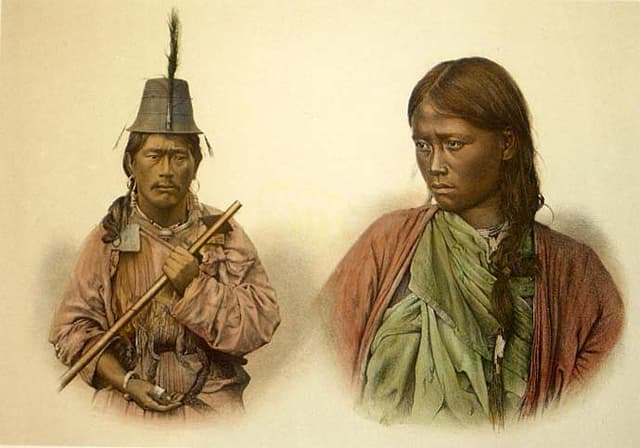
Demographics: The Lepcha community constitutes approximately 15% of Sikkim's total population.
Geographical Context: The Lepchas primarily inhabit Dzongu, located in North Sikkim, which is characterized by its remote location and limited connectivity to the rest of the state.
Land Reforms: A detailed land survey has commenced in Dzongu. This initiative is significant for the effective implementation of land reforms aimed at addressing the historical exploitation of the Lepcha community by the former royal family.
Lack of Land Rights: Historically, the Lepchas have lacked proper records of their land rights, leading to ongoing issues of exploitation and marginalization.
Economic Activities: The community traditionally engages in agriculture, with cardamom being a primary produce. Economic challenges persist, with many families struggling to manage their finances, often spending earnings primarily on basic sustenance.
Cultural Practices: There is a noted cultural aspect where community elders have recently advocated for changes in traditional practices, particularly concerning marriage expenses.
Historical Context: The Lepchas have faced historical socio-economic challenges, with limited recognition and support leading to an impoverished lifestyle.
Government Schemes: While specific government schemes are not mentioned in the article, the initiation of land surveys signals a potential alignment with broader government policies aimed at land reform and support for indigenous communities.
Community Engagement: Recent community meetings reflect a growing awareness and desire for change among the Lepchas, indicating a shift towards more proactive community engagement in socio-economic reforms.
Implications and Importance
Social Justice: The land survey is a crucial step towards achieving social justice for the Lepcha community, enabling them to secure their land rights and improve their overall living conditions.
Policy Development: The situation in Dzongu may prompt further government attention and the development of specific policies aimed at supporting marginalized communities in Sikkim.
Cultural Preservation: As the community seeks to modernize certain practices, there is potential for balancing cultural preservation with economic development, ensuring that the Lepcha identity remains intact while improving living standards.
Future Prospects: The success of these land reforms and community engagement initiatives could serve as a model for other indigenous communities in India, highlighting the importance of tailored approaches to land rights and socio-economic development.
This summary encapsulates the critical aspects of the Lepcha community's current situation and the ongoing land reforms in Sikkim, providing a comprehensive overview for examination purposes.
Key Terms & Concepts
| Lepchas | Original inhabitants of Sikkim |
| Dzongu | Area undergoing land survey |
| 15% | Percentage of Lepchas in population |
| Land reforms | Implementation in Sikkim |
| Cardamom | Main produce sold by Lepchas |
| Tingbhum | Location of community meeting |
| September 01, 2026 | Date of publication |