iAspirants
India's Food Security Transformation Overview
Published on:
Share this post
Article Summary
Summary Notes on India’s Food Security and Climate Resilience
Constitutional Framework
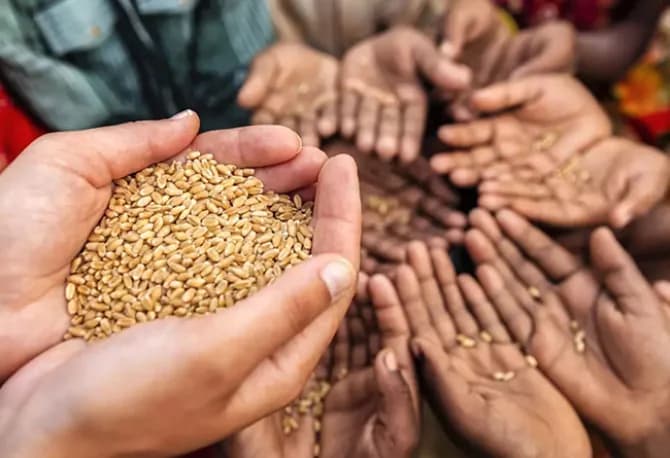
- National Food Security Act (NFSA), 2013: Provides legal entitlement to subsidized foodgrains for approximately 800 million people in India.
Achievements in Food Production
- Transitioned from reliance on food aid in the 1960s to becoming a major food producer.
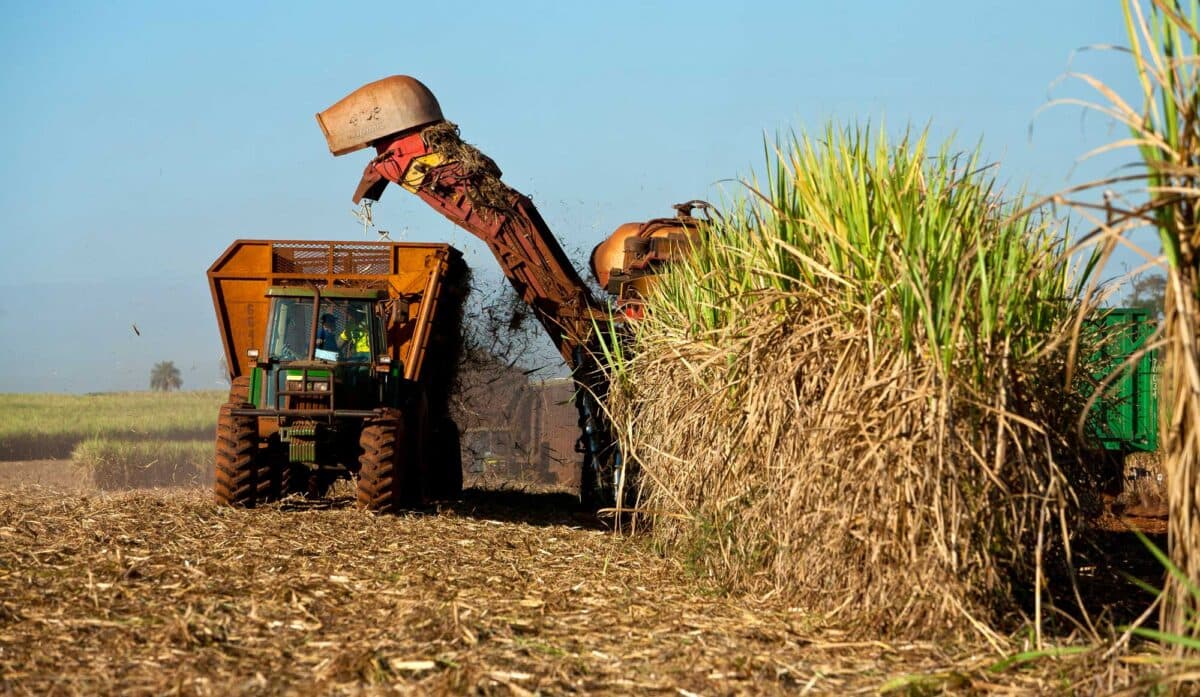
- Food Grain Production: Over 350 million tonnes in 2024-25, including record outputs of rice and wheat.
Food Distribution Mechanisms
- Public Distribution System (PDS): Enhanced with digitization and the One Nation One Ration Card (ONORC) scheme for accessible food entitlements.
Climate Challenges
- Climate change affects production stability with rising temperatures, erratic rainfall, and water scarcity.
- Need for policies focusing on climate-resilient food systems to ensure affordable and nutritious food for 1.4 billion people.
Proposed Strategies for Resilience
Diversification of Crops and Regions: Move beyond traditional crops (rice and wheat) to include millets, pulses, and oilseeds to mitigate risks.
Integrated Procurement: Expand procurement systems to accommodate varying crops suited for local climatic conditions.
Climate-Resilient Agricultural Practices:
- Introduction of climate-resilient seed varieties, micro-irrigation, precision farming, and digital pest management.
- Financial tools like weather-indexed insurance to help farmers manage risks.
Infrastructure Upgrades:
- Strengthening flood-resilient warehouses and expanding cold chain logistics for perishables.
- Investments in robust transport systems are crucial for a diverse food basket.
Monitoring and Forewarning Systems
- Utilize forecasts from the India Meteorological Department for procurement decisions and buffer-stock management.
Funding and Financial Innovations
- Development of mechanisms like green bonds and adaptation finance to support climate-resilient agricultural systems.
Holistic Approach to Food Security
- Shift the focus from "food security" to "sustainable food security," embedding climate risk management in planning and monitoring under the NFSA.
Collaborative Actions
- Need for public-private partnerships in research and technology delivery, targeting climate-exposed regions and smallholder farmers.
Future Directions
- Building a "climate buffer" that integrates crop diversity, infrastructure resilience, and effective water management as a countermeasure against climate unpredictability.
Vision for Sustainable Food Systems
- Emphasizing climate adaptation and food security as intertwined priorities, with a focus on long-term sustainability and the nutritional needs of the population.
This framework is critical in sustaining India's agricultural achievements while adapting to the exigent realities posed by climate change.
Key Terms & Concepts
| National Food Security Act (NFSA) 2013 | Provides legal food access |
| 350 million tonnes | Foodgrain production in 2024-25 |
| One Nation One Ration Card (ONORC) | Supports food entitlement portability |
| India Meteorological Department | Provides climate forecasts |
| Green bonds | Funding for climate resilience |
| Climate-resilient seed varieties | Improves agricultural productivity |
| Public Distribution System (PDS) | Distributes subsidized food |
| Climate buffer | Reduces climate-related risks |
| Climate Adaptation | Ensures environmental sustainability |