iAspirants
HomeAbout UsCurrent AffairsPrelims PYQsPricing
Login
iAspirants
HomeAboutBlogsFAQsPricingLogin
Privacy PolicyTerms & ConditionsReturn PolicyContact Us

© 2025 iAspirants, Inc. All rights reserved.

  1. Blogs
  2. Economic and Social Development

India's Fiscal Outlook for 2026-27

Published on: 21-Aug-2026

Share this post

India's Fiscal Outlook for 2026-27

Article Summary

Fiscal Outlook for 2026-27: Key Highlights

  1. Tax Revenue Performance:

    • Gross Tax Revenues (GTR) for the Centre grew by 3.7% in Q1 of 2026-27.
    • Modifications in tax structures in 2025-26, especially for Personal Income Tax (PIT) and Goods and Services Tax (GST), led to subdued revenue performance.
    • PIT revenue growth for 2025-26 was only 0.037%, indicating a buoyancy of zero.
    • GST revenues contracted by (-11%) in Q1 2026-27 after a growth of 4.67% in the second half of 2025-26.
  2. Tax Modifications:

    • Significant rate rationalization occurred in 2025-26 for both PIT and GST.
    • GST underwent a substantive rate reduction, anticipating initial revenue sacrifice to enhance the tax base gradually.
  3. Economic Indicators:

    • Despite pressure from tax revenues and subsidies, strong non-tax receipts and policy interventions are expected to help maintain fiscal outcomes.
    • Current pressures highlight challenges in revenue generation as economic uncertainties persist.
  4. Geopolitical Context:

    • Ongoing geopolitical tensions, particularly involving West Asia (Israel-US strikes on Iran), may influence external factors affecting India's fiscal health.
  5. Government Schemes/Policies:

    • Continuing focus on tax reforms and ensuring enhanced revenue collection mechanisms as a part of fiscal strategy.
  6. Monetary Policy Indicators:

    • Reserve Bank of India's (RBI) stance may adjust in response to fiscal pressures and inflationary trends stemming from global supply chain disruptions.

The fiscal landscape moving towards 2026-27 will likely be shaped significantly by these tax interventions and the broader geopolitical climate, influencing current and future economic strategies of the government.

Key Terms & Concepts

Controller General of AccountsData Source for Tax Revenue
Gross Tax Revenues (GTR)Tax Revenue Performance Indicator
Personal Income Tax (PIT)Type of Tax Affected by Reforms
Goods and Services Tax (GST)Type of Tax Affected by Reforms
3.7%GTR Growth Rate Q1 2026-27
0.037%PIT Growth Rate 2025-26
4.67%GST Growth Rate H2 2025-26
6.8%PIT Growth Rate Q1 2026-27
-11%GST Revenue Contraction Q1 2026-27
2025-26Fiscal Year of Reforms
Rate RationalisationTax Reform Strategy

Mind Map for UPSC Civil Services Revision

Turn UPSC Civil Services Current Affairs Into Exam-Ready Notes

Reading Economic and Social Development current affairs is half the work. Revise them with ready-made notes and test what actually stuck.

  • Daily UPSC Civil Services current affairs analysis
  • Revision notes, mind maps & MCQs
  • Prelims mock tests with instant results

Related UPSC Civil Services Current Affairs Articles

Transformative Digital Infrastructure in India
Economic and Social Development20-Aug-2026

Transformative Digital Infrastructure in India

Summary of Key Points on Digital Public Infrastructure and Economic Development

Key Speakers and Context:

  • Dr. Chandrashekar Pemmassani, Minister of State for Communications, addressed the BRICS ICT Track in Pune.
  • Emphasis on sustainable and resilient digital infrastructure for empowering citizens and fostering economic growth in the Global South.

Digital Public Infrastructure (DPI):

  • Concept: DPI is presented as essential for sustainable development, not a luxury.
  • Strategic Approach: Focus on creating open, inclusive, and resilient digital infrastructure.
  • Core Pillars of India's DPI:
    • Basic Identity Layer: Facilitates low-cost remote verification for billions of authentications, SIM issuance, and banking access.
    • Unified Payments Interface (UPI):
      • Connects 720 banks.
      • Processes 85% of India's digital transactions.
      • Contributes approximately 49% to global real-time payment volumes.
      • Expanded to nine partner countries.
    • Direct Benefit Transfer (DBT):
      • Integrates 318 schemes from 56 ministries, eliminating intermediaries.
    • DigiLocker:
      • Over 70 million users and 9 billion issued verifiable credentials.

New Initiatives:

  • Open Network for Digital Commerce (ONDC) and Government e-Marketplace (GEM): Enhance market access and promote individual data sovereignty.
  • Account Aggregator Framework: Aims to democratize financial data access.

Telecommunications Expansion:

  • 4G Coverage: Nearly 99% of villages with 4G mobile coverage as a result of a $4 billion extensive coverage campaign.
  • 5G Rollout: India is one of the fastest countries to deploy 5G, with over 500,000 base stations installed.
  • BharatNet Project: Under this $17 billion initiative, high-speed optical fiber is being laid in every major village.

Environmental Sustainability:

  • Renewable Energy Target: India aims for 30% of telecom infrastructure to be powered by renewable sources by 2030. Currently, 12.4% of mobile towers use green energy.

International Collaboration:

  • Advocacy for a robust BRICS digital partnership based on modular, open-source technology frameworks to lower licensing costs.
  • Call for joint capacity-building initiatives to ensure fair representation in international ICT standard-setting bodies.

Conclusion:

Dr. Pemmassani's address highlighted India's transformative journey in digital infrastructure as a model for sustainable economic development, particularly for developing nations, stressing the importance of collaboration and innovation in the digital realm.

Challenges Faced by Sugarcane Cutters
Economic and Social Development19-Aug-2026

Challenges Faced by Sugarcane Cutters

Summary Notes on Sugarcane Cutter Labor Issues in Maharashtra

Labor Conditions and Exploitation

  • Migrant Labor: Approximately 10 lakh migrant sugarcane cutters in Maharashtra, half of whom are women.
  • Work Environment: Workers, including pregnant women, face brutal conditions; they work from 3 a.m. to 7 p.m. with minimal compensation (couples earn less than ₹80,000 in a season).
  • Wage Penalties: Penalties of ₹600 for taking a day off and ₹1,200 if both partners take leave.
  • Lack of Legal Protection: Incidents of exploitation and lack of basic amenities (like toilets) are rampant; workers have no direct employment relationship with sugar mills, complicating accountability.

Judicial Rulings

  • Bombay High Court Ruling (2025): Mandated the Maharashtra government to implement comprehensive welfare measures for sugarcane cutters amidst increasing activism.

Economic Context

  • State's Contribution: Maharashtra accounts for one-third of India’s sugar production with 40 lakh farmers cultivating on over 14.87 lakh hectares, generating an annual turnover of approximately ₹1 lakh crore.
  • Employment Statistics: Direct employment of about 2 lakh factory workers supports various sectors including ethanol and green hydrogen, yet the millers claim a drastic decline in the number of active sugarcane cutters to under 5 lakh.

Modernization and Mechanization

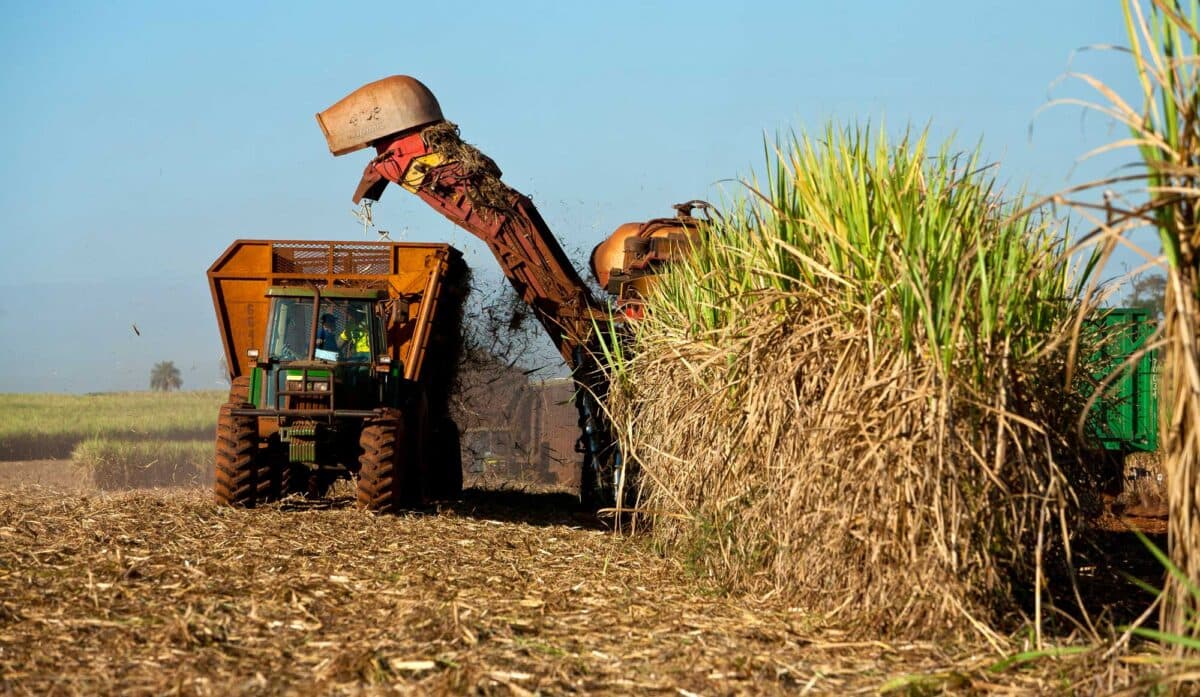
  • Use of Machinery: Increased use of mechanical harvesters (3,218 operational in India, with 68% in Maharashtra) is anticipated to radically transform the industry, facilitating a shift from traditional labor to mechanized processes in the next three years.
  • Sector Challenges: Sugar mills are currently facing operational delays and losses due to a shortage of manual labor.

Activism and Future Outlook

  • Activist Organizations: The Women Sugarcane Cutters Union advocates for workers' rights, illuminating issues of financial and sexual exploitation.
  • Cultural Shift: There is a generational decline in labor participation in sugarcane cutting, as younger individuals seek alternative employment, pushing towards a mechanized industry landscape.

Key Statistics

  • Industry Size: 40 lakh farmers cultivating sugarcane contribute to a ₹1 lakh crore industry annually.
  • Harvesters: 3,218 mechanical harvesters with a forecast of increased adoption among sugar mills.

Conclusion

Workers in the sugarcane industry of Maharashtra continue to confront hardships characterized by exploitation and inadequate legal protections. With judicial interventions and rising mechanization, the sector is evolving, albeit uncertainly, for the labor force responsible for its foundation. The future of traditional labor in this crucial agricultural sector remains precarious.