iAspirants
Current AffairsPrelims PYQsUPSC CSE SyllabusUPSC CSE StrategyBlogsPricing
Login
iAspirants

Your AI-powered companion for UPSC preparation.

Quick Links

  • Home
  • About Us
  • Current Affairs
  • Prelims PYQs
  • UPSC CSE Syllabus
  • UPSC CSE Strategy
  • Blogs

Company

  • Pricing
  • FAQs
  • Contact Us
  • Login

Legal

  • Privacy Policy
  • Terms & Conditions
  • Return Policy

© 2025 iAspirants, Inc. All rights reserved.

  1. Blogs
  2. Economic and Social Development

India's Coconut Sector and Global Growth

Published on: 18-Aug-2026

Share this post

India's Coconut Sector and Global Growth

Article Summary

India's Coconut Sector: Overview and Key Highlights

Economic Significance

  • Employment: Approximately 30 million people, including 10 million farmers, rely on the coconut sector.
  • Global Ranking: India is the world's largest producer of coconuts, accounting for 31.24% of global production (20,301.22 million nuts from 2.19 million hectares) and ranking third in cultivation area (17.90% of global totals).
  • State Contributions:
    • Keralam: Largest area under coconut cultivation (7.54 lakh hectares, 5,149.87 million nuts).
    • Tamil Nadu: Highest production.
    • Andhra Pradesh: Highest productivity.

Government Schemes and Policies

  • Coconut Development Board (CDB): Established on January 12, 1981, under the Ministry of Agriculture and Farmers Welfare to oversee coconut cultivation and industry development.
  • Coconut Promotion Scheme (2026-27): Aims to enhance coconut production through:
    • Large-scale quality seedling production.
    • Expansion of cultivation areas.
    • Replanting and rejuvenation of old gardens.
    • Integrated processing units for value addition.
  • Minimum Support Price (MSP) for copra (2025-26):
    • Milling Copra: ₹12,027 per quintal (rise of ₹445).
    • Ball Copra: ₹12,500 per quintal (rise of ₹400).

Production and Export Data

  • Coconut Exports:
    • 2025-26 exports: ₹7,038.35 crore (USD 794.70 million), a 62% increase from ₹4,349.03 crore in 2024-25.
    • Major export products include activated carbon, coconut oil, and fresh/frozen coconut.
    • Key markets: USA, UAE, Sri Lanka, Germany, Russia, Turkey, Belgium, UK, and Netherlands.

Technological and Agricultural Initiatives

  • Demonstration Cum Seed Production Farms (DSPFs): Established to promote scientific coconut cultivation practices.
  • Productivity Improvement Through Coconut-Based Cropping System (PICCS): Covers 18,800 hectares benefiting 48,696 farmers.
  • Quality Planting Material Production:
    • Financial assistance for establishing seed gardens and nurseries.
    • 2.41 lakh quality seedlings produced in DSPFs during 2025-26.

Skill Development and Training

  • Friends of Coconut Tree (FoCT): Trains unemployed youth in coconut palm climbing and entrepreneurship.
  • Kera Kaushal Kendra: Establishes handicraft centers for coconut product manufacturing.
  • Neera Tapping Training: Provides structured training for safe coconut juice tapping.

Environmental and Sustainability Efforts

  • Integrated Farming Practices: Promotes sustainable practices and addresses pest outbreaks through technology adoption.
  • Water Resource Creation: Supports irrigation facilities in coconut gardens via community tanks and farm ponds.

Future Vision

  • The Coconut Promotion Scheme aims to position India as a global leader in coconut and coir exports by the 2030s, with a broader allocation of ₹350 crore for high-value agriculture.

Conclusion

India’s coconut sector is a vital component of rural livelihoods, contributing significantly to the economy and cultural heritage. With robust government support and evolving practices, the sector is poised for sustainable growth and increased global competitiveness.

Key Terms & Concepts

30 million peopleDepend on coconut sector
2,175 hectaresNew area under cultivation
1,672 hectaresCovered under rejuvenation
Coconut Development BoardOversees coconut sector
₹5-6 lakh annuallyIncome from coconut farming
₹10 lakhIncome from intercrops
20,301.22 million nutsCoconut production in 2024-25
9,249 nuts per hectareAverage productivity
₹7,038.35 croreCoconut product exports
₹12,027 per quintalMSP for milling copra
₹12,500 per quintalMSP for ball copra
₹350 croreAllocation for high-value agriculture
Friends of Coconut Tree (FoCT)

Mind Map for UPSC Civil Services Revision

Turn UPSC Civil Services Current Affairs Into Exam-Ready Notes

Reading Economic and Social Development current affairs is half the work. Revise them with ready-made notes and test what actually stuck.

  • Daily UPSC Civil Services current affairs analysis
  • Revision notes, mind maps & MCQs
  • Prelims mock tests with instant results

Related UPSC Civil Services Current Affairs Articles

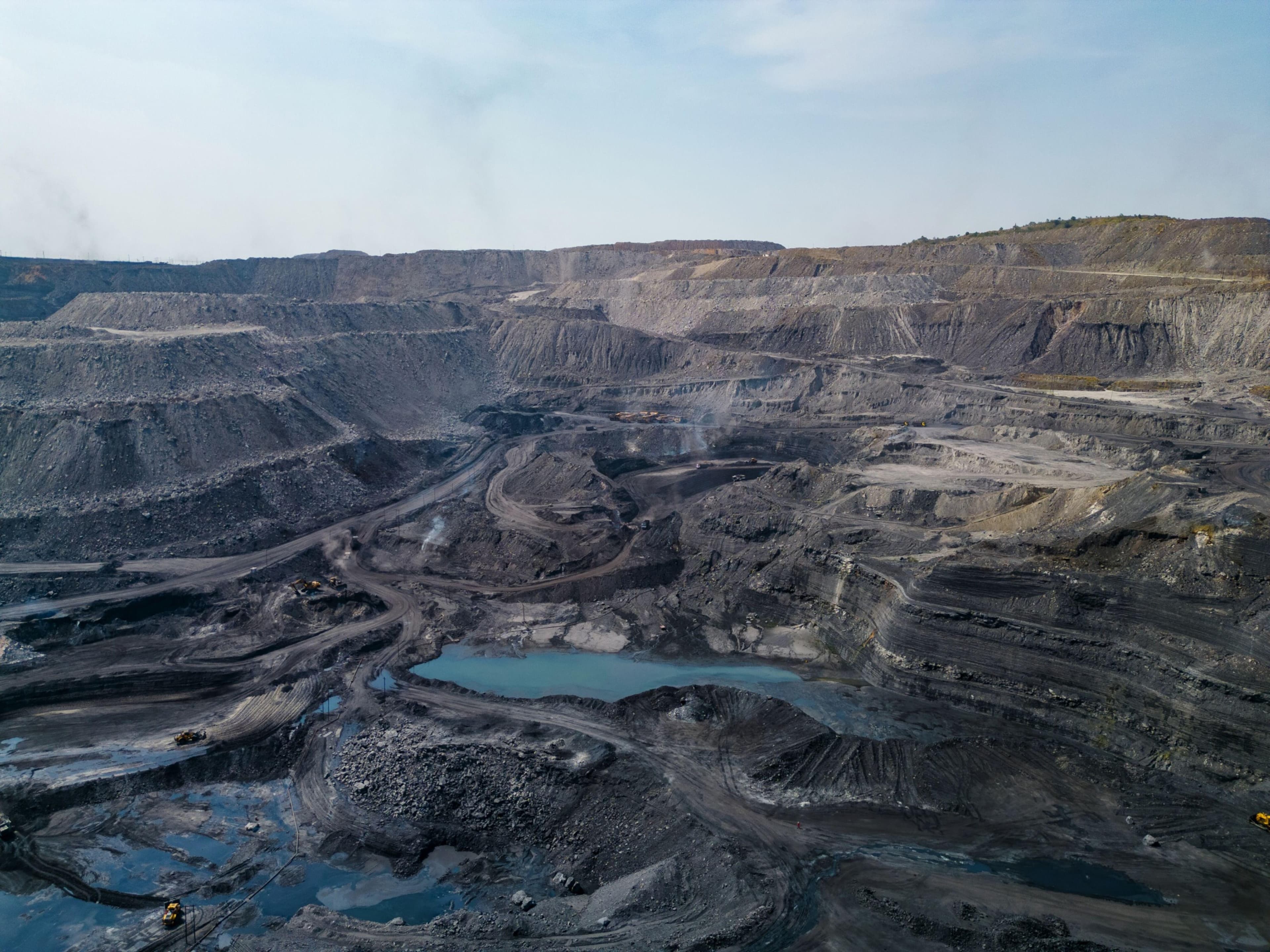
Coal India Advances Energy and Technology
Economic and Social Development20-Sep-2026

Coal India Advances Energy and Technology

Coal India Limited (CIL) Strategic Initiatives and Technological Diversification

Overview

  • CIL Diversification: Transition from traditional coal mining to a technology-driven portfolio encompassing energy, minerals, advanced materials, and R&D.
  • Strategic Focus Areas:
Skill development program
Coconut Promotion SchemeAims to enhance production
Technology Mission on Coconut (TMOC)Supports technology development
Kera Suraksha Insurance SchemeInsurance for coconut workers
2 million hectaresCoconut cultivation area
  • Coal gasification
  • Thermal energy
  • Renewable energy
  • Energy storage
  • Development of critical minerals and indigenous technology.

Key Projects and Investments

  • Investment in Coal-to-Chemicals:
    • Total estimated investment of ₹69,346 crores across four coal-to-chemical projects.
    • Projects include:
      • Talcher Fertilizers Ltd: Urea production capacity of 1.27 MMT/year, cost ₹19,062.22 crores.
      • India Coal Gasification & Chemicals Ltd: Ammonium nitrate production capacity of 0.66 MMT/year, cost ₹25,015.89 crores.
      • Coal Gas India Ltd: Synthetic natural gas production capacity of 633.6 million NM³/year, cost ₹13,052.81 crores.
      • CIL-BPCL Chandrapur: Synthetic natural gas production capacity of 633.6 million NM³/year, cost ₹12,214.86 crores.

Technological Developments

  • Coal Gasification:
    • Converts coal to synthetic gas (syngas) for producing synthetic natural gas, ammonia, urea, etc.
    • Promotes import substitution.
  • Underground Coal Gasification (UCG): Pilot project in Kasta West Block, Eastern Coalfields, with phases aimed for completion by 2026.
  • Renewable Energy:
    • Installation of approximately 550 MW solar capacity, including floating solar projects.
    • Joint venture with Damodar Valley Corporation for a 2x800 MW ultra-supercritical thermal power project.

Battery Energy Storage Systems (BESS)

  • Ongoing Projects:
    • Telangana's TGGENC0 Choutuppal: 187.5 MW/750 MWh capacity.
    • Odisha: 80 MW/320 MWh capacity across four locations.
  • Importance: Supports integration of renewable energy, demand management, and grid stability.

Critical Minerals and Advanced Materials

  • Focus Areas:
    • Development of graphite and rare earth elements (REE) in Madhya Pradesh, Chhattisgarh, Andhra Pradesh, and Maharashtra.
    • Establishment of an integrated graphite value chain from mining to production.

Research and Development (R&D)

  • R&D Framework: Established in 1975, leading to the formation of the R&D Board in 1994 and a Supreme Committee in 2003.
  • Annual R&D Budget: ₹61.31 crores in FY 2023-24, projected to increase to ₹500 crores by FY 2029-30.
  • Key R&D Areas: Smart mining using AI and IoT, waste-to-wealth initiatives, clean coal technology, and alternative uses of coal.

Economic and Environmental Considerations

  • Risk Management: CIL adopts a proactive risk management approach covering technology, market, financial, environmental, and operational risks.
  • Sustainability Goals: Focus on carbon reduction, efficient resource utilization, and environmental impact management.

Future Directions

  • Strategic Partnerships: CIL aims to leverage technology transfer and localization through joint ventures for market access.
  • Priorities: Aiming for responsible diversification, technology roadmaps, and establishing a hub-and-spoke network for R&D collaboration.

Conclusion

  • CIL's Evolution: Transitioning from a coal-centric model to a diversified energy and minerals entity, focusing on sustainability, technology innovation, and self-reliance in energy and mineral security.
Punjab's Struggle Against Drug Addiction
Economic and Social Development19-Sep-2026

Punjab's Struggle Against Drug Addiction

Summary of Key Points Related to Addiction and Governance in Punjab

Addiction Context in Punjab

  • Over 1 million individuals registered at government de-addiction clinics in Punjab.
  • Historical context: Afeem (opium) and its cultural use have been prevalent for over 200 years; substance use has deep roots in community traditions.

Nature of Addiction

  • Opioids (e.g., opium, heroin) affect brain receptors; heroin leads to quicker addiction compared to opium due to its rapid impact on the body.
  • Addiction is often misunderstood; treatment requires more than willpower—it's a complex biological condition influenced by substance chemistry.

Urgency and Governance in Addressing Addiction

  • Governance failure: Current measures have not broken existing drug supply networks.
  • Technological measures: Recommendations for border control include:
    • Detection grids
    • Counter-drone systems
    • Improved forensic capabilities to trace drug origins

Budget and Resource Allocation

  • The funding directed towards de-addiction programs in Punjab is inadequate:
    • The entire budget for de-addiction is described as a "rounding error" relative to other priority areas (e.g., power subsidy).
    • There is a lack of specialists: Punjab has a deficit of psychiatrists and counselors.

Economic and Employment Factors

  • An emphasis on providing jobs for recovering addicts to prevent relapse.
  • Cost of medication (30 Rupees health clinic vs. 300 Rupees on the black market) demonstrates a disparity that indicates a lack of regulation and support.

Recovery Potential

  • Addiction recovery is possible; the brain can heal, albeit slowly.
  • Continuous support and medical assistance post-recovery are critical, with noted high relapse rates occurring 18 months after treatment.

Conclusions and Recommendations

  • The issue of addiction is framed as a medical condition compounded by a criminal supply chain and requires focused governance.
  • Importance of prioritizing investments in mental health treatment and de-addiction services in Punjab to curb the crisis.

This summary provides an analytical view of the addiction situation in Punjab, highlighting the need for substantial reforms, resource allocation, and a shift in societal understanding of addiction as a medical rather than purely moral crisis.

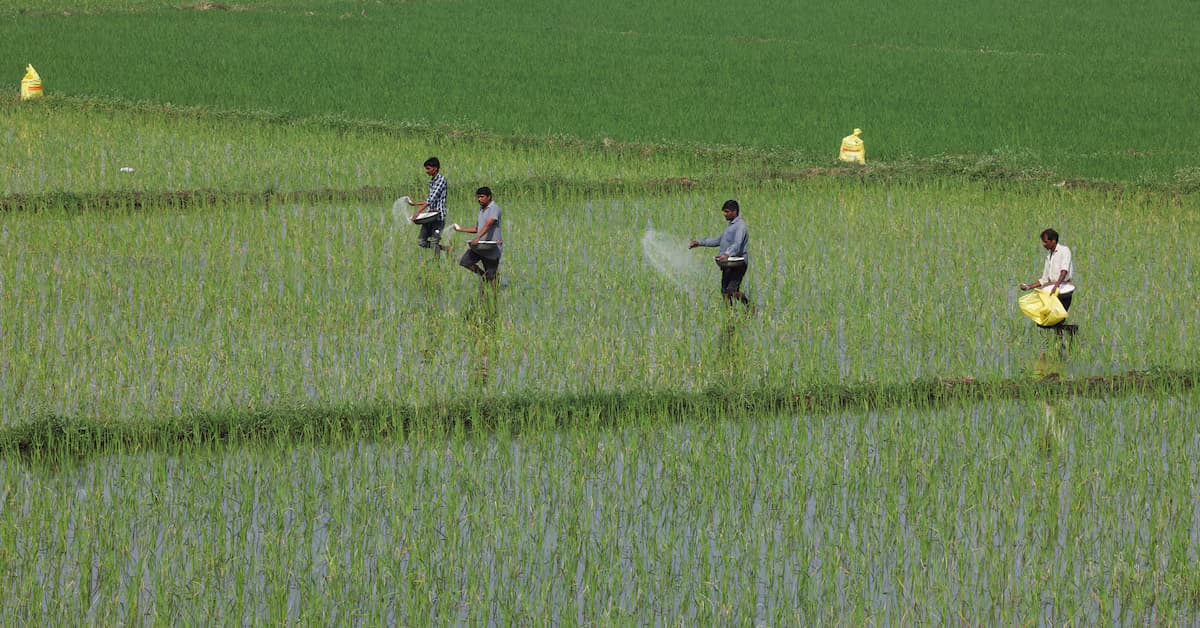
Continuation of PM-KISAN Scheme Approved
Economic and Social Development18-Sep-2026

Continuation of PM-KISAN Scheme Approved

Summary of the Pradhan Mantri Kisan Samman Nidhi (PM-KISAN) Scheme

  1. Scheme Approval:

    • The Union Cabinet has approved the continuation of the PM-KISAN Scheme for the period from 2026–27 to 2030–31.
  2. Financial Outlay:

    • Total financial outlay for the extended period is ₹3.15 lakh crore.
  3. Assistance Amount:

    • Each eligible farmer receives ₹6,000 per year as financial assistance.
  4. Direct Transfers:

    • Over ₹4.47 lakh crore transferred directly to farmers' bank accounts in 23 instalments since the scheme's launch in February 2019.
  5. Beneficiaries:

    • Under the 23rd instalment, over 9.49 crore farmers benefited, with ₹18,984 crore released.
    • Approximately one-quarter of beneficiaries are women farmers, who have received more than ₹1.06 lakh crore.
  6. Objectives of the Scheme:

    • Aims to provide timely and transparent income support to eligible farmer families through the Direct Benefit Transfer (DBT) system.
    • Encourages farmers to invest in agricultural inputs such as seeds, fertilizers, irrigation, and machinery.
    • Helps reduce dependence on informal credit and enhances the financial stability of rural households.
  7. Government's Commitment:

    • The continuation of PM-KISAN underlines the government’s belief that the prosperity of farmers is central to national prosperity.
  8. Impact on Agricultural Investment:

    • The assistance has reportedly enabled farmers to make timely investments in agriculture, thereby increasing their productive capacity.

This structured approach by the government aims at reinforcing the socio-economic condition of the agricultural sector, showcasing the significance of structured financial support for farmers in India.