iAspirants
India's Challenges in Climate Monitoring
Published on:
Source: Indian Express
Share this post
Article Summary
Climate and Weather Forecasting in India: Key Highlights
India Meteorological Department (IMD):
- Proficient in forecasting atmospheric disturbances and issuing alerts for extreme weather events (e.g., cyclones, intense rainfall, heat waves).
Rainfall Deficit:
- India faced a 12.6% rainfall deficit during the southwest monsoon.
- IMD anticipates extremely dry conditions across much of India for the remainder of the year.
El Niño Effect:
- A strengthening El Niño is expected to reduce water availability in rivers and wetlands, intensifying stress on agricultural systems and natural ecosystems.
- Risks include cascading effects on livelihoods and increased vulnerability for agricultural and ecological systems.
Ecological Variance:
- Variation in responses to climatic stresses among ecosystems (e.g., forests and wetlands) due to soil moisture, vegetation, and human pressure.
- Local ecological conditions critically influence resilience against climate anomalies.
Super El Niño Impact:
- While a Super El Niño has a considerable impact, its effects could amplify existing ecological pressures leading to potential ecosystem collapses.
Micro-Monitoring Initiatives:
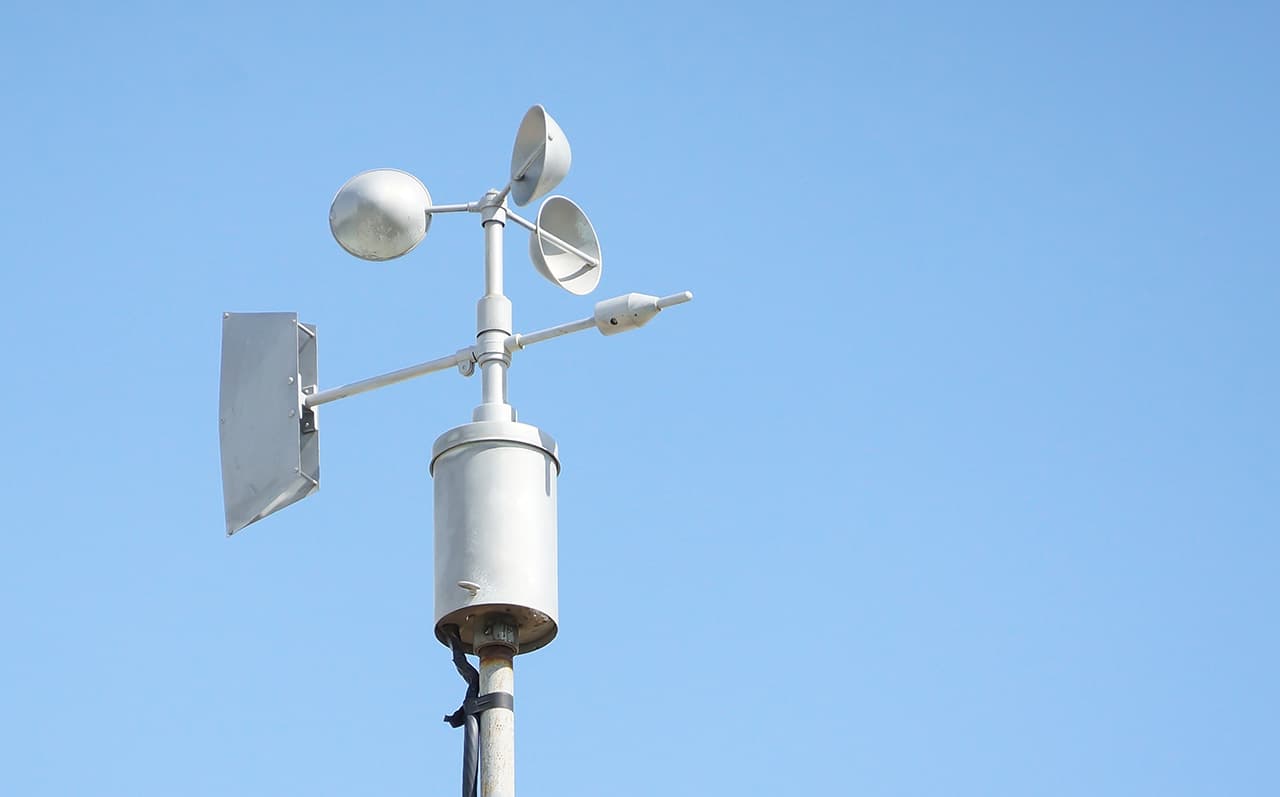
- Emphasis on continuous satellite data complemented by field-level observations to discern ecological nuances.
- Uttarakhand has started real-time monitoring of glacial lakes, with a focus on the vulnerable Vasundhara Tal, linking environmental changes to early-warning systems.
- Importance of monitoring soil moisture levels, vegetation health, and wildlife movement to detect droughts in forests.
Himalayan Ecosystems:
- Warmer winters, erratic weather disturbances, and declining snow cover alter moisture cycles and raise fire risks in forests.
- Need for proactive measures to mitigate habitat vulnerability.
Coral Reefs Health Monitoring:
- Identifying thermal distress in coral reefs can aid in understanding marine ecosystem health and protecting coastlines from environmental damage.
Call for Coordination:
- An emergency appeal from around 200 ecologists for a unified ecosystem-wide monitoring network.
- Highlights the need for collaboration among research institutions, government bodies, and citizen groups for effective ecological monitoring to combat climate issues.
Conclusion:
- India's scientific capacity for weather forecasting is high, but needs enhancement in ecological monitoring.
- Establishment of a robust coordination framework is essential to address both immediate climate threats and long-term environmental challenges effectively.
Policy Implications:
- Strengthening domestic capacities in climate resilience through scientific advancements and monitoring systems.
- Development of unified frameworks to integrate efforts across various stakeholders in ecological monitoring and response strategies.
Key Terms & Concepts
| India Meteorological Department | Forecasts extreme weather events |
| El Niño | Affects rainfall and water availability |
| 12.6% | Rainfall deficit during monsoon |
| Uttarakhand | Real-time monitoring initiative |
| Vasundhara Tal | Glacial lake under monitoring |
| Micro-monitoring | Tracks ecological conditions |
| Coral reefs | Indicate health of marine ecosystems |
| Emergency ecosystem-wide monitoring network | Proposal for coordinated tracking |