iAspirants
Current AffairsPrelims PYQsUPSC CSE SyllabusUPSC CSE StrategyBlogsPricing
Login
iAspirants

Your AI-powered companion for UPSC preparation.

Quick Links

  • Home
  • About Us
  • Current Affairs
  • Prelims PYQs
  • UPSC CSE Syllabus
  • UPSC CSE Strategy
  • Blogs

Company

  • Pricing
  • FAQs
  • Contact Us
  • Login

Legal

  • Privacy Policy
  • Terms & Conditions
  • Return Policy

© 2025 iAspirants, Inc. All rights reserved.

  1. Blogs
  2. Environment and Ecology

Debate over Ecologically Sensitive Area

Published on: 03-Oct-2026

Source: The Hindu

Share this post

Debate over Ecologically Sensitive Area

Article Summary

Exam-Focused Notes on Ecologically Sensitive Areas (ESA) in Kerala

Key Definitions and Context:

  • Ecologically Sensitive Area (ESA): Designated zones aimed at conserving biodiversity and protecting ecological balance. Proposed under the National Biodiversity Action Plan.

Constitutional and Legal References:

  • Article 48A: Directs the State to protect and improve the environment and safeguard forests and wildlife.
  • Article 51A(g): Mandates the citizens to protect and improve the natural environment, including forests, lakes, rivers, and wildlife.

Government and Policy Framework:

  • Ministry of Environment, Forest and Climate Change (MoEFCC): Key governmental body responsible for ESA notifications and ecological policies.
  • Kasturirangan Committee Report: A pivotal document outlining the ESA map, which excluded certain villages from ESA delineation.

Facts and Figures:

  • High potential for quarrying and construction in ESA regions, with significant negative impacts on air quality and water security.
  • Localities such as Konni have the highest number of granite quarries in Kerala, raising environmental concerns.

Community Perspectives:

  • Pro-ESA Advocacy:

    • Groups like Konni Prakrithi Samrakshana Samiti emphasize ecological protection to combat issues like water security and air pollution linked to quarrying.
    • The Mala Araya tribal community argues that ESA designation brings protection against environmental degradation and ensures ecological balance.
  • Opposition to Inclusion:

    • Some factions within the Mala Araya community, such as the Mala Araya Maha Sabha, oppose ESA inclusion due to unresolved claims for land title deeds, which are crucial for their rights and livelihoods.

Judicial Context:

  • Local lawyers and environmental activists are actively petitioning MoEFCC regarding perceived discrepancies in the ESA map, advocating for the inclusion of villages like Koodal that are at risk due to environmental degradation from quarrying processes.

Environmental Impact:

  • Proposals indicate a direct correlation between increased quarrying and environmental perturbations.
  • The ongoing debate centers around balancing development interests with ecological conservation.

Conclusion and Implications:

  • The ESA debate in Kerala illustrates the complexity of environmental governance wherein economic, ecological, and social factors converge.
  • Future actions by the government will likely need to strike a balance between local livelihoods, community rights, and conservation efforts.
  • Continuing dialogues between stakeholders, including local communities, environmentalists, and governmental agencies, will be crucial in shaping effective and inclusive ecological policies.

Key Terms & Concepts

Ecologically Sensitive Area (ESA)protection against ecological threats
Ministry of Environment, Forest and Climate Change (MoEFCC)receiving feedback on ESA map
Kasturirangan committeeexempted land from ESA
Kootal villageseeking ESA inclusion for protection
Mala Araya tribal communityaffected by ESA regulations
Pathanamthittalocation with environmental concerns
Konni Prakrithi Samrakshana Samitiadvocating for ESA inclusion
granite quarriesaffecting air quality, water security
ecological degradationresult of quarrying activities

Mind Map for UPSC Civil Services Revision

Turn UPSC Civil Services Current Affairs Into Exam-Ready Notes

Reading Environment and Ecology current affairs is half the work. Revise them with ready-made notes and test what actually stuck.

  • Daily UPSC Civil Services current affairs analysis
  • Revision notes, mind maps & MCQs
  • Prelims mock tests with instant results

Related UPSC Civil Services Current Affairs Articles

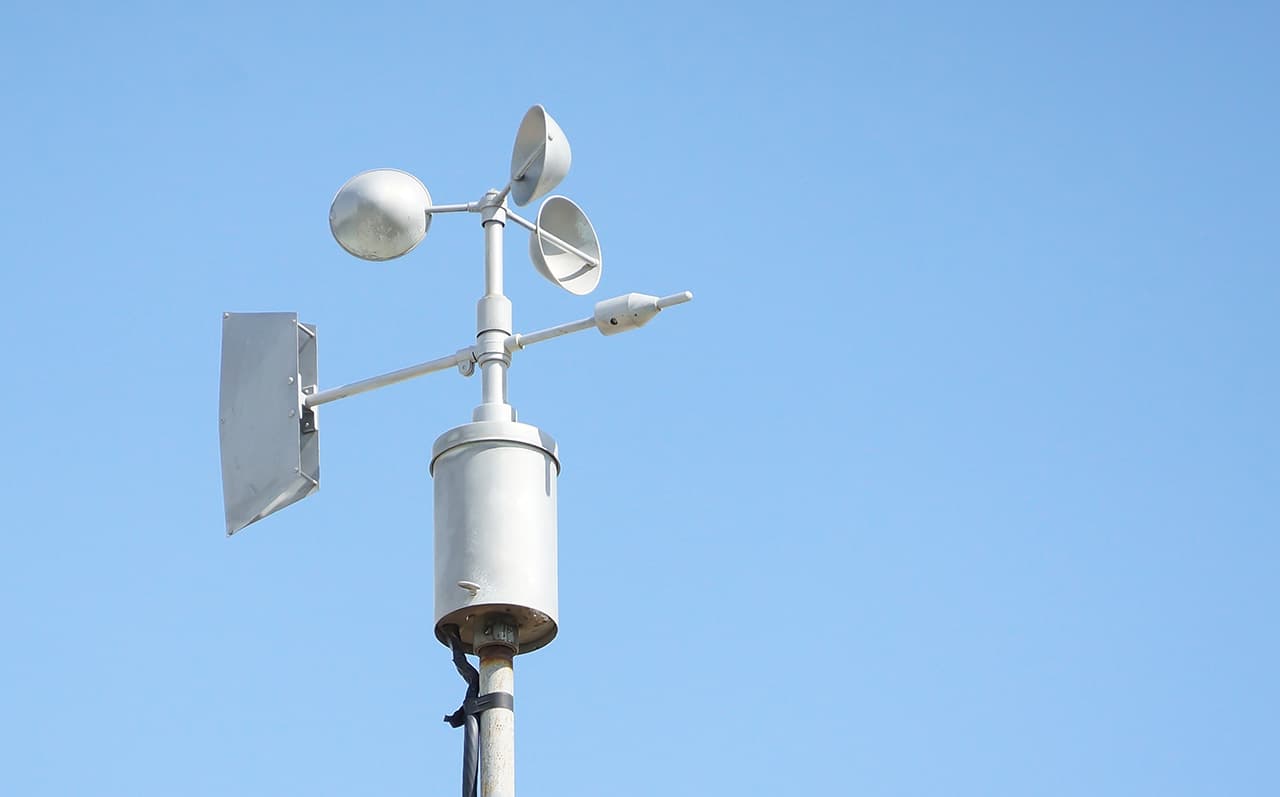
India's Challenges in Climate Monitoring
Environment and Ecology03-Oct-2026

India's Challenges in Climate Monitoring

Climate and Weather Forecasting in India: Key Highlights

  1. India Meteorological Department (IMD):

    • Proficient in forecasting atmospheric disturbances and issuing alerts for extreme weather events (e.g., cyclones, intense rainfall, heat waves).
  • Rainfall Deficit:

    • India faced a 12.6% rainfall deficit during the southwest monsoon.
    • IMD anticipates extremely dry conditions across much of India for the remainder of the year.
  • El Niño Effect:

    • A strengthening El Niño is expected to reduce water availability in rivers and wetlands, intensifying stress on agricultural systems and natural ecosystems.
    • Risks include cascading effects on livelihoods and increased vulnerability for agricultural and ecological systems.
  • Ecological Variance:

    • Variation in responses to climatic stresses among ecosystems (e.g., forests and wetlands) due to soil moisture, vegetation, and human pressure.
    • Local ecological conditions critically influence resilience against climate anomalies.
  • Super El Niño Impact:

    • While a Super El Niño has a considerable impact, its effects could amplify existing ecological pressures leading to potential ecosystem collapses.
  • Micro-Monitoring Initiatives:

    • Emphasis on continuous satellite data complemented by field-level observations to discern ecological nuances.
    • Uttarakhand has started real-time monitoring of glacial lakes, with a focus on the vulnerable Vasundhara Tal, linking environmental changes to early-warning systems.
    • Importance of monitoring soil moisture levels, vegetation health, and wildlife movement to detect droughts in forests.
  • Himalayan Ecosystems:

    • Warmer winters, erratic weather disturbances, and declining snow cover alter moisture cycles and raise fire risks in forests.
    • Need for proactive measures to mitigate habitat vulnerability.
  • Coral Reefs Health Monitoring:

    • Identifying thermal distress in coral reefs can aid in understanding marine ecosystem health and protecting coastlines from environmental damage.
  • Call for Coordination:

    • An emergency appeal from around 200 ecologists for a unified ecosystem-wide monitoring network.
    • Highlights the need for collaboration among research institutions, government bodies, and citizen groups for effective ecological monitoring to combat climate issues.
  • Conclusion:

    • India's scientific capacity for weather forecasting is high, but needs enhancement in ecological monitoring.
    • Establishment of a robust coordination framework is essential to address both immediate climate threats and long-term environmental challenges effectively.
  • Policy Implications:

    • Strengthening domestic capacities in climate resilience through scientific advancements and monitoring systems.
    • Development of unified frameworks to integrate efforts across various stakeholders in ecological monitoring and response strategies.
    Delhi Enforces No PUCC, No Fuel Rule
    Environment and Ecology02-Oct-2026

    Delhi Enforces No PUCC, No Fuel Rule

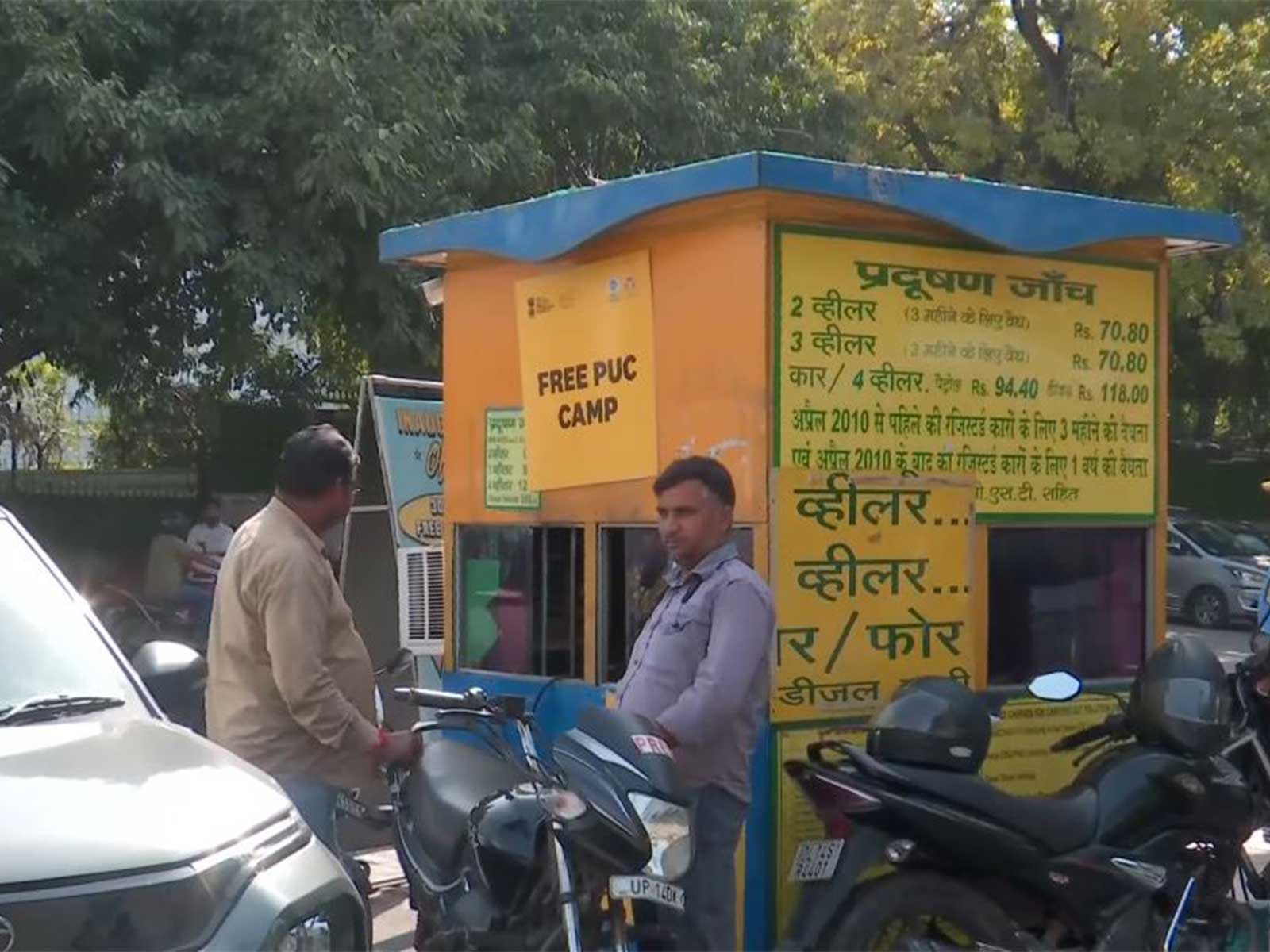
    • Policy Overview: Implementation of 'No PUCC (Pollution Under Control Certificate), No Fuel' rule across fuel stations in Delhi, following a September 28 meeting led by Union Environment Minister Bhupender Yadav as part of an action plan to combat air pollution.

    • Automatic Number Plate Recognition (ANPR) System: Previously introduced in Delhi, it employs cameras to scan vehicle license plates to verify compliance with PUCC requirements using the VAHAN portal. Non-compliant or overage vehicles are flagged and denied refueling.

    • Real-Time Monitoring and Control: Launch of the Delhi Pollution Control Committee’s (DPCC) Integrated Command and Control Centre by Chief Minister Rekha Gupta. The centre will facilitate:

      • Real-time pollution source monitoring.
      • AI-based analysis for pollution data.
      • Integration of complaints and field inspection outcomes.
      • Coordination among various departments addressing pollution concerns.
    • Statements from Officials: Fuel station managers affirm that fuel will not be dispensed to vehicles flagged by the ANPR system and urge owners to renew their PUCCs promptly.

    • Government's Commitment: Continuous efforts are emphasized by the government in reducing pollution levels effectively throughout the year.

    • Environmental Context: The measures are part of a broader strategy to tackle the air quality issues in Delhi and the National Capital Region, highlighting the government's proactive stance in addressing environmental challenges.

    This summary encapsulates key policies, governance strategies, and technologies being employed in Delhi's fight against pollution, making it relevant for studies on environmental law, public health policy, and urban governance.

    India Approves Third Phase Green Energy Corridor
    Environment and Ecology02-Oct-2026

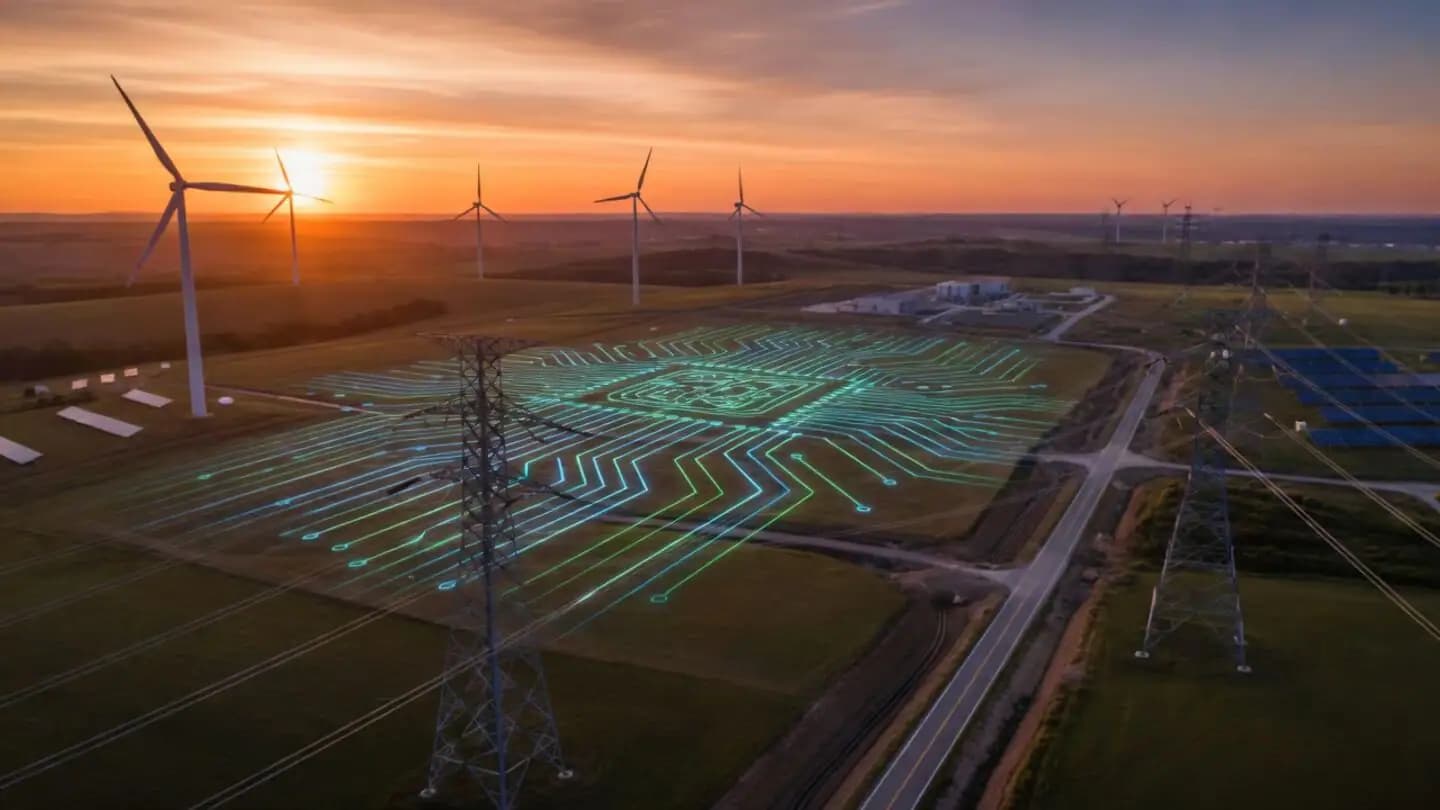
    India Approves Third Phase Green Energy Corridor

    Green Energy Corridor (GEC) Phase III Overview

    1. Approval and Financial Outlay:

      • The Centre approved the third phase of the Green Energy Corridor (GEC) on October 1, 2026.
      • Total estimated cost: ₹1.86 lakh crore.
    2. Capacity Focus:

      • Aim to facilitate the evacuation of 135 gigawatts (GW) of renewable energy (RE).
      • Addressing challenges as renewable energy capacity expands and strains the power grid.
    3. GEC Programme Features:

      • First inclusion of a dedicated battery energy storage component with the deployment of 50 gigawatt-hours (GWh) of Battery Energy Storage Systems (BESS).
      • BESS helps store excess energy during peak production and supplies it when generation is low.
    4. Financial Breakdown:

      • ₹1.36 lakh crore allocated for developing intra-state transmission systems (InSTS).
    Delhi's Air Quality Crisis Analysis
    Environment and Ecology01-Oct-2026

    Delhi's Air Quality Crisis Analysis

    Air Quality Report Summary - Delhi (Monsoon Season 2026)

    Key Findings:

    • Duration of Analysis: The report covers a 92-day monsoon season (June 1 to August 31, 2026).
    • Air Quality Index (AQI) Statistics:
      • 'Good' AQI Days: 1 Day (July 9) - Recorded when rainfall was 67.75 mm.
      • 'Satisfactory' AQI Days: 35 Days (38% of total days).
      • 'Moderate' AQI Days: 53 Days (57.6% of total days).
      • 'Poor' AQI Days: 3 Days (3.3% of total days).

    AQI Scale (CPCB):

    • Good: 0–50
    • Satisfactory: 51–100
    • Moderate: 101–200
    • Poor: 201–300

    Pollution Dynamics:

    • Despite heavy rainfall intended to improve air quality, baseline pollution levels remained high.
    • Particulate matter levels increased rapidly within 48 hours post-rainfall, indicating persistent pollution sources.

    Expert Commentary:

    • Anumita Roychowdhury (CSE) emphasizes that reliance on natural weather patterns for pollution management is inadequate.
    • Calls for year-round, comprehensive actions to reduce emissions across all sectors in the National Capital Region (NCR).

    Seasonal Pollution Trends:

    • Air quality worsens annually during winter due to low wind speeds and temperature drops. Contributing factors include:
      • Vehicular emissions
      • Road dust
      • Stubble burning (peak in October-November)
      • Use of firecrackers during festivals.

    Implications:

    • The report indicates a critical need for proactive air quality management strategies rather than reactive measures that depend on seasonal rainfall patterns.

    Conclusion:

    • Delhi's air quality remains a significant concern, highlighting the importance of continuous and sustainable emission reduction efforts throughout the year to combat air pollution effectively.
    UN Declaration on Rising Sea Levels
    Environment and Ecology01-Oct-2026

    UN Declaration on Rising Sea Levels

    Summary Notes on Rising Sea Levels and UN Declaration

    International Agreements and UN Declaration

    • UN General Assembly Declaration: Adopted on 24 September 2026, it is the first global formal recognition of the implications of rising sea levels on statehood and territorial integrity.
    • Key Provisions:
      • Recognizes that countries losing territory due to rising sea levels can retain sovereignty and rights.
      • Emphasizes the importance of incorporating sea-level rise projections into coastal infrastructure planning.
      • Calls for enhanced international cooperation to assist populations displaced by climate change.

    Facts and Figures on Sea Level Rise

    • Acceleration of Sea Level Rise:
      • Rise increased from 2.1 mm/year (1993-2002) to 4.7 mm/year (2015-2024).
      • 2024 recorded a historic increase of 6 mm.
    • Future Projections:
      • Under low-emission scenarios, sea levels expected to rise by 38 cm by 2100.
      • In high-emission scenarios, the figure could reach 77 cm.
  • ₹50,000 crore allocated for BESS.
  • The scheme will receive ₹54,082 crore in Central Financial Support to offset intra-state transmission charges, aiding cost reduction for end users.
  • Implementation Framework:

    • Greenfield projects under InSTS will follow a tariff-based competitive bidding (TBCB) route.
    • Brownfield upgrades will use a cost-plus basis (CPB).
    • Projects to be managed by state transmission utilities with private participation under a build-own-operate-maintain model.
  • Expected Impact and Completion Targets:

    • Targeted completion by FY33.
    • Anticipated addition of 400 GW of RE capacity from 2030 to 2035-36, necessitating 160 GW of additional InSTS infrastructure.
  • Geographical Coverage:

    • Proposals received from 13 states, expanding from previous phases wherein GEC-I (8 states) and GEC-II (7 states) were implemented.
  • Infrastructure and Energy Storage Insights

    1. Challenges of Renewable Energy Evacuation:

      • Issues of transmission bottlenecks and grid congestion, particularly during high solar generation periods leading to curtailments.
      • 6,900 GWh of clean electricity curtailed in FY26 due to mismatched deployment rates.
    2. Energy Storage Capacity:

      • Current installed BESS capacity: 2.9 GW; Pumped Hydro Storage (PHS): 7.2 GW.
      • Future projections: Total energy storage capacity expected to reach 174 GW (888 GWh) by 2035-36, with BESS contributing 80 GW (321 GWh) and PHS 94 GW (567 GWh).

    Government Oversight and Commitments

    1. Monitoring and Administrative Oversight:
      • A Cabinet Secretary level steering committee will monitor GEC-III and GEC-II progress biannually.
      • Addressing consistent delays, with GEC-I expected completion by March 2027 and GEC-II by 2028.

    Conclusion

    • The GEC Phase III aims to enhance India's renewable energy infrastructure and resolve grid stability issues through substantial investment in transmission systems and battery storage technology, positioning India to effectively harness its growing renewable energy potential.

    Legal Framework

    • Montevideo Convention (1933): Defines the criteria for statehood: permanent population, defined territory, governance, and capacity for international relations.
    • Territorial Integrity: Countries affected by rising sea levels will maintain their maritime boundaries, which include 12 nautical miles for territorial seas and up to 370 km for exclusive economic zones.

    Human Rights and Migration Policies

    • Countries are urged to respect human rights for displaced persons and facilitate "mobility with dignity".
    • As of December 2025, over a third of Tuvalu’s population applied for climate visas to Australia under a bilateral agreement.

    India's Context

    • Geographical Data:
      • India has 1,298 coastal islands and a coastline of 11,098 km.
      • Concerns over erosion: One-third of the mainland coastline assessed between 1990-2016 found significant erosion, with regions losing 5 meters a year.
    • Coastal Regulation:
      • 2019 Coastal Regulation Zone notification: 50 meters no-build zone in populated areas, 200 meters in others.
      • The necessity for India to adapt these guidelines using updated hazard lines for disaster management.

    Economic Indicators

    • Adaptation Funding: UN Environment Programme estimates over $310 billion per year needed for developing countries’ adaptation by 2035, contrasting sharply with only $26 billion in 2023.
    • Previous objections by India regarding inadequate climate finance targets highlight the ongoing financial gap for effective adaptation strategies.

    Future Actions Recommended for India

    • Implementation of laws addressing gradual land loss and displacement, akin to Fiji’s planned relocation strategy.
    • Immediate action required to measure no-build zones from hazard lines and enforce regulations based on local erosion rates.
    • Commitment to advocating for increased climate financing in upcoming global forums, including COP31 in Antalya.

    Timeline for Action

    • Next high-level UN meeting on sea level rise scheduled for September 2030, presenting a four-year window for implementing necessary policies and reforms.

    In conclusion, the UN declaration aims to safeguard statehood against the backdrop of climate change, pressing nations to enhance their infrastructure resilience and establish humanitarian policies for displaced communities. India, as a key player with extensive coastlines, faces critical challenges and responsibilities in this endeavor.