iAspirants
Current AffairsPrelims PYQsUPSC CSE SyllabusUPSC CSE StrategyBlogsPricing
Login
iAspirants
Current AffairsPrelims PYQsUPSC CSE SyllabusUPSC CSE StrategyBlogsPricingContact UsLoginSignUp
iAspirants

Your AI-powered companion for UPSC preparation.

Study Resources

  • Current Affairs
  • Prelims PYQs
  • UPSC CSE Syllabus
  • UPSC CSE Strategy
  • Blogs

Practice & Plans

  • Mains Answer Evaluation
  • Pricing
  • Sign Up
  • Login

Company

  • Home
  • About Us
  • Contact Us
  • FAQs

Legal

  • Privacy Policy
  • Terms & Conditions
  • Return Policy

© 2026 iAspirants, Inc. All rights reserved.

  1. Blogs
  2. International Relations

India-Nepal Train Service Launched

Published on: 25-Nov-2026

Source: Indian Express

Share this post

India-Nepal Train Service Launched

Article Summary

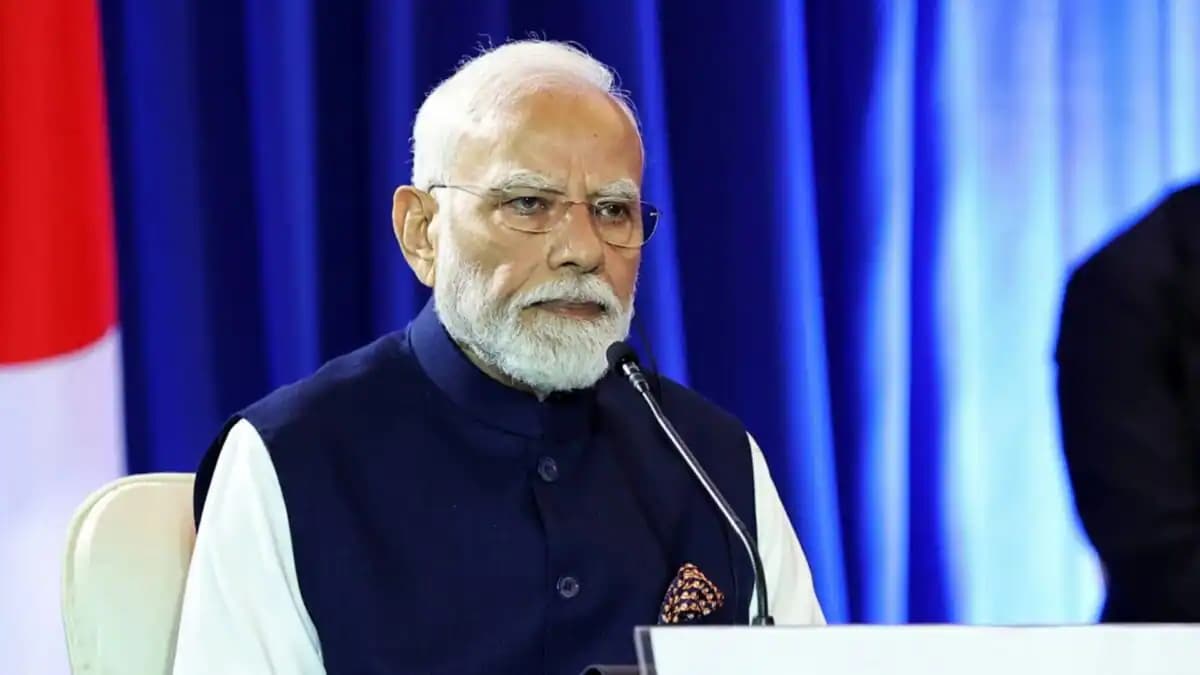
  • Inauguration of Train Service: The Sarayu-Kamala Express, inaugurated by PM Narendra Modi and Nepali PM Balendra Shah, links Ayodhya (India) and Janakpur (Nepal), covering over 600 km in approximately 19 hours, with several stops including Gorakhpur and Raxaul.

  • Cultural Significance: The train service strengthens cross-border connectivity, facilitating pilgrimage between significant Hindu sites—Ayodhya (Ram) and Janakpur (Sita). In 2025, approximately 30 crore pilgrims visited Ayodhya.

  • Railway Connectivity Projects: This initiative is part of the broader India Railways project, which includes the Ramayana, Buddhist, and Shiv-Shakti circuits. Key rail projects involving India and Nepal include:

    • Jaynagar-Bijalpura-Bardibas
    • Jogbani-Biratnagar
    • Raxaul-Kathmandu (an electrified broad-gauge railway line)
  • Collaboration and Capacity Building: Indian Railways is collaborating with Nepal on the development of the East-West Railway and has trained Nepal Railway personnel at Gatishakti Vishwavidyalaya.

  • Cross-Border Railway Expansion: India also seeks to enhance rail connections with Bhutan, announcing two projects:

    • Kokrajhar (Assam) to Gelephu (Bhutan) - 69 km, costing ₹3,456 crore
    • Banarhat (West Bengal) to Samtse (Bhutan) - 20 km, costing ₹577 crore
  • Suspensions and Strategic Interests:

    • Maitree and Bandhan Express to Bangladesh were suspended due to unrest in 2024.
    • Samjhauta and Thar Express services to Pakistan were suspended in August 2019 following the abrogation of Article 370, which removed the special status of Jammu & Kashmir.
  • Future Plans: India plans to establish a railway link to Myanmar, with the Jiribam-Imphal section (125 km) under construction, yet to begin the remaining segment from Imphal to Moreh and Tamu to Kalay (128 km) in Myanmar.

This comprehensive approach to strengthening railway connections not only enhances trade and tourism but also fosters deeper cultural and spiritual ties between India and its neighbors.

Key Terms & Concepts

Sarayu-Kamala ExpressNew passenger train service
AyodhyaReligious site in India
JanakpurReligious site in Nepal
600 kmDistance covered by train
19 hoursTravel time for the service
30 crorePilgrims visiting Ayodhya in 2025
Raxaul-Kathmandu railway lineProposed electrified railway project
East-West RailwayCollaborative project in Nepal
Gatishakti Vishwavidyalaya, VadodaraTraining center for Nepal Railway staff
Kokrajhar-Gelephu lineCross-border railway project to Bhutan
Maitree ExpressPreviously operated train to Bangladesh
Samjhauta ExpressPrevious train to Pakistan

Mind Map for UPSC Civil Services Revision

Turn UPSC Civil Services Current Affairs Into Exam-Ready Notes

Reading International Relations current affairs is half the work. Revise them with ready-made notes and test what actually stuck.

  • Daily UPSC Civil Services current affairs analysis
  • Revision notes, mind maps & MCQs
  • Prelims mock tests with instant results

Related UPSC Civil Services Current Affairs Articles

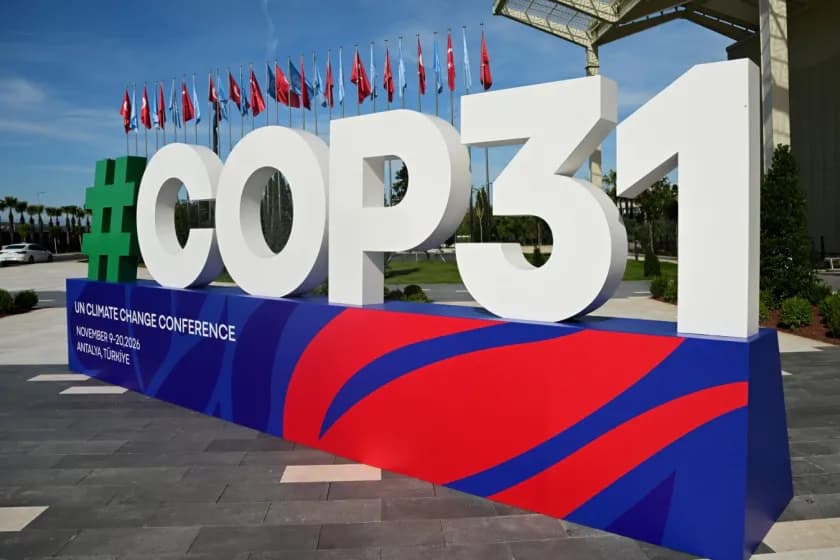
COP31 Ends in Deadlock on Climate
International Relations25-Nov-2026

COP31 Ends in Deadlock on Climate

UN Climate Change Conference (COP31) Summary Notes

Conference Overview:

  • The 31st Conference of the Parties (COP31) to the UN Framework Convention on Climate Change (UNFCCC) was held in Antalya, Turkey.
  • Dubbed as the “Implementation COP,” the conference aimed to transition climate commitments into actionable strategies.
Jiribam-Imphal section
Rail link under construction to Myanmar
Practise Mains answer writingUpload a handwritten answer and get it evaluated
  • The conference extended negotiations for over 40 hours past the November 20 deadline, ultimately ending in a deadlock.
  • Key Issues:

    • Negotiation Deadlock:

      • Influential negotiating blocs, particularly Saudi Arabia and oil-producing nations, opposed commitments to shift away from fossil fuels.
      • The European Union (EU) failed to provide adequate financial support commitments for developing countries, which complicated negotiations.
    • Adaptation Finance:

      • A notable development was the removal of a proposed annual adaptation finance target of $120 billion from the final draft, reflecting ongoing challenges between developed and developing countries regarding climate funds.

    Historical Context:

    • COP31 marks a continuation of previous negotiation breakdowns, such as COP6 in The Hague (2000) and COP15 in Copenhagen (2009).
    • The breakdown post-COP15 delayed the creation of the Paris Agreement, ultimately approved in 2015, illuminating the risks of inaction.

    Current Climate Situation:

    • The Paris Agreement aims to limit global warming to 1.5 degrees Celsius above pre-industrial levels, a target increasingly seen as unattainable without immediate action.
    • Increasingly severe extreme weather events highlight the urgent need for a global response to climate change.

    Looking Ahead:

    • COP32 will be hosted in Addis Ababa, Ethiopia. The challenge lies in achieving action-oriented climate commitments while adhering to UNFCCC principles.

    India's Role:

    • India emphasized the importance of developed nations fulfilling their climate financing obligations.
    • The country positioned itself as willing to collaborate for outcomes that balance climate ambition with developmental priorities.
    • India has exceeded its Paris Agreement clean energy commitments ahead of schedule and intends to align development efforts with decarbonization goals.
    • This approach aims to enhance India’s global competitiveness and energy security, while presenting a nuanced climate diplomacy in contrast to more obstructive petroleum-reliant nations.

    Conclusion:

    • Stakeholders at COP31 have reiterated the need for immediate action to mitigate climate change impacts, with significant dependencies on financial commitments and participation from developed nations being crucial to achieving the UNFCCC’s long-term objectives.
    India's Role in Global Civilisational Dialogue
    International Relations25-Nov-2026

    India's Role in Global Civilisational Dialogue

    Exam-Focused Notes on the SCO Civilisational Dialogue Forum

    Importance of Civilisational Dialogue

    • The SCO Civilisational Dialogue Forum, held in New Delhi, emphasizes the value of cultural exchange and India's role in fostering international cooperation through shared heritage and philosophies.
    • India is positioning itself not only as a nation but as a civilisation with a significant historical impact on global intellectual and spiritual journeys.

    Prime Minister's Vision

    • Prime Minister Narendra Modi's principle of "vasudhaiva kutumbakam" (the world is one family) integrates ancient Indian philosophies into contemporary global discourse.
    • The Indraprastha Communiqué aims to cultivate practical frameworks for sustained cultural engagement among SCO countries.

    Framework for Cooperation

    • The Forum initiated collaboration on:
      • UNESCO nominations and joint cultural projects.
      • Manuscript preservation and creation of digital repositories.
      • Institutional partnerships and exchanges amongst scholars and artists.

    India's Cultural Leadership Objectives

    • Transitioning from being recognized for its rich heritage to being a leader in global cultural discourse.
    • Aspirations include:
      • Strengthening the cultural and creative economy through heritage tourism, traditional crafts, and cultural entrepreneurship.
      • Building partnerships with global universities, museums, and cultural institutions.

    Economic and Technological Ambitions

    • Complementing the Viksit Bharat 2047 initiative, which envisions an economically strong, technologically advanced, and globally influential India.
    • Cultural confidence is linked to economic development, with opportunities arising from innovations in creative industries.

    Future Engagement and Collaboration

    • Promoting exchanges among young scholars, artists, and cultural entrepreneurs to foster cross-national relationships.
    • Leveraging digital platforms for broader access to shared cultural resources, enhancing global engagement and cooperation.

    Historical Context and Global Influence

    • Historical ties among SCO countries based on intellectual exchange and cultural influences facilitate deeper cooperation.

    Conclusion

    • Emphasizes the necessity for civilizational dialogue to overcome historical differences, promote dignity, and utilize shared heritage for collective strength.

    This summary encapsulates the significant aspects of the Forum and its implications for India's cultural and international positioning.

    ICJ Ruling on Myanmar Genocide Case
    International Relations24-Nov-2026

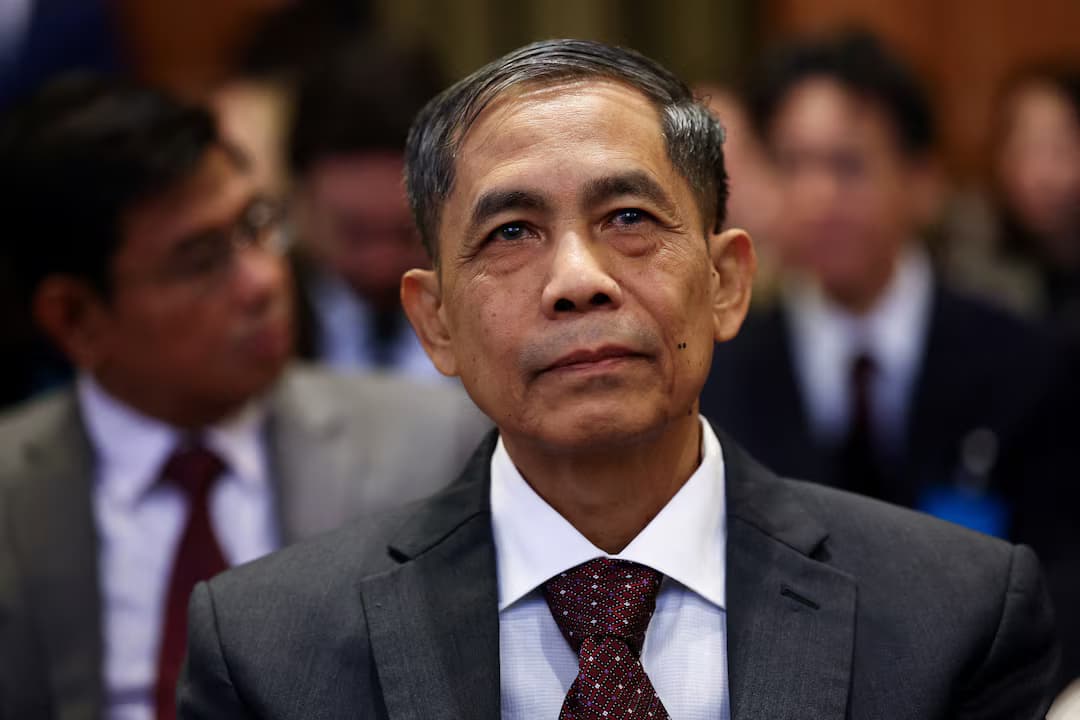
    ICJ Ruling on Myanmar Genocide Case

    International Court of Justice (ICJ) Judgment Summary - The Gambia v. Myanmar

    Key Facts and Findings:

    • Date of Judgment: November 19, 2022.
    • Case: The Gambia v. Myanmar.
    • Subject: Genocide against the Rohingya population during military operations in Rakhine State, 2017.
    • Judgment: Myanmar found responsible for committing genocide and breaching obligations to prevent and punish genocide.

    Genocide Details:

    • Estimated 10,000 Rohingya killed.
    • Incidents of sexual violence, attacks on children, and destruction of villages reported.
    • Over 700,000 Rohingya fled to Bangladesh due to violence and persecution.

    Legal Implications:

    • First explicit finding of state responsibility for genocide by the ICJ.
    • The ruling emphasizes Myanmar’s violation of a January 2020 provisional measures order regarding evidence preservation.
    • The Gambia's standing recognized, allowing any state party to invoke the Genocide Convention for collective interests (erga omnes partes).

    Jurisprudence Development:

    • Clarifies requirements for establishing specific genocidal intent under Article II of the Genocide Convention, which includes proof of harmful acts with intent to destroy a protected group.
    • Recognizes that genocidal intent may coexist with other motives and is not precluded by military objectives or armed conflict.

    Broader Context:

    • The judgment can inform ongoing proceedings, such as South Africa's case against Israel for alleged genocide against Palestinians in Gaza, particularly regarding the evaluation of genocidal intent and military conduct.

    Challenges Ahead:

    • Despite the verdict, the Rohingya's struggle for justice continues.
    • Repatriation requires restored citizenship, security, freedom of movement, and protection from future persecution.
    • Orders for investigation and accountability face significant implementation challenges without an independent enforcement mechanism.
    • The effectiveness of the ruling hinges on state compliance and possible United Nations Security Council (UNSC) action.

    Conclusion:

    • The ICJ ruling may serve as a pivotal moment in international law, contingent on the universal application of its principles to achieve meaningful accountability for genocide.

    Additional Notes:

    • The court's decision marks a critical juncture in international human rights law and the responsibilities of states under the Genocide Convention. International community actions will be crucial in translating legal findings into tangible support for the affected populations.
    ICJ Ruling on Myanmar's Genocide
    International Relations23-Nov-2026

    ICJ Ruling on Myanmar's Genocide

    International Court of Justice (ICJ) Ruling on Myanmar's Rohingya Crisis

    Key Facts and Data:

    • Case Overview: The ICJ ruling addresses Myanmar's military campaign (2016-17) against the Rohingya minority, marking a historic finding of genocide.
    • Casualties: The 2017 military operations in Rakhine State led to over 700,000 Rohingya fleeing to Bangladesh.
    • Citizenship Law: The 1982 Citizenship Law in Myanmar effectively stripped the Rohingya of citizenship, rendering them stateless.

    Judicial Findings:

    • Genocide Definition: The ICJ’s ruling is significant as it establishes Myanmar's "specific intent" to commit genocide, aligning with the 1948 Genocide Convention.
    • Historical Precedents: Previous ICJ judgments, such as in 2007 against Serbia, acknowledged failure to prevent genocide without direct involvement. The Rohingya case represents a stricter interpretation.

    International Implications:

    • Next Steps for International Law: The ruling could affect ongoing legal proceedings, such as South Africa's case against Israel for its actions in Gaza.
    • Enforcement Challenges: The ruling's effectiveness hinges on the UN Security Council's ability to enforce it, which is hindered by veto powers from Russia and China, who support Myanmar's junta and have called for reforms in international governance.

    Humanitarian Concerns:

    • Current Refugee Situation: Bangladesh hosts about 1.2 million Rohingya but has not granted formal refugee status. Living conditions in refugee camps are deteriorating, with restricted movement and employment opportunities.
    • Regional Responses: Countries neighboring Myanmar, such as Malaysia and India, have enacted policies of repatriation or expulsion for Rohingya individuals.

    Recommendations:

    • Pressure on Myanmar: There is a call for the international community to exert pressure on Myanmar to comply with the ICJ's orders regarding internal investigations and compensation for the Rohingya.

    Constitutional and Legal Framework:

    • 1948 Genocide Convention: This international treaty serves as the legal basis for the ICJ's ruling on the actions taken against the Rohingya.

    This summary captures crucial facts, international judicial rulings, and the continuing humanitarian crisis faced by the Rohingya, as well as the broader implications for global governance and justice.

    India's Clean Energy and Strategic Autonomy
    Economic and Social Development23-Nov-2026

    India's Clean Energy and Strategic Autonomy

    Summary of Key Points on India's Strategic Shift Towards Clean Energy

    1. Clean Energy Transition and Strategic Importance

    • India is moving from fossil fuels to clean energy, influencing industrial and strategic power centers.
    • China's dominance in clean energy production and critical minerals:
      • Controls 82% of global solar-module manufacturing.
      • Holds 91% of solar cells and 95% of wafers.
      • Dominates 80% of lithium-ion battery capacity and over 70% of cobalt and lithium processing.

    2. Government Policies and Schemes

    • Export Ban on Lithium-Ion Battery Black Mass: Implemented on November 10 to prioritize domestic refining.
    • Capital Support Scheme: Rs 2,814-crore approved for establishing four domestic lithium and nickel processing plants.
    • Production Linked Incentive (PLI) Schemes: Encouraging domestic production of solar modules and battery components, though still reliant on Chinese supplies.
    • National Critical Mineral Mission (2025): Aims to enhance domestic capabilities in critical minerals.
    India-China Military Talks on LAC
    International Relations23-Nov-2026

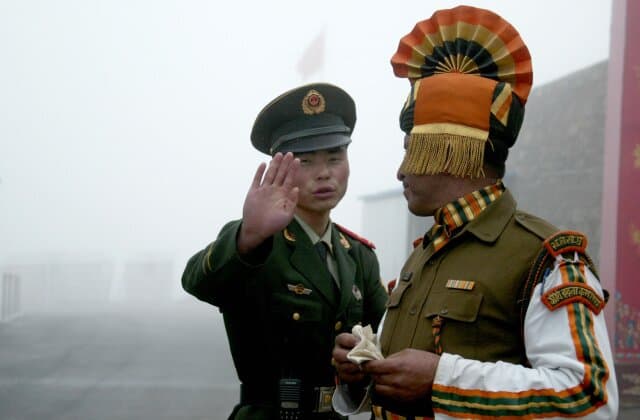
    India-China Military Talks on LAC

    • Corps Commander-Level Talks: India and China engaged in a second round of Corps Commander-level discussions to reduce tensions along the Line of Actual Control (LAC) in Arunachal Pradesh, running from November 8 to November 18, 2026.

    • Key Personnel:

      • Indian delegation led by Lieutenant-General Girish Kalia, General Officer Commanding of the Army's III Corps.
      • Separate participation by Chinese military officials and an official from the Ministry of External Affairs.
    • Focus of Discussions:

      • Establishing engagement protocols to prevent face-offs and miscommunication between troops.
      • Maintaining open communication channels to ease friction along the LAC.
      • The need for timely implementation of discussed measures due to the challenging winter conditions expected in the region, affecting troop sustenance, movement, and logistics.
    • Previous Meetings:

      • The first Corps Commander-level meeting occurred on September 6-7, 2026, at the Wacha-Damai Border Personnel Meeting point in Kibithoo, prompted by tensions in the Taksing area of Upper Subansiri district.
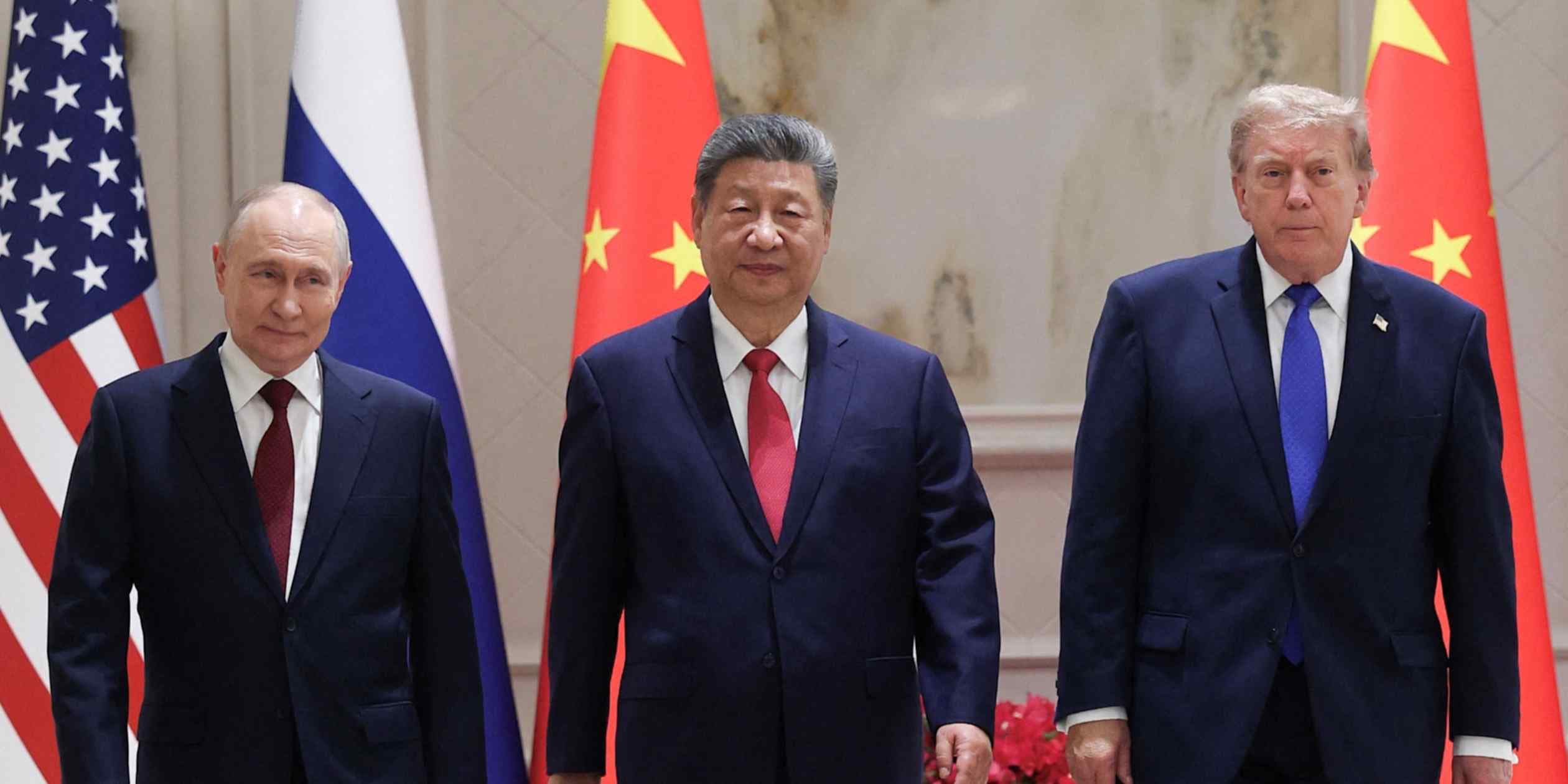
    Major Powers Unite in Shenzhen Meeting
    International Relations23-Nov-2026

    Major Powers Unite in Shenzhen Meeting

    International Meeting of Global Leaders: Key Highlights

    Meeting Overview

    • Participants: Presidents Donald Trump (USA), Vladimir Putin (Russia), and Xi Jinping (China).
    • Location: Shenzhen, China, during the Asia-Pacific Economic Cooperation (APEC) summit.
    • Declaration: Signed a four-point declaration with a focus on global governance and security.

    Key Points of the Declaration

    1. UN Reform: Advocated for changes in the United Nations structure and operations.
    2. Petroleum Production: Plans to enhance the production and supply of refined petroleum products.
    3. International Criminal Court (ICC): Discussion on preventing misuse of jurisdiction by the ICC, relevant particularly to Putin.
    4. Nuclear Proliferation: Commitment to prevent the spread of nuclear weapons.

    Implications

    • Xi Jinping claimed a historical legacy linking the three nations as victors of World War II, emphasizing a "shared responsibility for maintaining international peace."

    3. International Relations and Resource Access

    • India seeks long-term partnerships with resource-rich countries (e.g., Argentina, Chile, DRC, Indonesia, Zambia, and Zimbabwe) to secure access to critical minerals.
    • Khanij Bidesh India Limited (KABIL): Exploring lithium brine blocks in Argentina.

    4. Technological Advancements and Alternatives

    • Israel emphasizes the need for "technological multi-alignment" to develop alternatives such as:
      • Sodium-ion batteries.
      • Green hydrogen.
      • Solid-state batteries.
    • Importance of industry-academia partnerships, skilled manpower, and predictable domestic demand.

    5. Environment and Recycling

    • Emphasis on scaling up recycling initiatives for batteries, solar panels, and e-waste to recover critical minerals.

    6. Challenges and Strategic Autonomy

    • Current production of solar cells and wafers does not meet domestic needs; reliance on Chinese imports continues.
    • Proactive, state-supported industrial strategy is crucial for addressing vulnerabilities in supply chains.
    • Need for a resilient cleantech ecosystem to avoid dependencies, mirroring past vulnerabilities observed during the Ukraine crisis.

    7. Judicial and Constitutional References

    • The need to develop a "technological sovereignty" reflects on India's constitutional commitment to sustainable growth as referenced in the Directive Principles of State Policy (DPSP) concerning the protection and improvement of the environment.

    Conclusion

    India's shift towards a clean energy paradigm not only impacts environmental sustainability but also its strategic independence. Balancing domestic production capabilities while managing external dependencies on technology and resources will be key in achieving true autonomy in the 21st century. Strategic investments, technological diversification, and international collaborations are crucial to this objective.

  • Significance:

    • Military discussions occur alongside diplomatic engagements aimed at improving bilateral relations. For instance, National Security Adviser Ajit Doval and Chinese Foreign Minister Wang Yi had talks in Beijing in August 2026.
  • Security Context: The situation along the Arunachal Pradesh frontier intensified in October 2026, with reports of multiple face-offs between Indian and Chinese troops, highlighting ongoing challenges in the region.

  • Geopolitical Considerations:

    • The LAC remains a crucial point, reflecting broader geopolitical tensions between India and China, requiring continuous diplomatic and military dialogue to ensure stability and peace in the region amidst fluctuating conditions.
  • These engagements and discussions signal attempts to manage complex border dynamics and underscore the importance of proactive measures for communication and conflict avoidance in the Indo-China frontier.

  • Analysts perceive this summit as a strategic gain for Putin amidst ongoing geopolitical tensions, particularly relating to the Ukraine War.
  • Japan's Diplomatic Missteps

    • Japanese Prime Minister Sanae Takaichi's reception was notably cold, reflecting strained relations due to her past comments regarding potential Chinese aggression toward Taiwan.
    • Her failure to secure formal talks with Xi indicates diplomatic isolation.
    • Takaichi had previously described a possible Chinese invasion of Taiwan as a "survival-threatening" scenario for Japan, which has heightened tensions and resulted in Chinese criticism and economic responses.

    Economic Context

    • Shenzhen's Economic Evolution: Transformative growth from a fishing village to a major technology hub housing companies like Huawei and Tencent, attributed to the establishment of Special Economic Zones post-economic liberalization.
    • Trump praised Shenzhen as a model city, presenting a contrast with the state of American infrastructure.

    Broader Implications

    • The convergence of these three powers highlights a shift in global dynamics and a potential realignment of international alliances, with concerns about the implications for traditional US allies and the liberal global order.
    • The cooperative dialogue among these nations raises questions about future international negotiations, particularly regarding security and economic collaborations.

    Regional Tensions

    • Chinese state media criticism of Takaichi underscores the delicate balancing act in regional diplomacy, particularly concerning Taiwan's status and Japan's defense stance.
    • Specific threats from Chinese officials indicate a heightened sense of nationalism and assertiveness in territorial disputes.

    Conclusion

    The meeting at Shenzhen serves as a crucial indicator of the evolving geopolitical landscape, showcasing both collaboration and conflict among global powers. The ramifications of these discussions will shape international relations and economic policies in the coming years.