iAspirants
Current AffairsPrelims PYQsUPSC CSE SyllabusUPSC CSE StrategyBlogsPricing
Login
iAspirants
Current AffairsPrelims PYQsUPSC CSE SyllabusUPSC CSE StrategyBlogsPricingContact UsLoginSignUp
iAspirants

Your AI-powered companion for UPSC preparation.

Study Resources

  • Current Affairs
  • Prelims PYQs
  • UPSC CSE Syllabus
  • UPSC CSE Strategy
  • Blogs

Practice & Plans

  • Mains Answer Evaluation
  • Pricing
  • Sign Up
  • Login

Company

  • Home
  • About Us
  • Contact Us
  • FAQs

Legal

  • Privacy Policy
  • Terms & Conditions
  • Return Policy

© 2026 iAspirants, Inc. All rights reserved.

  1. Blogs
  2. International Relations

ICJ Ruling on Myanmar's Genocide

Published on: 23-Nov-2026

Source: Indian Express

Share this post
ICJ Ruling on Myanmar's Genocide

Article Summary

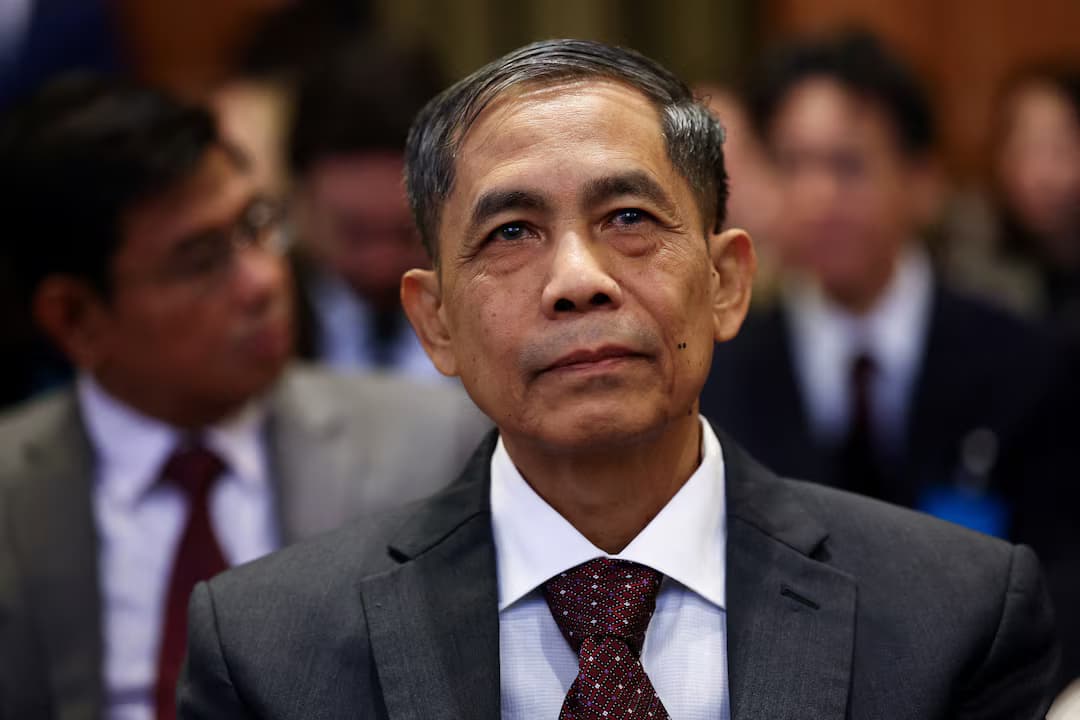
International Court of Justice (ICJ) Ruling on Myanmar's Rohingya Crisis

Key Facts and Data:

  • Case Overview: The ICJ ruling addresses Myanmar's military campaign (2016-17) against the Rohingya minority, marking a historic finding of genocide.
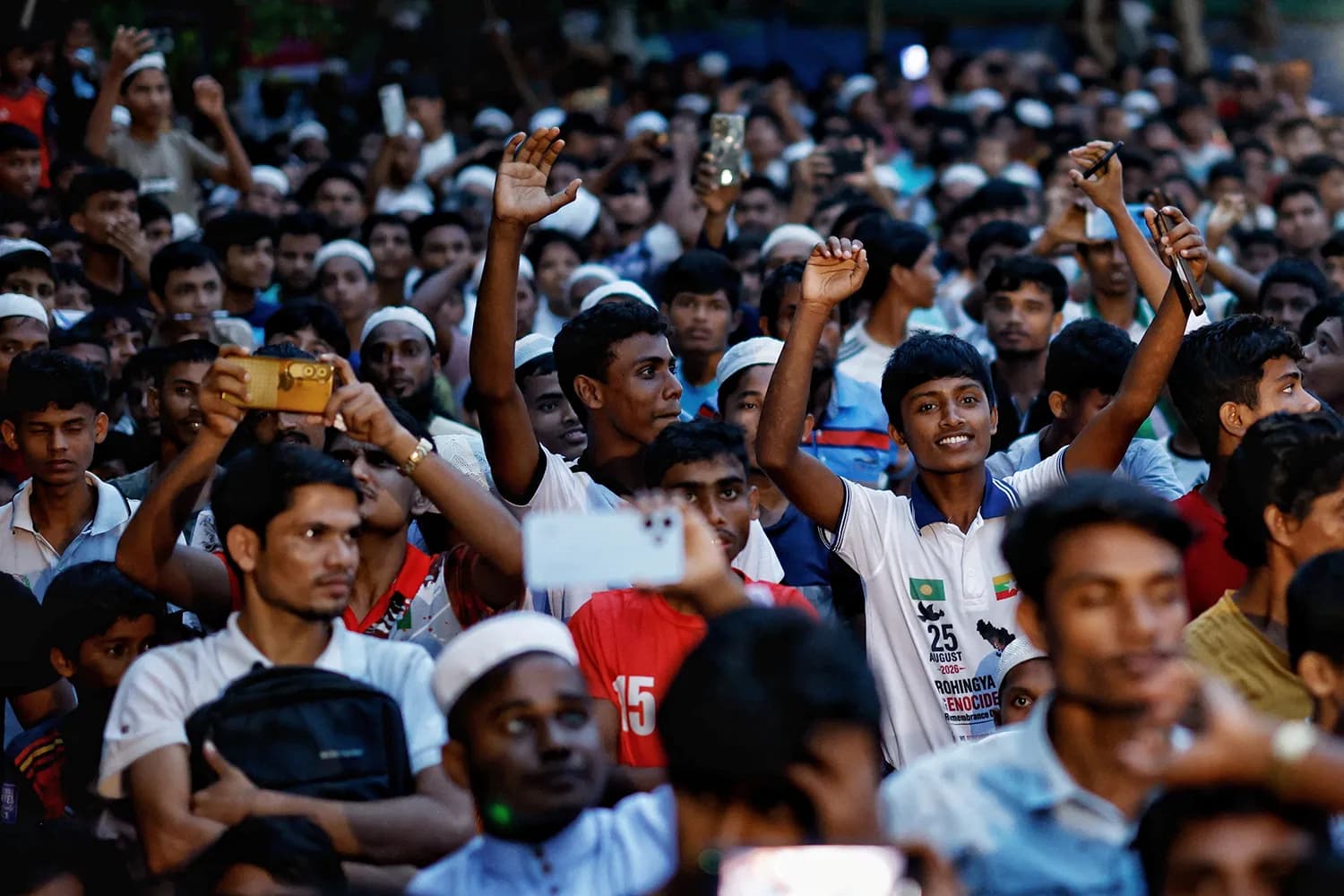
  • Casualties: The 2017 military operations in Rakhine State led to over 700,000 Rohingya fleeing to Bangladesh.
  • Citizenship Law: The 1982 Citizenship Law in Myanmar effectively stripped the Rohingya of citizenship, rendering them stateless.

Judicial Findings:

  • Genocide Definition: The ICJ’s ruling is significant as it establishes Myanmar's "specific intent" to commit genocide, aligning with the 1948 Genocide Convention.
  • Historical Precedents: Previous ICJ judgments, such as in 2007 against Serbia, acknowledged failure to prevent genocide without direct involvement. The Rohingya case represents a stricter interpretation.

International Implications:

  • Next Steps for International Law: The ruling could affect ongoing legal proceedings, such as South Africa's case against Israel for its actions in Gaza.
  • Enforcement Challenges: The ruling's effectiveness hinges on the UN Security Council's ability to enforce it, which is hindered by veto powers from Russia and China, who support Myanmar's junta and have called for reforms in international governance.

Humanitarian Concerns:

  • Current Refugee Situation: Bangladesh hosts about 1.2 million Rohingya but has not granted formal refugee status. Living conditions in refugee camps are deteriorating, with restricted movement and employment opportunities.
  • Regional Responses: Countries neighboring Myanmar, such as Malaysia and India, have enacted policies of repatriation or expulsion for Rohingya individuals.

Recommendations:

  • Pressure on Myanmar: There is a call for the international community to exert pressure on Myanmar to comply with the ICJ's orders regarding internal investigations and compensation for the Rohingya.

Constitutional and Legal Framework:

  • 1948 Genocide Convention: This international treaty serves as the legal basis for the ICJ's ruling on the actions taken against the Rohingya.

This summary captures crucial facts, international judicial rulings, and the continuing humanitarian crisis faced by the Rohingya, as well as the broader implications for global governance and justice.

Key Terms & Concepts

International Court of JusticeRuling on Myanmar's actions
1948 Genocide ConventionLegal framework for genocide
1982 citizenship lawRendered Rohingya stateless
Rakhine StateLocation of military clearance operations
700,000 RohingyaDisplaced into Bangladesh
The GambiaPlaintiff in ICJ case
South AfricaFiling case against Israel
UN Security CouncilCan enforce ICJ ruling
Russia and ChinaVeto power in UN
1.2 million RohingyaResiding in Bangladesh
MalaysiaSending Rohingya back to Myanmar
TurkeyPlanned resettlement of Rohingya
India

Mind Map for UPSC Civil Services Revision

Turn UPSC Civil Services Current Affairs Into Exam-Ready Notes

Reading International Relations current affairs is half the work. Revise them with ready-made notes and test what actually stuck.

  • Daily UPSC Civil Services current affairs analysis
  • Revision notes, mind maps & MCQs
  • Prelims mock tests with instant results

Related UPSC Civil Services Current Affairs Articles

India's Clean Energy and Strategic Autonomy
Economic and Social Development23-Nov-2026

India's Clean Energy and Strategic Autonomy

Summary of Key Points on India's Strategic Shift Towards Clean Energy

1. Clean Energy Transition and Strategic Importance

  • India is moving from fossil fuels to clean energy, influencing industrial and strategic power centers.
  • China's dominance in clean energy production and critical minerals:
Carrying out expulsions
Practise Mains answer writingUpload a handwritten answer and get it evaluated
  • Controls 82% of global solar-module manufacturing.
  • Holds 91% of solar cells and 95% of wafers.
  • Dominates 80% of lithium-ion battery capacity and over 70% of cobalt and lithium processing.

2. Government Policies and Schemes

  • Export Ban on Lithium-Ion Battery Black Mass: Implemented on November 10 to prioritize domestic refining.
  • Capital Support Scheme: Rs 2,814-crore approved for establishing four domestic lithium and nickel processing plants.
  • Production Linked Incentive (PLI) Schemes: Encouraging domestic production of solar modules and battery components, though still reliant on Chinese supplies.
  • National Critical Mineral Mission (2025): Aims to enhance domestic capabilities in critical minerals.

3. International Relations and Resource Access

  • India seeks long-term partnerships with resource-rich countries (e.g., Argentina, Chile, DRC, Indonesia, Zambia, and Zimbabwe) to secure access to critical minerals.
  • Khanij Bidesh India Limited (KABIL): Exploring lithium brine blocks in Argentina.

4. Technological Advancements and Alternatives

  • Israel emphasizes the need for "technological multi-alignment" to develop alternatives such as:
    • Sodium-ion batteries.
    • Green hydrogen.
    • Solid-state batteries.
  • Importance of industry-academia partnerships, skilled manpower, and predictable domestic demand.

5. Environment and Recycling

  • Emphasis on scaling up recycling initiatives for batteries, solar panels, and e-waste to recover critical minerals.

6. Challenges and Strategic Autonomy

  • Current production of solar cells and wafers does not meet domestic needs; reliance on Chinese imports continues.
  • Proactive, state-supported industrial strategy is crucial for addressing vulnerabilities in supply chains.
  • Need for a resilient cleantech ecosystem to avoid dependencies, mirroring past vulnerabilities observed during the Ukraine crisis.

7. Judicial and Constitutional References

  • The need to develop a "technological sovereignty" reflects on India's constitutional commitment to sustainable growth as referenced in the Directive Principles of State Policy (DPSP) concerning the protection and improvement of the environment.

Conclusion

India's shift towards a clean energy paradigm not only impacts environmental sustainability but also its strategic independence. Balancing domestic production capabilities while managing external dependencies on technology and resources will be key in achieving true autonomy in the 21st century. Strategic investments, technological diversification, and international collaborations are crucial to this objective.

India-China Military Talks on LAC
International Relations23-Nov-2026

India-China Military Talks on LAC

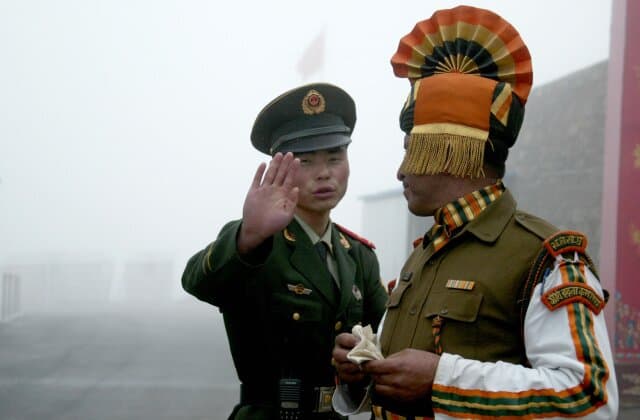
  • Corps Commander-Level Talks: India and China engaged in a second round of Corps Commander-level discussions to reduce tensions along the Line of Actual Control (LAC) in Arunachal Pradesh, running from November 8 to November 18, 2026.

  • Key Personnel:

    • Indian delegation led by Lieutenant-General Girish Kalia, General Officer Commanding of the Army's III Corps.
    • Separate participation by Chinese military officials and an official from the Ministry of External Affairs.
  • Focus of Discussions:

    • Establishing engagement protocols to prevent face-offs and miscommunication between troops.
    • Maintaining open communication channels to ease friction along the LAC.
    • The need for timely implementation of discussed measures due to the challenging winter conditions expected in the region, affecting troop sustenance, movement, and logistics.
  • Previous Meetings:

    • The first Corps Commander-level meeting occurred on September 6-7, 2026, at the Wacha-Damai Border Personnel Meeting point in Kibithoo, prompted by tensions in the Taksing area of Upper Subansiri district.
  • Significance:

    • Military discussions occur alongside diplomatic engagements aimed at improving bilateral relations. For instance, National Security Adviser Ajit Doval and Chinese Foreign Minister Wang Yi had talks in Beijing in August 2026.
  • Security Context: The situation along the Arunachal Pradesh frontier intensified in October 2026, with reports of multiple face-offs between Indian and Chinese troops, highlighting ongoing challenges in the region.

  • Geopolitical Considerations:

    • The LAC remains a crucial point, reflecting broader geopolitical tensions between India and China, requiring continuous diplomatic and military dialogue to ensure stability and peace in the region amidst fluctuating conditions.

These engagements and discussions signal attempts to manage complex border dynamics and underscore the importance of proactive measures for communication and conflict avoidance in the Indo-China frontier.

Major Powers Unite in Shenzhen Meeting
International Relations23-Nov-2026

Major Powers Unite in Shenzhen Meeting

International Meeting of Global Leaders: Key Highlights

Meeting Overview

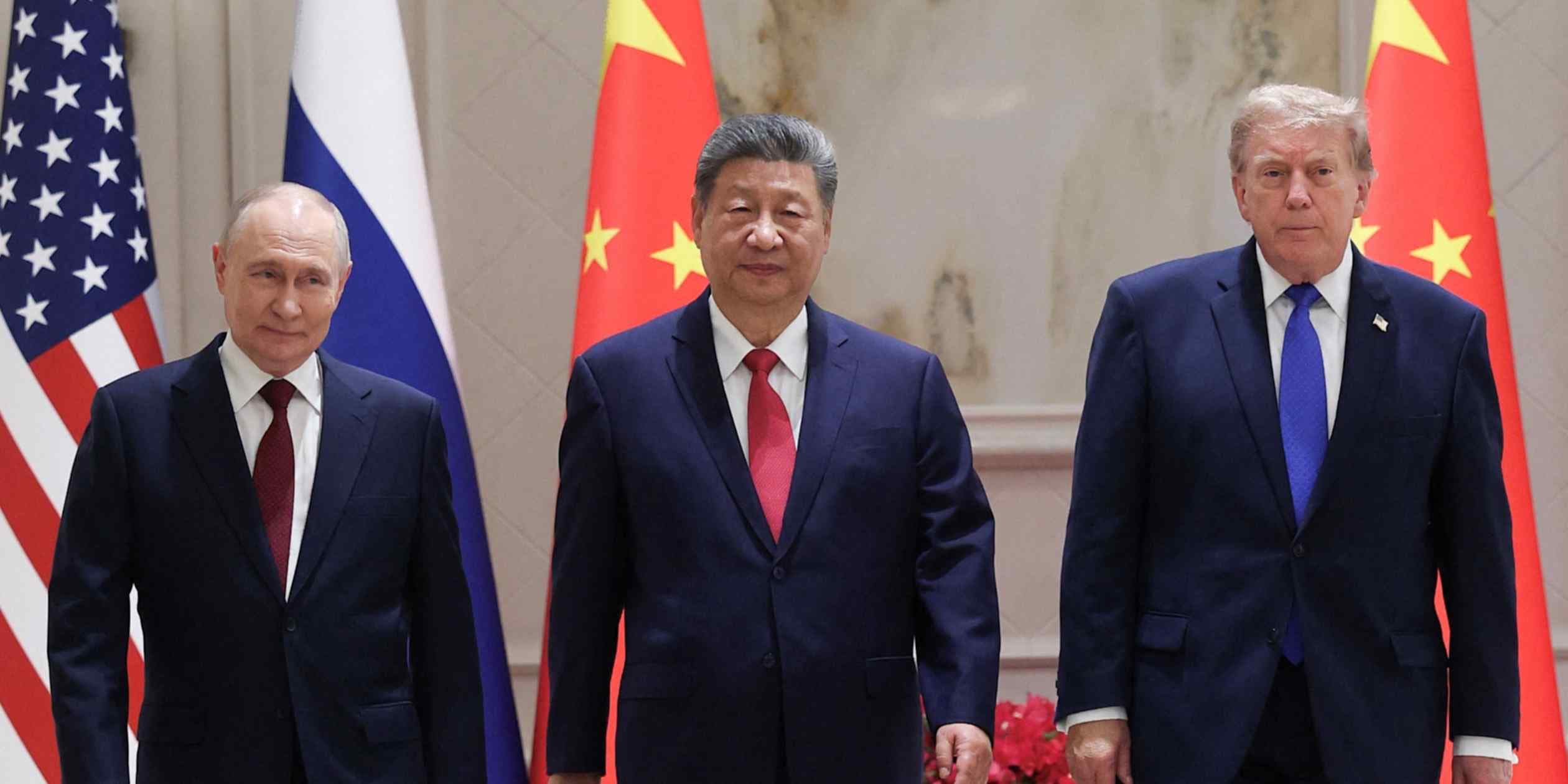
  • Participants: Presidents Donald Trump (USA), Vladimir Putin (Russia), and Xi Jinping (China).
  • Location: Shenzhen, China, during the Asia-Pacific Economic Cooperation (APEC) summit.
  • Declaration: Signed a four-point declaration with a focus on global governance and security.

Key Points of the Declaration

  1. UN Reform: Advocated for changes in the United Nations structure and operations.
  2. Petroleum Production: Plans to enhance the production and supply of refined petroleum products.
  3. International Criminal Court (ICC): Discussion on preventing misuse of jurisdiction by the ICC, relevant particularly to Putin.
  4. Nuclear Proliferation: Commitment to prevent the spread of nuclear weapons.

Implications

  • Xi Jinping claimed a historical legacy linking the three nations as victors of World War II, emphasizing a "shared responsibility for maintaining international peace."
  • Analysts perceive this summit as a strategic gain for Putin amidst ongoing geopolitical tensions, particularly relating to the Ukraine War.

Japan's Diplomatic Missteps

  • Japanese Prime Minister Sanae Takaichi's reception was notably cold, reflecting strained relations due to her past comments regarding potential Chinese aggression toward Taiwan.
  • Her failure to secure formal talks with Xi indicates diplomatic isolation.
  • Takaichi had previously described a possible Chinese invasion of Taiwan as a "survival-threatening" scenario for Japan, which has heightened tensions and resulted in Chinese criticism and economic responses.

Economic Context

  • Shenzhen's Economic Evolution: Transformative growth from a fishing village to a major technology hub housing companies like Huawei and Tencent, attributed to the establishment of Special Economic Zones post-economic liberalization.
  • Trump praised Shenzhen as a model city, presenting a contrast with the state of American infrastructure.

Broader Implications

  • The convergence of these three powers highlights a shift in global dynamics and a potential realignment of international alliances, with concerns about the implications for traditional US allies and the liberal global order.
  • The cooperative dialogue among these nations raises questions about future international negotiations, particularly regarding security and economic collaborations.

Regional Tensions

  • Chinese state media criticism of Takaichi underscores the delicate balancing act in regional diplomacy, particularly concerning Taiwan's status and Japan's defense stance.
  • Specific threats from Chinese officials indicate a heightened sense of nationalism and assertiveness in territorial disputes.

Conclusion

The meeting at Shenzhen serves as a crucial indicator of the evolving geopolitical landscape, showcasing both collaboration and conflict among global powers. The ramifications of these discussions will shape international relations and economic policies in the coming years.

ICJ Rules Genocide Against Rohingya
International Relations21-Nov-2026

ICJ Rules Genocide Against Rohingya

International Court of Justice (ICJ) Ruling on Myanmar

Key Facts and Legal Precedents:

  • The ICJ ruled that Myanmar is guilty of genocide against the Rohingya minority during the military campaign of 2016-17.
  • This marks a significant precedent as it is the first time a state has been found guilty of genocide under the 1948 Genocide Convention.
  • The court utilized the “specific intent” (dolus specialis) principle to establish genocidal intent based on overwhelming evidence.

Historical Context:

  • The Rohingya have faced prolonged persecution, exacerbated by the 1982 citizenship law, rendering the majority stateless.
  • The 2017 military operations in northern Rakhine State led to mass killings and sexual violence, forcing over 700,000 Rohingya to flee to Bangladesh.

Judicial Implications:

  • The ICJ highlighted that the evidence points to genocidal intent being the only reasonable conclusion for the atrocities committed.
  • This ruling could influence ongoing cases, such as South Africa's case against Israel regarding actions in Gaza.

Challenges to Enforcement:

  • Although the verdict represents a moral victory, enforcement poses significant challenges:
    • Only the UN Security Council can implement ICJ rulings.
    • Russia and China, which support Myanmar’s junta, hold veto power in the Security Council.
  • On the same day as the ruling, the US, Russia, and China collectively called for reform of the UN and also criticized bodies like the International Criminal Court.

Humanitarian Situation:

  • Bangladesh, hosting about 1.2 million Rohingya, does not formally recognize them as refugees, which restricts their movement and employment opportunities.
  • Conditions in refugee camps are worsening amid dwindling aid.
  • Malaysia has begun sending Rohingya back to Myanmar and plans to resettle 10,000 in Turkey.
  • India has adopted a similar stance, undertaking expulsions of Rohingya individuals.

Recommendations for International Response:

  • There is a pressing need for countries to exert pressure on Myanmar to heed the ICJ ruling.
  • Suggested actions include facilitating internal investigations, and ensuring restitution and compensation for the affected Rohingya population.

Conclusion:

The ICJ's ruling against Myanmar signifies a critical development in international law but indicates a complex geopolitical landscape that may hinder the resolution of the Rohingya crisis. The plight of the Rohingya continues despite a landmark judicial verdict, underlining the vital role of international cooperation in addressing humanitarian issues.

India Hosts First SCO Dialogue Forum
International Relations21-Nov-2026

India Hosts First SCO Dialogue Forum

Key Points from the Shanghai Cooperation Organisation (SCO) Civilisational Dialogue Forum

  1. Event Overview:

    • The first SCO Civilisational Dialogue Forum was held at Purana Qila, New Delhi.
    • Attendees included SCO ministers, ambassadors, scholars, artists, and other dignitaries, emphasizing multilateral discussions.
  2. Prime Minister’s Address:

    • PM Narendra Modi highlighted the importance of civilisational dialogue for global peace.
    • Stressed cultural connections as vital for ensuring peace amidst global unrest.
    • Referenced India's cultural philosophy of "Vasudhaiva Kutumbakam," asserting that the world is one family, with mutual harmony key to global well-being.
  3. Historical Context:

    • Modi traced historical international collaborations from the Indus Valley Civilization to the Silk Route, underscoring the long-standing cultural ties between regions.
    • Stressed that while empires changed political maps, civilisational dialogues transformed ideas globally.
Nepal PM's Visit to India Overview
International Relations21-Nov-2026

Nepal PM's Visit to India Overview

Summary of Nepal PM Balen Shah's Visit to India

Key Facts:

  • Official Visit Dates: November 21-22, 2026
  • Prime Minister of Nepal: Balen Shah (43rd Prime Minister, took office March 27, 2026)

Agenda Topics:

  • Trade and Commerce
  • Development Partnership
  • Energy and Water Resources
  • Physical and Digital Connectivity
  • Technology and Innovation
  • Sports

Meetings Scheduled:

  • November 21: Meeting with President Droupadi Murmu and External Affairs Minister S. Jaishankar.
  • November 22: Bilateral talks with Prime Minister Narendra Modi.

Context and Significance:

  • The visit continues the tradition of high-level exchanges between India and Nepal, reflecting India's 'Neighbourhood First' policy aimed at strengthening relations.
  • The Ministry of External Affairs (MEA) highlighted the historical, cultural, and civilizational ties between the two nations, emphasizing people-to-people connections.
Quad Leaders' Summit Addresses China Concerns
International Relations20-Nov-2026

Quad Leaders' Summit Addresses China Concerns

Quad Leaders' Summit Overview

  • Participants: Heads of government from India, the US, Japan, and Australia.
  • Location: Manila, Philippines.
  • Context: First summit in over two years; addresses geopolitical dynamics concerning China.

Key Points from Joint Statement:

  • Concerns: Economic coercion, freedom of navigation, and overflight in Asia.
  • Commitments:
    • Securing critical supply chains.
    • Maritime collaboration initiatives.
    • Focus on critical minerals and artificial intelligence.

Significant Initiatives:

  • Quad Ports of the Future Partnership: Fiji port project unveiled in New Delhi in May.
  • US Commitment: Supporting facilities in India and ASEAN for recovering critical minerals.

Future Defense Collaborations:

  • A joint exercise involving patrol aircraft planned for 2027.

Structural Insights:

  • The Quad is not a NATO-like alliance, allowing India to maintain strategic autonomy while fostering cooperation.
  • The flexible structure serves to address varying national interests without the necessity of a formal mutual defense treaty.

US Involvement & Reliability:

  • Involvement persists across different US administrations; actions counter skepticism regarding reliability.
  • Secretary of State Marco Rubio’s visit in May aimed to rejuvenate the Quad cooperation, reaffirmed in Manila.

Economic Implications:

  • The Quad is tasked with providing infrastructure and supply-chain diversification in the face of China's economic dominance.
  • Observers suggest the initiative towards projects may be modest but aim for long-term regional stability.

Strategic Importance:

  • The Quad aims to transform coordination into tangible outcomes to reinforce the economic and security architecture of the Indo-Pacific region.
  • Points to a shifting geopolitical landscape as China engages in destabilizing behaviors in the South and East China Seas.

Conclusion:

  • The primary objective for the Quad is to enhance collective capabilities in a visible and operational manner while strengthening US-India relations through strategic cooperation.
  • Technological Impact:

    • The role of 21st-century technology in enhancing cultural connectivity was emphasized. Digital platforms facilitate knowledge sharing and cultural exchanges quicker than ever before.
  • Establishment Background:

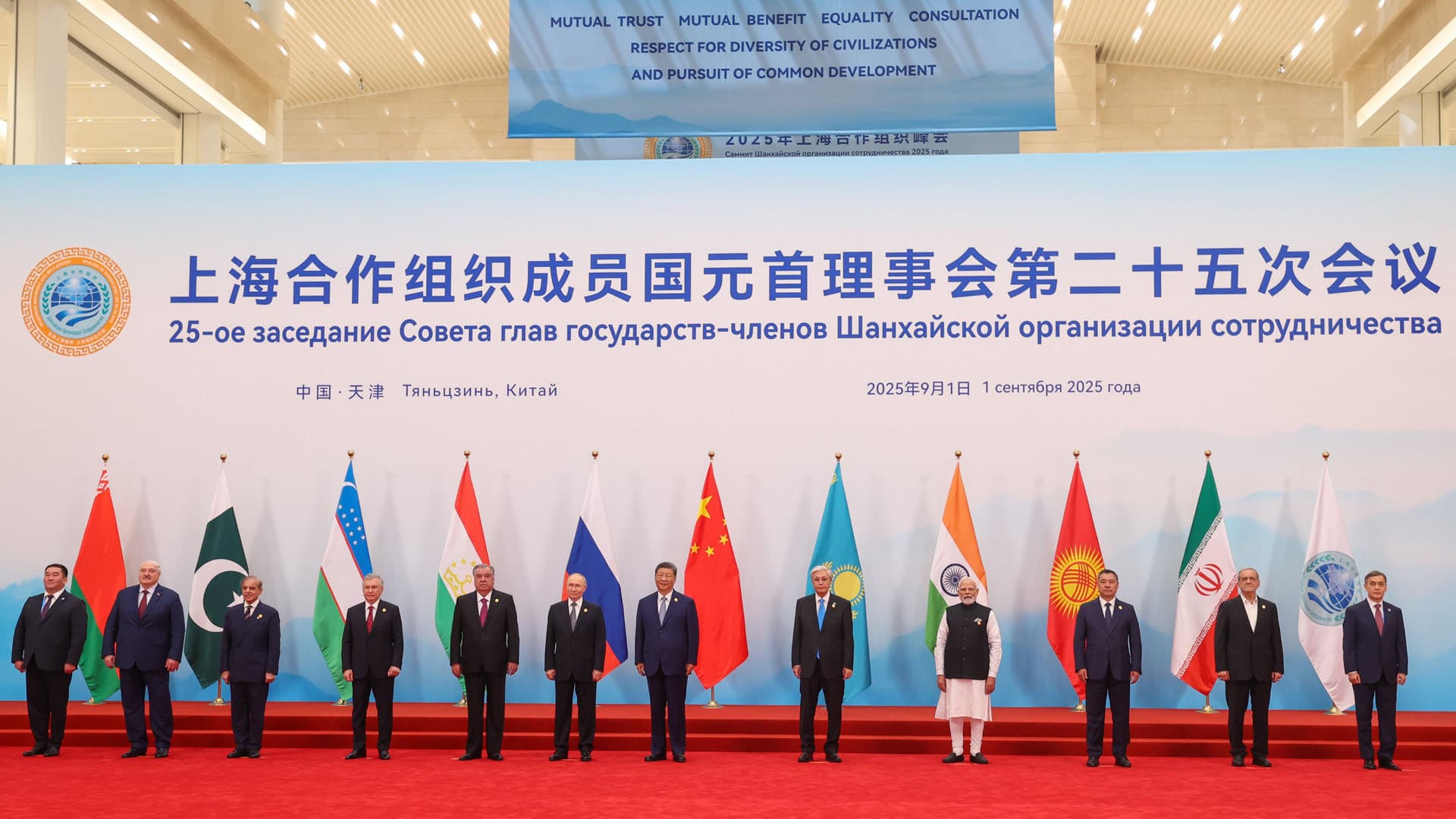
    • The forum builds on a proposal made by Modi during the 2025 SCO Summit in Tianjin, which aimed to establish a dedicated platform for civilisational dialogue.
    • This initiative was endorsed in the Bishkek Declaration during 2026.
  • Cultural Heritage Exhibitions:

    • An exhibit titled "Astitva," inaugurating a showcase of Delhi's archaeological and artistic heritage, featured significant historical artifacts and discoveries from 1200 BCE to 1200 CE.
  • Thematic Sessions:

    • The forum will host thematic discussions over two days, covering:
      • Cultural expressions (music, performing arts, textiles, cuisine).
      • Shared traditions in art and architecture.
      • Language and literary traditions.
      • Monastic trails and philosophical traditions.
  • Multilateral Focus:

    • The event is framed as a multilateral platform for dialogue among SCO member states, with discussions noted by Pakistan's Minister Musadik Masood Malik, who indicated the potential for building understanding while discussing regional issues like cross-border terrorism.
  • Constitutional and International References:

    • While specific Articles or Amendments of the Indian Constitution weren't directly mentioned, the cultural dialogues relate to the country's broader constitutional ethos of promoting fraternity and global cooperation.
    • The SCO exemplifies international cooperation with a focus on cultural and civilisational exchanges.
  • These notes encapsulate the crucial elements of the SCO Civilisational Dialogue Forum as articulated by Prime Minister Modi while emphasizing the broader implications for cultural diplomacy and international relations.

    Recent Bilateral Dynamics:

    • Diplomatic relations faced challenges post-Balen Shah’s restrictions on foreign interactions, which included:
      • A period of no foreign visits for one year.
      • Cancellation of Foreign Secretary Vikram Misri's visit in May 2026 due to non-availability.
    • There were efforts to mend ties, showcased by:
      • Nepal Finance Minister Swarnim Wagle's previous visit to India in September 2026.
      • Nepal PM publicly thanked India for assistance during floods earlier in September.

    Broader Implications:

    • This visit provides an opportunity to review and potentially enhance the cooperative partnership, with a forward-looking perspective to maximize mutual benefits for both nations’ citizens.
    • The engagement reflects Nepal’s strategic balancing of relationships amid regional tensions and its pursuit of improved bilateral cooperation in diverse sectors.

    Government Relationships:

    • The visit is part of Nepal's ongoing strategic engagements, particularly after past incidents that created diplomatic friction, highlighting the importance of consistent communication between the two countries.

    Conclusion:

    Balen Shah's visit to India is pivotal for reevaluating and enhancing the India-Nepal partnership, reaffirming both nations' commitments to strengthen ties across multiple domains. The discussions will seek to further economic collaboration and enhance regional stability, emphasizing Nepal's role in India's broader strategic interests in South Asia.