iAspirants
ICJ Ruling on Myanmar's Genocide Case
Published on:
Source: Indian Express
Share this post

Article Summary
Summary of Key Points on ICJ Ruling Regarding Myanmar and Rohingya
International Court of Justice Ruling:
- The ICJ found Myanmar guilty of genocide against the Rohingya minority and violations of the 1948 Genocide Convention.
- This ruling represents a significant judicial precedent as it is the first instance where a state has been legally determined to have committed genocide.
Historical Context:
- The Rohingya have been subjected to persecution, exacerbated by the 1982 citizenship law in Myanmar, which largely rendered them stateless.
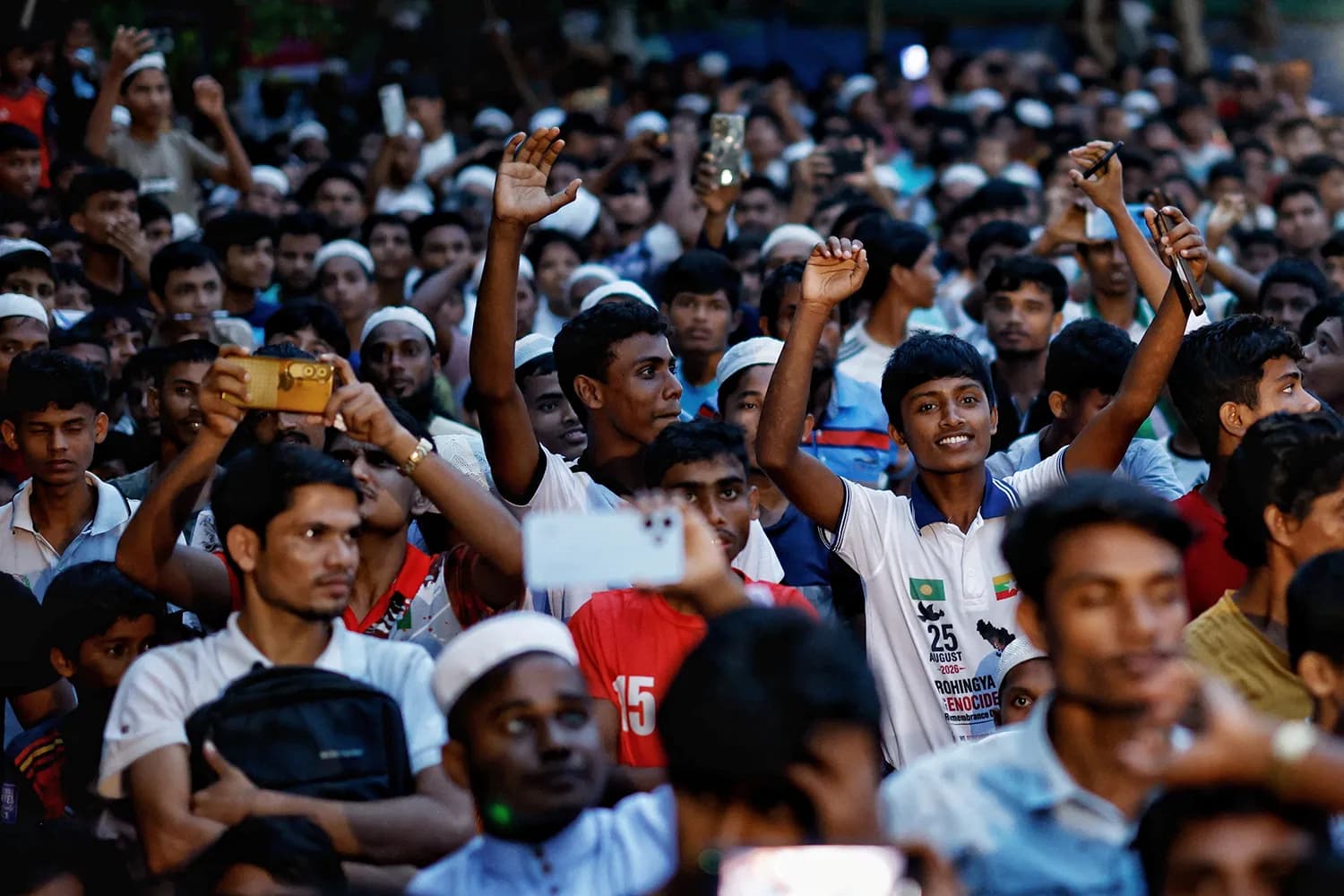
- A military campaign in 2016-2017 resulted in substantial violence, including mass killings and sexual violence, prompting the exodus of over 700,000 Rohingya to Bangladesh.
Legal Interpretation:
- Proving genocide legally requires demonstrating "specific intent" (dolus specialis).
- The ICJ's finding of genocidal intent is based on extensive evidence presented during the case led by The Gambia.
Implications of the Ruling:
- The ruling might influence similar international cases, notably South Africa's case against Israel regarding Gaza.
- The ruling provides a moral victory, but enforcement is limited. Only the UN Security Council holds the power to enforce the decision, and vetoes from Russia and China, which have supported Myanmar’s junta, may obstruct action.
International Political Context:
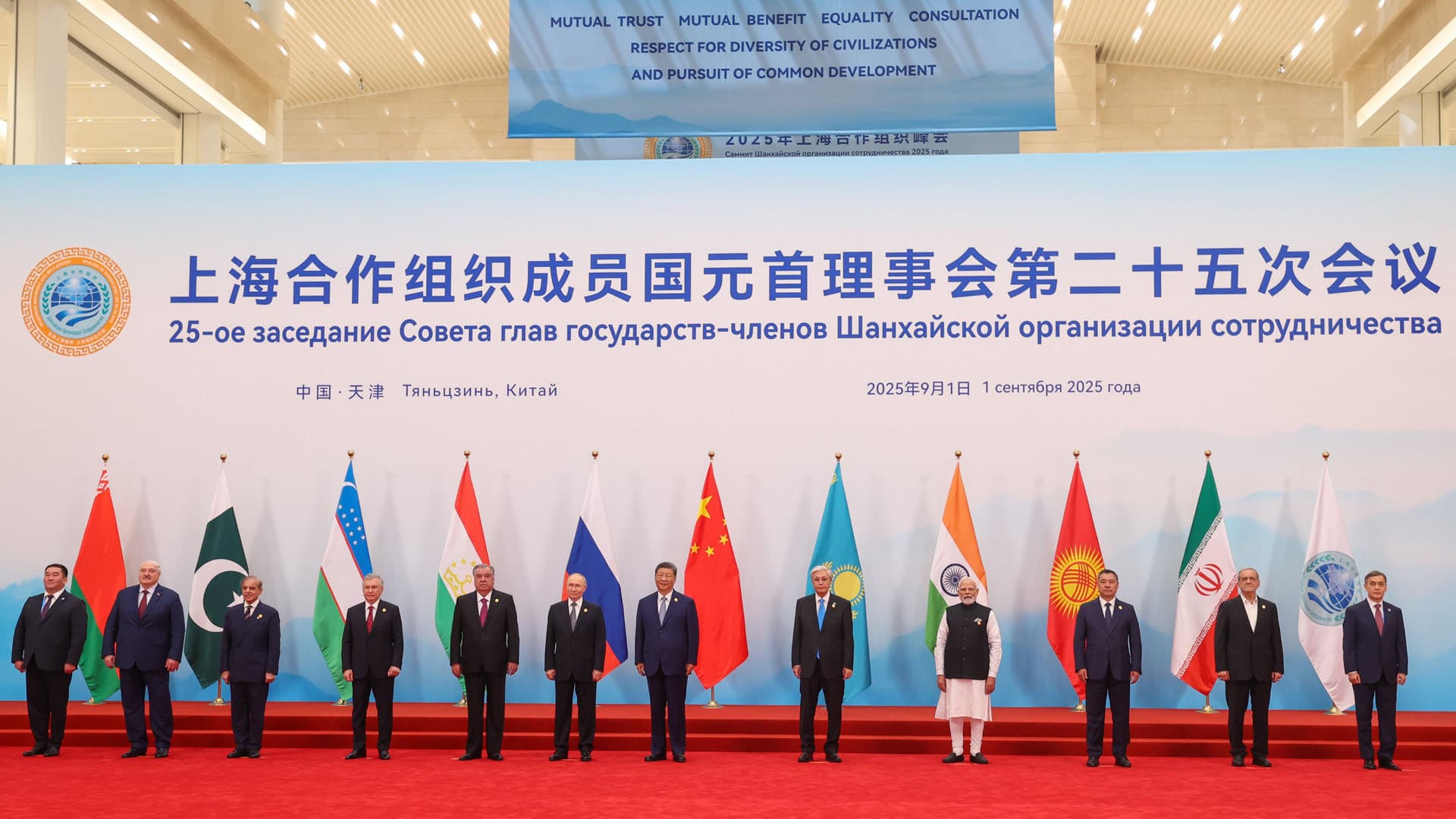
- Major powers (U.S., Russia, China) jointly called for reforms in international institutions highlighted by concerns over the effectiveness of the ICC and similar bodies following the ICJ verdict.
Current Situation of Rohingya Refugees:
- Bangladesh, currently hosting approximately 1.2 million Rohingya, restricts their movement and employment, and has not formally recognized them as refugees. Aid is decreasing, and living conditions are worsening.
- Malaysia has started expelling Rohingya refugees back to Myanmar and announced plans to resettle 10,000 in Turkey.
- India has also been involved in expulsion efforts towards Rohingya individuals.
Recommendations and Urgency:
- There is a pressing need for international pressure on Myanmar to comply with the ICJ's orders related to internal investigations, restitution, and compensation for the affected Rohingya community.
Conclusion
Despite the ICJ's ruling, the prospects for the Rohingya community remain bleak due to ongoing regional political dynamics and the lack of enforcement mechanisms for the court's decisions.
Key Terms & Concepts
| International Court of Justice (ICJ) | Ruled on Myanmar's genocide case |
| 1948 Genocide Convention | Legal framework for genocide |
| Myanmar's 1982 citizenship law | Rendered Rohingya stateless |
| 2017 military clearance operations | Involved violence against Rohingya |
| Bangladesh | Hosts 1.2 million Rohingya |
| South Africa | Filed case against Israel |
| UN Security Council | Can enforce ICJ ruling |
| Russia and China | Hold veto powers at UN |
| Malaysia | Sending Rohingya back to Myanmar |
| Turkey | Planned resettlement of Rohingya |
| India | Carried out Rohingya expulsions |
| UN reform | Joint call by US, Russia, China |