iAspirants
ICJ Rules Genocide Against Rohingya
Published on:
Source: Indian Express
Share this post
Article Summary
International Court of Justice (ICJ) Ruling on Myanmar
Key Facts and Legal Precedents:
- The ICJ ruled that Myanmar is guilty of genocide against the Rohingya minority during the military campaign of 2016-17.
- This marks a significant precedent as it is the first time a state has been found guilty of genocide under the 1948 Genocide Convention.
- The court utilized the “specific intent” (dolus specialis) principle to establish genocidal intent based on overwhelming evidence.
Historical Context:
- The Rohingya have faced prolonged persecution, exacerbated by the 1982 citizenship law, rendering the majority stateless.
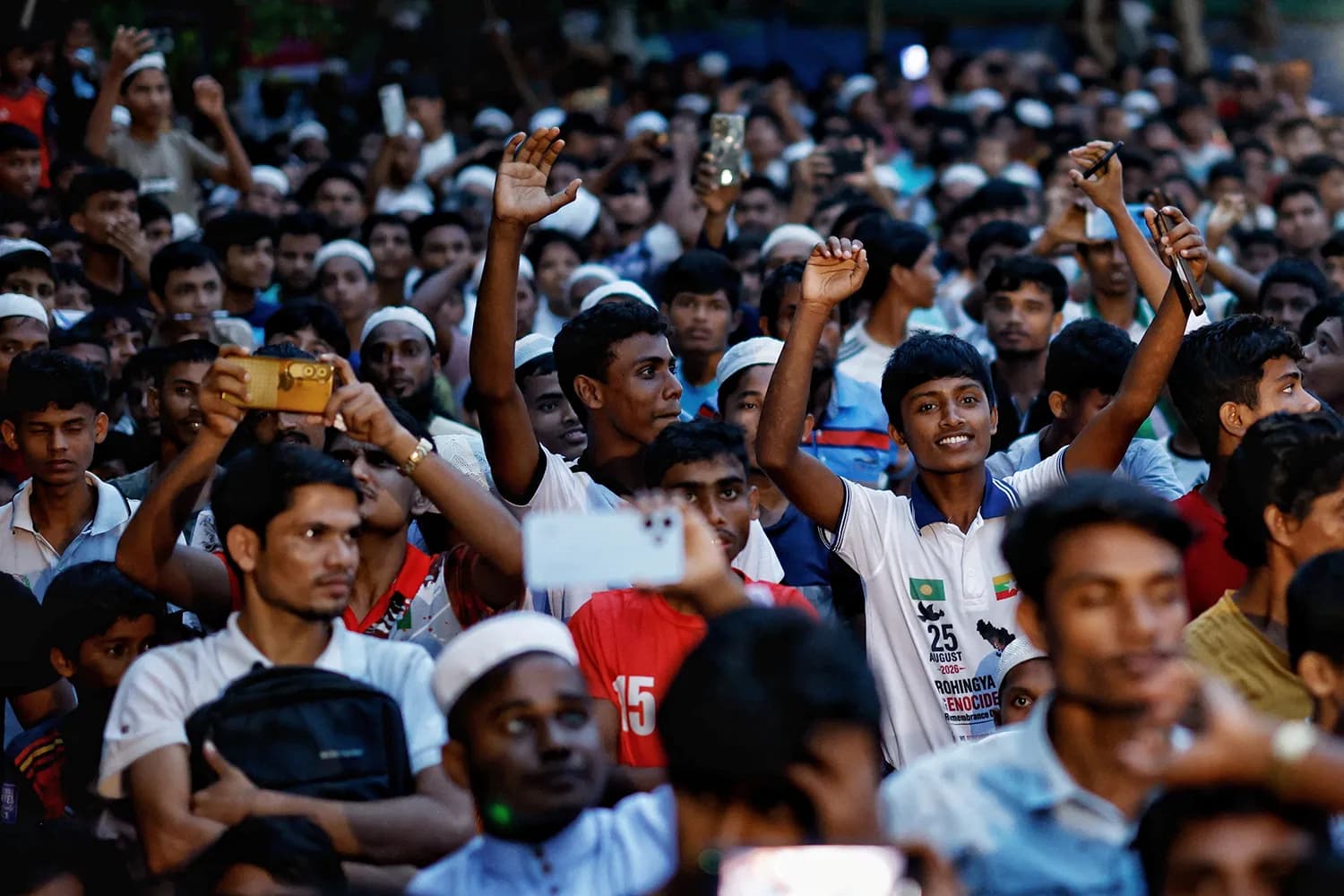
- The 2017 military operations in northern Rakhine State led to mass killings and sexual violence, forcing over 700,000 Rohingya to flee to Bangladesh.
Judicial Implications:
- The ICJ highlighted that the evidence points to genocidal intent being the only reasonable conclusion for the atrocities committed.
- This ruling could influence ongoing cases, such as South Africa's case against Israel regarding actions in Gaza.
Challenges to Enforcement:
- Although the verdict represents a moral victory, enforcement poses significant challenges:
- Only the UN Security Council can implement ICJ rulings.
- Russia and China, which support Myanmar’s junta, hold veto power in the Security Council.
- On the same day as the ruling, the US, Russia, and China collectively called for reform of the UN and also criticized bodies like the International Criminal Court.
Humanitarian Situation:
- Bangladesh, hosting about 1.2 million Rohingya, does not formally recognize them as refugees, which restricts their movement and employment opportunities.
- Conditions in refugee camps are worsening amid dwindling aid.
- Malaysia has begun sending Rohingya back to Myanmar and plans to resettle 10,000 in Turkey.
- India has adopted a similar stance, undertaking expulsions of Rohingya individuals.
Recommendations for International Response:
- There is a pressing need for countries to exert pressure on Myanmar to heed the ICJ ruling.
- Suggested actions include facilitating internal investigations, and ensuring restitution and compensation for the affected Rohingya population.
Conclusion:
The ICJ's ruling against Myanmar signifies a critical development in international law but indicates a complex geopolitical landscape that may hinder the resolution of the Rohingya crisis. The plight of the Rohingya continues despite a landmark judicial verdict, underlining the vital role of international cooperation in addressing humanitarian issues.
Key Terms & Concepts
| International Court of Justice (ICJ) | Highest court ruling on genocide |
| Myanmar | State found guilty of genocide |
| Rohingya | Minority facing genocide |
| 1948 Genocide Convention | Legal framework for genocide |
| 1982 citizenship law | Rendered Rohingya stateless |
| Bangladesh | Host to 1.2 million Rohingya |
| Srebrenica | Site of past genocide ruling |
| UN Security Council | Can enforce ICJ ruling |
| Russia and China | Countries with veto power |
| Turkey | Resettlement country for Rohingya |
| Malaysia | Sending Rohingya back |
| International Criminal Court | Mentioned in context of jurisdiction |
| South Africa |