iAspirants
Current AffairsPrelims PYQsUPSC CSE SyllabusUPSC CSE StrategyBlogsPricing
Login
iAspirants
Current AffairsPrelims PYQsUPSC CSE SyllabusUPSC CSE StrategyBlogsPricingContact UsLoginSignUp
iAspirants

Your AI-powered companion for UPSC preparation.

Study Resources

  • Current Affairs
  • Prelims PYQs
  • UPSC CSE Syllabus
  • UPSC CSE Strategy
  • Blogs

Practice & Plans

  • Mains Answer Evaluation
  • Pricing
  • Sign Up
  • Login

Company

  • Home
  • About Us
  • Contact Us
  • FAQs

Legal

  • Privacy Policy
  • Terms & Conditions
  • Return Policy

© 2026 iAspirants, Inc. All rights reserved.

  1. Blogs
  2. International Relations

Global Conflicts and Forgiveness Challenges

Published on: 22-Nov-2026

Source: The Hindu

Share this post

Global Conflicts and Forgiveness Challenges

Article Summary

The provided text does not contain specific facts, data, statistics, constitutional articles, policies, government schemes, judicial judgments, economic indicators, international events, or science/tech research relevant for educational or exam-oriented notes. Therefore, it does not lend itself to summarization into focused notes based on the outlined criteria.

If you provide a different text with pertinent information, I would be happy to assist you.

Key Terms & Concepts

global conflictsongoing warfare situation
rapprochementprocess of reconciliation
forgivenessconcept of resolving disputes
barbaric practice of retributionnegative consequence of conflict
November 22, 2026date of publication

Mind Map for UPSC Civil Services Revision

Turn UPSC Civil Services Current Affairs Into Exam-Ready Notes

Reading International Relations current affairs is half the work. Revise them with ready-made notes and test what actually stuck.

  • Daily UPSC Civil Services current affairs analysis
  • Revision notes, mind maps & MCQs
  • Prelims mock tests with instant results

Related UPSC Civil Services Current Affairs Articles

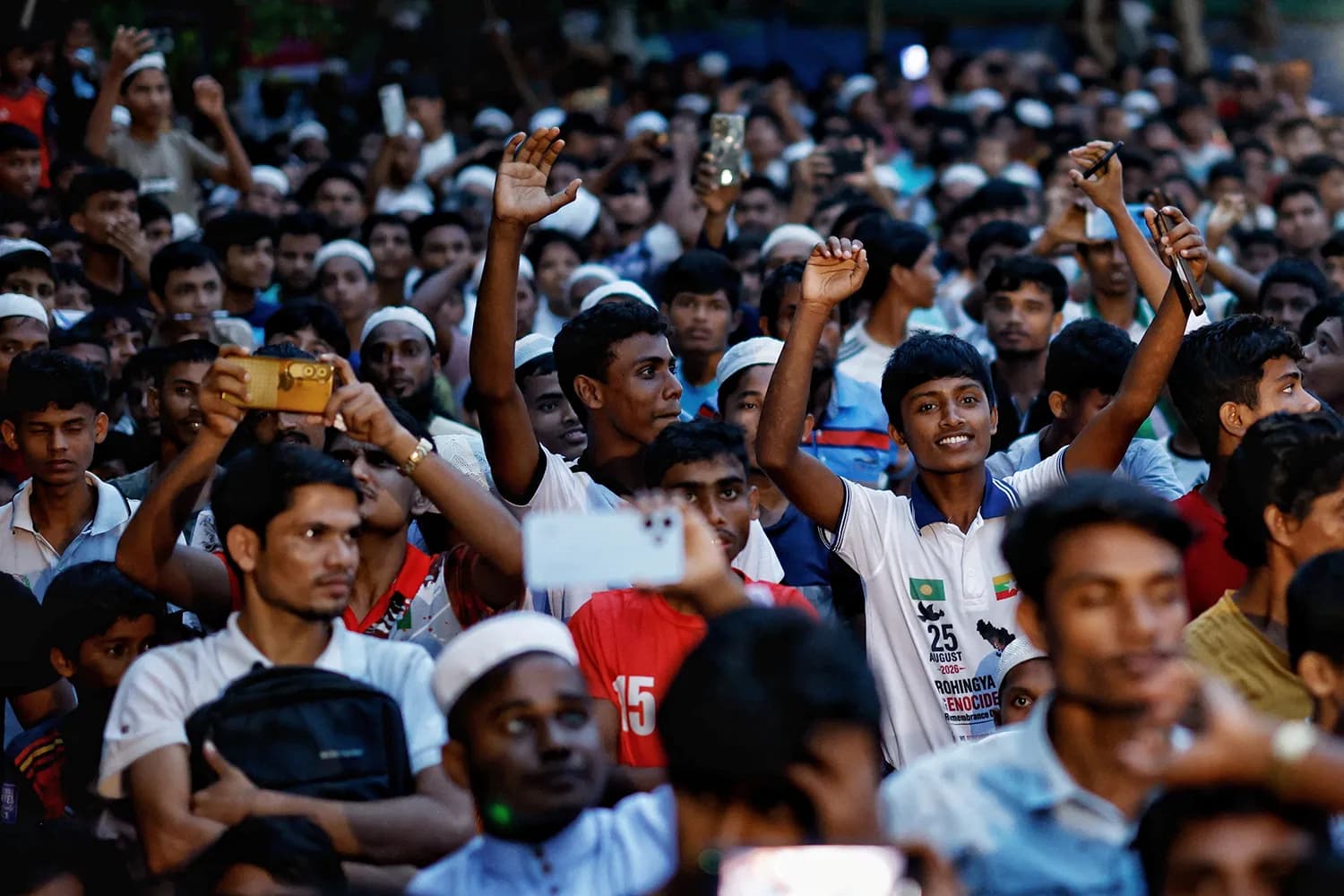
ICJ Ruling on Myanmar's Genocide Case
International Relations22-Nov-2026

ICJ Ruling on Myanmar's Genocide Case

Summary of Key Points on ICJ Ruling Regarding Myanmar and Rohingya

International Court of Justice Ruling:

  • The ICJ found Myanmar guilty of genocide against the Rohingya minority and violations of the 1948 Genocide Convention.
  • This ruling represents a significant judicial precedent as it is the first instance where a state has been legally determined to have committed genocide.
Practise Mains answer writingUpload a handwritten answer and get it evaluated

Historical Context:

  • The Rohingya have been subjected to persecution, exacerbated by the 1982 citizenship law in Myanmar, which largely rendered them stateless.
  • A military campaign in 2016-2017 resulted in substantial violence, including mass killings and sexual violence, prompting the exodus of over 700,000 Rohingya to Bangladesh.

Legal Interpretation:

  • Proving genocide legally requires demonstrating "specific intent" (dolus specialis).
  • The ICJ's finding of genocidal intent is based on extensive evidence presented during the case led by The Gambia.

Implications of the Ruling:

  • The ruling might influence similar international cases, notably South Africa's case against Israel regarding Gaza.
  • The ruling provides a moral victory, but enforcement is limited. Only the UN Security Council holds the power to enforce the decision, and vetoes from Russia and China, which have supported Myanmar’s junta, may obstruct action.

International Political Context:

  • Major powers (U.S., Russia, China) jointly called for reforms in international institutions highlighted by concerns over the effectiveness of the ICC and similar bodies following the ICJ verdict.

Current Situation of Rohingya Refugees:

  • Bangladesh, currently hosting approximately 1.2 million Rohingya, restricts their movement and employment, and has not formally recognized them as refugees. Aid is decreasing, and living conditions are worsening.
  • Malaysia has started expelling Rohingya refugees back to Myanmar and announced plans to resettle 10,000 in Turkey.
  • India has also been involved in expulsion efforts towards Rohingya individuals.

Recommendations and Urgency:

  • There is a pressing need for international pressure on Myanmar to comply with the ICJ's orders related to internal investigations, restitution, and compensation for the affected Rohingya community.

Conclusion

Despite the ICJ's ruling, the prospects for the Rohingya community remain bleak due to ongoing regional political dynamics and the lack of enforcement mechanisms for the court's decisions.

ICJ Ruling on Myanmar's Genocide
International Relations22-Nov-2026

ICJ Ruling on Myanmar's Genocide

International Court of Justice Ruling on Myanmar and Rohingya Genocide

Key Facts:

  • Ruling Date: November 19, 2022
  • Court: International Court of Justice (ICJ)
  • Case Initiated: 2019, by The Gambia
  • Vote Outcome: 9 judges in favor, 6 against

Findings:

  • Genocide Confirmation: Myanmar committed genocide against the Rohingya during military operations in Rakhine State in 2017.
  • Failures by Myanmar:
    • Prevention: Failed to prevent civilians from committing genocide alongside its military.
    • Punishment: Did not prosecute perpetrators of the genocide.
    • Legislation: Did not enact required laws as per the Genocide Convention.
    • Destruction of Evidence: Breached court's 2020 interim order by destroying evidence.

Judicial Orders:

  • Ordered Myanmar to:
    • Conduct investigations and prosecute those responsible for the genocide.
    • Ensure the violations do not recur.
    • Allow “safe, voluntary, and dignified” return of displaced Rohingya.
    • Restore property and provide compensation to the Rohingya (amount to be determined subsequently).

Additional Context:

  • Rejection of Charges: The ICJ rejected by a 14-1 vote the claim that Myanmar directly incited violence against Rohingya.
  • Finality of Judgment: Ruling is final and unappealable.

Historical Background:

  • Rohingya Demographics:

    • The 2014 Census estimated over 1 million Rohingya in Myanmar, primarily in Rakhine State.
    • Reside largely in Maungdaw, Buthidaung, and Rathedaung districts.
  • Cultural Heritage:

    • Rohingya have long-standing historical presence since the Mrauk U kingdom (15th-18th century).
    • The term "Rohingya" took political and ethnic significance in the late 1950s.
  • Colonial History:

    • Migration from Chittagong during British colonial rule contributed to their population in Rakhine.
  • Acknowledge as Ethnic Group:

    • In 1961, recognition of Rohingya as an ethnic group was noted prior to military rule that began in 1962.

Implications:

This ruling sets a significant precedent in international law regarding state accountability for genocide, urging Myanmar to take legal and various other corrective actions for the rights and safety of the Rohingya population.

ICJ Rules Genocide Against Rohingya
International Relations21-Nov-2026

ICJ Rules Genocide Against Rohingya

International Court of Justice (ICJ) Ruling on Myanmar

Key Facts and Legal Precedents:

  • The ICJ ruled that Myanmar is guilty of genocide against the Rohingya minority during the military campaign of 2016-17.
  • This marks a significant precedent as it is the first time a state has been found guilty of genocide under the 1948 Genocide Convention.
  • The court utilized the “specific intent” (dolus specialis) principle to establish genocidal intent based on overwhelming evidence.

Historical Context:

  • The Rohingya have faced prolonged persecution, exacerbated by the 1982 citizenship law, rendering the majority stateless.
  • The 2017 military operations in northern Rakhine State led to mass killings and sexual violence, forcing over 700,000 Rohingya to flee to Bangladesh.

Judicial Implications:

  • The ICJ highlighted that the evidence points to genocidal intent being the only reasonable conclusion for the atrocities committed.
  • This ruling could influence ongoing cases, such as South Africa's case against Israel regarding actions in Gaza.

Challenges to Enforcement:

  • Although the verdict represents a moral victory, enforcement poses significant challenges:
    • Only the UN Security Council can implement ICJ rulings.
    • Russia and China, which support Myanmar’s junta, hold veto power in the Security Council.
  • On the same day as the ruling, the US, Russia, and China collectively called for reform of the UN and also criticized bodies like the International Criminal Court.

Humanitarian Situation:

  • Bangladesh, hosting about 1.2 million Rohingya, does not formally recognize them as refugees, which restricts their movement and employment opportunities.
  • Conditions in refugee camps are worsening amid dwindling aid.
  • Malaysia has begun sending Rohingya back to Myanmar and plans to resettle 10,000 in Turkey.
  • India has adopted a similar stance, undertaking expulsions of Rohingya individuals.

Recommendations for International Response:

  • There is a pressing need for countries to exert pressure on Myanmar to heed the ICJ ruling.
  • Suggested actions include facilitating internal investigations, and ensuring restitution and compensation for the affected Rohingya population.

Conclusion:

The ICJ's ruling against Myanmar signifies a critical development in international law but indicates a complex geopolitical landscape that may hinder the resolution of the Rohingya crisis. The plight of the Rohingya continues despite a landmark judicial verdict, underlining the vital role of international cooperation in addressing humanitarian issues.

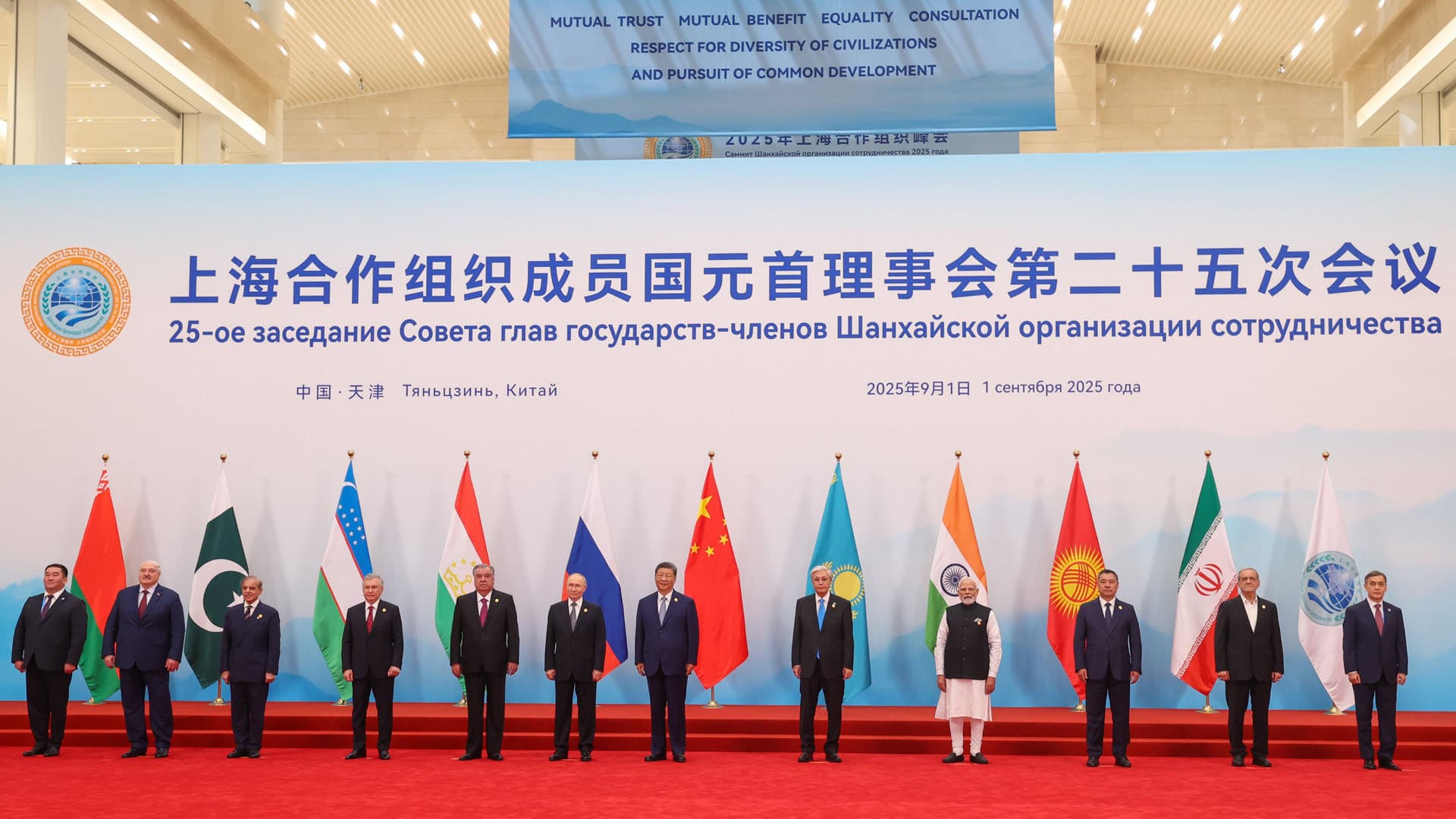
India Hosts First SCO Dialogue Forum
International Relations21-Nov-2026

India Hosts First SCO Dialogue Forum

Key Points from the Shanghai Cooperation Organisation (SCO) Civilisational Dialogue Forum

  1. Event Overview:

    • The first SCO Civilisational Dialogue Forum was held at Purana Qila, New Delhi.
    • Attendees included SCO ministers, ambassadors, scholars, artists, and other dignitaries, emphasizing multilateral discussions.
  2. Prime Minister’s Address:

    • PM Narendra Modi highlighted the importance of civilisational dialogue for global peace.
    • Stressed cultural connections as vital for ensuring peace amidst global unrest.
    • Referenced India's cultural philosophy of "Vasudhaiva Kutumbakam," asserting that the world is one family, with mutual harmony key to global well-being.
  3. Historical Context:

    • Modi traced historical international collaborations from the Indus Valley Civilization to the Silk Route, underscoring the long-standing cultural ties between regions.
    • Stressed that while empires changed political maps, civilisational dialogues transformed ideas globally.
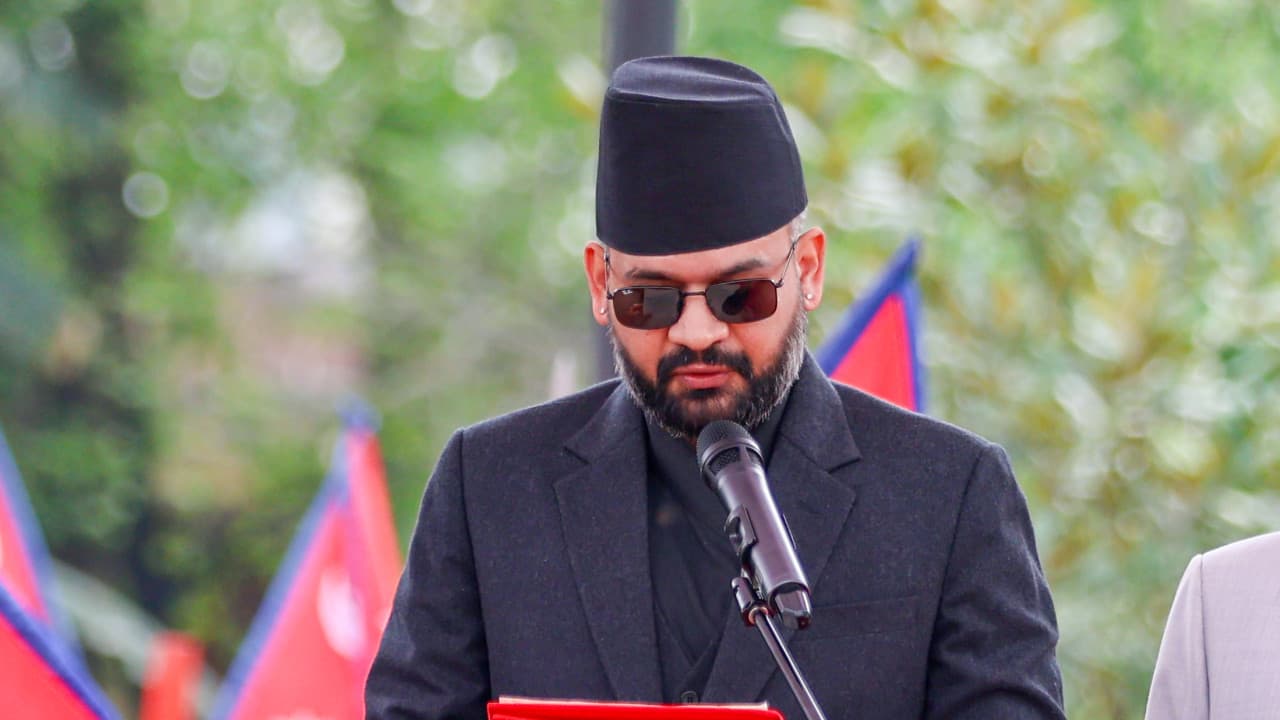
Nepal PM's Visit to India Overview
International Relations21-Nov-2026

Nepal PM's Visit to India Overview

Summary of Nepal PM Balen Shah's Visit to India

Key Facts:

  • Official Visit Dates: November 21-22, 2026
  • Prime Minister of Nepal: Balen Shah (43rd Prime Minister, took office March 27, 2026)

Agenda Topics:

  • Trade and Commerce
  • Development Partnership
  • Energy and Water Resources
  • Physical and Digital Connectivity
  • Technology and Innovation
  • Sports

Meetings Scheduled:

  • November 21: Meeting with President Droupadi Murmu and External Affairs Minister S. Jaishankar.
  • November 22: Bilateral talks with Prime Minister Narendra Modi.

Context and Significance:

  • The visit continues the tradition of high-level exchanges between India and Nepal, reflecting India's 'Neighbourhood First' policy aimed at strengthening relations.
  • The Ministry of External Affairs (MEA) highlighted the historical, cultural, and civilizational ties between the two nations, emphasizing people-to-people connections.
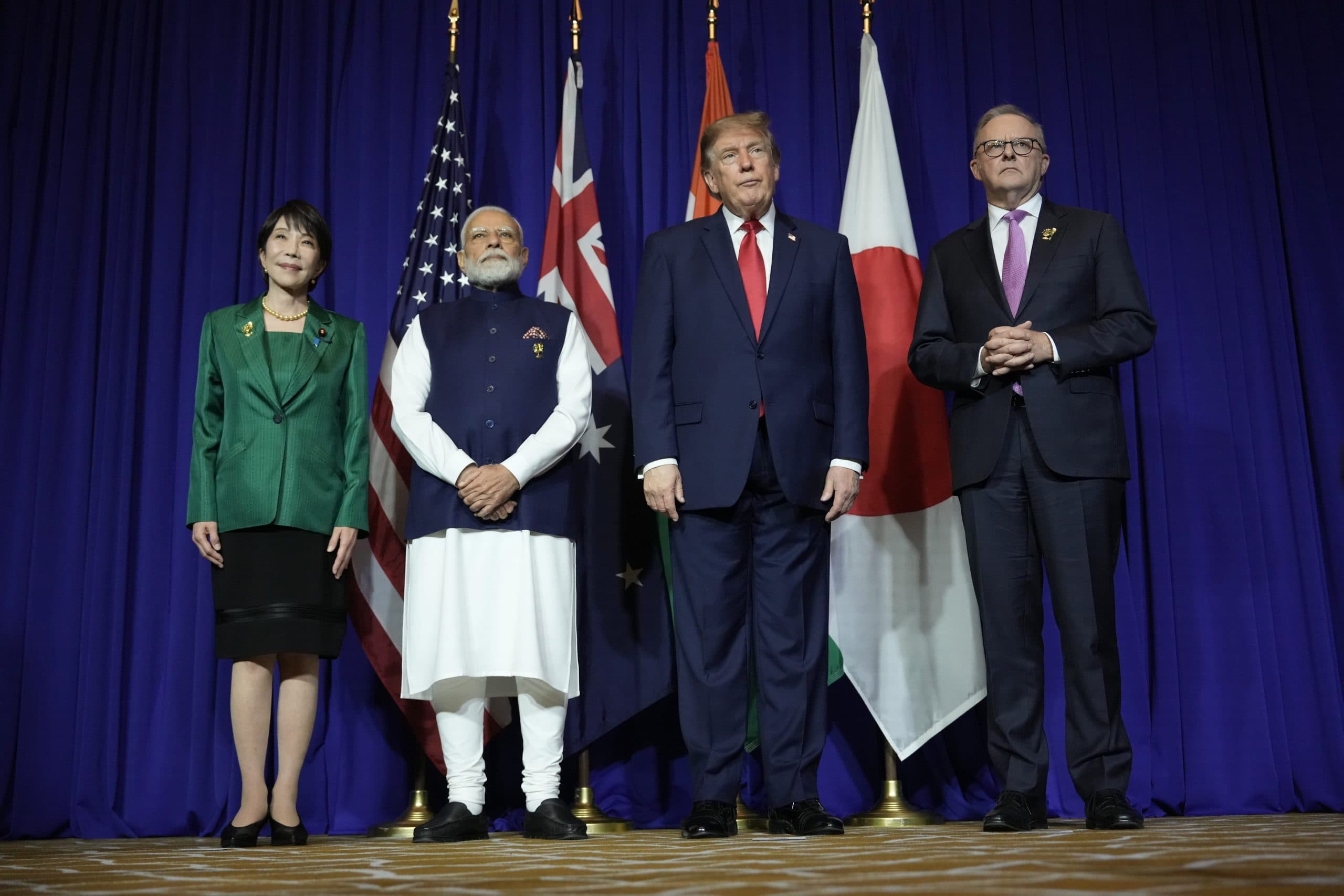
Quad Leaders' Summit Addresses China Concerns
International Relations20-Nov-2026

Quad Leaders' Summit Addresses China Concerns

Quad Leaders' Summit Overview

  • Participants: Heads of government from India, the US, Japan, and Australia.
  • Location: Manila, Philippines.
  • Context: First summit in over two years; addresses geopolitical dynamics concerning China.

Key Points from Joint Statement:

  • Concerns: Economic coercion, freedom of navigation, and overflight in Asia.
  • Commitments:
    • Securing critical supply chains.
    • Maritime collaboration initiatives.
    • Focus on critical minerals and artificial intelligence.

Significant Initiatives:

  • Quad Ports of the Future Partnership: Fiji port project unveiled in New Delhi in May.
  • US Commitment: Supporting facilities in India and ASEAN for recovering critical minerals.

Future Defense Collaborations:

  • A joint exercise involving patrol aircraft planned for 2027.

Structural Insights:

  • The Quad is not a NATO-like alliance, allowing India to maintain strategic autonomy while fostering cooperation.
  • The flexible structure serves to address varying national interests without the necessity of a formal mutual defense treaty.

US Involvement & Reliability:

  • Involvement persists across different US administrations; actions counter skepticism regarding reliability.
  • Secretary of State Marco Rubio’s visit in May aimed to rejuvenate the Quad cooperation, reaffirmed in Manila.

Economic Implications:

  • The Quad is tasked with providing infrastructure and supply-chain diversification in the face of China's economic dominance.
  • Observers suggest the initiative towards projects may be modest but aim for long-term regional stability.

Strategic Importance:

  • The Quad aims to transform coordination into tangible outcomes to reinforce the economic and security architecture of the Indo-Pacific region.
  • Points to a shifting geopolitical landscape as China engages in destabilizing behaviors in the South and East China Seas.

Conclusion:

  • The primary objective for the Quad is to enhance collective capabilities in a visible and operational manner while strengthening US-India relations through strategic cooperation.
  • Technological Impact:

    • The role of 21st-century technology in enhancing cultural connectivity was emphasized. Digital platforms facilitate knowledge sharing and cultural exchanges quicker than ever before.
  • Establishment Background:

    • The forum builds on a proposal made by Modi during the 2025 SCO Summit in Tianjin, which aimed to establish a dedicated platform for civilisational dialogue.
    • This initiative was endorsed in the Bishkek Declaration during 2026.
  • Cultural Heritage Exhibitions:

    • An exhibit titled "Astitva," inaugurating a showcase of Delhi's archaeological and artistic heritage, featured significant historical artifacts and discoveries from 1200 BCE to 1200 CE.
  • Thematic Sessions:

    • The forum will host thematic discussions over two days, covering:
      • Cultural expressions (music, performing arts, textiles, cuisine).
      • Shared traditions in art and architecture.
      • Language and literary traditions.
      • Monastic trails and philosophical traditions.
  • Multilateral Focus:

    • The event is framed as a multilateral platform for dialogue among SCO member states, with discussions noted by Pakistan's Minister Musadik Masood Malik, who indicated the potential for building understanding while discussing regional issues like cross-border terrorism.
  • Constitutional and International References:

    • While specific Articles or Amendments of the Indian Constitution weren't directly mentioned, the cultural dialogues relate to the country's broader constitutional ethos of promoting fraternity and global cooperation.
    • The SCO exemplifies international cooperation with a focus on cultural and civilisational exchanges.
  • These notes encapsulate the crucial elements of the SCO Civilisational Dialogue Forum as articulated by Prime Minister Modi while emphasizing the broader implications for cultural diplomacy and international relations.

    Recent Bilateral Dynamics:

    • Diplomatic relations faced challenges post-Balen Shah’s restrictions on foreign interactions, which included:
      • A period of no foreign visits for one year.
      • Cancellation of Foreign Secretary Vikram Misri's visit in May 2026 due to non-availability.
    • There were efforts to mend ties, showcased by:
      • Nepal Finance Minister Swarnim Wagle's previous visit to India in September 2026.
      • Nepal PM publicly thanked India for assistance during floods earlier in September.

    Broader Implications:

    • This visit provides an opportunity to review and potentially enhance the cooperative partnership, with a forward-looking perspective to maximize mutual benefits for both nations’ citizens.
    • The engagement reflects Nepal’s strategic balancing of relationships amid regional tensions and its pursuit of improved bilateral cooperation in diverse sectors.

    Government Relationships:

    • The visit is part of Nepal's ongoing strategic engagements, particularly after past incidents that created diplomatic friction, highlighting the importance of consistent communication between the two countries.

    Conclusion:

    Balen Shah's visit to India is pivotal for reevaluating and enhancing the India-Nepal partnership, reaffirming both nations' commitments to strengthen ties across multiple domains. The discussions will seek to further economic collaboration and enhance regional stability, emphasizing Nepal's role in India's broader strategic interests in South Asia.