iAspirants
Current AffairsPrelims PYQsUPSC SyllabusBlogsPricing
Login
iAspirants

Your AI-powered companion for UPSC preparation.

Quick Links

  • Home
  • About Us
  • Current Affairs
  • Prelims PYQs
  • UPSC Syllabus
  • Blogs

Company

  • Pricing
  • FAQs
  • Contact Us
  • Login

Legal

  • Privacy Policy
  • Terms & Conditions
  • Return Policy

© 2025 iAspirants, Inc. All rights reserved.

  1. Blogs
  2. History

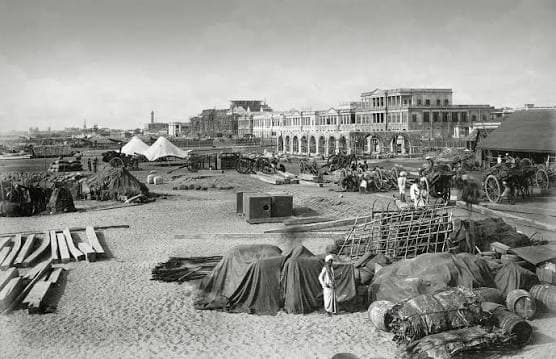
Historical Overview of Chennai's Fishing Settlements

Published on: 22-Aug-2026

Share this post

Historical Overview of Chennai's Fishing Settlements

Article Summary

Exam-Focused Notes on Maquaskuppam and Historical Fishing Settlements

Historical Context

  • Maquaskuppam: An early fishing settlement in Chennai, now non-existent.
  • Etymology: "Maqua" likely derived from "machua," Hindi for fisherfolk.
  • Cultural Markers: Streets named after Narayan and Jaffer Sairangs, indicating historical roles of boatmen as second-in-command (Persian "sarhang").

Fishing and Maritime History

  • Early Maritime Activity: Fishing and boating existed before Islamic merchants arrived.
  • Literary References:
    • Tevaram (7th Century): Appar's verses illustrate metaphorical voyages using boats.
    • Periyapuranam (12th Century): Mylapore depicted as a bustling harbor for trade.
  • Colonial Era:
    • British colonialism transformed the fishing profession; large vessels could not dock near shore, leading to the use of masula boats and catamarans (from Tamil "Kattu Maram").

Economic Aspects

  • Boatmen's Role: Essential for trade; they charged market rates and resisted government regulation, leading to strikes that impacted city commerce.
  • Harbor Development:
    • Madras Chamber of Commerce fought for a proper harbor, which began construction in 1875.
    • Development faced technological and design challenges, delaying completion until the late 1890s.
  • Impact on Boatmen: With the establishment of the harbor, boatmen transitioned back to fishing, becoming marginalized.

Socio-Cultural Observations

  • Marginalization: Boatmen, once pivotal to trade and transport, lost prominence and are now often overlooked in historical narratives.
  • Resilience: Despite challenges, fishing communities have shown resilience and continue to fight for their rights as the city's original inhabitants.

Key Takeaways

  • The evolution of Maquaskuppam reflects broader socio-economic changes in Chennai's maritime history.
  • The transition from fishing and boat transport to established harbor systems illustrates the impact of colonial priorities and economic development on local communities.
  • The narrative highlights the need to recognize and preserve the history of marginalized communities, particularly those integral to the city's identity.

Key Terms & Concepts

MaquaskuppamFormer fishing settlement area
MarinaCurrent fishing settlement area
Tevaram7th Century literary work
Periyapuranam12th Century literary work
Madras RoadsHistoric anchorage location
Kattu MaramTraditional Tamil rafts
Madras Chamber of CommercePromoted harbour construction
Sir Francis SpringChairman of Port Trust
1875Year harbour construction began
1890sDecade when harbour completed

Mind Map for UPSC Civil Services Revision

Turn UPSC Civil Services Current Affairs Into Exam-Ready Notes

Reading History current affairs is half the work. Revise them with ready-made notes and test what actually stuck.

  • Daily UPSC Civil Services current affairs analysis
  • Revision notes, mind maps & MCQs
  • Prelims mock tests with instant results

Related UPSC Civil Services Current Affairs Articles

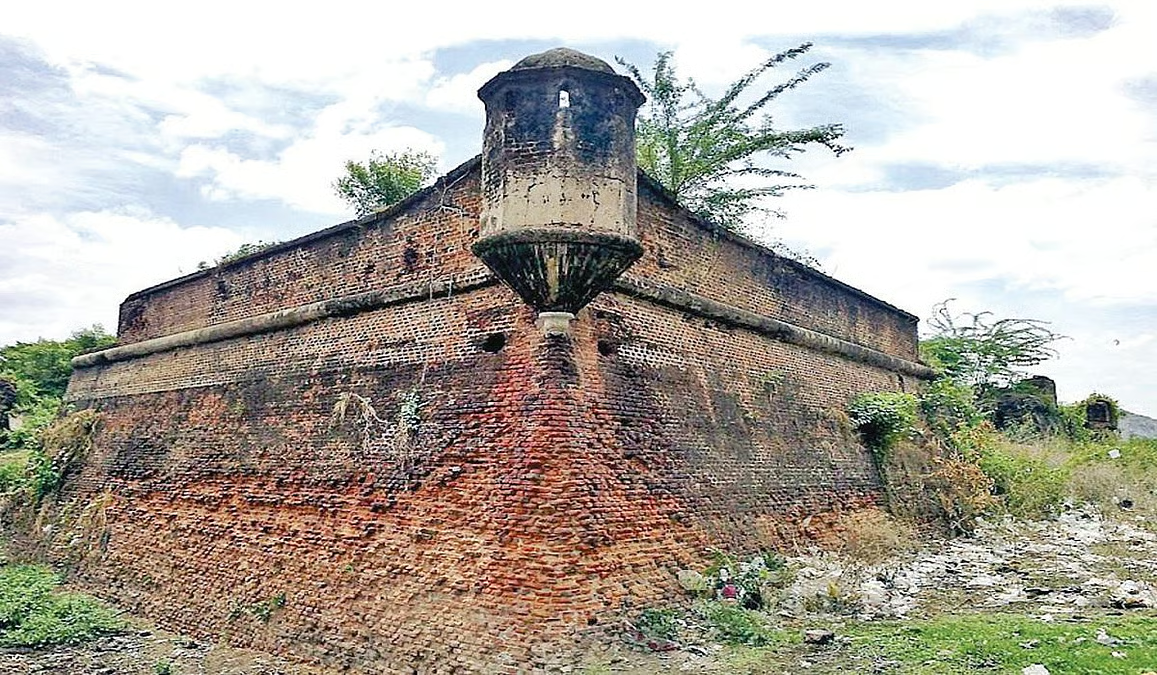
Preservation of Wandiwash Fort Monument
History20-Aug-2026

Preservation of Wandiwash Fort Monument

Summary Notes on the Preservation of Wandiwash Fort

  1. Historical Significance:

    • Battle of Wandiwash (1760 AD): Marked the decline of French influence and the rise of British dominance in South India.
    • Fort is believed to date back to the .
Vijayanagar Empire (13th-14th century)
  • Originally captured by Hyder Ali around 1750 AD from the British, later recaptured.
  • Current Status:

    • The Fort is located in North Arcot district, Tamil Nadu, and is in a state of neglect despite being a historic site.
    • The site encompasses approximately one square mile and features intact ramparts, with a significant entrance.
  • Government Action:

    • The Tamil Nadu Government has classified the Fort as a monument of State importance.
    • Funding has been sanctioned for the preservation and protection of the Fort.
  • Cultural Heritage:

    • The Fort represents a significant cultural and historical landmark, reflecting the colonial conflicts between the British and the French.
    • It serves as a reminder of the geopolitical dynamics during the 18th century in India.
  • Judicial and Administrative Context:

    • The preservation initiative aligns with broader governmental policies aimed at protecting and promoting historical monuments within the state.
  • This summary encapsulates the key historical and governmental elements regarding the Fort at Wandiwash, emphasizing its significance and the actions taken for its preservation.

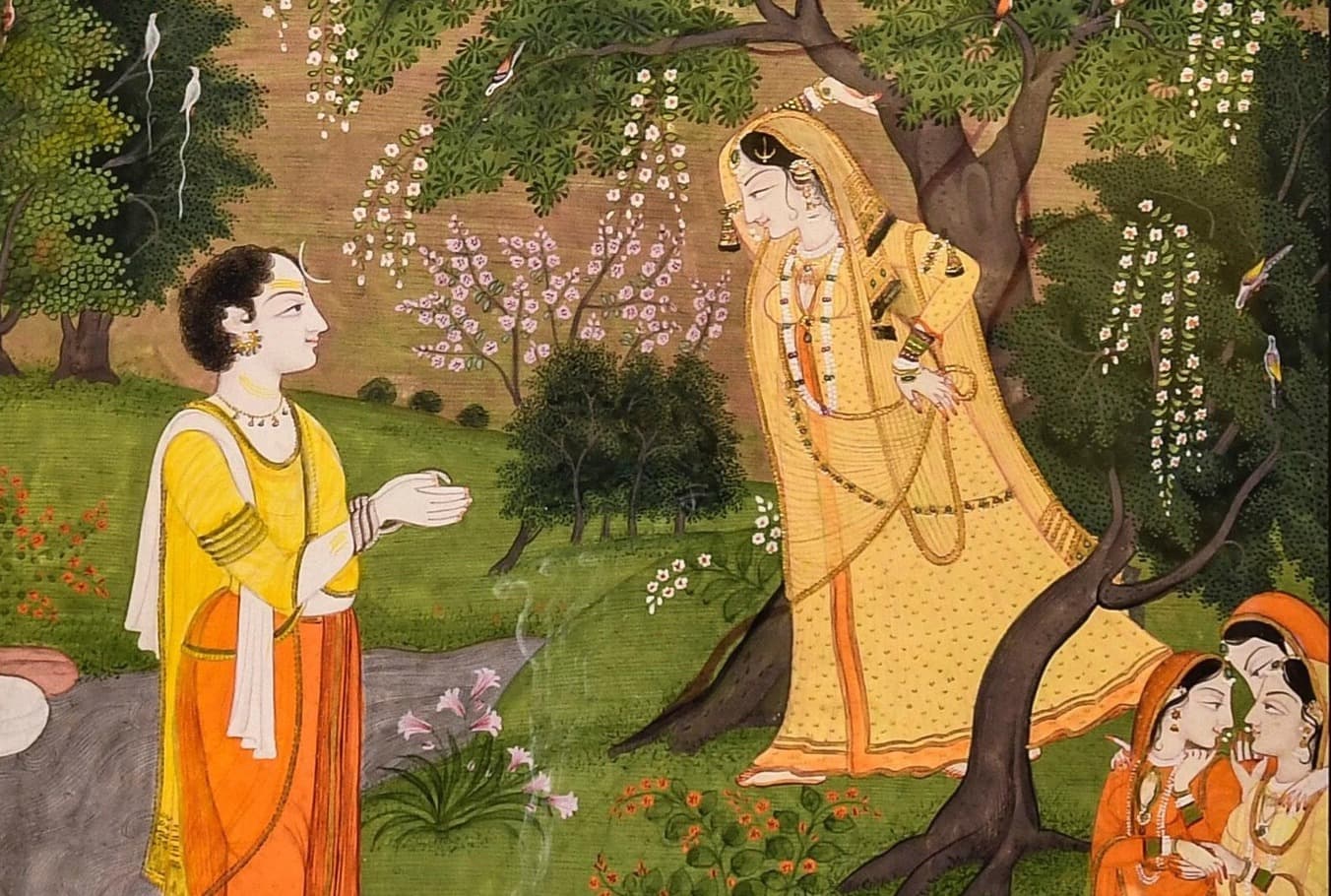
    Exhibition of Old Indian Paintings
    Art and Culture19-Aug-2026

    Exhibition of Old Indian Paintings

    • Exhibition Overview: An exhibition of Old Indian Paintings and Textiles was inaugurated by Her Highness the Maharanee Gaekwar of Baroda in Bombay. This event is organized by a newly formed society aimed at promoting Indian art.

    • Collection Chronology: The presented collection spans from the second century B.C. to the early 19th century, showcasing India's rich artistic history.

    • Textiles Significance: The textiles exhibited are noted for their variety and excellent design. They exemplify the craftsmanship of Indian looms, a traditional art form that is diminishing.

    • Epics Illustrations: A highlight of the exhibition includes illustrations from India's two great epics lent by the Baroda Museum. These are original signed paintings from various artists, demonstrating different conventions, methods, and styles prevalent during the Court of Akbar.

    • Cultural Importance: The event signifies the preservation and appreciation of Indian art, reflecting the importance of cultural heritage and historical craftsmanship in contemporary society.

    • Institutional Support: The involvement of the Baroda Museum signifies institutional support for the arts, which is crucial for the preservation of cultural heritage.

    This summary captures the essence of the exhibition and its contributions to the appreciation of Indian art and culture.