iAspirants
HomeAbout UsCurrent AffairsPrelims PYQsPricing
iAspirants
HomeAboutBlogsFAQsPricingLogin
Privacy PolicyTerms & ConditionsReturn PolicyContact Us

© 2025 iAspirants, Inc. All rights reserved.

  1. Blogs
  2. Economic and Social Development

Growth in India's Livestock Sector

Published on: 11-Aug-2026

Share this post

Growth in India's Livestock Sector

Article Summary

Summary of Key Developments in India's Livestock Sector

  1. Growth in Livestock Sector:

    • Significant growth in India's livestock sector highlighted by Union Minister Rajiv Ranjan Singh.
    • The number of beneficiaries of the Kisan Credit Card (KCC) scheme increased to 50.42 lakh in FY 2025-26, up from 15.08 lakh in FY 2021-22.
  2. Dairy Production:

    • Annual milk production reached 247.87 million tons in FY 2024-25, exceeding domestic demand of 243 million tons.
    • Total dairy exports in FY 2025-26 amounted to $407.18 million.
  3. Government Schemes:

    • National Gokul Mission (RGM): Launched in December 2014 to support the development and conservation of indigenous breeds, enhance genetic improvement of livestock, and increase milk productivity.
    • National Livestock Mission (NLM): Implemented since FY 2014-15, aimed at promoting scientific breeding, improving fodder quality, and increasing productivity of meat, goat milk, eggs, and wool. It focuses on creating entrepreneurs and establishing linkages in the unorganized sector.
  4. Financial Assistance Programs:

    • Under the NLM-EDP, 50% capital subsidy is provided to individuals, farmer producer organizations (FPOs), self-help groups (SHGs), joint liability groups (JLGs), and farmer cooperative organizations (FCOs).
    • The Livestock Health and Disease Control Program (LHDCP) provides 100% financial assistance for vaccination against economically significant livestock diseases such as Foot and Mouth Disease (FMD), Brucellosis, Peste des Petits Ruminants (PPR), and Classical Swine Fever (CSF).
  5. Veterinary Services:

    • Strengthening of veterinary health services through 245 mobile veterinary units (MVUs) in Tamil Nadu, supported by shared financial assistance.
  6. Disease Control Initiatives:

    • Financial assistance for vaccination against emerging and foreign diseases, laboratory strengthening, disease surveillance, training, and awareness activities provided to states and union territories.
  7. Economic Indicators:

    • The livestock sector contributes significantly to rural employment and income, with a focus on increasing per-animal productivity and supporting entrepreneurship in the livestock sector.

These initiatives reflect the government's commitment to enhancing the productivity and health of livestock in India, aiming for sustainable growth and improved livelihoods for farmers in the sector.

Key Terms & Concepts

Kisan Credit Card (KCC)Loan scheme for farmers
50.42 lakhBeneficiaries of KCC
247.87 million tonsAnnual milk production
407.18 million dollarsTotal dairy exports
National Gokul Mission (RGM)Promotes scientific breeding
National Livestock Mission (NLM)Enhances livestock productivity
50% capital subsidySupport for livestock development
FMD and BrucellosisEconomic livestock diseases
245 mobile veterinary unitsVeterinary services for farmers
December 2014Start of RGM implementation
2014-15Start of NLM implementation

Mind Map for UPSC Civil Services Revision

Turn UPSC Civil Services Current Affairs Into Exam-Ready Notes

Reading Economic and Social Development current affairs is half the work. Revise them with ready-made notes and test what actually stuck.

  • Daily UPSC Civil Services current affairs analysis
  • Revision notes, mind maps & MCQs
  • Prelims mock tests with instant results

Related UPSC Civil Services Current Affairs Articles

Promoting Sustainable Agricultural Practices
Economic and Social Development11-Aug-2026

Promoting Sustainable Agricultural Practices

Sustainable Agriculture Practices in India

1. Context and Importance

  • Growing concerns regarding soil health, groundwater depletion, climate change, and long-term sustainability of agricultural production systems necessitate the promotion of sustainable agricultural practices.

2. Government Initiatives and Policies

  • The government supports state and union territory efforts through various schemes aimed at promoting sustainable agriculture, including:
    • Nutrient management, efficient water use, conservation agriculture, integrated farming systems, agroforestry, organic farming, and climate-resilient agricultural technologies.

3. Key Government Schemes

  • Soil Health and Fertility Scheme:

    • Promotes integrated nutrient management and efficient fertilizer use.
    • Over 261.8 million Soil Health Cards have been issued.
  • Per Drop More Crop Scheme:

    • Aims to enhance water use efficiency through micro-irrigation.
    • Covers 11.46 million hectares, benefiting approximately 10 million farmers.
  • Traditional Agricultural Development Scheme (PKVY):

    • Promotes organic farming in Northeast India.
    • Provides ₹15,000 per hectare to farmers via direct benefit transfer.
    • Covers 1.893 million hectares, benefiting 3.363 million farmers.
  • National Mission on Natural Farming (NMNF):

    • Approved on November 25, 2024, it promotes sustainable, climate-adaptive agriculture.
    • Covers 118,100 hectares, benefiting 2.469 million farmers.
  • Agroforestry Scheme:

    • Encourages integration of trees with crops, providing financial support for establishing nurseries.

4. Financial Assistance for Nurseries

  • Large nurseries (1 hectare): ₹1.6 million
  • Small nurseries (0.5 hectare): ₹1 million
  • Existing nurseries: Up to ₹500,000 for plant cultivation.
  • Established 826 nurseries in the last three years, producing approximately 1.0618 billion plants.

5. Economic Indicators and Outcomes

  • Food Production Growth:
    • Food grain production increased from 252.03 million tons in 2014-15 to a projected 357.73 million tons by 2024-25.
    • Horticultural production rose from 280.98 million tons to 370.73 million tons in the same period.

6. Evaluation and Impact

  • Reports indicate:
    • 62.46% of farmers under the Per Drop More Crop scheme reported improvements in water use efficiency.
    • 70.28% of farmers reported enhanced agricultural productivity under rainfed area development schemes.
    • 90.1% of farmers under the NMNF experienced reduced input costs compared to chemical fertilizers.

7. Judicial and Administrative Framework

  • Agriculture is a state subject, and the central government aids states in implementing these sustainable practices.
  • The government's focus is on integrating economic viability with sustainability to enhance resilience, competitiveness, and long-term growth in agriculture.

8. Challenges and Future Directions

  • Adoption levels of sustainable practices vary based on local agricultural climate, irrigation infrastructure, and resource endowments.
  • The government aims to strengthen sustainable agriculture through improved irrigation, water conservation, efficient resource management, and climate-adaptive interventions.

9. Groundwater Status

  • As per the Central Ground Water Board, groundwater levels are stable, with 87.8% of monitored wells falling within the normal range, indicating effective water management practices.

Conclusion

The Indian government's multifaceted approach towards sustainable agriculture through various schemes and policies aims to enhance food security, resource conservation, and farmer welfare while addressing the impacts of climate change.

Rising Unemployment Rate in India
Economic and Social Development11-Aug-2026

Rising Unemployment Rate in India

Summary of Key Data and Findings

Unemployment Data

  • Overall Unemployment Rate: Increased to 5.4% (April-June 2026), up by 0.4 percentage points from the previous quarter.
  • Rural Unemployment Rate:
    • Current: 4.8%
    • Previous (January-March): 4.3%
  • Urban Unemployment Rate:
    • Current: 6.7%
    • Previous: 6.6%

Unemployment by Demographics

  • Rural Employment:
    • Males: 4.8%
    • Females: 4.7%
  • Urban Employment:
    • Females: 8.7%
    • Males: 6.1%

Labour Force Participation Rate (LFPR)

  • Overall LFPR: Decreased to 54.6%, down from 55.5%.
  • Urban LFPR: Remained stable at 50.2%.
    • Urban Male LFPR: Increased slightly to 75.3% from 75.0%.

Worker Population Ratio (WPR)

  • Urban WPR for persons aged 15 years and above: Stable at 46.8%.

Employment Changes

  • Regular Wage and Salaried Employees:
    • Rural Areas: Increased from 15.5% to 16.1%.
    • Urban Areas: Increased from 48.9% to 49.3%.
  • Employment in Sectors:
    • Secondary Sector (Rural Areas): Increased from 22.6% to 24.4%.
    • Tertiary Sector: Also recorded an increase in rural areas.

Relevant Constitutional and Economic Context

  • The data aligns with the government's commitment as guided under the Directive Principles of State Policy (DPSP) in the Indian Constitution, which emphasizes the right to work, to education, and to an adequate standard of living (Article 41 and Article 45).

Government Schemes and Policies

  • The changes in employment demographics and statistics may inform and influence government policies and programs aimed at enhancing job creation and addressing unemployment, such as the Mahatma Gandhi National Rural Employment Guarantee Act (MGNREGA) and skills development initiatives.

Importance

  • The increase in unemployment and decline in LFPR could have implications for economic stability and growth. Monitoring these trends is essential for assessing economic health and for formulating appropriate policy responses.

This summary encapsulates critical statistics and insights from the PLFS, revealing shifts in employment dynamics in India.

Technology-Driven Crop Monitoring System
Economic and Social Development11-Aug-2026

Technology-Driven Crop Monitoring System

Technology-Based Crop Monitoring Systems in India

Modern Technologies Utilized

  • Technologies Involved: Satellite, Drones, Artificial Intelligence (AI), Remote Sensing, Geographic Information Systems (GIS), Internet of Things (IoT).

Key Government Initiatives

  1. Remote Sensing & GIS:

    • Provides pre-harvest production estimates for 11 major crops across 20 states using multi-spectral and Synthetic Aperture Radar (SAR) satellite data.
    • Monitors disaster impacts, soil moisture, drought conditions, and flood assessments.
  2. Agriculture Decision Support System:

    • Integrates geospatial and non-geospatial data to assist in evidence-based decision-making.
    • Aids in crop mapping, drought/flood monitoring, and crop insurance claims through technology-driven yield assessments.
  3. Yes-Tech Initiative:

    • Under the PM Fasal Bima Yojana (PMFBY), this involves satellite-based yield estimation for paddy, wheat, and soybean at the village level.
    • Implemented in 12 states.
  4. Winds Program:

    • A national initiative under PMFBY to enhance weather data infrastructure with automated weather stations (AWS) and rain gauges at block and village levels.
    • Operational in 7 states.

Drone Usage in Agriculture

  • Support for Farmers: Under the Sub-Mission on Agricultural Mechanization (SMAM), financial assistance is provided for drone purchases:

    • 50% subsidy for Northeast agricultural graduates and small/marginal farmers.
    • 40% subsidy for other farmers.
    • 2,122 drones approved/distributed.
  • 'Namo Drone Didi' Scheme: Provides rental drone services for agricultural applications, distributing 1,094 drones to selected women self-help groups (SHGs).

AI Applications

  • National Pest Surveillance System (NPSS):

    • Utilizes AI and machine learning for pest outbreak detection, covering 436 pests across 73 crops.
    • Provides advisory services to farmers through pest imagery.
  • India Extension:

    • An AI-based Digital Public Infrastructure (DPI) platform serving over 590,000 farmers, addressing 9.3 million queries regarding government schemes, agricultural assistance, weather forecasts, and more.

Farmer Advisory Platforms

  • Kisan Sarthi: ICT platform developed by the Indian Council of Agricultural Research (ICAR) with over 29.7 million registered farmers, providing crop-specific advisories.

Digital Agriculture Initiatives

  • AgriStack Project: Integrates various services for efficient delivery, including direct benefit transfers (DBT) under PM-Kisan, minimum support price (MSP) procurement, fertilizer booking, and timely claim settlements under PMFBY.

  • Real-Time Data Utilization: Digital crop survey data generates near real-time crop production estimates, enhancing transparency and efficiency in agricultural planning.

National Natural Farming Mission

  • Georeferencing of natural farms/groups is being conducted through the Krishi Mapper application to support sustainable farming practices.

Economic and Policy Highlights

  • Financial Support: The government provides various subsidies and financial assistance to enhance the adoption of modern agricultural technologies and practices.
  • Efficient Delivery of Services: The integration of digital services aims to improve the efficiency and targeting of benefits to farmers, facilitating better access to agricultural resources and information.

These initiatives reflect the government's commitment to leveraging technology for enhancing agricultural productivity, ensuring food security, and supporting farmers through modernized practices and systems.

India's Transition to Industrial Electrification
Economic and Social Development10-Aug-2026

India's Transition to Industrial Electrification

Summary of India's Industrial Heat Electrification Transition

Key Facts & Figures:

  • Renewable Energy Growth: India has seen a significant reduction in solar tariffs (over 85% in the last decade), driven by supportive policies, innovation, and private sector investment.
  • Electrification Targets: The transition toward electrifying industrial heat is poised to enhance manufacturing competitiveness, energy security, and decarbonisation.

Constitutional and Policy Framework:

  • National Energy Policy: Focus on transitioning to renewable energy sources and enhancing energy efficiency across sectors, particularly in manufacturing.
  • Government Support: Emphasis on coordinated national and state-level policies to foster the growth of renewable energy and industrial electrification.

Government Schemes and Initiatives:

  • Renewable Energy Schemes: Continued support through various schemes promoting solar energy and other renewable sources.
  • Industrial Decarbonisation Plans: Development of tailored plans for industrial clusters focusing on local resources and infrastructure readiness.

Technological Innovations:

  • Electrification Technologies:
    • Heat Pumps: Suitable for low- and medium-temperature applications.
    • Electric Boilers: Effective for steam generation at temperatures above 200°C.
    • Thermal Energy Storage: Improves operational flexibility by storing and releasing energy as needed.
    • Mechanical Vapour Recompression: Enhances efficiency in evaporation-intensive processes.

Economic Indicators:

  • Investment Challenges: MSMEs face difficulties in accessing capital for electrification projects; financing models need adaptation to reduce risks.
  • Cost of Renewable Electricity: While generation costs have dropped, network charges and transaction costs still influence the delivered price for industries.

Implementation Strategies:

  • Facility-Level Engineering Assessments: Essential for understanding thermal systems and optimizing energy use.
  • Demand Aggregation Models: Encourage industries with similar thermal profiles to collaborate on investment and procurement, reducing costs.
  • Skilled Workforce Development: Training programs must focus on process integration and system design to support the engineering transition in industries.

Need for Demonstration Projects:

  • Pilot Projects: Essential to validate technologies and business models in real-world settings, helping to reduce uncertainty in investments.

National Coordination:

  • Framework for Electrification: A coordinated national strategy is necessary to establish standards, facilitate finance, and support local implementation tailored to each industrial cluster’s needs.

Conclusion:

India's industrial heat electrification represents a crucial step towards decarbonising the manufacturing sector, reducing greenhouse gas emissions, and fostering a resilient economy. A common blueprint is essential to ensure the scalability of this transition, aligning with the country's broader energy and climate goals.

Approval of GOBARdhan National Scheme
Economic and Social Development09-Aug-2026

Approval of GOBARdhan National Scheme

National Circular Bioenergy Scheme – GOBARdhan Overview

Government Approval:

  • The Union Cabinet approved the National Circular Bioenergy Scheme – GOBARdhan with an outlay of ₹23,731 crores, aimed at enhancing the production of compressed biogas (CBG).

Duration:

  • The scheme is effective until 2036.

Objectives:

  1. Increase domestic CBG production nearly ten-fold.
  2. Establish a stable framework for the CBG ecosystem through:
    • Assured offtake
    • Administered pricing
    • Capital subsidies
    • Infrastructure development
    • Easier access to finance

Feedstock Utilization:

  • CBG will be produced from:
    • Agricultural residue
    • Cattle dung
    • Sugar industry waste
    • Municipal organic waste
    • Other biomass

Impacts on Industry:

  • Goal to increase operational plants from approximately 300 to 5,000, creating lakhs of rural jobs.
  • A.R. Shukla, President of the Indian Biogas Association, emphasized key imperatives addressed by the scheme: remunerative prices, assured offtake, and capital support.

Infrastructure Development:

  • Essential development of pipeline infrastructure to ensure reliable CBG distribution.
  • Support for both cluster-based and standalone pipeline infrastructure linking CBG plants with trunk pipelines and city gas networks.
  • Increased pipeline connectivity is expected to:
    • Lower evacuation costs
    • Enhance reliability and market reach
    • Improve utilization of domestically-produced CBG

Pricing Mechanism:

  • Administered price set at ₹2,110 per Metric Million British Thermal Unit (MMBTU) for CBG.
  • Aimed at providing long-term revenue visibility and protecting consumer affordability through a combination of government support and market-based cost-sharing.

Financial Assistance:

  • Capital assistance of up to ₹2 crore per ton per day (TPD) for eligible greenfield and brownfield CBG projects.
  • Support covers core plant machinery, feedstock aggregation, and manure processing.
  • Aims to reduce initial capital burdens, accelerate financial closures, and encourage participation by private entities, MSMEs, and rural entrepreneurs.

Broader Economic and Environmental Goals:

  • Expected outcomes include:
    • Spurring private investment
    • Creating income opportunities for farmers and rural entrepreneurs
    • Enhancing management of agricultural and municipal waste
    • Expanding organic manure production
    • Lowering greenhouse gas emissions
  • Alignment with national goals of:
    • Energy security
    • Waste-to-wealth initiatives
    • The vision of Atmanirbhar Bharat (self-reliant India)
    • The vision for a Viksit Bharat (developed India)

Significance:

  • The GOBARdhan scheme is seen as a significant step towards establishing a nationally scaled clean energy industry, reflecting the government's commitment to sustainable energy and rural enterprise development.
Challenges in Cancer Detection and Care
Economic and Social Development09-Aug-2026

Challenges in Cancer Detection and Care

Cancer Care in India: Key Facts and Recommendations

Current Statistics and Challenges:

  • Advanced-stage Presentation: Over 70% of cancer patients in India present with advanced-stage cancer, which complicates treatment and reduces survival rates.
  • Survival Rates: Five-year survival rate for lung cancer in India is approximately 4% compared to 33% in Japan, indicating significant disparities in healthcare outcomes.
  • Cancer Incidence: Estimated 1.56 million new cancer cases and over 874,000 cancer deaths in India in 2024.
  • Lifetime Risk: Nationally, the lifetime risk of developing cancer is about 11%, with some northeastern states exceeding 20%.

Economic Impact:

  • Healthcare Expenditure: More than 75% of cancer-affected households face catastrophic healthcare costs, driving many families into poverty.

Prevention and Early Detection Strategies:

  1. Redefinition of Prevention:

    • Shift focus from occasional campaigns to lifelong public health priorities.
Challenges in Cancer Diagnosis and Care
Health09-Aug-2026

Challenges in Cancer Diagnosis and Care

Exam-Focused Notes on Cancer Care in India

Current Cancer Scenario in India

  • Statistics:
    • Over 1.56 million new cancer cases reported in 2024.
    • Approximately 874,000 cancer deaths annually.
    • Lifetime cancer risk: 11% nationally, >20% in certain northeastern states.
  • Advanced Stage Diagnosis: Over 70% of patients present with advanced cancer stages, complicating treatment options and reducing survival rates (e.g., 5-year survival for lung cancer in India is ~4%, compared to ~33% in Japan).

Economic Impact:

  • Catastrophic healthcare expenditure is experienced by more than 75% of cancer-affected households, linking health challenges to poverty.

Preventative Measures:

  • Education Reform:
    • Call for cancer prevention to be prioritized as a lifelong public health goal akin to core subjects in education.
    • Focus on life skills education in schools addressing health issues beyond just cancer (e.g., cardiac, neurological health).
India's PM Surya Ghar Scheme Progress
Economic and Social Development09-Aug-2026

India's PM Surya Ghar Scheme Progress

Summary of PM Surya Ghar Scheme and Solar Energy Progress in India

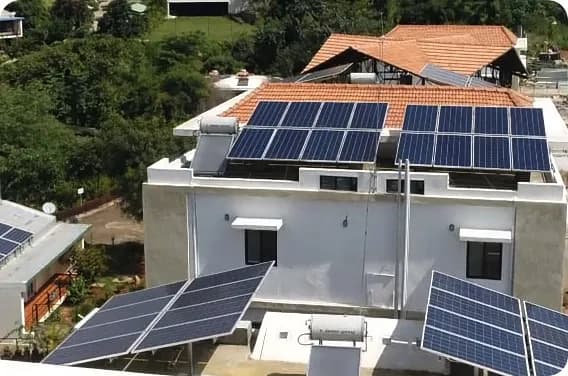
1. PM Surya Ghar: Muft Bijli Yojana

  • This flagship scheme aims to facilitate the installation of rooftop solar panels to provide free electricity to households.
  • The scheme's deadline is set for March 31, 2027.
  • Over 5 million (50 lakh) beneficiaries, with 100,000 new beneficiaries added every six days.
  • Approximately 1.9 million (19 lakh) households reported zero electricity bills due to their participation in the scheme.
  • More than 1.2 million (12 lakh) households have generated a cumulative income of ₹421 crore by selling surplus power in FY 2024-25, averaging ₹3,500 additional income per household.

2. Installation Metrics

  • Daily rooftop solar installations have surged from 5,000 in October 2025 to over 16,328 by July 2026, marking a 3.2 times increase in speed.

3. Non-Fossil Energy Capacity

  • India surpassed 300 gigawatts (GW) of non-fossil capacity a decade ago and is on track to exceed 500 GW by 2030.

4. Economic Indicators

  • Nearly 50% of cancers are preventable; early education on life skills related to health should begin in schools.
  • Public Awareness:

    • Educating the public about persistent symptoms deserving medical evaluation to reduce diagnostic delays.
    • Increasing awareness of the importance of organized screening, especially for cervical, breast, and prostate cancers.
  • Technological Innovations:

    • Development of Blood-based Multi-Cancer Early Detection (MCED) tests capable of detecting multiple cancers from a single blood sample. Further validation needed for population-wide use.
  • Community Healthcare Approach:

    • Support a layered healthcare model combining community health workers, AI, mobile diagnostics, and robust referral systems linking primary care with specialized cancer centers.
  • Research and Development Initiatives:

    • NITI Aayog Biobank: Development of a large imaging biobank with over 20,000 cancer patient profiles to assist in AI tool development for early detection.
    • Draft National Health Research Policy 2026: Aims to prioritize diseases significantly impacting health, fostering a shift towards implementation science to spur innovation in screening and cancer care.

    Collaborative Efforts:

    • Encouraging partnerships between government agencies, medical colleges, technology firms, and community healthcare providers to enhance cancer prevention and treatment strategies.

    Conclusion:

    Addressing early detection and preventive measures are critical to reducing late-stage cancer presentations in India. A comprehensive approach combining education, awareness, technology, and collaborative efforts is essential to transform cancer care from reactionary to proactive, significantly improving health outcomes.

  • Public Awareness: Need to educate the public on the importance of seeking medical evaluation for persistent symptoms lasting over three weeks.
  • Screening Technologies:

    • Multicancer Early Detection (MCED): Blood-based tests that can identify signals from multiple cancers (e.g., lung, colorectal, breast) through a single test.
    • Challenges: Current screening is limited mainly to cervical, breast, and prostate cancers.

    Healthcare Delivery Model Recommendations:

    • Need for a layered model integrating:
      • Community health workers.
      • Digital risk assessment tools.
      • AI and mobile diagnostics.
      • Strong referral pathways connecting primary healthcare to specialized cancer centers.

    Research and Policy Initiatives:

    • NITI Aayog's Imaging Biobank: Encompasses 20,000 cancer patient profiles aiding in AI tool development for early detection.
    • Draft National Health Research Policy 2026: Promotes disease-focused research, encouraging affordable screening technologies, risk predictions, and implementations to address the cancer burden effectively.

    Constitutional References:

    • Emphasis on the right to health under Fundamental Rights can be related to public health initiatives and education reforms.

    Conclusion:

    • India must shift its approach to cancer care from treatment-focused to prevention and early screening.
    • Success in cancer care should be measured by the reduction of advanced-stage diagnoses, requiring integrated efforts from government, health professionals, and technology sectors.
    • Rooftop solar installations and participation in the scheme have significant implications for household economic impact and renewable energy advancement.

    5. Ministerial Statements

    • Union Minister for New and Renewable Energy, Pralhad Joshi, highlighted these achievements during the seventh CII International Energy Conference.

    6. Reference to Sustainability Goals

    • The initiatives align with India’s broader goals to expand its renewable energy capabilities and reduce dependency on fossil fuels, contributing to global sustainability efforts.

    This summary highlights key statistics, operational details, and objectives associated with the PM Surya Ghar scheme, illustrating India's advancements in renewable energy and economic benefits for participants.