iAspirants
HomeAbout UsCurrent AffairsPrelims PYQsPricing
Login
iAspirants
HomeAboutBlogsFAQsPricingLogin
Privacy PolicyTerms & ConditionsReturn PolicyContact Us

© 2025 iAspirants, Inc. All rights reserved.

  1. Blogs
  2. Economic and Social Development

Empowering Agriculture for Developed India

Published on: 18-Aug-2026

Share this post

Empowering Agriculture for Developed India

Article Summary

Exam-Focused Notes on Agricultural and Rural Development Initiatives

Key Figures and Goals:

  • Target: Increase the number of "Lakhpati Didis" (wealthy rural women) from 3 million to 6 million.
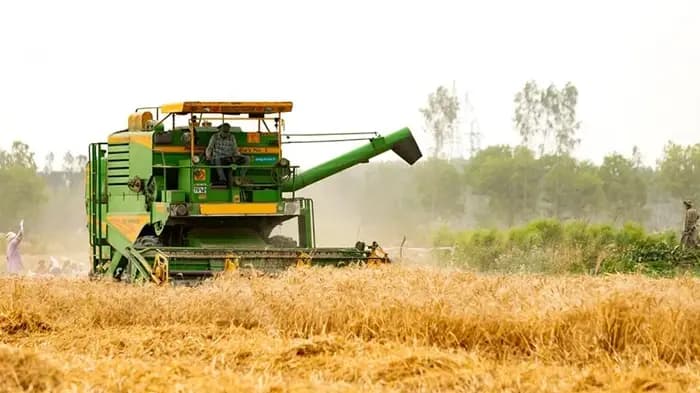
  • Focus Areas: Agricultural production, quality enhancement, food processing, and linking farmers to global markets.

Government Schemes and Policies:

  • "Shakti ki Saptadhara" Initiative: Launched by Prime Minister Narendra Modi to create a roadmap for agricultural and rural development.
  • Lakhpati Didi Scheme: Aimed at empowering rural women through skill training, financial assistance, and market access.
  • Focus on Natural and Organic Farming: Emphasis on chemical-free farming practices to meet domestic and international demand.

Constitutional References:

  • Directive Principles of State Policy (DPSP): The initiative aligns with the constitutional mandate to promote the welfare of the rural population and enhance agricultural productivity.

Judicial and Institutional Framework:

  • Role of Agricultural Research Institutions: The Indian Agricultural Research Council and regional agricultural universities will collaborate to disseminate new technologies and practices to farmers.

Economic Data and Indicators:

  • Focus on Agricultural Income: Strategies to increase farmers' income through better market access, quality improvement, and reduced production costs.
  • Market Demand Assessment: Importance of scientific assessment of crop demand in domestic and international markets to guide farmers on suitable crops.

International Agreements and Standards:

  • Global Market Standards: The initiative aims to ensure that Indian agricultural products meet global safety and quality standards for better acceptance in international markets.

Science and Technology Updates:

  • Use of Technology in Agriculture: Encouragement of precision farming, mechanization, AI applications, and improved seed varieties to enhance productivity and reduce costs.

Environmental Considerations:

  • Sustainable Practices: Promotion of integrated farming systems and local resource-based models to ensure sustainability in agricultural practices.

Monitoring and Evaluation:

  • Field Monitoring: Emphasis on the need for officials to engage in field visits to assess the real impact of agricultural policies and programs.
  • Feedback Mechanisms: Participants, including farmers and women entrepreneurs, shared experiences to improve practices and policies.

Collective Responsibility:

  • Call for Unity: A collective commitment from all stakeholders—farmers, scientists, officials, and entrepreneurs—to work towards the vision of a developed and self-reliant India in agriculture.

Conclusion: The initiative led by Minister Shivraj Singh Chouhan emphasizes the integration of agriculture with global markets, sustainable practices, and the empowerment of rural women, aligning with national goals for a prosperous and developed India by 2047.

Key Terms & Concepts

Shakti Ki SaptadharaVision for agricultural development
PM Narendra ModiVisionary for developed India
PusaLocation of the initiative event
Lakhpati DidisEmpower rural women financially
Indian Agricultural Research CouncilResearch organization for agriculture
Food ProcessingKey area for agricultural growth
Agricultural RoadmapStrategic plan for agriculture
Natural FarmingSustainable agriculture practice
Self-Help GroupsSupport women's economic empowerment
Market AccessConnecting farmers to global markets
Skill TrainingEnhancing women's capabilities

Mind Map for UPSC Civil Services Revision

Turn UPSC Civil Services Current Affairs Into Exam-Ready Notes

Reading Economic and Social Development current affairs is half the work. Revise them with ready-made notes and test what actually stuck.

  • Daily UPSC Civil Services current affairs analysis
  • Revision notes, mind maps & MCQs
  • Prelims mock tests with instant results

Related UPSC Civil Services Current Affairs Articles

Challenges Faced by Sugarcane Cutters
Economic and Social Development19-Aug-2026

Challenges Faced by Sugarcane Cutters

Summary Notes on Sugarcane Cutter Labor Issues in Maharashtra

Labor Conditions and Exploitation

  • Migrant Labor: Approximately 10 lakh migrant sugarcane cutters in Maharashtra, half of whom are women.
  • Work Environment: Workers, including pregnant women, face brutal conditions; they work from 3 a.m. to 7 p.m. with minimal compensation (couples earn less than ₹80,000 in a season).
  • Wage Penalties: Penalties of ₹600 for taking a day off and ₹1,200 if both partners take leave.
  • Lack of Legal Protection: Incidents of exploitation and lack of basic amenities (like toilets) are rampant; workers have no direct employment relationship with sugar mills, complicating accountability.
  • Judicial Rulings

    • Bombay High Court Ruling (2025): Mandated the Maharashtra government to implement comprehensive welfare measures for sugarcane cutters amidst increasing activism.

    Economic Context

    • State's Contribution: Maharashtra accounts for one-third of India’s sugar production with 40 lakh farmers cultivating on over 14.87 lakh hectares, generating an annual turnover of approximately ₹1 lakh crore.
    • Employment Statistics: Direct employment of about 2 lakh factory workers supports various sectors including ethanol and green hydrogen, yet the millers claim a drastic decline in the number of active sugarcane cutters to under 5 lakh.

    Modernization and Mechanization

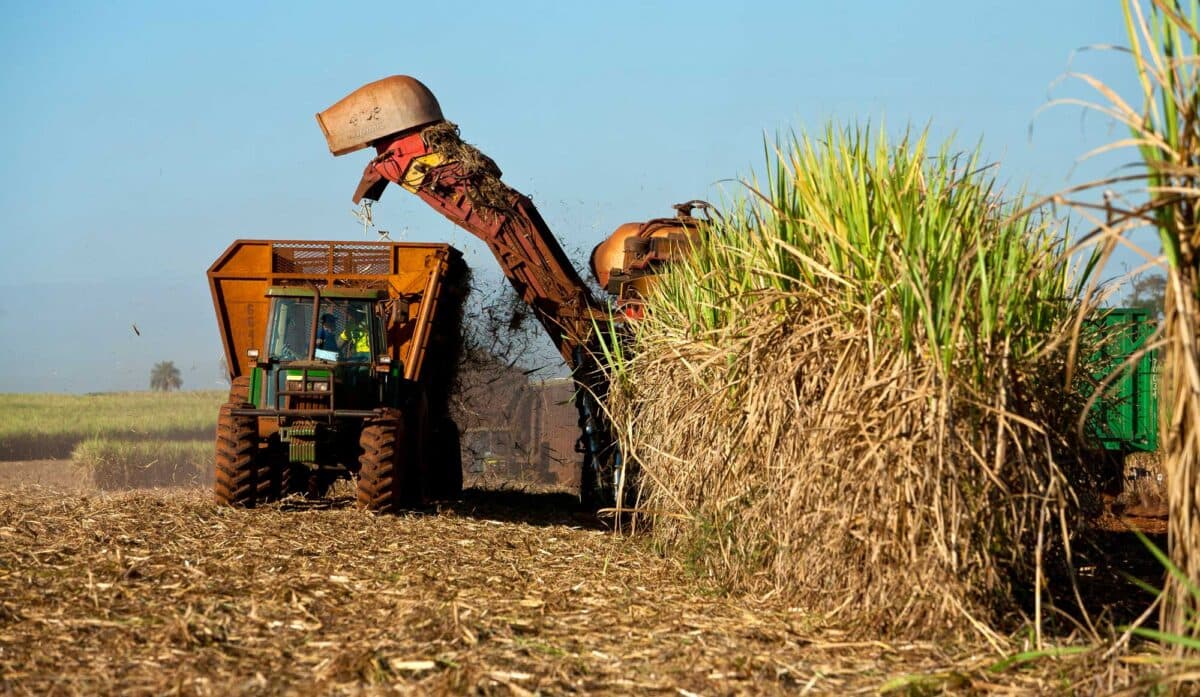
    • Use of Machinery: Increased use of mechanical harvesters (3,218 operational in India, with 68% in Maharashtra) is anticipated to radically transform the industry, facilitating a shift from traditional labor to mechanized processes in the next three years.
    • Sector Challenges: Sugar mills are currently facing operational delays and losses due to a shortage of manual labor.

    Activism and Future Outlook

    • Activist Organizations: The Women Sugarcane Cutters Union advocates for workers' rights, illuminating issues of financial and sexual exploitation.
    • Cultural Shift: There is a generational decline in labor participation in sugarcane cutting, as younger individuals seek alternative employment, pushing towards a mechanized industry landscape.

    Key Statistics

    • Industry Size: 40 lakh farmers cultivating sugarcane contribute to a ₹1 lakh crore industry annually.
    • Harvesters: 3,218 mechanical harvesters with a forecast of increased adoption among sugar mills.

    Conclusion

    Workers in the sugarcane industry of Maharashtra continue to confront hardships characterized by exploitation and inadequate legal protections. With judicial interventions and rising mechanization, the sector is evolving, albeit uncertainly, for the labor force responsible for its foundation. The future of traditional labor in this crucial agricultural sector remains precarious.

    India's Trade Agreements and Export Growth
    Economic and Social Development18-Aug-2026

    India's Trade Agreements and Export Growth

    Summary of India's Trade Agreements and Export Performance

    1. Trade Agreements Overview

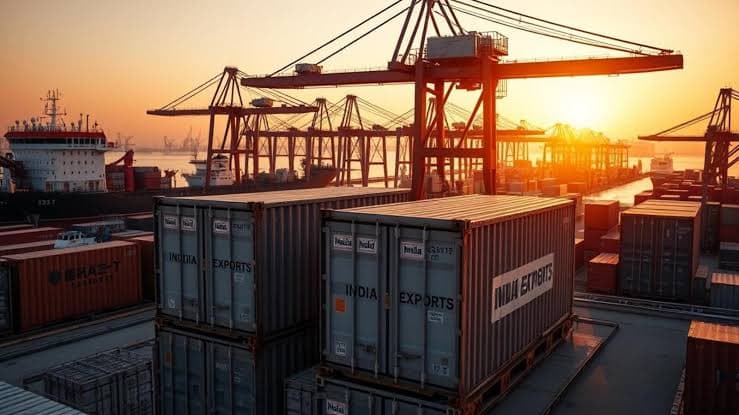
    • India is actively expanding its network of Free Trade Agreements (FTAs) to enhance market access for exporters, reflecting the country’s economic potential and international confidence.
    • Recent FTAs aim to convert market access into increased export participation, investment, and employment while safeguarding domestic interests.

    2. Export Performance Statistics

    • FY 2025-26: Combined merchandise and services exports reached US$ 863.1 billion, with merchandise exports at US$ 441.8 billion.
    • April-June 2026: Estimated combined exports at US$ 232.73 billion, an increase of 11.37% from the previous year.
    • Key FTA partners for merchandise exports in FY 2025-26:
      • UAE: US$ 37,359.11 million
      • United Kingdom: US$ 13,444.19 million
      • Australia: US$ 7,284.17 million

    3. Key FTAs and Their Impacts

    • India-UAE CEPA (Effective May 1, 2022):

      • Largest individual FTA export market for India.
      • Bilateral trade exceeded US$ 100 billion in FY 2024-25, with a target to double this to US$ 200 billion by 2032.
    • India-Australia ECTA (Effective December 29, 2022):

      • India’s first trade agreement with a developed economy in over a decade.
      • Exports to Australia rose from US$ 4 billion (FY 2020-21) to US$ 7.28 billion (FY 2025-26), marking an 80%+ growth.

    4. Export Facilitation Initiatives

    • Certificate of Origin (CoO):

      • Exporters must provide proof of origin to benefit from preferential tariff treatment.
      • Increased issuance of CoOs under recent FTAs indicates effective utilization of tariff concessions.
    • e-CoO 2.0:

      • Digital system for issuing CoOs, streamlining the process for exporters.

    5. Product Diversification and Market Access

    • Recent FTAs have expanded the range of products exported:
      • UAE: 8,053 tariff lines (6.7% increase from 2021-22).
      • Australia: 5,668 tariff lines (5.0% increase from 2020-21).

    6. Opportunities for Service Providers

    • Services contribute nearly 30% of India’s employment, with exports at US$ 421.3 billion (FY 2025-26).
    • Notable provisions in recent FTAs:
      • India-New Zealand FTA: Pathway for 5,000 skilled Indians for up to three years.
      • India-UK CETA: Facilitates smoother entry for professionals and prevents dual social-security payments.

    7. Future Trade Agenda

    • Ongoing negotiations for approximately ten new trade agreements with countries including Peru, Chile, and Israel.
    • Upgrading existing agreements such as the India-Korea CEPA and India-Sri Lanka ETCA.

    8. Significance of FTAs

    • FTAs are crucial for connecting Indian businesses to global markets, driving export growth, and enhancing India's position in international trade.
    • The balanced approach aims to protect domestic sectors while expanding market opportunities for labor-intensive industries like textiles and agriculture.

    9. Conclusion

    • India's FTAs are entering a deeper implementation phase, expected to further diversify trade and strengthen commercial relationships, contributing to the vision of a Viksit Bharat by 2047.

    References

    • Ministry of Commerce & Industry
    • Prime Minister's Office (PMO)
    • PIB Press Releases
    Opium Licensing Policy for 2026-27
    Economic and Social Development18-Aug-2026

    Opium Licensing Policy for 2026-27

    Opium Licensing Policy & Farmer Demands

    Overview

    • Farmers from Madhya Pradesh, Rajasthan, and Uttar Pradesh are advocating for a favorable opium licensing policy for the 2026-27 period.
    • Their demands were presented during a protest organized by the Bharatiya Afeem Kisan Sangharsh Samiti.

    Key Demands

    1. Increase in Licenses:

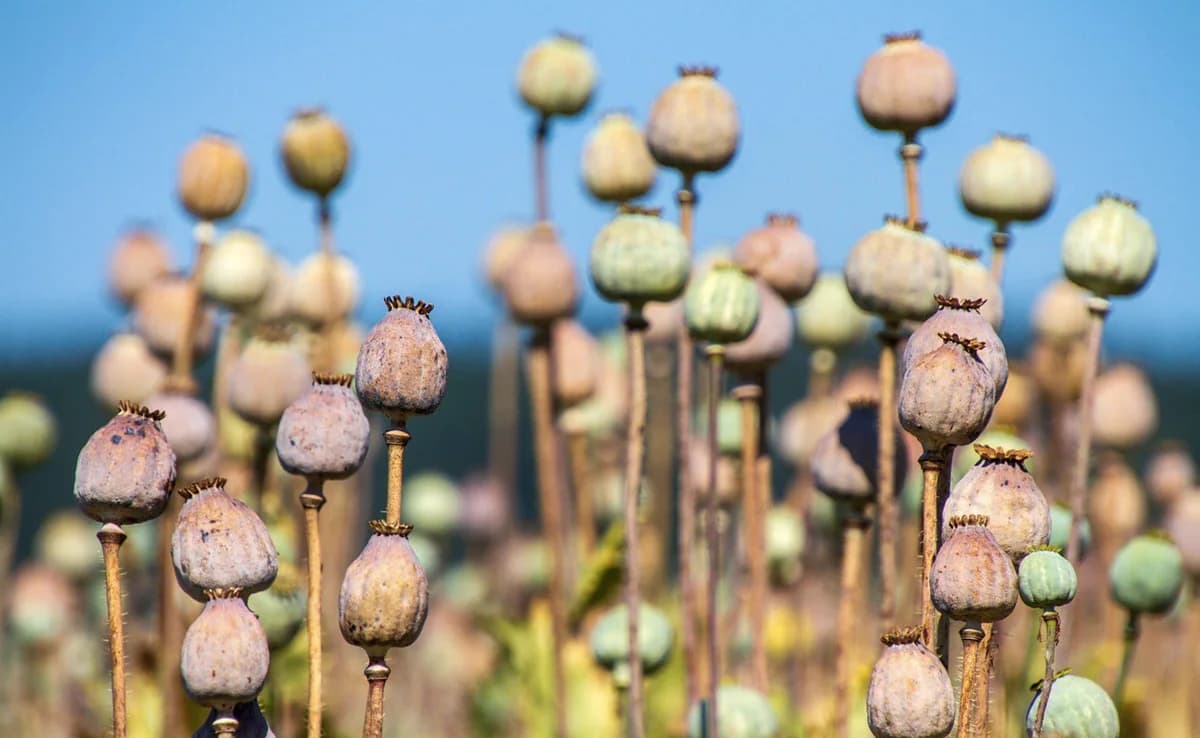
      • Farmers request an increase in the number of licenses for medicinal opium cultivation.
    2. Price Adjustment:

      • Demand for the government to set the procurement price of opium at ₹1,00,000 per kg, aligning with international market rates.
    3. Reinstatement of Cancelled Leases:

      • Request to reinstate opium leases canceled since 1990 to expand cultivation further.
    4. Morphine Yield Criteria:

      • Propose that opium leases be granted based on a morphine yield of 3 kgs per hectare.
    Devadula Lift Irrigation Scheme Updates
    Economic and Social Development16-Aug-2026

    Devadula Lift Irrigation Scheme Updates

    Summary of Key Points on Devadula Lift Irrigation Scheme and Related Initiatives

    Government Commitment and Timeline

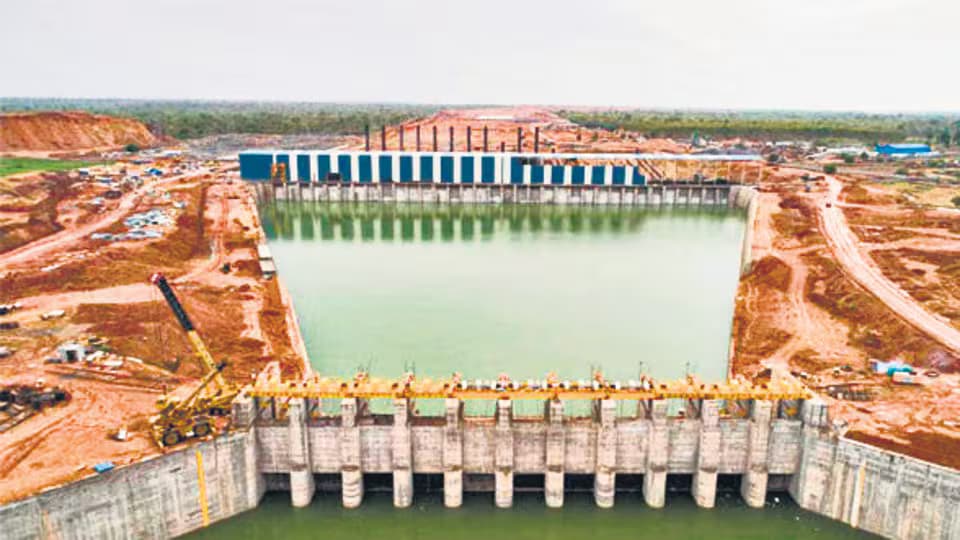
    • Minister for Irrigation and Civil Supplies: N. Uttam Kumar Reddy emphasized the government's commitment to complete and operationalize Phase-VI of the Devadula Lift Irrigation Scheme by December 2028.

    Objectives and Benefits

    • Irrigation Enhancement: The project aims to bring Godavari water to the Tungaturthi constituency in Suryapet district, enhancing irrigation reliability by reducing dependence on rainfall.
    • Agricultural Stability: It is expected to stabilize the existing ayacut (irrigated area) and extend irrigation to underserved regions.
    • Overall Water Security: Integration of Godavari water with the district's irrigation network is projected to improve water management and reduce agricultural vulnerability during dry periods.

    Current Agricultural Context

    • Ayacut Statistics: Suryapet district currently has an ayacut of approximately 5.82 lakh acres.
    • Water Management Priority: Drinking water needs are prioritized, with prudent use of available water resources based on reservoir levels (e.g., Nagarjunasagar, SRSP Stage-II, Musi).

    Additional Irrigation Projects

    • The government is advancing three major irrigation schemes with a total investment of ₹2,392 crore aimed at providing irrigation to nearly 77,000 acres:
      1. Mahatma Gandhi Muktyala Branch Canal Lift Irrigation Scheme: ₹1,649 crore investment for 53,000 acres.
      2. Jawahar Jampadu Branch Canal: ₹292 crore investment for 10,000 acres.
      3. Rajiv Gandhi Lift Irrigation Scheme: ₹451 crore investment for 14,000 acres.

    Modernization Efforts

    • An allocation of ₹396 crore has been sanctioned for the modernization of the Nagarjunasagar Left Canal and associated networks.
    • Additionally, ₹70 crore has been approved for the modernization of the Musi project canals.

    Conclusion

    The government's strategic focus on the Devadula Lift Irrigation Scheme and related projects aims to enhance irrigation infrastructure, increase agricultural productivity, and ensure water security for the Suryapet district, aligning with broader agricultural and water management policies.

    Legislative Changes:

    • Farmers want poppy straws excluded from the Narcotic Drugs and Psychotropic Substances Act, arguing they are not narcotic substances.
  • Abolition of CPS Method:

    • Request to abolish the Concentrate of Poppy Straw (CPS) method of harvesting, advocating for traditional opium cultivation practices.
  • Price for Poppy Straws:

    • Proposal for the government to purchase poppy straws at ₹2,000 per kg for processing.
  • Current Licensing Context

    • According to the 2025-26 policy, around 1.21 lakh farmers are eligible for opium cultivation licenses, marking a 23.5% increase from the previous year, thus adding approximately 15,000 new farmers.

    Government Response

    • The Central Government's ongoing efforts aim to ensure a stable supply of alkaloids for medical and palliative care.
    • Plans to enhance processing capacity through self-reliant measures are in place to meet the requirements for essential narcotic drugs.

    Economic Data

    • The proposed price for opium at ₹1,00,000 per kg indicates a significant economic consideration for farmers, reflecting market trends.

    Constitutional References

    • The policy aligns with the government's responsibility under the Directive Principles of State Policy (DPSP) to promote the welfare of farmers and ensure the availability of essential medicines.

    Conclusion

    • The farmers' demands highlight the need for a balanced approach to opium cultivation that considers both economic viability for farmers and regulatory frameworks governing narcotic substances.