iAspirants
Current AffairsPrelims PYQsUPSC SyllabusBlogsPricing
Login
iAspirants

Your AI-powered companion for UPSC preparation.

Quick Links

  • Home
  • About Us
  • Current Affairs
  • Prelims PYQs
  • UPSC Syllabus
  • Blogs

Company

  • Pricing
  • FAQs
  • Contact Us
  • Login

Legal

  • Privacy Policy
  • Terms & Conditions
  • Return Policy

© 2025 iAspirants, Inc. All rights reserved.

  1. Blogs
  2. Economic and Social Development

Digital Agriculture and Pulses Mission

Published on: 22-Aug-2026

Share this post

Digital Agriculture and Pulses Mission

Article Summary

Digital Agriculture Mission and Pulse Self-Reliance Mission

Overview

  • Leadership: Initiated under Prime Minister Narendra Modi's guidance.
  • Focus: Enhance farmers' income, achieve self-reliance in pulses, and digitalize agricultural services for transparency and efficiency.

Key Objectives

  • Digital Agriculture Mission: Aim to fast-track digital surveys for farmers, ensuring all farmers benefit from the mission.
  • Pulse Self-Reliance Mission: Increase domestic pulse production to reduce import dependency.

Constitutional and Policy Framework

  • Government Schemes: Digital Agriculture and Pulse Self-Reliance Missions are aligned with the government’s priorities to boost farmer welfare and agricultural productivity.
  • Farmer ID: Essential for direct payments to farmers, enhancing transparency and speed of transactions.

Economic Indicators

  • Farmer ID Creation: 10.41 crore Farmer IDs established across 26 states and UTs, covering 84.68% of PM-KISAN beneficiaries.
  • Georeferencing: 5.9 lakh villages covered, representing 93.05% of the identified villages, facilitating accurate crop surveys.
  • Production Increase: Pulse production expected to rise from 256.83 lakh metric tons in 2024-25 to 274.09 lakh metric tons in 2025-26.
  • Import Reduction: Import dependency for pulses decreased from 72.56 lakh metric tons in 2024-25 to 59.64 lakh metric tons in 2025-26.
  • Area Under Cultivation: Pulse cultivation area expanded from 277.20 lakh hectares to 286.46 lakh hectares.
  • Productivity Growth: Pulse productivity increased from 926 kg/hectare to 957 kg/hectare.

Implementation Strategies

  • Value Chain Strengthening: Emphasis on enhancing the entire value chain from seeds to market connectivity.
  • Processing Units: Target to establish 528 processing units by 2026-27 to improve pulse processing and marketing.
  • Timely Input and Payments: Importance of timely distribution of inputs and payments to minimize losses for farmers.

Judicial and Administrative Recommendations

  • Data Verification: Accurate land and digital surveys are crucial for effective implementation and benefits realization.
  • Monitoring: Strict oversight to ensure funds are used appropriately and not wasted.

Future Plans

  • Digital Crop Survey Expansion: Coverage to increase from 290 districts in 2024-25 to 692 districts by 2026-27, aiming for a total area coverage of 13.4 crore hectares.
  • Focus on Best Practices: Sharing successful strategies from states to improve overall outcomes.

Conclusion

The Digital Agriculture Mission and Pulse Self-Reliance Mission are pivotal for enhancing farmers' livelihoods, ensuring food self-sufficiency, and utilizing technology for effective agricultural practices. The government is committed to fostering collaboration between state and central authorities to achieve these objectives with accountability and transparency.

Key Terms & Concepts

Digital Agriculture MissionEnhancing agricultural service delivery
Pulses Self-Reliance MissionIncreasing pulses production
Farmer IDDirect payment to farmers
10.41 croreNumber of Farmer IDs created
84.68%Coverage of PM-KISAN
3.87 crore hectaresTarget area coverage 2024-25
13.4 crore hectaresTarget area coverage 2026-27
256.83 lakh metric tonsPulses production 2024-25
274.09 lakh metric tonsPulses production 2025-26
72.56 lakh metric tonsPulses import dependency 2024-25
59.64 lakh metric tonsPulses import dependency 2025-26
528 Processing UnitsTarget for processing units by 2026-27

Mind Map for UPSC Civil Services Revision

Turn UPSC Civil Services Current Affairs Into Exam-Ready Notes

Reading Economic and Social Development current affairs is half the work. Revise them with ready-made notes and test what actually stuck.

  • Daily UPSC Civil Services current affairs analysis
  • Revision notes, mind maps & MCQs
  • Prelims mock tests with instant results

Related UPSC Civil Services Current Affairs Articles

HOPCOMS Expands Market for Bananas
Economic and Social Development23-Aug-2026

HOPCOMS Expands Market for Bananas

HOPCOMS Initiative Overview

  • Organization: Horticultural Producers’ Cooperative Marketing and Processing Society (HOPCOMS)
  • Location: Bengaluru, India

Market Dynamics

  • Market Divisions:
  • Organized Sector: 18% of the total market, including HOPCOMS, online delivery platforms, and supermarkets.
  • Unorganized Sector: 82% of the total market, comprised mainly of street vendors and small kirana (grocery) shops.

Business Model Expansion

  • New Initiative: HOPCOMS plans to sell Grade 1 quality bananas to retailers directly, enhancing market outreach beyond individual consumers.
  • Current Operations: HOPCOMS presently sells approximately 6 tonnes of bananas daily through 180 outlets across Bengaluru.

Economic Aspects

  • Pricing Strategy:
    • Procurement Price: HOPCOMS acquires Robusta bananas from farmers at ₹24 per kg.
    • Retail Pricing: Bananas are sold to retailers at ₹26-₹28 per kg, which is competitive compared to the prevailing market price for consumers at ₹35 per kg.
  • Profit Gains: Retailers can save ₹3 to ₹4 per kg when purchasing from HOPCOMS as opposed to private ethylene ripening units.

Agreements and Technological Adoption

  • Collaboration with KAPPEC: HOPCOMS has signed an agreement with the Karnataka State Agricultural Produce Processing and Export Corporation Ltd. to utilize its ethylene ripening unit.
  • Scientific Ripening Process:
    • Machines in the unit deliver controlled doses of ethylene and maintain humidity and carbon dioxide levels, enhancing the ripening process.
    • This system is designed to produce export quality bananas and reduces spoilage, improving supply chain efficiency:
      • Summer ripening duration: 3 days
      • Winter/Monsoon ripening duration: 4 days

Agricultural Insights

  • HOPCOMS seeks to reduce the profits taken by middlemen in the banana market, benefitting both farmers and consumers directly.
  • The initiative aims to create a "win-win" situation for farmers, retailers, and consumers by ensuring better pricing and improved quality control.

Conclusion

Through this expansion into the organized sector and the use of modern ripening technology, HOPCOMS aims to transform the banana market landscape in Bengaluru, creating fairer conditions for all market participants and enhancing product quality.

Innovative Solar Farming in Rajasthan
Economic and Social Development23-Aug-2026

Innovative Solar Farming in Rajasthan

Summary of Agrivoltaics Initiative in Rajasthan

Project Overview

  • Location: Kundanpura, Rajasthan
  • Implemented by: Indian Council for Research on International Economic Relations (ICRIER)
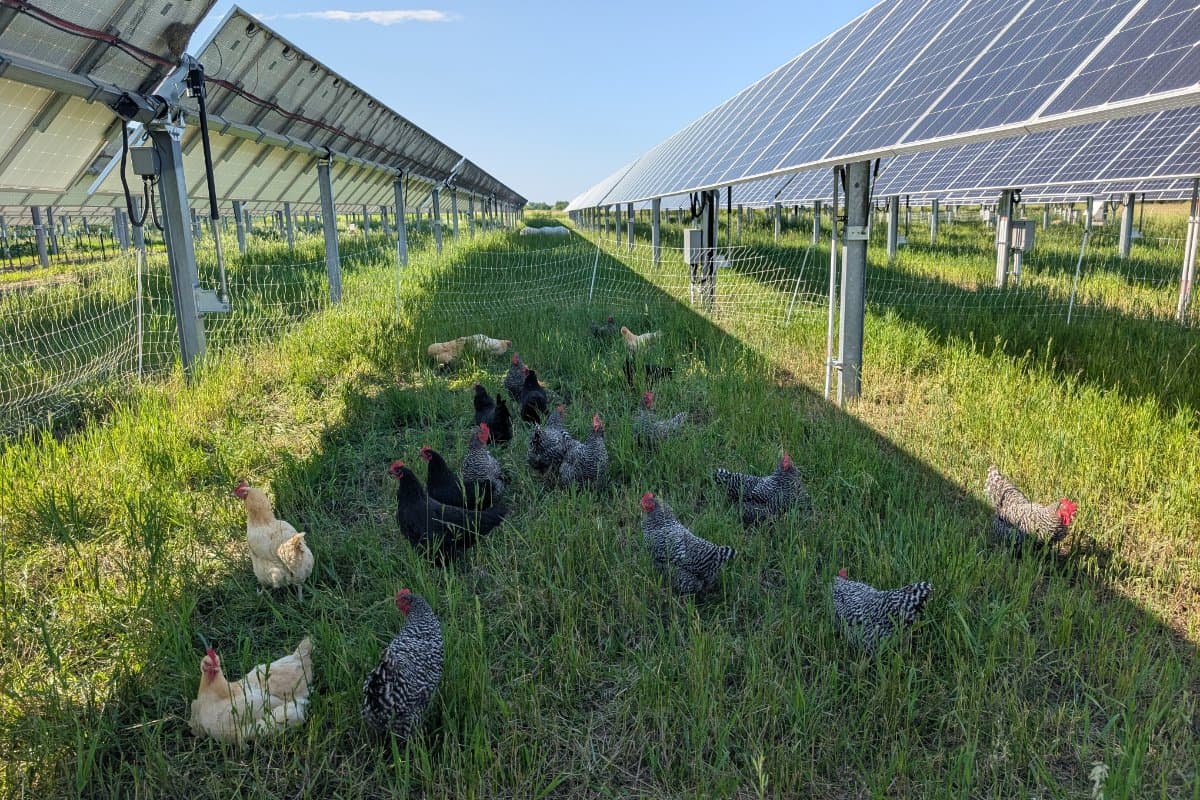
  • Model: Agrivoltaics (Agrophotovoltaics - APV) combining agriculture and solar power generation.
  • Key Figure: Kojadmal Jat, farmer and project participant.
  • Pilot Size: 3 acres (roughly twice the size of a cricket ground).
  • Electricity Generation: 600 kW, sufficient for irrigation power for approx. 250 farms.

Economic Impact

  • Annual Income: Jat's income increased from ₹40,000 to ₹3 lakh due to the installation of solar panels.
  • Cost: Elevated mounting structures cost ₹35 lakh, a barrier for smallholder farmers.
  • Expected Returns: Profits are anticipated to rise from ₹3.76 lakh to ₹4.48 lakh per acre.
  • Investment Recovery: Without viability gap funding (VGF), recovery time is 12 years; with VGF, it reduces to 6 years.

Government Schemes

  • PM-KUSUM: Central government scheme promoting the use of solar energy among farmers, providing incentives.
  • Viability Gap Funding: Government support that helps in reducing initial capital costs.

Legislative and Regulatory Framework

  • Electricity Act, 2003: Requires distribution companies to procure a fixed share of their electricity from renewable sources.
  • Challenges: No specific definitions or standards for agrivoltaic projects as compared to countries like Germany, France, and Japan.

Research and Development

  • Study and Findings: A report titled ‘Solar as a Third Crop to Augment Farmers’ Income’ released by ICRIER in April 2025 highlights the economic potential and challenges of the agriPV model.
  • Collaboration: The project involved partnerships with local organizations and farmer input in decision-making.

Challenges and Constraints

  • High Upfront Costs: Financial barriers include steep loan rates (10.25% interest) and additional costs for equipment (meters, installation).
  • Bureaucratic Hurdles: Variability in implementation and support among different States, with Rajasthan having streamlined processes compared to Madhya Pradesh.
  • Technological Integration: Need for retrofitting existing solar plants while maintaining energy generation during construction.

Future Directions

  • Policy Recommendations: Establishment of a centralized monitoring system under the Ministry of New and Renewable Energy (MNRE) is suggested to streamline agriPV implementation.
  • Credit Guarantee: Proposed by NABARD to facilitate financing for smaller agriPV projects.
  • Evidence Building: Calls for reliable data on agricultural productivity and solar generation to support scaling across agro-climatic regions.

Environmental Considerations

  • Microclimate Benefits: APV helps in reducing heat stress and evaporation, potentially leading to better yields in dry regions.
  • Global Hunger Context: India ranks 102nd out of 123 countries on the 2025 Global Hunger Index.

This summary encapsulates the agrivoltaics project in Rajasthan, highlighting its economic viability, challenges in financial and regulatory frameworks, and the importance of collaboration between farmers and research institutions.

Nagaland Signs Solar Power Agreement
Economic and Social Development22-Aug-2026

Nagaland Signs Solar Power Agreement

Summary of Nagaland Solar Power Agreement

Key Facts:

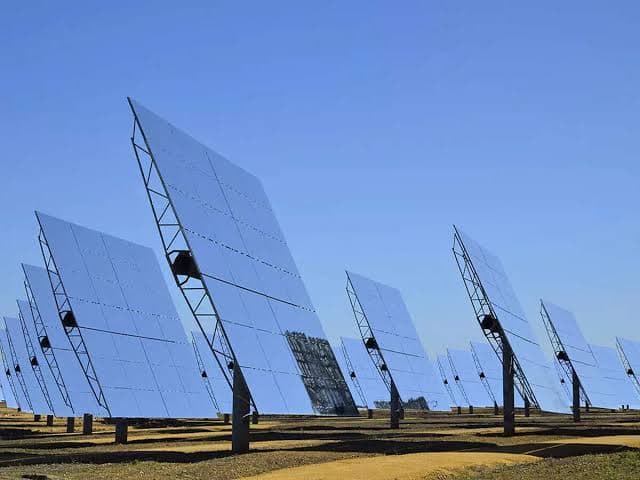
  • Project: 20-megawatt solar power plant at Tizit, Mon district, Nagaland.
  • Agreement Date: Signed on August 21, 2026.
  • Developer: Pune-based Tvaksas Renewable Private Limited.
  • Location: Lapa Lampong village.
  • Tariff Rate: ₹4.12 per kWh, approved by the Nagaland Electricity Regulatory Commission.
  • Commissioning Timeline: Expected within 20 months.
  • Long-term Plans: Potential expansion to 100 MW in phases.

Government Initiatives:

  • Renewable Energy Goals: The project aims to augment Nagaland’s renewable energy generation capacity and assist the State in meeting its renewable consumption obligations.
  • Current Power Demand: Nagaland's peak power demand is currently 203 MW, projected to increase to 482 MW by 2034-35.
  • Policy Focus: Encouragement of private sector participation to enhance local generation capacity and reduce reliance on power imports.

Economic Implications:

  • Investment and Development: The project is expected to bring long-term investments, skill development opportunities, and climate finance to Nagaland.
  • Cost Savings: Reducing the State’s power import bill through local generation.

Constitutional and Regulatory Framework:

  • Electricity Regulatory Framework: The tariff for the power purchase is approved under the guidelines set by the Nagaland Electricity Regulatory Commission, which regulates electricity pricing and ensures fair practices in power supply.

Conclusion

This initiative marks Nagaland's first private-sector solar plant, aligning with broader government objectives to enhance renewable energy capacity and meet future electricity demands sustainably. The focus on private investment indicates a strategic shift towards local energy solutions, contributing to economic and environmental goals.

National Animal Disease Control Program
Economic and Social Development22-Aug-2026

National Animal Disease Control Program

National Animal Disease Control Programme (NADCP) Overview

Initiation and Objectives:

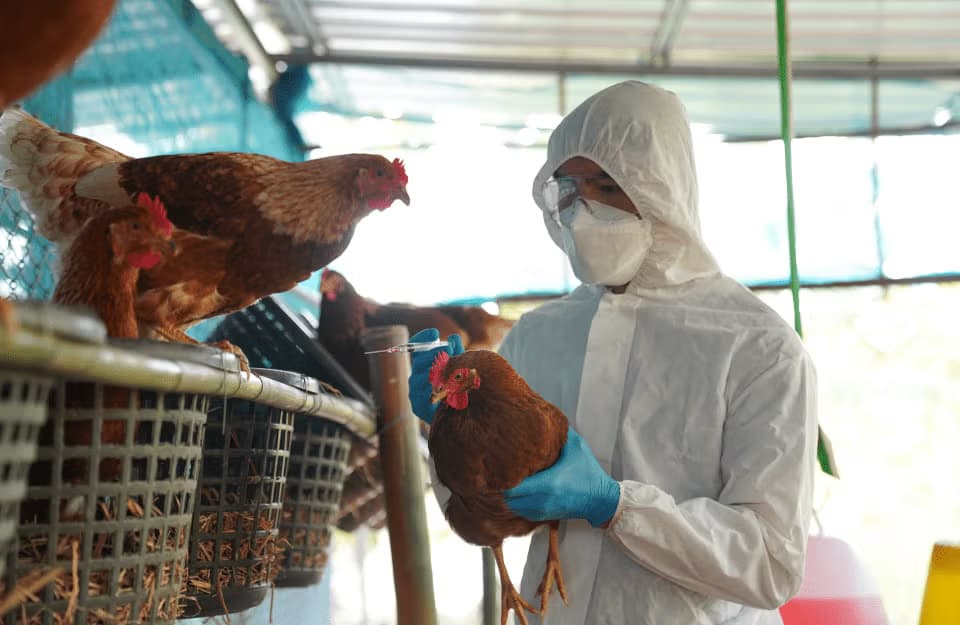
  • Launched in 2019 to combat Foot and Mouth Disease (FMD) and Brucellosis in livestock.
  • Aims for nationwide vaccination and monitoring.

Vaccination and Impact:

  • 147.16 crore FMD vaccines administered, benefiting 8.04 crore farmers.
  • FMD cases dropped from 132 in 2019 to 40 in 2025.
  • Brucellosis cases decreased from 22 in 2019 to 15 in 2025.

Immunity and Disease Control:

  • NSP antibody presence reduced from 20.8% in 2019 to 8.1% in 2025.
  • No reported cases of FMD from serotype Asia-1 in the last three years.
SEPA Launches Student Cell for Energy
Economic and Social Development22-Aug-2026

SEPA Launches Student Cell for Energy

Summary of Key Facts and Developments

New Initiatives and Funding

  • Sustainability and Energy Practitioners Association (SEPA):
    • Launched a student cell aiming to enroll 10,000 students within a year.
    • Targets ₹1,000 crore in funding over the next five years for various initiatives.
    • Plans to undertake research projects worth ₹83 crore through consortiums formed with industries and academic institutions.

Energy Production in India

  • Director-General of National Institute of Solar Energy, Mohammad Rihan, emphasized that:
    • Reliable power supply is crucial for development.
    • India's energy production has increased; however, as development progresses, the demand for power continues to rise.
    • There is an urgent need to transition to green energy sources to meet growing power requirements sustainably.

Solar Energy Capacity

  • India currently boasts over of non-fossil fuel power generation capacity, with a significant contribution from solar energy.
India's Fiscal Outlook for 2026-27
Economic and Social Development21-Aug-2026

India's Fiscal Outlook for 2026-27

Fiscal Outlook for 2026-27: Key Highlights

  1. Tax Revenue Performance:

    • Gross Tax Revenues (GTR) for the Centre grew by 3.7% in Q1 of 2026-27.
    • Modifications in tax structures in 2025-26, especially for Personal Income Tax (PIT) and Goods and Services Tax (GST), led to subdued revenue performance.
    • PIT revenue growth for 2025-26 was only 0.037%, indicating a buoyancy of zero.
    • GST revenues contracted by (-11%) in Q1 2026-27 after a growth of 4.67% in the second half of 2025-26.
  2. Tax Modifications:

    • Significant rate rationalization occurred in 2025-26 for both PIT and GST.
    • GST underwent a substantive rate reduction, anticipating initial revenue sacrifice to enhance the tax base gradually.
  3. Economic Indicators:

    • Despite pressure from tax revenues and subsidies, strong non-tax receipts and policy interventions are expected to help maintain fiscal outcomes.
    • Current pressures highlight challenges in revenue generation as economic uncertainties persist.
  4. Geopolitical Context:

    • Ongoing geopolitical tensions, particularly involving West Asia (Israel-US strikes on Iran), may influence external factors affecting India's fiscal health.
  5. Government Schemes/Policies:

    • Continuing focus on tax reforms and ensuring enhanced revenue collection mechanisms as a part of fiscal strategy.
  6. Monetary Policy Indicators:

    • Reserve Bank of India's (RBI) stance may adjust in response to fiscal pressures and inflationary trends stemming from global supply chain disruptions.

The fiscal landscape moving towards 2026-27 will likely be shaped significantly by these tax interventions and the broader geopolitical climate, influencing current and future economic strategies of the government.

  • Comprehensive veterinary infrastructure and digital data support.
  • Livestock Statistics:

    • Total livestock population (2019): 535.78 crore, with 302.79 crore bovines.
    • Significant economic implications due to infectious diseases affecting milk production and trade.

    Vaccination Strategy:

    • Annual vaccination target: 100% of all animals against FMD.
    • Brucellosis vaccination for heifers aged 4-8 months once in a lifetime.

    Financial and Operational Aspects

    Budget:

    • For FY 2026-27, total budget allocation for NADCP: ₹2,010 crore.

    Operational Mechanisms:

    • 4,019 mobile veterinary units (MVUs) providing services to farmers.
    • Over 39 crore animals registered on the India Livestock Portal.

    Technological Integration:

    • Use of AI-enabled analytics and real-time monitoring for data-driven decision-making.

    Scientific and Health Insights

    Disease Control Outcomes:

    • Average protective immunity post-vaccination for FMD serotypes O, A, and Asia-1: 78.1%, 71.7%, and 77.6% respectively.
    • Brucellosis vaccination success rates: 75.63% in calves and 67.17% in buffaloes.

    Economic Impact:

    • Milk production increased from 146.31 million tons in 2014-15 to 247.87 million tons in 2024-25, a 69.4% increase.
    • Livestock productivity improvements:
      • Indigenous cattle productivity increased by 44.89%.
      • Buffalo productivity increased by 25.80%.

    Future Directions

    Sustainability and Preparedness:

    • Strengthening animal health systems through the Pandemic Fund Project (2024) with $25 million in collaboration with ADB and World Bank.
    • Focus on genomic and environmental monitoring, enhancing laboratory infrastructure.

    Policy Framework:

    • Development of Standard Veterinary Treatment Guidelines and Crisis Management Plan for disease outbreak preparedness.

    One Health Approach:

    • Integration of human, animal, and environmental health to mitigate zoonotic diseases and promote antimicrobial stewardship.

    Conclusion

    The NADCP stands as a pivotal initiative in enhancing livestock health and productivity in India, contributing significantly to food security, farmer prosperity, and pandemic preparedness. Continuous investment in animal health is essential as India progresses towards becoming a developed nation by 2047.

    300 GW
  • To meet its net zero emissions target, the country needs to scale up to over 5,000 GW of solar energy capacity.
  • Importance of Electricity Access

    • Electric access is fundamental for modern data availability, underscoring the importance of ensuring sustainable electricity production to facilitate technological advancements.

    Strategic Focus Areas

    • Emphasizing a transition towards renewable energy is highlighted as a critical pathway for India to meet its future energy demands while aligning with environmental sustainability goals.
    • Continued investment in education and research, especially for students, is envisioned to bolster innovation within the energy sector.

    Conclusion

    The initiatives led by SEPA and the strong focus on solar energy illustrate India's commitment to enhancing its renewable energy capacity and addressing environmental challenges through structured educational and funding frameworks.