iAspirants
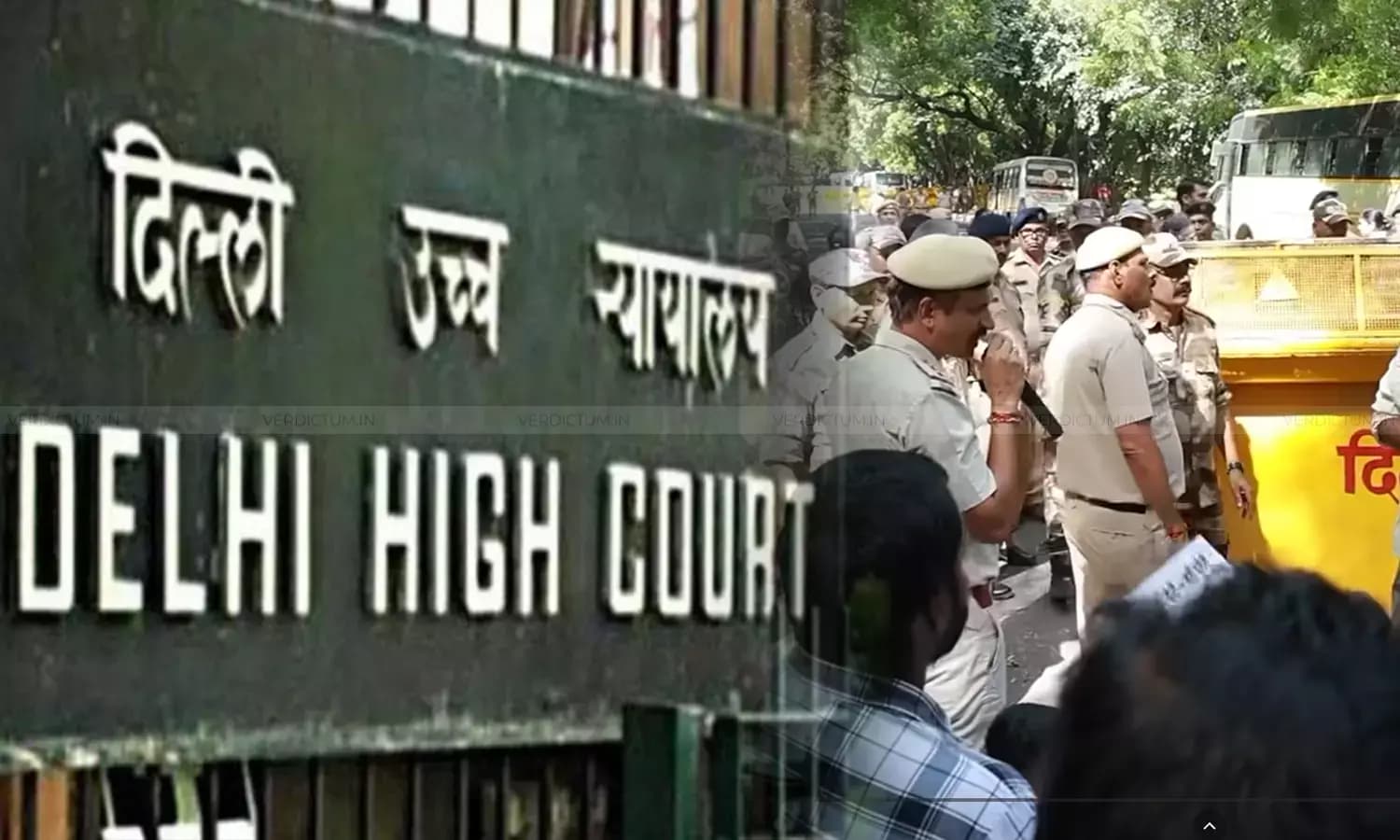
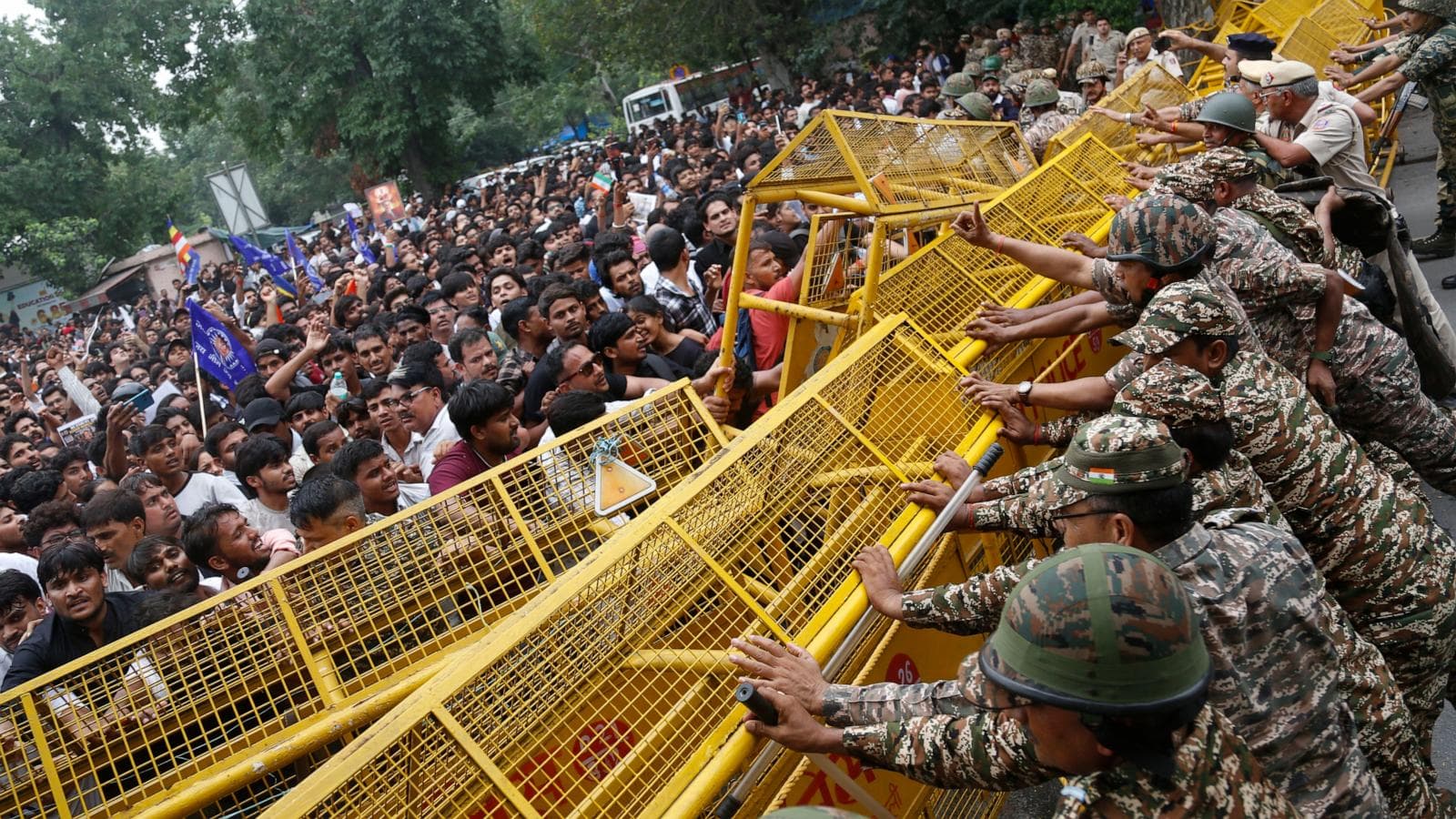
Delhi Police Denies Protest Permission
Published on:
Source: Indian Express
Share this post
Article Summary
Key Highlights on Protest Regulations and Judicial Oversight
Constitutional Provisions:
- Article 19(1)(a): Guarantees the right to free speech and expression.
- Article 19(1)(b): Protects the right to assemble peacefully and without arms.
- Article 19(2): Allows restrictions on speech for specific reasons including public order.
- Article 19(3): Permits "reasonable restrictions" on peaceful assembly in public interest.
Judicial Pronouncements:
- Mazdoor Kisan Shakti Sangathan (2018): The Supreme Court emphasized that peaceful demonstrations are fundamental rights. It criticized the failure to regulate protests adequately, stating that the requirement for prior permission must not be used to suppress protests altogether.
- Babulal Parate v State of Maharashtra (1961): Recognized the right to challenge magistrate orders barring assembly.
- Ramlila Maidan Incident (2012): Asserted that preventive orders must be based on actual threats to public order and must be exercised cautiously.
Delhi Police Guidelines:
- Protests at Jantar Mantar require application submission to the Deputy Commissioner of Police (DCP) at least 10 days prior to the event.
- Late applications may be considered based on circumstances.
- Gatherings at Jantar Mantar can't exceed 1,000 participants; larger crowds must be directed to the Ramlila Ground (capacity: 50,000).
- The DCP must assess potential impacts on public safety and traffic before granting permission.
Government and Legal Framework:
- Bharatiya Nagarik Suraksha Sanhita (BNSS): Forms the legal basis for regulating public gatherings.
- Section 223 of the BNSS encompasses penalties for defying lawful orders, potentially leading to imprisonment or fines.
- The standing order of Delhi Police states that demonstrators may be recorded, especially if non-compliant during past protests.
Recourse for Organizers:
- Options include applying again with revisions (smaller gathering, shorter duration) or challenging refusals in the Delhi High Court under Article 226.
- The Standing Order indicates that a refusal has no formal appeal process; however, arbitrary denials can be contested as infringement upon constitutional rights.
Implications of Prohibitory Orders:
- Section 163 allows a magistrate to issue orders stopping assembly.
- Affected individuals can apply to rescind such orders, with the magistrate required to provide a hearing and reasons for any rejection.
Criticisms and Legal Opinions:
- Legal experts argue that blocking protests without providing alternatives violates constitutional rights.
- The police's breadth of authority to deny permits for protests has been criticized for infringing on citizens' rights to assemble and express grievances.
Summary:
- The legal frameworks and judicial rulings reflect a balance between protecting public order and ensuring the fundamental right to protest.
- The interplay between police guidelines, constitutional rights, and judicial oversight remains a significant theme in discussions regarding public demonstrations and civil rights in India.
Conclusion:
Understanding regulations surrounding protests involves navigating constitutional rights and judicial interpretations, which underscore the balance between public safety and fundamental freedoms in a democratic society.
Key Terms & Concepts
| Article 19(1)(a) | Protects free speech and assembly |
| Article 19(2) | Permits speech restrictions |
| Article 19(3) | Allows reasonable assembly restrictions |
| Section 144 of CrPC | Regulates public assembly |
| Bharatiya Nagarik Suraksha Sanhita | Amends criminal procedure code |
| Delhi Police Guidelines | Outlines protest permission process |
| 1,000 people limit | Maximum gathering at Jantar Mantar |
| Ramlila Ground | Alternative protest venue capacity 50,000 |
| Section 163(5) | Allows application against prohibitory order |
| Babulal Parate v State of Maharashtra (1961) | Recognizes right to challenge orders |
| Ramlila Maidan Incident (2012) | Limits arbitrary restrictions on assembly |
| MKSS judgement (2018) | Prevents blanket bans on protests |