iAspirants
Delhi High Court Body Camera Petition
Published on:
Source: The Hindu
Share this post
Article Summary
Delhi High Court Directive on Body-Worn Cameras
Key Details:
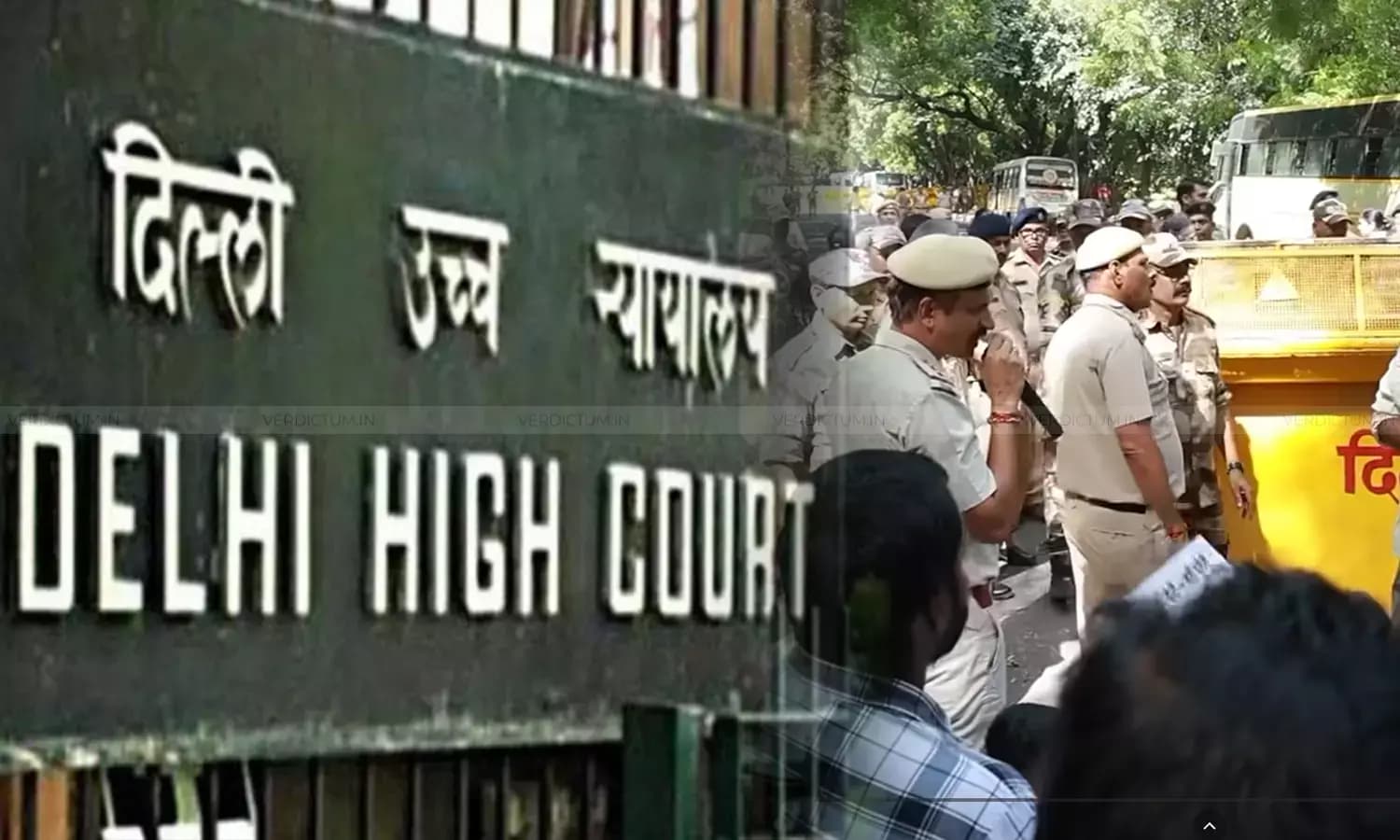
- Court Ruling: The Delhi High Court directed the Central government to consider a public interest litigation (PIL) that seeks standard operating procedures (SOPs) for police and Rapid Action Force (RAF) personnel regarding the use of "always-on" body-worn cameras during crowd control and protest management duties.
- Timeline: The government is required to communicate its decision to the petitioner within six months from the court's order.
Petition Background:
- Filed By: Advocate Chahat Raghav.
- Main Requests:
- Formulation of mandatory SOPs for police and RAF regarding the continuous use of body-worn cameras.
- Establishment of a comprehensive regime for managing recorded footage, including storage, integrity, retention, and evidentiary use.
Justification for Use of Body-Worn Cameras:
- Accountability: The petition argued that the absence of consistent body-worn camera usage impairs accountability concerning allegations of police violence during protests.
- Current Situation: Cameras are used by police sporadically; the petition emphasizes the need for systematic implementation to address excessive force allegations effectively.
Additional Context:
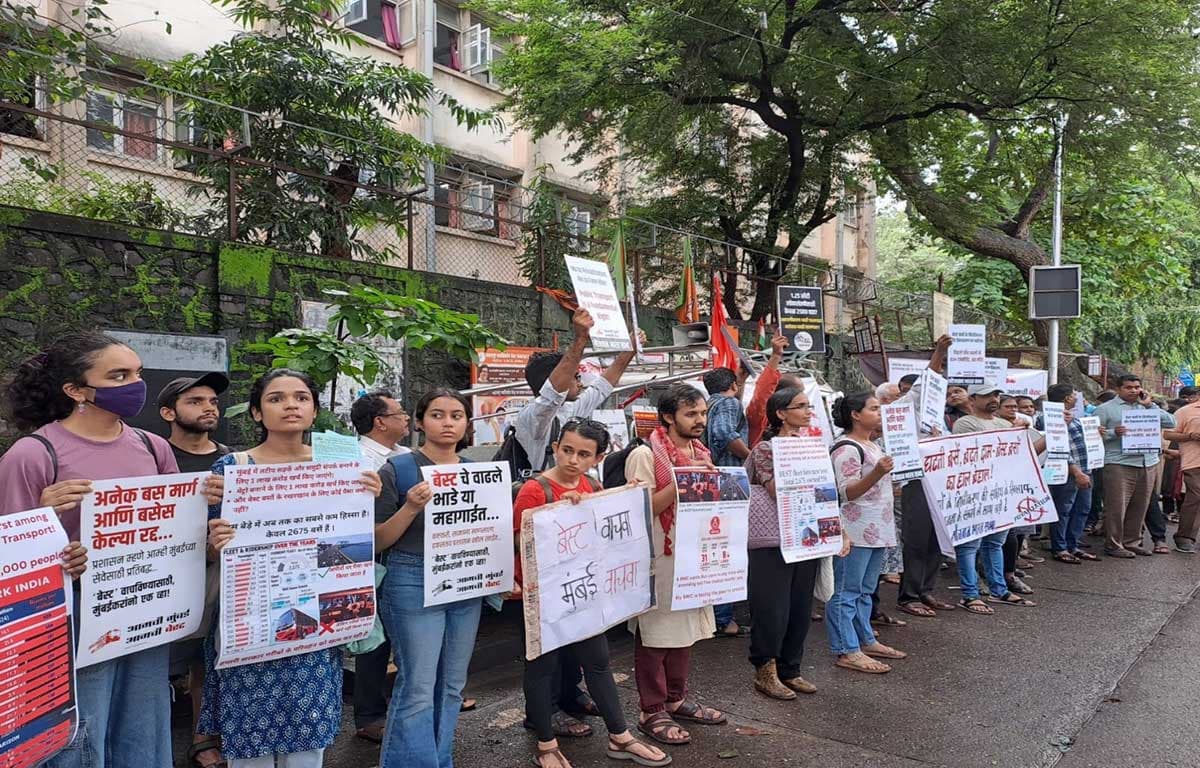
- Recent Protests: The petition is particularly in the context of protests that occurred at Jantar Mantar in July, involving the Cockroach Janta Party (CJP) and climate activist Sonam Wangchuk.
- Documentation of Events: During these protests, actions by the police and RAF were mainly recorded by bystanders, highlighting a gap in official documentation and accountability.
Response to the Court:
- Advocacy: Senior advocate Akhil Sibal represented the petitioner, arguing the need for an oversight mechanism to manage accountability during protests effectively.
- Government's Position: Additional Solicitor General Chetan Sharma acknowledged existing guidelines regarding protest organization, hinting that they address videography aspects.
Constitutional and Legal Perspectives:
- The PIL reflects concerns around constitutional rights to accountability and safety during protests, aligning with citizens' rights to peaceful assembly and freedom from undue violence.
Implications:
- Should this directive lead to implementation, it could set a precedent for police transparency and accountability in India, potentially influencing nationwide security and monitoring practices during public demonstrations.
Conclusion:
This case highlights the increasing scrutiny on law enforcement practices in India, focusing on the integration of technology for greater transparency and accountability in crowd management. The outcome may pave the way for enhanced public safety measures and procedural reforms in how law enforcement agencies manage protests and maintain public order.
Key Terms & Concepts
| Delhi High Court | Judicial authority addressing police conduct |
| Centre | Government body to consider petition |
| body-worn cameras | Proposed for police accountability |
| crowd-control | Context of camera usage |
| Rapid Action Force | Police unit involved in protests |
| public interest litigation (PIL) | Legal framework for petition |
| SOP | Standard Operating Procedure proposal |
| Jantar Mantar | Location of protests mentioned |
| July protests | Events leading to litigation |
| Akhil Sibal | Senior advocate representing petitioner |
| videography guidelines | Existing policies mentioned |