iAspirants
Childhood Cancer Statistics in India
Published on:
Share this post
Article Summary
Summary of Childhood Cancer Issues in India
Key Findings:
- India accounts for 68.6% of new childhood cancer cases in the SAARC region, with 25,939 new cases and 17,698 deaths reported annually (2022).
- Leukaemia is the most prevalent childhood cancer (35-50% of cases), followed by central nervous system (CNS) tumors (~12%).
- The national cancer registry in India covers only 15% of the population, primarily urban areas, leading to underreporting in rural locations.
Health Statistics:
- Children under 14 years: Approximately 380 million in India.
- Cure rates: Childhood leukaemia can achieve 80-90% cure rates with early diagnosis; however, overall cure rates for childhood cancers are skewed due to socioeconomic factors, with less than 30% cure rates in low- and middle-income countries, compared to over 80% in high-income nations.
Challenges:
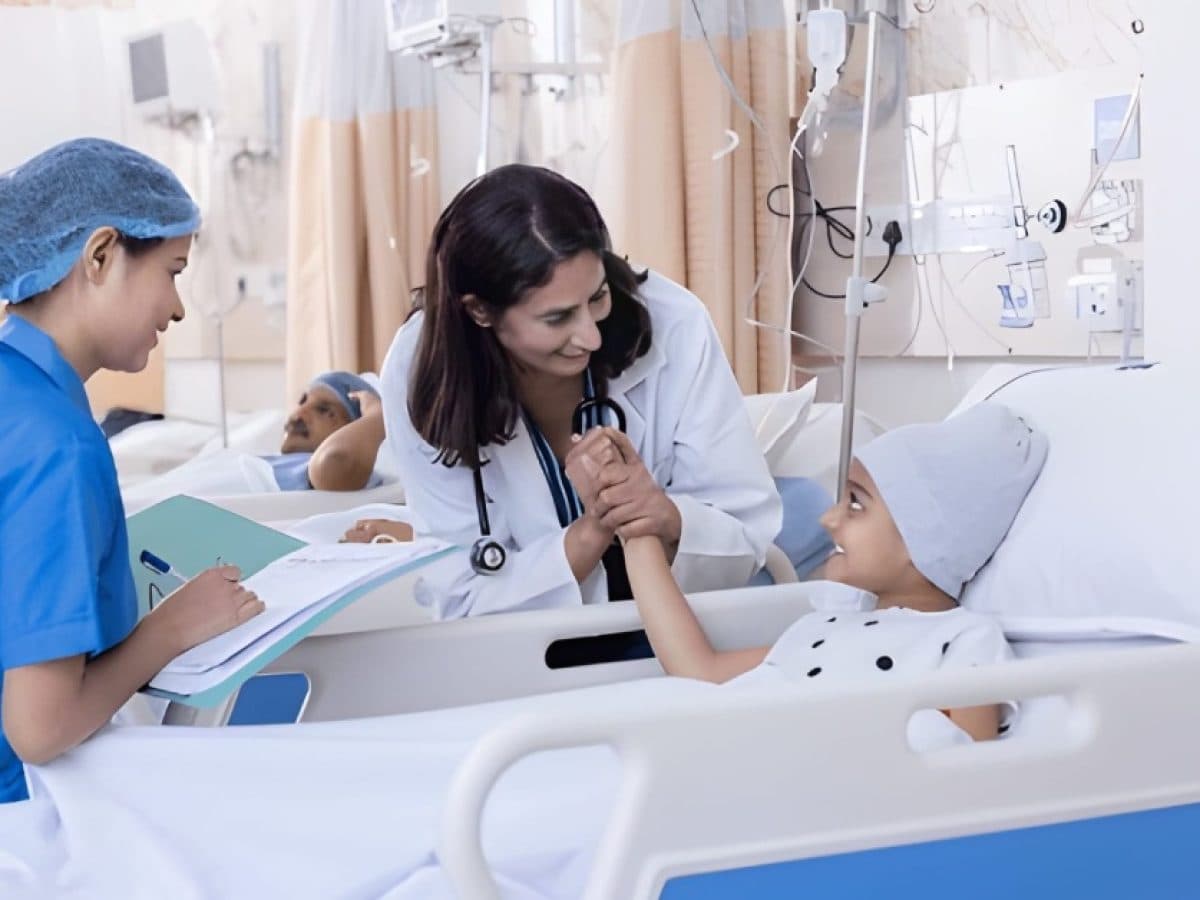
- Delayed diagnosis and advanced presentation of cancer significantly affect survival rates.
- Financial Constraints: High treatment costs can lead to abandonment, worsened by the failure of initial treatments.
- Need for a comprehensive cancer registry: Essential for accurate data, aiding in the identification of geographical patterns and factors affecting childhood cancer incidence.
Government Schemes and Policies:
- Ayushman Bharat scheme: Provides ₹5 lakh health cover per family, subsidizing initial treatment in government hospitals.
- As of August 11, 2026, the Supreme Court mandated all states and UTs to declare cancer as a notifiable disease to enhance data collection and reporting.
Recommendations:
- Enhance cancer registration and reporting practices to cover rural areas, aiming for a national registry capturing diagnosis, geographical origin, and treatment outcomes.
- Improve access to specialized healthcare and financial support for families undergoing treatment.
- Provide improved educational resources about the importance of early diagnosis and available treatment options.
Current Developments:
- Significant expansions of cancer treatment infrastructure across states, along with an increase in specialized paediatric oncology units, facilitating better access to care.
- Ongoing efforts by institutions like the Cancer Institute in Chennai to establish registries and improve information sharing among hospitals.
Conclusion:
To effectively combat childhood cancer in India, a multi-faceted approach focusing on early diagnosis, improved healthcare access, financial support, and comprehensive data collection is essential for increasing survival rates and improving outcomes for affected children and their families.
Key Terms & Concepts
| Leukaemia | Most common childhood cancer |
| SAARC | Regional cancer statistic reference |
| 37,716 | New childhood cancer cases annually |
| 17,698 | Childhood cancer deaths annually |
| 25,939 | New cases reported in India |
| IARC | Cancer registry data source |
| 80–90% | Cure rates for leukaemia with treatment |
| Ayushman Bharat scheme | Health coverage program in India |
| ₹5 lakh | Health cover per family |
| 15% | Cancer registry coverage in India |
| Supreme Court | Directed notification of cancer |
| 2026 | Year of Supreme Court directive |
| Regional Cancer Centre |