iAspirants
Challenges Faced by Sugarcane Cutters
Published on:
Share this post
Article Summary
Summary Notes on Sugarcane Cutter Labor Issues in Maharashtra
Labor Conditions and Exploitation
- Migrant Labor: Approximately 10 lakh migrant sugarcane cutters in Maharashtra, half of whom are women.
- Work Environment: Workers, including pregnant women, face brutal conditions; they work from 3 a.m. to 7 p.m. with minimal compensation (couples earn less than ₹80,000 in a season).
- Wage Penalties: Penalties of ₹600 for taking a day off and ₹1,200 if both partners take leave.
- Lack of Legal Protection: Incidents of exploitation and lack of basic amenities (like toilets) are rampant; workers have no direct employment relationship with sugar mills, complicating accountability.
Judicial Rulings
- Bombay High Court Ruling (2025): Mandated the Maharashtra government to implement comprehensive welfare measures for sugarcane cutters amidst increasing activism.
Economic Context
- State's Contribution: Maharashtra accounts for one-third of India’s sugar production with 40 lakh farmers cultivating on over 14.87 lakh hectares, generating an annual turnover of approximately ₹1 lakh crore.
- Employment Statistics: Direct employment of about 2 lakh factory workers supports various sectors including ethanol and green hydrogen, yet the millers claim a drastic decline in the number of active sugarcane cutters to under 5 lakh.
Modernization and Mechanization
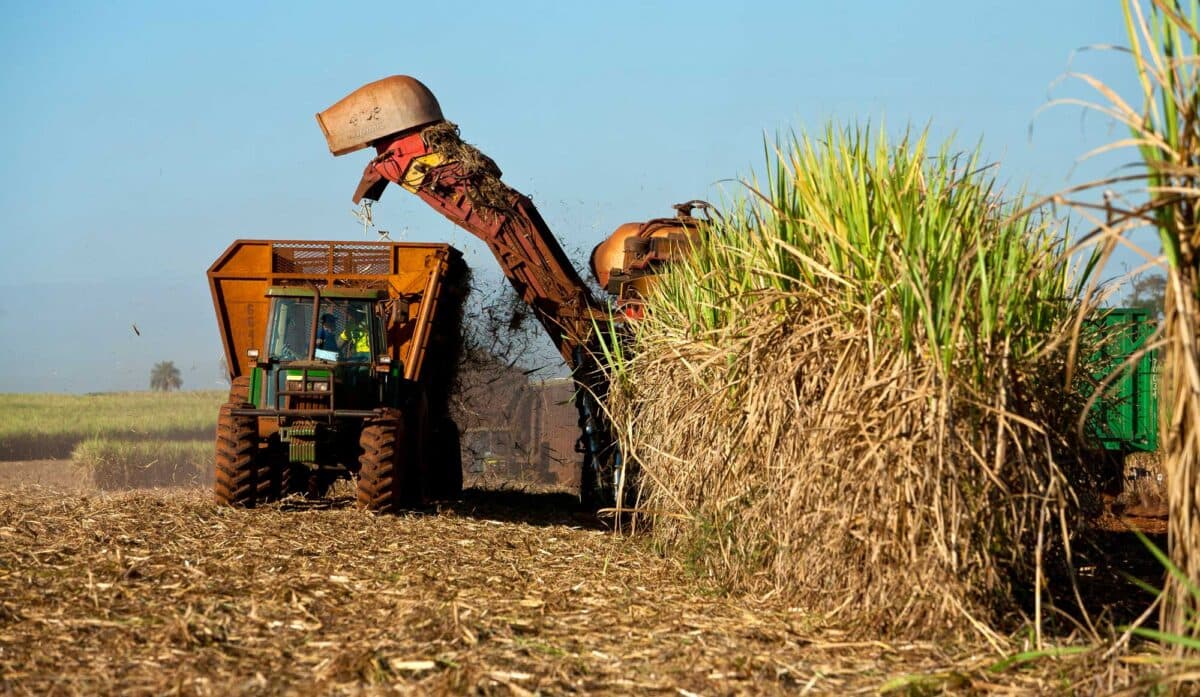
- Use of Machinery: Increased use of mechanical harvesters (3,218 operational in India, with 68% in Maharashtra) is anticipated to radically transform the industry, facilitating a shift from traditional labor to mechanized processes in the next three years.
- Sector Challenges: Sugar mills are currently facing operational delays and losses due to a shortage of manual labor.
Activism and Future Outlook
- Activist Organizations: The Women Sugarcane Cutters Union advocates for workers' rights, illuminating issues of financial and sexual exploitation.
- Cultural Shift: There is a generational decline in labor participation in sugarcane cutting, as younger individuals seek alternative employment, pushing towards a mechanized industry landscape.
Key Statistics
- Industry Size: 40 lakh farmers cultivating sugarcane contribute to a ₹1 lakh crore industry annually.
- Harvesters: 3,218 mechanical harvesters with a forecast of increased adoption among sugar mills.
Conclusion
Workers in the sugarcane industry of Maharashtra continue to confront hardships characterized by exploitation and inadequate legal protections. With judicial interventions and rising mechanization, the sector is evolving, albeit uncertainly, for the labor force responsible for its foundation. The future of traditional labor in this crucial agricultural sector remains precarious.
Key Terms & Concepts
| Solapur | Drought-prone district for sugarcane |
| Beed | Major district for migration |
| Karnataka, Gujarat, Tamil Nadu | States where workers migrate |
| 10 lakh | Number of migrant sugarcane cutters |
| 16 hours | Daily working hours for cutters |
| ₹80,000 | Earnings at season end |
| 2025 | Year of significant court ruling |
| Bombay High Court | Judicial body for labor rights |
| 3,218 | Operational sugarcane harvesters in India |
| 40 lakh | Farmers growing sugarcane in Maharashtra |
| ₹1 lakh crore | Annual turnover of sugar industry |
| 14.87 lakh hectares | Area of sugarcane cultivation |
| 60% to 70% |