iAspirants
Current AffairsPrelims PYQsUPSC CSE SyllabusUPSC CSE StrategyBlogsPricing
Login
iAspirants

Your AI-powered companion for UPSC preparation.

Quick Links

  • Home
  • About Us
  • Current Affairs
  • Prelims PYQs
  • UPSC CSE Syllabus
  • UPSC CSE Strategy
  • Blogs

Company

  • Pricing
  • FAQs
  • Contact Us
  • Login

Legal

  • Privacy Policy
  • Terms & Conditions
  • Return Policy

© 2026 iAspirants, Inc. All rights reserved.

  1. Blogs
  2. Environment and Ecology

Bihar's Controversial Wildlife Tourism Proposal

Published on: 31-Oct-2026

Source: Indian Express

Share this post

Bihar's Controversial Wildlife Tourism Proposal

Article Summary

Bihar Forest Department's Tourism Development Proposal: Key Highlights

  1. Construction Tender and Project Overview:

    • Bihar Forest Department issued a tender for tourism facilities within the Bhimbandh Wildlife Sanctuary on October 16, 2026.
    • The project covers 12.9 acres and includes:
      • A helipad
      • 104 cottages
      • 12 tree-houses
      • A restaurant, cafe, and spa
      • Viewing decks, shops, banquet facilities, and an auditorium.
    • Floor heights of buildings may reach two to three stories.
  2. Financial Aspects:

    • The project proposes an investment of approximately ₹62.87 crore.
    • A 60-year concession for developing and operating the facilities is planned.
  3. Legal and Constitutional Framework:

    • The Wild Life (Protection) Act, 1972 regulates constructions in wildlife sanctuaries. Generally, only works necessary for sanctuary purposes are allowed without special permissions.
    • Construction of tourist lodges or any commercial entities requires approval from the National Board for Wildlife.
    • In February 2023, the Supreme Court imposed restrictions on construction activities within tiger reserves, national parks, and wildlife sanctuaries until further directives are issued.
  4. Conflict of Interest and MoU Issues:

    • A previously signed Memorandum of Understanding (MoU) with the Road Construction Department to facilitate forest clearance for highway widening faced allegations of conflict of interest and was later cancelled.
  5. Regulatory Challenges:

    • The Bihar Eco Tourism Development Society (BETDS) asserts that the project is on 6.3 acres of state tourism land and 6.6 acres of other government land, indicating potential exemptions from some clearances.
    • The tender has unclear provisions regarding responsibility for obtaining necessary environmental and wildlife clearances, leading to confusion about statutory compliance.
  6. Ecological Context:

    • Bhimbandh Wildlife Sanctuary, approximately 682 sq km, is located in the Kharagpur Hills and is notable for its natural hot springs and diverse wildlife, including leopards, sloth bears, hyenas, wolves, and barking deer.
  7. Environmental Provisions:

    • The tender document allows the developer to propose additional commercial components subject to necessary approvals, indicating a potential increase in commercial activity in a protected area.
  8. Regional Orientation:

    • The sanctuary spans the districts of Munger, Jamui, and Lakhisarai and is known for its ecological significance.
  9. Bids and Project Timeline:

    • The final date for submitting bids is set for November 30, 2026.

This summation highlights the ongoing developments in the area of eco-tourism within protected areas in Bihar, emphasizing the need for compliance with environmental laws and the balance between economic development and conservation efforts.

Key Terms & Concepts

Bhimbandh Wildlife SanctuaryProtected area facing construction
MoUAgreement for forest clearance
Bihar Eco Tourism Development Society (BETDS)Organizes tourism facility development
Rs 62.87 croreInvestment for tourism facilities
Wild Life (Protection) ActLegal framework for wildlife protection
Supreme CourtJudicial body restricting construction
6.3 acresTourism department land for project
682 sq kmTotal area of the sanctuary
Kharagpur HillsRegion housing the sanctuary
hot springsNatural feature of the sanctuary

Mind Map for UPSC Civil Services Revision

Turn UPSC Civil Services Current Affairs Into Exam-Ready Notes

Reading Environment and Ecology current affairs is half the work. Revise them with ready-made notes and test what actually stuck.

  • Daily UPSC Civil Services current affairs analysis
  • Revision notes, mind maps & MCQs
  • Prelims mock tests with instant results

Related UPSC Civil Services Current Affairs Articles

Butterflies Facing Climate Change Challenges
Environment and Ecology31-Oct-2026

Butterflies Facing Climate Change Challenges

Summary of Scientific Papers on Butterfly Monitoring and Climate Change

Key Findings and Insights

  1. Shifts in Butterfly Populations:

    • Three scientific papers suggest significant shifts in butterfly populations globally, indicating declining numbers in many regions.
  • Major shifts are correlated with climate change and habitat loss.
  • Research Data:

    • Over 1,758 butterfly species across 105 countries were analyzed, representing slightly less than 10% of all known species.
    • Most species (80%) are expanding their ranges, primarily in tropical countries, but significant declines observed in North America and Europe.
  • Statistical Overview:

    • The Conservation Letters paper, using data from over 45,000 monitoring time series, reported a 24% average decline in butterfly populations since 1995.
    • Data underrepresentation in tropical regions indicates uncertainty in trend estimates for these rich biodiversity areas.
  • Reports Overview

    • "Extensive Climate-Induced Range Shifts in Butterflies Across the Globe":

      • Focus on climate change impacts on butterfly ranges.
      • Conducted by Shawan Chowdhury and Krushnamegh Kunte.
    • "A Framework for the Strategic Conservation of Tropical Insects" & "Addressing Gaps in Butterfly Population Monitoring":

      • Emphasize the need for substantial monitoring in tropical regions.
      • Highlight the importance of integrating citizen science into systematic data collection.

    Global Context

    • Monitoring Efforts:

      • The Indian Butterfly Monitoring Scheme (iBMS), launched in 2021, aims to systematically monitor butterfly populations in India.
      • iBMS is highlighted as a significant step towards addressing data deficiencies in tropical regions.
    • International Commitments:

      • India has signed on to global biodiversity conservation targets; effective monitoring is essential to assess conservation actions' effectiveness.

    Recommendations

    1. Expand Standardized Monitoring:

      • Urgent need for more comprehensive butterfly monitoring in tropical regions to substantiate conservation actions.
    2. Integrate Evidence into Conservation Planning:

      • Research advocates for structured integration of monitoring data into conservation strategies and protected area designs.

    Implications for Conservation

    • Butterfly monitoring is posited as essential, especially for developing nations.
    • The proactive approach will position India as a leader in tropical butterfly conservation and management, showcasing methodologies that can be emulated globally.

    This summary underscores the pressing need for improved monitoring and conservation of butterfly populations in the face of climate change, with a strong emphasis on the role of citizen science and strategic planning in biodiversity preservation.

    Glacial Lake Outburst Flood in Bhutan
    Environment and Ecology31-Oct-2026

    Glacial Lake Outburst Flood in Bhutan

    Summary of the Glacial Lake Outburst Flood (GLOF) in Bhutan

    Incident Overview:

    • Event: Glacial lake outburst flood (GLOF)
    • Location: Shintapu Tsho, Laya area, Gasa district, Bhutan
    • Date: October 29, 2026
    • Impact: Triggered flooding along the Mochhu River, damaging roads, bridges, and public infrastructure.

    Damage and Response:

    • Affected Areas: Significant infrastructure damage in two districts, including Gasa and Punakha.
    • Casualties: No human casualties reported.
    • Emerging Risk: Formation of a large artificial lake near Taktsemakhang, raising fears of another potential outburst.
    • Evacuations: Royal Bhutan Army personnel and local populations were instructed to evacuate to safer locations.
    • Local Governance Response: Prime Minister Tshering Tobgay and Minister Namgyel Dorji monitoring the situation.

    Infrastructure Damage:

    • Facility Damage: Extensive damage to Gasa Tsachu hot spring facilities. Previous GLOF-related damages were noted in August 2021, affecting the same region.
    • Roads and Bridges: Damage to vital roads and loss of a Bailey bridge in Punakha, constructed in 2022 with support from India.

    Geographic Context:

    • Glacial Lakes: Shintapu Tsho among Bhutan's 17 glacial lakes identified as potentially dangerous due to melting Himalayan glaciers.
    • Hydrological Significance: Mochhu and Phochhu rivers converge in Punakha, contributing to the Sonkosh River flowing along the Assam-West Bengal border.

    Monitoring and Precautions:

    • Bhutan Preparedness: Officials in Punakha and Thimphu districts placed on high alert for potential threats from the GLOF-induced artificial lake.
    • Assam State Response: Chief Minister Himanta Biswa Sarma announced monitoring of the GLOF's impact on vulnerable areas in Assam, specifically districts Dhubri and Kokrajhar.

    Environmental Context:

    • Melting Glaciers: Highlight of the broader concern regarding the melting of Himalayan glaciers and their potential impact on South Asia, accentuating vulnerability to such environmental disasters.

    Need for Further Assessment:

    • Officials indicated that immediate assessments of the GLOF's impact during the incident were not possible.

    Key Takeaways:

    • GLOF events pose a significant threat to infrastructure and local ecosystems.
    • Continuous monitoring and preparedness are critical, especially in areas around glacial lakes.
    • Government responses must ensure safety protocols are in place for potential environmental disasters.
    Cheetah Cub Shot in Madhya Pradesh
    Environment and Ecology30-Oct-2026

    Cheetah Cub Shot in Madhya Pradesh

    Summary of Cheetah Death Investigation at Kuno National Park

    1. Incident Overview:

      • A 19-month-old male cheetah cub (KNG22) found injured in the Morena Territorial Forest Division succumbed to injuries on October 27, 2026.
      • The preliminary investigation indicated the cub was shot using a traditional bharmar muzzle-loading firearm.
    2. Investigation Findings:

      • Five firearm pellets were recovered during emergency surgery.
      • The pellets are characteristic of muzzle-loading firearms prevalent in rural Indian areas.
      • Investigators are probing connections to local hunting activities, emphasizing oversight failures by local forest division staff.
    3. Monitoring Lapses:

      • The Kuno monitoring team was present but failed to hear any gunfire or recognize the situation's severity in time to save the cub.
      • Local wildlife officials reported insufficient monitoring and community safety measures in the wildlife-sensitive region.
    4. Local Firearm Statistics:

      • The Morena district has approximately 25,000 licensed firearm owners.
      • At the start of the Kuno project, 21 of 41 villages acknowledged firearm ownership, contributing to wildlife threats.
    5. Government Response & Policies:

      • A firearms recovery program was proposed to combat local hunting antics but lacked enforcement and effectiveness.
      • Officials planned to bolster the number of "Cheetah Mitras" (local guardians) and enhanced surveillance for the remaining cheetah population following the incident.
    6. Regional Wildlife Challenges:

      • The area experiences illegal activities, including sand mining and animal poaching.
      • Despite community outreach, local populations often conceal firearm possession, complicating enforcement efforts.
    7. Future Measures:

      • A comprehensive security overhaul is being strategized to increase monitoring and protection for the remaining cheetahs in the Kuno region.
      • Immediate steps include increased personnel monitoring for existing cheetahs in the park.
    8. Constitutional Context:

      • Although not explicitly stated, the situation aligns with Article 48A of the Indian Constitution, which mandates the state to protect and improve the environment and safeguard wildlife.
    9. Wildlife Protection Norms:

      • The investigation underscores challenges that violate provisions under the Wildlife Protection Act, 1972, aimed at conserving wildlife and their habitats.
    10. Economic Impact:

    • The presence of poaching and hunting can threaten ecotourism and conservation funding, impacting regional economies dependent on wildlife.
    1. Scientific Considerations:

      • The gravitas of this incident highlights the necessity of veterinary healthcare in wildlife, showcasing the reliance on advanced practices (like CT scans) for wildlife medical emergencies.
    2. International Importance:

      • The event underscores global wildlife conservation issues, reflecting a need for strengthened international treaties and agreements on wildlife protection and sustainable hunting practices.

    By examining the interplay between local practices, law enforcement, and conservation efforts, this incident serves as a pivotal case for policy enhancement and community engagement in wildlife conservation.

    India's Climate Goals and Challenges
    Environment and Ecology30-Oct-2026

    India's Climate Goals and Challenges

    Climate Commitments and Performance: India's Targets in the Paris Agreement

    Background

    • The Paris Agreement (2015) established frameworks for countries to set Nationally Determined Contributions (NDCs) aimed at reducing greenhouse gas emissions.

    India's Achievements

    • India committed to ensuring 40% of its power capacity would derive from non-fossil sources by 2030, achieving this in 2021, nine years early.
    • India also vowed to reduce carbon emissions intensity by 33-35% below 2005 levels by 2030, meeting this target with a decade to spare.
    • In 2022, India increased its NDC to 50% clean energy capacity by 2030, achieved five years ahead of schedule in 2025.

    Current and Future Targets

    • March 2023: India pledges to reach 60% clean energy capacity by 2035, despite achieving nearly as of .
    Air Pollution Challenges and Solutions India
    Environment and Ecology28-Oct-2026

    Air Pollution Challenges and Solutions India

    Exam-Focused Notes on Air Pollution in India

    Air Quality & Health Statistics

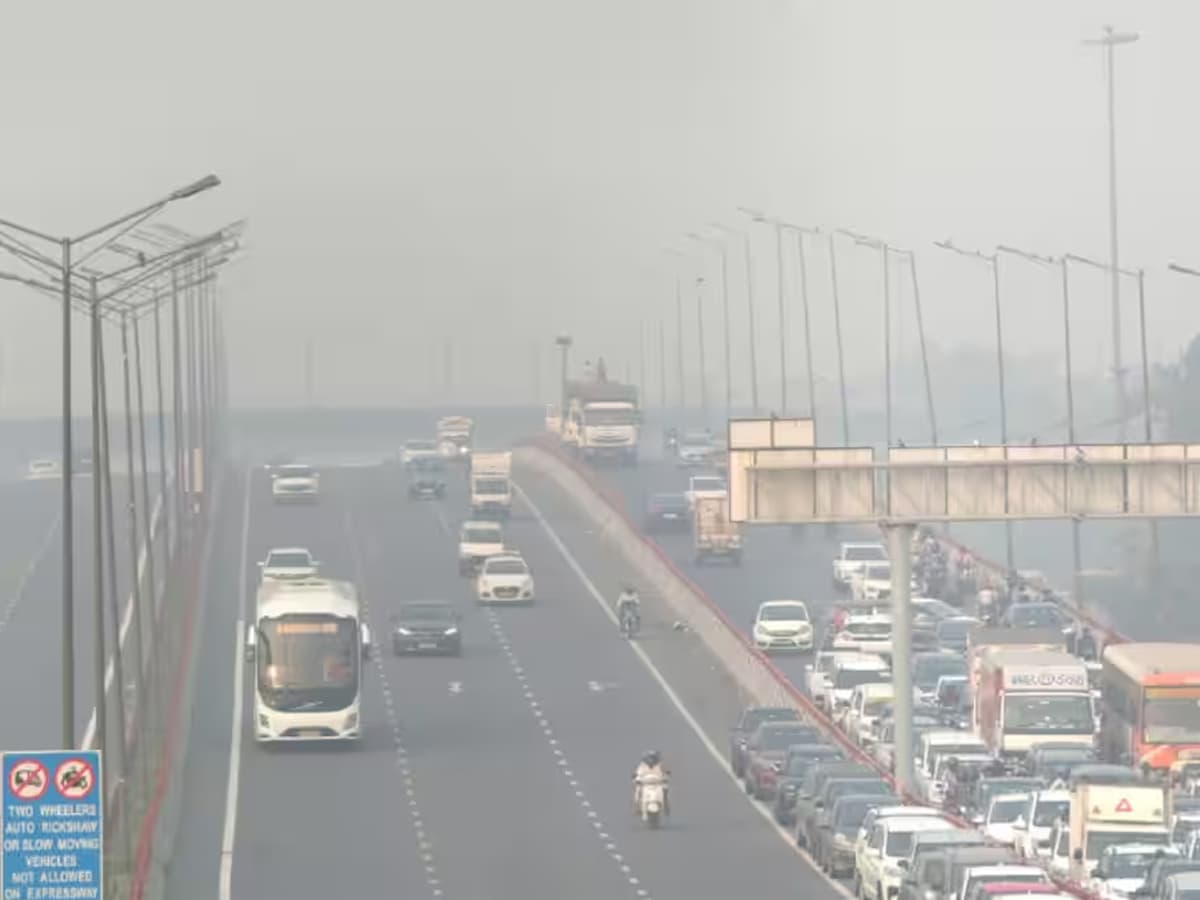
    • Delhi Air Quality: No significant improvement in winter air quality over the past four years despite pollution control measures.
    • Swachh Vayu Sarvekshan 2023: Lucknow recognized as the best-performing million-plus city with PM10 levels reduced from 253 µg/m³ (2017-18) to 135 µg/m³, still exceeding the national safety standard of 60 µg/m³.

    Economic Impact

    • South Asia's Burden: Air pollution costs the region 10% of its GDP annually due to reduced productivity and healthcare expenses.
    • Investment Benefits: Every rupee invested in 25 climate and clean air measures yields an estimated Rs 21 in health and economic benefits.
    • Projected PM2.5 Exposure Reduction: If national air quality standards are met by 2026, PM2.5 exposure could decline by 20% by 2040, but an 8-year delay could halve this reduction.

    Regulatory Framework

    • National Clean Air Programme (NCAP): Aims for better program design, budget allocation, and municipal action tracking. However, it has not addressed the economic costs of air pollution delays.
    • Institutional Fragmentation: Air pollution, caused by sectors like transport, energy, and waste management, falls under different ministries, leading to poor coordination.

    Government Schemes Highlight

    • Pradhan Mantri Ujjwala Yojana: Successful expansion of rural LPG connections, showcasing India's capacity for large-scale transitions.

    Proposed Changes in Strategy

    • NCAP 2.0: Should measure success based on human exposure reduction, prompt relief delivery, and accountability for missed deadlines.
    • Funding Policy: Central grants and Finance Commission transfers should incentivize sustained pollution reduction.

    Key Recommendations

    • Move beyond emergency measures and develop cohesive strategies.
    • Accountability should be established across various departments responsible for air quality.
    • An emphasis on quick and measurable outcomes in clean-air spending is critical.

    Conclusion

    India's air pollution issue requires comprehensive policy reforms that prioritize human health and economic costs. Enhanced coordination among agencies and a focus on results are essential for effective air quality improvement.

    Cyclone Arnab Impacts Andhra Pradesh Flights
    National and International Importance28-Oct-2026

    Cyclone Arnab Impacts Andhra Pradesh Flights

    Cyclone Arnab and Its Impact on Air Travel in Andhra Pradesh

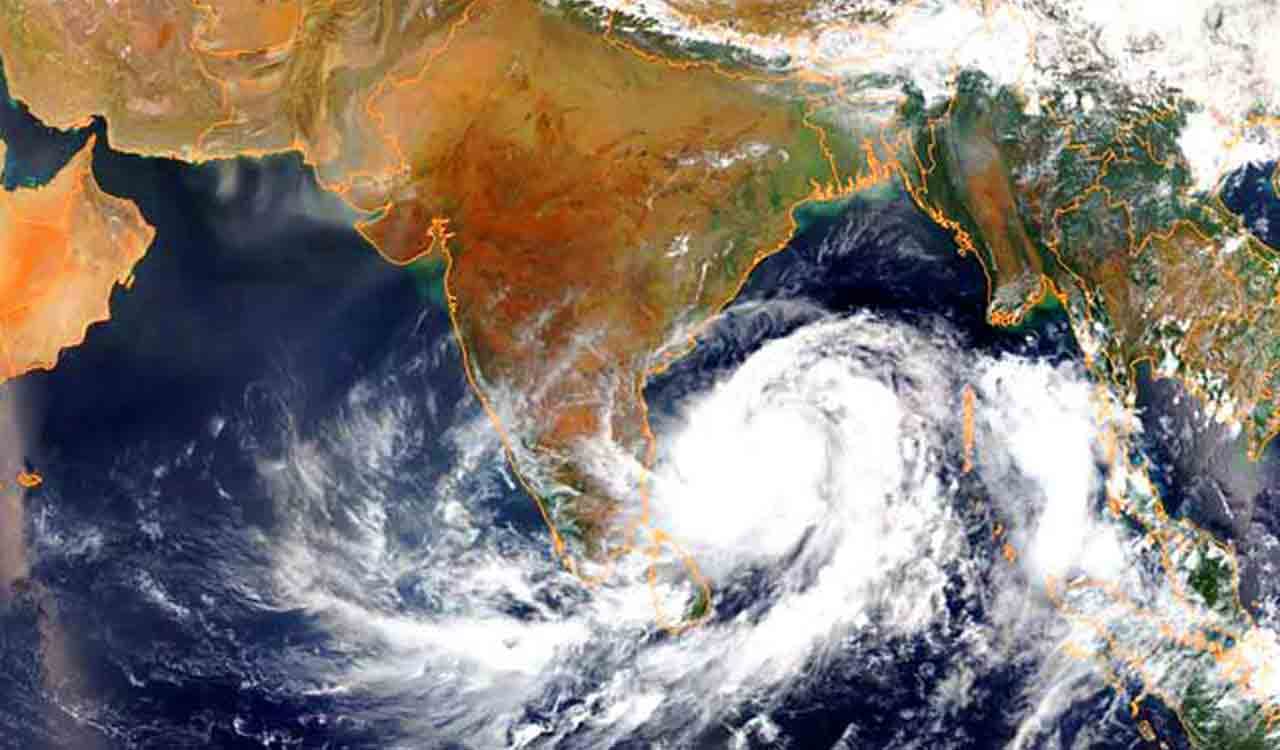
    • Event: Cyclone Arnab, expected to cross the Andhra Pradesh coast on October 28, 2026, predicted to intensify into a very severe cyclone with wind speeds of 125–135 km/h.

    • Affected Areas: Coastal Andhra Pradesh and southern Odisha (including Bhubaneswar) will face flight disruptions. Potential knock-on delays noted for Hyderabad, Varanasi, Prayagraj, and Gorakhpur based on cyclone track.

    • Official Response:

      • Review meeting held by the Ministry of Civil Aviation to ensure flight safety.
      • Emphasis on interagency coordination among stakeholders, including:
        • Directorate General of Civil Aviation (DGCA)
        • Bureau of Civil Aviation Security (BCAS)
        • Airports Authority of India (AAI)
        • India Meteorological Department (IMD)
        • Airlines
        • Airport operators
        • National Disaster Response Force (NDRF)
    53%
    February 2025
  • Another pledge includes reducing emissions intensity by 47% by 2035, representing a slight increase from the previous target.
  • Concerns with Targets

    • Critics argue India's pledges lack ambition and are not aligned with keeping global warming below 1.5 °C.
    • Emissions intensity is viewed as a misleading metric; as economic output increases, emissions can rise despite reduced intensity.

    Coal and Energy Concerns

    • India plans to increase coal capacity to 307 gigawatts by 2035, a 46% increase compared to 2025, while coal currently generates over two-thirds of its electricity.
    • The reliance on coal may hinder efforts to meet climate objectives, with potential approval of coal plants in this decade leading to operations extending into the 2060s.

    Energy Imports and Costs

    • Approximately 88% of India's crude oil is imported, highlighting vulnerabilities, especially amid geopolitical tensions affecting oil prices (e.g., Strait of Hormuz crisis).
    • The International Energy Agency (IEA) estimates transitioning to clean energy could potentially save India $1.4 trillion in oil import costs over two decades.

    Innovations and Economical Practices

    • Madhya Pradesh achieved the lowest solar power rate of 2.70 INR per kilowatt-hour recently.
    • Competitive bids for clean energy revealed fixed contract prices lower than those for coal, making renewables economically advantageous over time.

    Recommendations for Future Ambitions

    1. Set definitive years for peaking power sector emissions and establish absolute emission limits.
    2. Shift focus from installed capacity to actual clean electricity generation metrics, similar to Chile's successful renewables law.
    3. Invest in grid infrastructure to facilitate clean power delivery, as insufficient transmission capacity has previously limited renewable energy output.

    International and Global Context

    • The UN has identified the failure to limit global warming to 1.5 °C, calling for mass carbon removal strategies amid rising emissions.
    • India remains the largest emitter within the Paris Agreement without absolute emissions targets, contrasting with commitments from other major economies, including China.

    Conclusion

    • India’s progress in climate commitments demonstrates a commendable track record, but future targets need to be more ambitious to align with global climate goals. The focus should be on ensuring grid capability for clean energy integration and implementing absolute emissions limits rather than solely relying on emissions intensity metrics.

    Flight Operations:

    • Cancellation of various flights to and from Visakhapatnam on October 28, 2026.
    • Operations at Visakhapatnam airport suspended since October 27, afternoon.
    • Flights at Vijayawada and Rajahmundry airports also suspended after 7 p.m. on October 27.
  • Guidelines Issued:

    • Airlines advised to follow operational guidelines for adverse weather.
    • Airlines to inform passengers about delays, cancellations and to comply with re-booking and refund norms.
  • Contextual Understanding:

    • Impact of Cyclones: Natural disasters like cyclones disrupt transportation and necessitate government and inter-agency coordination for safety measures and crisis management.

    • Government Schemes & Policies: This situation highlights the importance of disaster management policies and preparedness laid out by government entities to mitigate the effects of natural disasters on public safety and transport.

    Conclusion: Cyclone Arnab serves as a significant reminder of the unpredictability of weather events and the importance of coordinated efforts among various civil aviation and disaster management authorities to ensure public safety and minimize disruptions.