iAspirants
Current AffairsPrelims PYQsUPSC CSE SyllabusUPSC CSE StrategyBlogsPricing
Login
iAspirants

Your AI-powered companion for UPSC preparation.

Quick Links

  • Home
  • About Us
  • Current Affairs
  • Prelims PYQs
  • UPSC CSE Syllabus
  • UPSC CSE Strategy
  • Blogs

Company

  • Pricing
  • FAQs
  • Contact Us
  • Login

Legal

  • Privacy Policy
  • Terms & Conditions
  • Return Policy

© 2025 iAspirants, Inc. All rights reserved.

  1. Blogs
  2. Economic and Social Development

AI Transforming India's Agriculture Economy

Published on: 08-Jul-2026

Share this post

AI Transforming India's Agriculture Economy

Article Summary

Exam-Focused Notes on Agricultural Leadership Conference 2026

Key Highlights:

  • Event: 17th Agricultural Leadership Conference 2026.
  • Date: Not specified in the text.
  • Minister: Dr. Jitendra Singh, Minister of State for Science and Technology, Earth Sciences, and Space.

Agricultural Economy Insights:

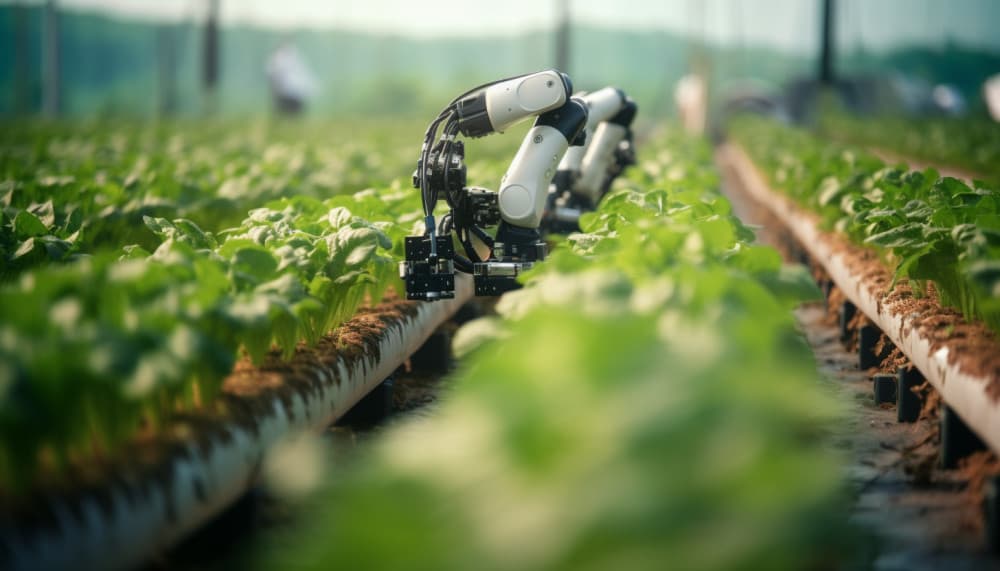
  • Potential Growth: Artificial Intelligence (AI) could enhance India's agricultural economy by approximately ₹70,000 crores annually.
  • Role of Startups: Agricultural startups are identified as pivotal for the future of Indian agriculture, emerging not just from urban tech hubs but also from rural areas.

Technological Integration:

  • Digital Transformation: Emphasis on technology-driven, entrepreneurship-oriented changes in agriculture.
  • AI and Emerging Technologies: Farmers encouraged to leverage AI and space applications for improved agricultural practices.
  • Research and Innovation: Urgent need for collaboration among government, industry, research institutes, startups, and farmers to translate innovations into economic benefits.

Environmental and Economic Goals:

  • Net Zero Commitment: India has a target for net-zero emissions by 2070, with agriculture playing a crucial role in the transition to clean energy.
  • Biofuels and Renewable Energy: Successful initiatives converting cooking oil to biofuels noted, contributing to environmental sustainability and economic value.

Startup Ecosystem:

  • Startup Growth: India’s startup ecosystem grew from 350 registered startups in 2015 to over 2.3 million today, making it the third largest globally.
  • Agricultural Opportunities: The agricultural sector is highlighted as one of the largest areas for entrepreneurial opportunities, driven by practical knowledge and innovation.

Success Stories:

  • Lavender Farming: The Aroma Mission in Jammu & Kashmir has revolutionized lavender farming, creating thousands of entrepreneurial opportunities for youth, with annual incomes of ₹60-70 lakh.

Climate Adaptation Strategies:

  • Technological Tools: Use of satellite technology, weather forecasting, resource mapping, and drone surveys to aid farmers in informed decision-making regarding sowing, irrigation, and crop management.
  • Climate Change Challenges: Acknowledgement of climate change as a significant threat to global agriculture, with a call for scientific advancements to empower farmers.

Government Initiatives:

  • Support and Awareness: The need for awareness programs to disseminate scientific knowledge and government support effectively to farmers, especially using digital platforms and multilingual content.
  • Collaborative Efforts: A strong partnership between researchers, industry, startups, and farmers is essential for making Indian agriculture competitive and technology-driven.

Future Outlook:

  • Economic Development: The integration of science, technology, entrepreneurship, and market-based innovations is vital for the future of Indian agriculture.
  • Vision for 2047: Emphasis on inclusive economic growth, aligning with India's aspirations for a developed nation by 2047.

Conclusion:

Dr. Jitendra Singh called for collective action from all stakeholders to ensure the future of Indian agriculture hinges on scientific, technological, entrepreneurial, and market innovations for sustainable development and economic prosperity.

Key Terms & Concepts

Artificial IntelligenceEnhancing agricultural productivity
70 thousand croresPotential economic growth value
2026Year of Agricultural Leadership Conference
Net Zero EmissionTarget commitment by 2070
Lavender cultivationNew livelihood opportunities
350 to 23 lakh startupsGrowth in startup ecosystem
Climate changeMajor challenge for agriculture
Aroma MissionSuccessful agricultural initiative
Satellite technologyAid in crop management
Precision agricultureImproving resource utilization
5 thousand rupeesAnnual savings per farmer
Digital communicationSpreading agricultural knowledge

Mind Map for UPSC Civil Services Revision

Turn UPSC Civil Services Current Affairs Into Exam-Ready Notes

Reading Economic and Social Development current affairs is half the work. Revise them with ready-made notes and test what actually stuck.

  • Daily UPSC Civil Services current affairs analysis
  • Revision notes, mind maps & MCQs
  • Prelims mock tests with instant results

Related UPSC Civil Services Current Affairs Articles

India's Inflation and Monetary Policy Update
Economic and Social Development21-Sep-2026

India's Inflation and Monetary Policy Update

Monetary Policy Context in India

Key Economic Indicators:

  • Repo Rate: Currently held at 5.25% by the Reserve Bank of India (RBI).
  • Inflation Rates:
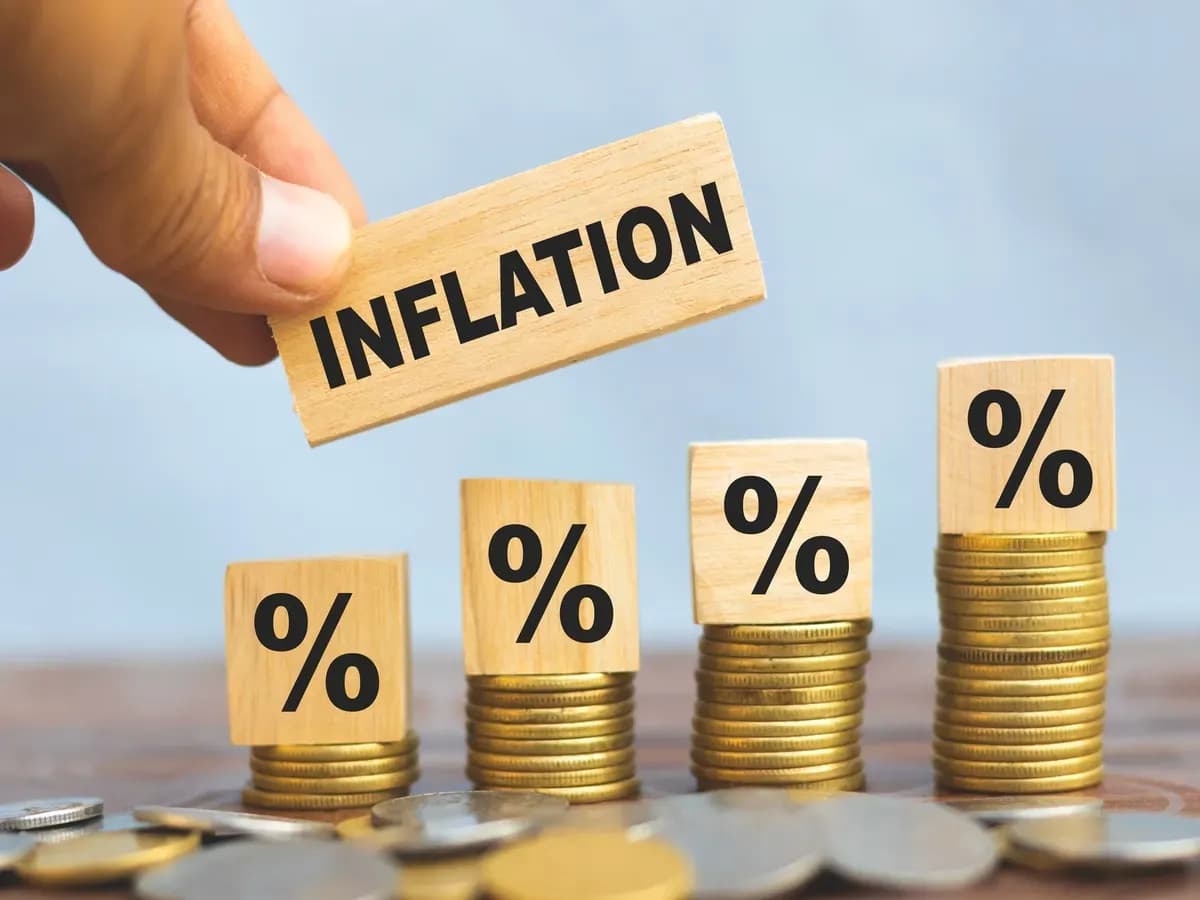
    • Consumer Price Inflation: (August 2023), up from (July).
Policy makers, farmers, scientists
Stakeholders in agriculture discussion
4.82%
4.45%
  • Food Inflation: Higher at 5.95%.
  • Core Inflation: Approximately 4.2%.
  • Monetary Policy Dynamics:

    • The real interest rate may approach zero if inflation expectations rise. This scenario indicates a shift from a positive real interest rate environment.
    • RBI projects inflation for FY2026-27 at around 5%, but current rates exceed this projection.

    External Factors Affecting Inflation:

    • Oil Prices: Brent crude oil has surpassed $100 a barrel, approaching $110, influenced by geopolitical tensions in West Asia affecting shipping routes.
    • The combination of rising oil prices, a weaker rupee, and elevated global commodity prices adds to inflationary pressures.

    Banking Sector Analysis:

    • Bank Credit Growth: Strong at 19.1% as of August 2023.
    • Deposit Growth: Increased to 17.8%, the fastest rate in a decade, partly due to the RBI's special FCNR(B) scheme.
    • Credit-Deposit Ratio: Approximately 80.3% at the end of August.

    Impact of Inflation on Savings:

    • Rising inflation reduces the real return on conventional bank deposits, encouraging households to explore alternatives such as mutual funds, equities, and gold.
    • There is a historical correlation between gold imports and inflation expectations (correlation coefficient of 0.83 between 2010-2013).

    Judicial and Institutional Considerations:

    • The RBI's decision-making reflects a tension between the need to manage inflation and the implications of a steadily growing economy and bank credit.
    • The timing of monetary policy adjustments is crucial; a timely 25-basis-point increase may be preferable to a later 50-basis-point response in managing inflation expectations.

    Conclusion:

    India is navigating a nuanced economic landscape where inflationary pressures are juxtaposed with robust growth and credit demand. The RBI may need to reassess its monetary policy strategies promptly to avoid a zero real interest rate environment which could further complicate inflation control.

    Coal India Advances Energy and Technology
    Economic and Social Development20-Sep-2026

    Coal India Advances Energy and Technology

    Coal India Limited (CIL) Strategic Initiatives and Technological Diversification

    Overview

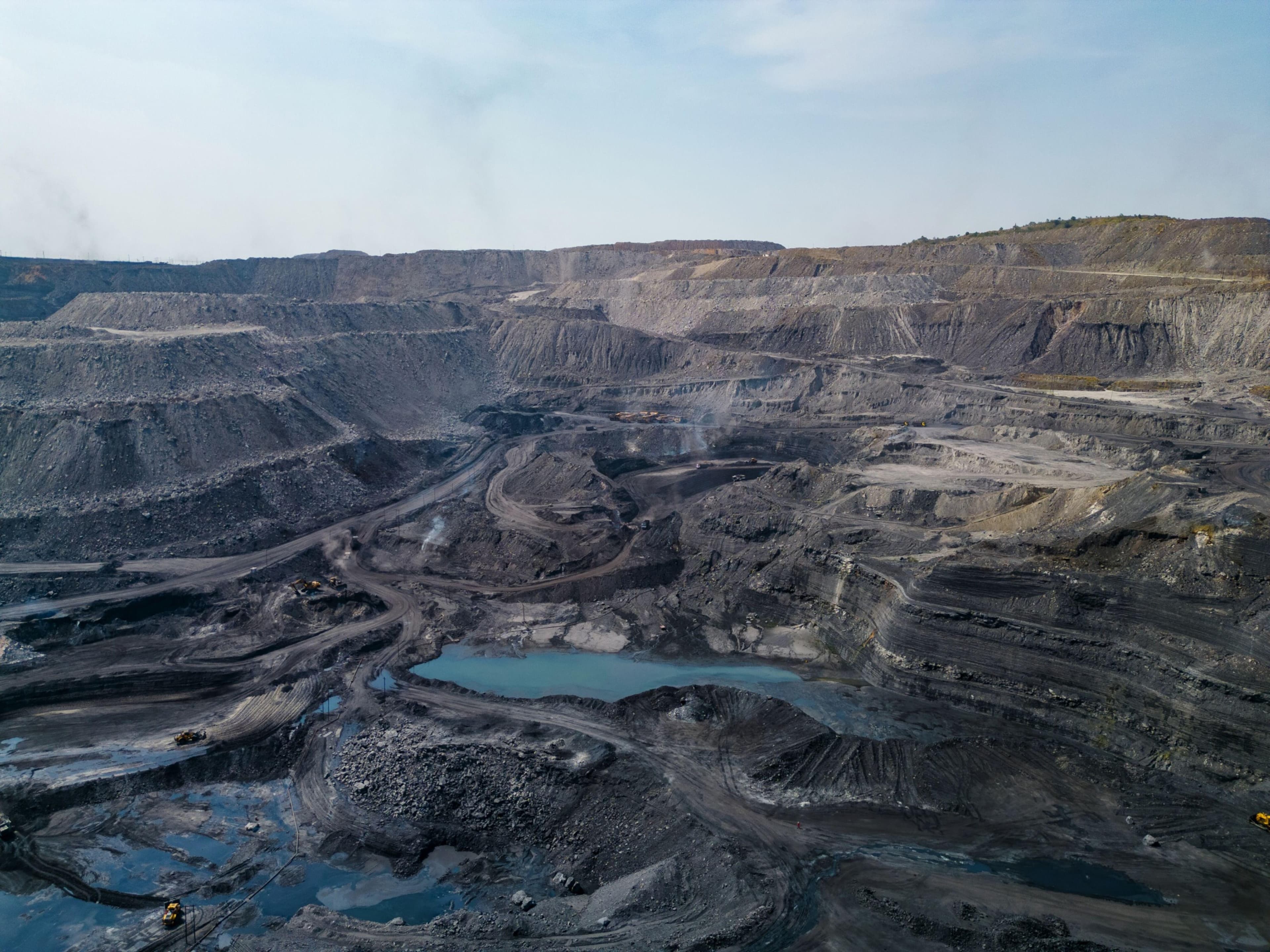
    • CIL Diversification: Transition from traditional coal mining to a technology-driven portfolio encompassing energy, minerals, advanced materials, and R&D.
    • Strategic Focus Areas:
      • Coal gasification
      • Thermal energy
      • Renewable energy
      • Energy storage
      • Development of critical minerals and indigenous technology.

    Key Projects and Investments

    • Investment in Coal-to-Chemicals:
      • Total estimated investment of ₹69,346 crores across four coal-to-chemical projects.
      • Projects include:
        • Talcher Fertilizers Ltd: Urea production capacity of 1.27 MMT/year, cost ₹19,062.22 crores.
        • India Coal Gasification & Chemicals Ltd: Ammonium nitrate production capacity of 0.66 MMT/year, cost ₹25,015.89 crores.
        • Coal Gas India Ltd: Synthetic natural gas production capacity of 633.6 million NM³/year, cost ₹13,052.81 crores.
        • CIL-BPCL Chandrapur: Synthetic natural gas production capacity of 633.6 million NM³/year, cost ₹12,214.86 crores.

    Technological Developments

    • Coal Gasification:
      • Converts coal to synthetic gas (syngas) for producing synthetic natural gas, ammonia, urea, etc.
      • Promotes import substitution.
    • Underground Coal Gasification (UCG): Pilot project in Kasta West Block, Eastern Coalfields, with phases aimed for completion by 2026.
    • Renewable Energy:
      • Installation of approximately 550 MW solar capacity, including floating solar projects.
      • Joint venture with Damodar Valley Corporation for a 2x800 MW ultra-supercritical thermal power project.

    Battery Energy Storage Systems (BESS)

    • Ongoing Projects:
      • Telangana's TGGENC0 Choutuppal: 187.5 MW/750 MWh capacity.
      • Odisha: 80 MW/320 MWh capacity across four locations.
    • Importance: Supports integration of renewable energy, demand management, and grid stability.

    Critical Minerals and Advanced Materials

    • Focus Areas:
      • Development of graphite and rare earth elements (REE) in Madhya Pradesh, Chhattisgarh, Andhra Pradesh, and Maharashtra.
      • Establishment of an integrated graphite value chain from mining to production.

    Research and Development (R&D)

    • R&D Framework: Established in 1975, leading to the formation of the R&D Board in 1994 and a Supreme Committee in 2003.
    • Annual R&D Budget: ₹61.31 crores in FY 2023-24, projected to increase to ₹500 crores by FY 2029-30.
    • Key R&D Areas: Smart mining using AI and IoT, waste-to-wealth initiatives, clean coal technology, and alternative uses of coal.

    Economic and Environmental Considerations

    • Risk Management: CIL adopts a proactive risk management approach covering technology, market, financial, environmental, and operational risks.
    • Sustainability Goals: Focus on carbon reduction, efficient resource utilization, and environmental impact management.

    Future Directions

    • Strategic Partnerships: CIL aims to leverage technology transfer and localization through joint ventures for market access.
    • Priorities: Aiming for responsible diversification, technology roadmaps, and establishing a hub-and-spoke network for R&D collaboration.

    Conclusion

    • CIL's Evolution: Transitioning from a coal-centric model to a diversified energy and minerals entity, focusing on sustainability, technology innovation, and self-reliance in energy and mineral security.
    Punjab's Struggle Against Drug Addiction
    Economic and Social Development19-Sep-2026

    Punjab's Struggle Against Drug Addiction

    Summary of Key Points Related to Addiction and Governance in Punjab

    Addiction Context in Punjab

    • Over 1 million individuals registered at government de-addiction clinics in Punjab.
    • Historical context: Afeem (opium) and its cultural use have been prevalent for over 200 years; substance use has deep roots in community traditions.

    Nature of Addiction

    • Opioids (e.g., opium, heroin) affect brain receptors; heroin leads to quicker addiction compared to opium due to its rapid impact on the body.
    • Addiction is often misunderstood; treatment requires more than willpower—it's a complex biological condition influenced by substance chemistry.

    Urgency and Governance in Addressing Addiction

    • Governance failure: Current measures have not broken existing drug supply networks.
    • Technological measures: Recommendations for border control include:
      • Detection grids
      • Counter-drone systems
      • Improved forensic capabilities to trace drug origins

    Budget and Resource Allocation

    • The funding directed towards de-addiction programs in Punjab is inadequate:
      • The entire budget for de-addiction is described as a "rounding error" relative to other priority areas (e.g., power subsidy).
      • There is a lack of specialists: Punjab has a deficit of psychiatrists and counselors.

    Economic and Employment Factors

    • An emphasis on providing jobs for recovering addicts to prevent relapse.
    • Cost of medication (30 Rupees health clinic vs. 300 Rupees on the black market) demonstrates a disparity that indicates a lack of regulation and support.

    Recovery Potential

    • Addiction recovery is possible; the brain can heal, albeit slowly.
    • Continuous support and medical assistance post-recovery are critical, with noted high relapse rates occurring 18 months after treatment.

    Conclusions and Recommendations

    • The issue of addiction is framed as a medical condition compounded by a criminal supply chain and requires focused governance.
    • Importance of prioritizing investments in mental health treatment and de-addiction services in Punjab to curb the crisis.

    This summary provides an analytical view of the addiction situation in Punjab, highlighting the need for substantial reforms, resource allocation, and a shift in societal understanding of addiction as a medical rather than purely moral crisis.