iAspirants
Current AffairsPrelims PYQsUPSC SyllabusBlogsPricing
Login
iAspirants

Your AI-powered companion for UPSC preparation.

Quick Links

  • Home
  • About Us
  • Current Affairs
  • Prelims PYQs
  • UPSC Syllabus
  • Blogs

Company

  • Pricing
  • FAQs
  • Contact Us
  • Login

Legal

  • Privacy Policy
  • Terms & Conditions
  • Return Policy

© 2025 iAspirants, Inc. All rights reserved.

  1. Blogs
  2. National and International Importance

Vantara Zoo Announces Major Operational Reset

Published on: 22-Aug-2026

Share this post

Vantara Zoo Announces Major Operational Reset

Article Summary

Vantara Zoo Major Overhaul Summary

Overview

  • Vantara Zoo claims to be the world's largest animal rescue center, founded by Anant Ambani, son of billionaire Mukesh Ambani.
  • Recently announced a significant operational reset in response to criticism regarding its animal acquisition practices.

Leadership Changes

  • John Scanlon appointed as head of a new governing council; he previously led the Convention on International Trade in Endangered Species of Wild Fauna and Flora (CITES) from 2010-2018.
  • The governing council will oversee animal acquisition decisions.

Concerns Addressed

  • Concerns over rapid acquisition of animals and handling of imports of protected species raised by experts and CITES.
  • The CITES Secretariat recommended reforms in 2025 to prevent Vantara from contributing to illegal wildlife trade.

Operational Adjustments

  • Vantara has committed to voluntary commitments to CITES and submitted proposals to the Supreme Court of India:
    • An immediate moratorium on live animal imports until June 2027.
    • A shift from ex situ (off-site) rescue of animals to in situ (in their natural habitat) conservation support.

Conservation Efforts

  • Plans to support local conservation initiatives in India, including:
    • Collaborating with state forest departments.
    • Supporting rescue centers and breeding programs.
    • Modernizing zoos.
  • Global projects include:
    • Supporting Spix's macaw recovery in Brazil.
    • Programs in the Democratic Republic of Congo, Kenya, Rwanda, and elephant care initiatives in Indonesia and Zimbabwe.

Infrastructure

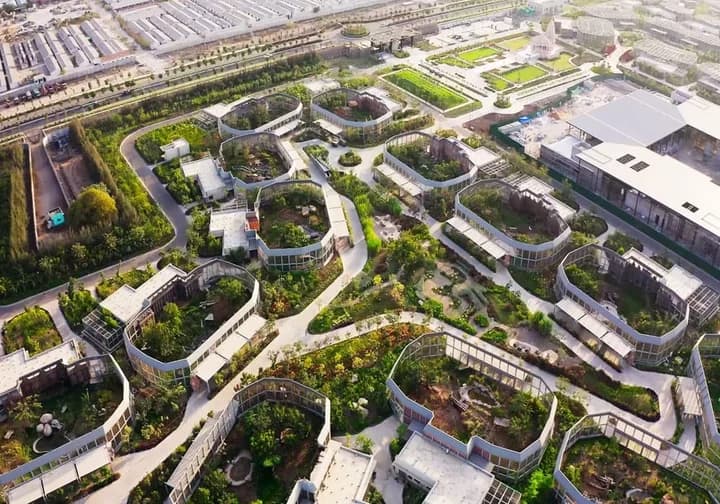
  • The zoo spans 3,500 acres (1,416 hectares) in Jamnagar, Gujarat.
  • Houses over 260 Asian elephants, with facilities like the "largest dedicated elephant hospital," and various big cat species, bears, and crocodiles.

Vision and Goals

  • CEO Vivaan Karani emphasized a new focus on impact rather than mere animal intake.
  • Goals include aiding native species recovery in the wild, training local personnel, and sharing scientific expertise.

International and National Context

  • Highlights the need for adherence to international wildlife conservation standards and collaboration with international conservation organizations.
  • Reflects on India's measures under wildlife protection laws, including engagement with CITES and adherence to constitutional duties toward environmental conservation outlined in the Directive Principles of State Policy (DPSPs).

Conclusion

Vantara Zoo's initiative represents a pivotal movement towards improving wildlife conservation practices, aiming to mitigate the risks associated with animal imports while enhancing support for natural ecosystems and local wildlife preservation efforts.

Key Terms & Concepts

Vantara ZooLargest animal rescue centre
John ScanlonHead of CITES
CITESWildlife trade regulation body
Indian Supreme CourtLegal authority receiving commitments
3,500 acresSize of wildlife facility
2025Inauguration year of Vantara
June 2027End of import moratorium
BrazilTarget for conservation projects
Spix’s macawsCritically endangered species supported
Democratic Republic of CongoTarget for conservation projects
KenyaTarget for conservation projects
RwandaTarget for conservation projects
Indonesia

Mind Map for UPSC Civil Services Revision

Turn UPSC Civil Services Current Affairs Into Exam-Ready Notes

Reading National and International Importance current affairs is half the work. Revise them with ready-made notes and test what actually stuck.

  • Daily UPSC Civil Services current affairs analysis
  • Revision notes, mind maps & MCQs
  • Prelims mock tests with instant results

Related UPSC Civil Services Current Affairs Articles

Delivery of INS Mangrol to Navy
National and International Importance22-Aug-2026

Delivery of INS Mangrol to Navy

  • INS Mangrol: The third of eight anti-submarine warfare shallow watercraft (ASW SWC) delivered to the Indian Navy.
  • Manufacturer: Indigenously designed and constructed by Cochin Shipyard Limited (CSL).
  • Delivery: Protocol signed by Harikrishnan S. (Director, Operations, CSL) and Commander U. Sharan Kumar (Commanding Officer, INS Mangrol).
Target for elephant care centres
ZimbabweTarget for elephant care centres
  • Naming: The vessel is named after Mangrol, a coastal township in Gujarat.
  • Technology Features:
    • Equipped with modern systems including lightweight torpedoes.
    • Indigenous ASW rockets.
    • Advanced shallow-water sonars.
  • Significance: Enhances the Indian Navy's capabilities in anti-submarine warfare, contributing to national defense and maritime security.
  • This development aligns with India's broader defense policy emphasizing indigenous production and technological advancement in military capabilities.

    India's Defence Sector Modernization Efforts
    National and International Importance15-Aug-2026

    India's Defence Sector Modernization Efforts

    Defence Sector Updates - Key Points

    Government Priorities and Initiatives:

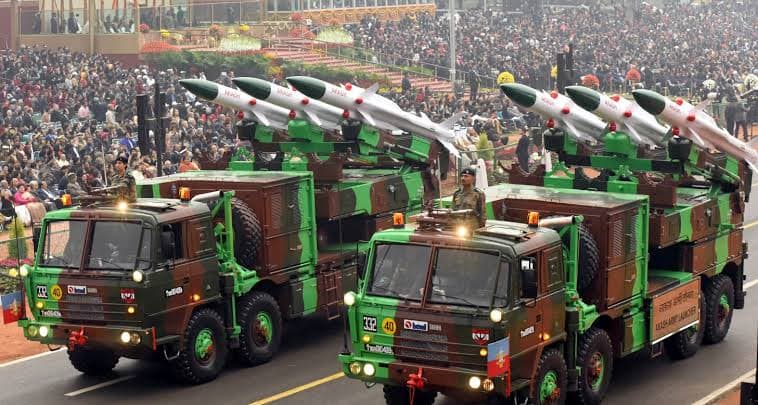
    • The Indian government prioritizes modernizing armed forces and creating a self-reliant defence sector.
    • Strategic initiatives such as ‘Aatmanirbhar Bharat’ and ‘Make in India’ have been fundamental in transforming the defence production landscape.

    Statistics and Data:

    • Defence Production Growth: Increased from ₹46,000 crore in 2014 to ₹1.78 lakh crore in FY 2025-26, a nearly four-fold increase.
      • Public Sector: 76% of production.
      • Private Sector: 24% of production.
    • Defence Exports: Rose from ₹686 crore in 2013-14 to an all-time high of ₹38,424 crore in 2025-26, indicating an increase of over 5,500%.
      • Total of 145 defence exporters supplying products to over 80 countries.
    • Defence Export Target: Government aims to achieve ₹50,000 crore in defence exports by 2029.
    • Defence Budget Growth: Increased from ₹2.53 lakh crore in 2013-14 to ₹7.85 lakh crore for 2026-27.
      • Capital expenditure set at ₹2.19 lakh crore.
    • R&D Allocation: Increased by 90% to ₹29,100 crore.

    Judicial and Procurement Reforms:

    • Recently, the Defence Acquisition Council approved projects worth over ₹8.75 lakh crore.
    • Reforms in procurement processes include:
      • Doubling financial powers of field commanders.
      • Facilitation of over ₹1.25 lakh crore procurement through revenue routes to promote indigenisation.

    Technological Achievements:

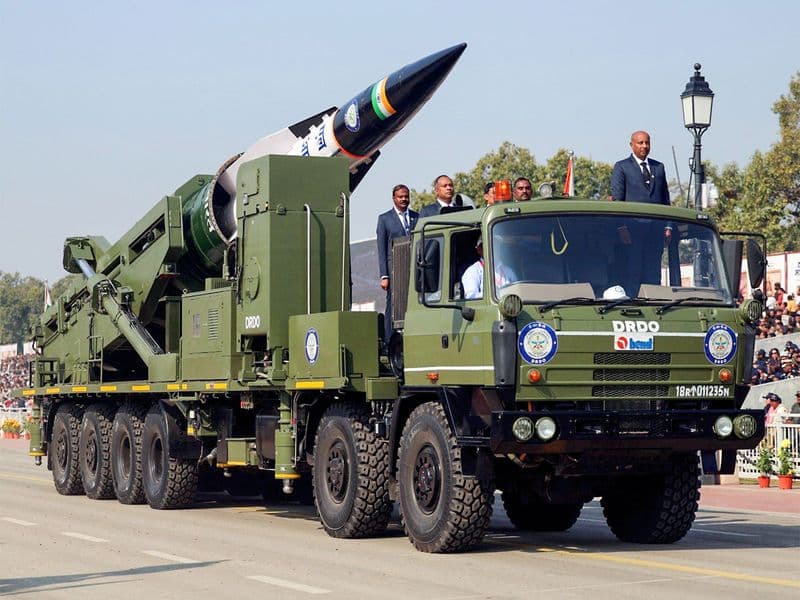
    • Successful trials of several advanced military systems including:
      • Tactical Advanced Range Augmentation System.
      • MIRV-equipped Advanced Agni missile.
      • Long-Range Land Attack Cruise Missile.
      • RudraM-II Missile.
      • Naval Anti-Ship Missile-SR.
      • Pinaka Long-Range Guided Rocket.
    • Successful test of a hypersonic missile technology featuring an active-cooled full-scale scramjet combustor operational for over 1,200 seconds.
    • The first successful test of the Kusha long-range surface-to-air missile.

    Social and Infrastructure Initiatives:

    • Focus on border infrastructure development.
    • Welfare programs for serving and retired personnel.
    • Enhanced participation of women in the armed forces, evidenced by the commissioning of the** first batch of women cadets** from the National Defence Academy.
    • Recognition of the all-women tri-service circumnavigation expedition, ‘Samudra Pradakshina’.

    Cultural Milestone:

    • 2026 marks 150 years since the composition of ‘Vande Mataram’; a call to celebrate national pride and contribute toward nation-building and the vision of Viksit Bharat.

    This summary encapsulates the significant developments in India’s defence sector, reflecting the government's strategic focus on self-reliance, modernization, and international competitiveness.

    Indian Army's New Defence Contracts
    National and International Importance15-Aug-2026

    Indian Army's New Defence Contracts

    Summary of Defence Procurement Contracts

    Overview:

    • The Ministry of Defence (MoD) signed contracts worth ₹1,577 crore on August 14, 2026, with Tata Advanced Systems Ltd (TASL) and NIBE Ltd for the Indian Army.

    Key Details:

    • Contracts Signed:

      • TASL: ₹1,013.77 crore for 54 loiter munition systems and 540 munitions.
      • NIBE Ltd: ₹563.36 crore for 30 systems and 300 munitions.
    • Procurement Specifications:

      • Total of 84 loiter munition systems with a range of up to 100 km.
      • Enhancement of Army’s precision-strike capability, previously relying on BrahMos missiles for ranges beyond 40-50 km.
      • 60% overall indigenous content mandated:
        • Minimum of 50% in materials, components, and software.

    Strategic Importance:

    • The loiter munition systems will bridge existing capability gaps in precision-strike operations for the Indian Army.
    Indigenous Rights and Mining Controversy
    National and International Importance14-Aug-2026

    Indigenous Rights and Mining Controversy

    Exam-Focused Notes on the Proposed Cement Plant and Limestone Mining Project in Meghalaya

    1. Project Overview:

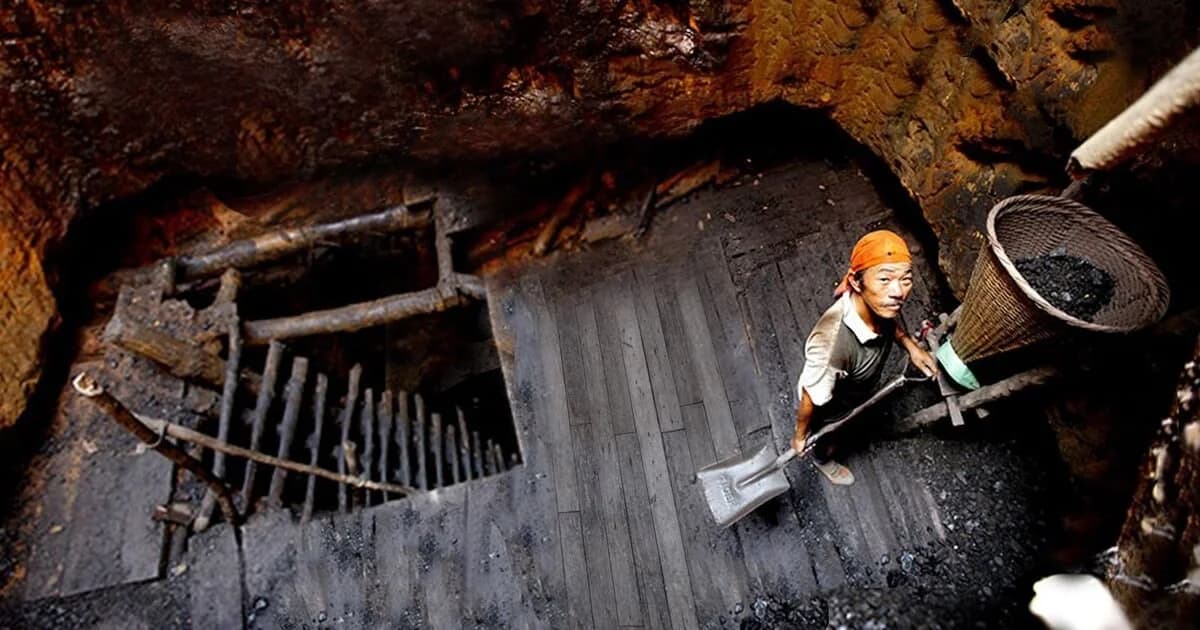
      • Integrated cement plant and limestone mining project proposed by Shree Cement Limited.
      • Project cost: ₹1,800 crore.
      • Location: Lum Syrman area, East Jaintia Hills district, Meghalaya.
      • Area involved: 217.394 hectares.
    2. Stakeholder Concerns:

      • Opposition from local stakeholders has led to the cancellation of public hearings since May.
      • The Jaiñtia National Council (JNC) has demanded government intervention to ensure the protection of landowners' and farmers' rights.
    3. Rights and Legal Context:

      • The JNC emphasizes the need to protect customary, possession, cultivation, and user rights of landowners from Sutnga and Nongkhlieh Elakas (traditional administrative units).
      • The organization argues that land issues should not be treated merely as environmental or industrial clearance matters but must consider local community rights.
    4. Government Accountability:

      • A 10-day deadline set by the JNC for the Meghalaya government to address their demands.
      • Calls for a transparent verification process of revenue, registration, and customary rights before proceeding with the project.
      • The JNC asserts that livelihoods of farmers must not be overlooked in favor of mineral development.
    5. Compensation and Rights:

      • The JNC demands fair and lawful compensation for any loss resulting from the project, contingent on the identification of legal and customary rights.
      • Concerns raised about the state government allegedly favoring cement companies, including blocking local residents from participating in public hearings.
    6. Constitutional and Legal Framework:

      • Relevant constitutional articles that could be referenced include:
        • Article 21: Right to life and personal liberty, which can be interpreted to include the right to livelihood.
        • Article 39 (a): Directive Principle of State Policy advocating for the right to an adequate means of livelihood for all citizens.
      • Traditional rights and local governance structures recognized under various state laws and customs.
    7. Judicial Precedents:

      • The Supreme Court and High Courts in India have previously ruled on matters concerning land acquisition, local community rights, and the need for environmental clearances, emphasizing the importance of stakeholder participation in projects affecting local communities.
    8. Environmental and Economic Implications:

      • The project has raised environmental concerns which necessitate a thorough environmental impact assessment (EIA) before any approvals.
      • Economic benefits from the project must be weighed against potential social and environmental costs.
    9. Conclusion:

      • The JNC’s stance reflects a broader issue of balancing development with community rights and environmental sustainability.
      • The outcome of this situation may set a precedent for future projects in similar contexts across India, highlighting the need for transparent governance and accountability in resource management.

    This summary encapsulates the critical aspects of the proposed project, stakeholder concerns, constitutional references, and the need for fair compensation and rights protection for local communities.

  • The move aligns with the government's Aatmanirbhar Bharat initiative, emphasizing indigenous defence manufacturing.
  • Operational Context:

    • A limited number of artillery regiments have operationalised loiter munition systems under Phase-I.
    • Expansion plans will equip more units, enhancing overall operational effectiveness.

    Delivery Timeline:

    • Scheduled delivery within 12 months from the date of advance payment.

    Additional Information:

    • Policy Framework:
      • Contracts processed under the ‘Buy Indian’ category through Fast Track Procedure facilitate quicker acquisitions for enhanced military capabilities.

    Relevant Constitutional and Policy References:

    • Aatmanirbhar Bharat Mission: A governmental initiative aiming to boost self-reliance in manufacturing and reduce dependency on foreign imports in the defence sector.

    This procurement underscores the government's commitment to bolstering indigenous capabilities while enhancing military readiness, reflecting a strategic shift towards self-sufficiency in defence production.