iAspirants
Current AffairsPrelims PYQsUPSC CSE SyllabusUPSC CSE StrategyBlogsPricing
Login
iAspirants
Current AffairsPrelims PYQsUPSC CSE SyllabusUPSC CSE StrategyBlogsPricingContact UsLoginSignUp
iAspirants

Your AI-powered companion for UPSC preparation.

Study Resources

  • Current Affairs
  • Prelims PYQs
  • UPSC CSE Syllabus
  • UPSC CSE Strategy
  • Blogs

Practice & Plans

  • Mains Answer Evaluation
  • Pricing
  • Sign Up
  • Login

Company

  • Home
  • About Us
  • Contact Us
  • FAQs

Legal

  • Privacy Policy
  • Terms & Conditions
  • Return Policy

© 2026 iAspirants, Inc. All rights reserved.

  1. Blogs
  2. Economic and Social Development

Supporting Social Entrepreneurs with Tech

Published on: 14-Nov-2026

Source: Indian Express

Share this post

Supporting Social Entrepreneurs with Tech

Article Summary

Overview of the^delta and Its Initiatives

  • Established: 2018, as an incubator under the Atal Innovation Mission.
  • Focus: Supports social entrepreneurs tackling complex social issues through incubation and Grand Challenges.
  • Current Cohorts: 13th for incubators and 8th for accelerators.
  • Areas of Work: Healthcare, skilling, livelihoods, climate, financial inclusion, access to justice.
  • Impact: Supported 148 organizations, mobilizing Rs 1,400 crore in follow-on capital.

Notable Initiatives and Programs

  • Pragati AI for Impact: Focuses on using AI for social enterprises to solve real-world problems and enhance inclusion.
  • Grand Challenges: Research-led initiatives to spur innovation by identifying systemic gaps. Prize funding starting from Rs. 2.5 crore, recently increasing to Rs. 6.5 crore for specific initiatives.
  • Climate Big Bets 2047: Focus on regenerative agriculture and sustainable practices for enhancing soil health and farmer income.

Technological Integration

  • Tech Usage: Approximately 25% of supported nonprofits use technology as a key element in scaling operations.
  • Examples of Technological Solutions:
    • Rocket Learning: Utilizes WhatsApp to deliver educational content to preschool children, reaching 6 million children across 16 states.
    • Khushi Baby: A digital platform for monitoring children's health through community health workers in India.
    • Adalat AI: Builds AI solutions for courts, reaching over 6,300 courtrooms.

Policy and Economic Insights

  • Inclusivity in Economy: Emphasis on supporting women from underserved communities to engage in the AI economy.
  • Government Role: Importance of aligning solutions with government needs for broader adoption and success in scaling.

Environmental Initiatives

  • Climate Focus: The Rapid Regen Challenge aims for sustainable agriculture practices and farmer livelihood improvement, targeting a 25% income increase for involved farmers.

Impact and Results

  • Non-profit Reach: Impacting nearly half of India’s government and government-aided schools through education programs.
  • Employment and Engagement: Helped mobilize over 370 entrepreneurs and extensive engagement with educational and health sectors.

Challenges and Learnings

  • Adoption Barriers: Issues with technology adoption due to behavioral change requirements; installing tech does not guarantee its effective use.
  • Market Viability: Necessity to understand the buyer and payer dynamics for effective scaling; often relies on government procurement.
  • Outcome Discrepancies: Transition from training to actual employment retention requires supportive mechanisms.

Grand Challenge Examples & Innovations

  • S4S Technologies: Solar-powered food processing to minimize post-harvest losses.
  • BioPrime Agri: Biotechnology applications for enhancing crop productivity under environmental stress.
  • Smartterra: AI tools for water leak detection, improving municipal water management.

Conclusion

The^delta exemplifies a robust model for facilitating social entrepreneurship through innovative funding, strategic support, and technology integration, addressing critical social and environmental issues while fostering inclusive economic growth.

Key Terms & Concepts

the^deltaNonprofit incubating social enterprises
Atal Innovation MissionGovernment scheme fostering innovation
Department of Science and TechnologyRecognizes technology incubators
148 organizationsSupported through incubation
Rs 1,400 croreCapital mobilized by nonprofits
Pragati AI for ImpactAI initiative supported by Meta
ChaturAIAI assistant for apprenticeship
Adalat AIAI solutions for judicial processes
S4S TechnologiesReduces agricultural post-harvest losses
Climate Big Bets 2047Identifying food system challenges
Decode Mitti ChallengeInnovations in soil testing
Rapid Regen ChallengePromotes regenerative agriculture solutions

Mind Map for UPSC Civil Services Revision

Turn UPSC Civil Services Current Affairs Into Exam-Ready Notes

Reading Economic and Social Development current affairs is half the work. Revise them with ready-made notes and test what actually stuck.

  • Daily UPSC Civil Services current affairs analysis
  • Revision notes, mind maps & MCQs
  • Prelims mock tests with instant results

Related UPSC Civil Services Current Affairs Articles

India's Rapid Poverty Decline and Green Jobs
Economic and Social Development14-Nov-2026

India's Rapid Poverty Decline and Green Jobs

Key Highlights: India's Economic and Employment Development

Poverty Decline:

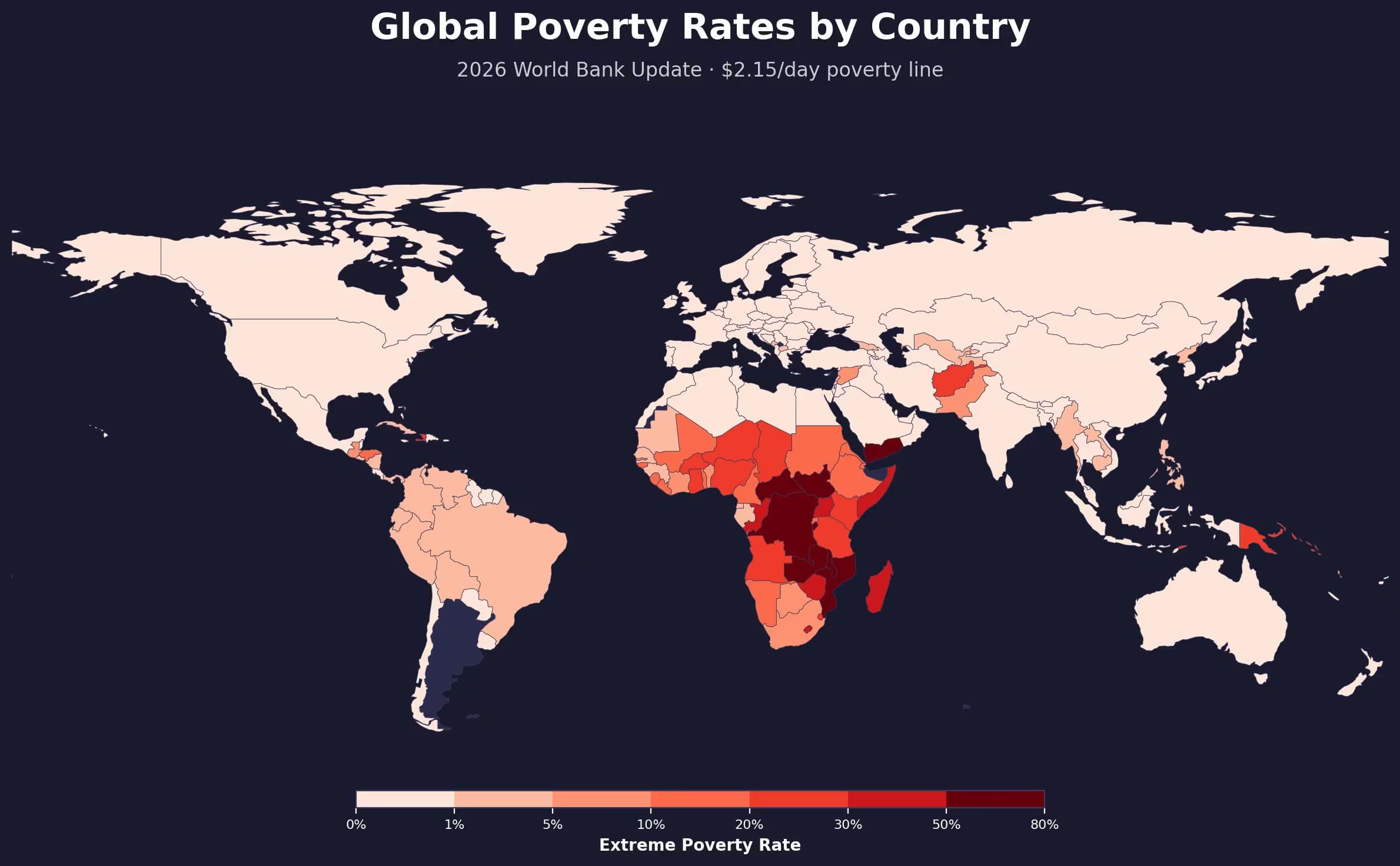
  • The World Bank reports a significant reduction in poverty in India, with 496 million individuals escaping poverty from 2011 to 2023.
  • Extreme poverty decreased from 27.1% to 2.6% during the same period.
Rs 6.5 crorePrize money for recent challenges
MSME growthFocus area for social innovation
Practise Mains answer writingUpload a handwritten answer and get it evaluated
  • The improvement is attributed to strong consumption growth, social transfers, and increased employment, particularly among women.
  • Employment and Green Jobs:

    • India aims for a 'Viksit Bharat' (Developed India) by 2047 and a net-zero economy by 2070.
    • New industries in renewable energy, electric vehicles, and climate resilience are projected to create over 1.3 crore jobs by 2035, with a focus on local employment opportunities.
    • Sectors like rooftop solar, EV repair, waste recovery, and agroforestry will significantly impact rural employment.

    Youth Demographics:

    • Over 27% of the Indian population is aged 15-29, with an increasing number pursuing higher education (17.3% graduates in 2025; women leading at 17.9%).
    • The worker population ratio is nearly aligned with the labour force participation rate, indicating a robust labor market.

    Skills Transferability:

    • A high transferability rate of skills exists between traditional sectors and emerging green jobs: 71% for thermal power roles to renewables, and 90% for automobile roles to electric vehicles with targeted training.

    Technical Education and Training Needs:

    • Only 5.3% of youth receive technical education; 5% have formal vocational training.
    • Current training initiatives have only prepared 81,000 individuals for green roles, while demand for green jobs is expected to grow by approximately 4.5 lakh annually.

    Government Initiatives:

    • The PM-SETU scheme (Rs 60,000 crore) is modernizing 1,000 ITIs (Industrial Training Institutes), which currently hold over 26 lakh seats.
    • The Ministry of Skill Development and Entrepreneurship is revising the National Policy for Skill Development and Entrepreneurship to align with the green economy.

    Challenges Ahead:

    • There is a pressing need for longer-term education and training to incorporate technical skills that match advanced green job roles.
    • Current training programs are largely short-term; about 43% of formally trained workers have completed courses shorter than six months.
    • A cohesive education and skilling continuum from school to vocational training and the workplace is essential for full employment potential in the green sector.

    Conclusion: India's journey from alleviating poverty to establishing a workforce with secure, rising incomes hinges on the development of green jobs and the effective translation of education into actionable skills tailored for the evolving economy.

    India's Record Exports Surge in October
    Economic and Social Development14-Nov-2026

    India's Record Exports Surge in October

    Economic Overview of India's October 2026 Trade Data

    Export Highlights:

    1. Record Exports: India’s goods exports reached a historic peak of $49.47 billion in October 2026, marking a 45% increase from $34.11 billion in October 2025.
    2. Key Sectors: Significant contributions came from:
      • Petroleum Products: Exports surged by 140% to $8.89 billion.
      • Electronic Goods: Exports increased by 62% to $6.64 billion.
      • Non-oil, Non-gems and Jewellery Exports: Rose by 32% to $37.38 billion.

    Import Highlights:

    1. Record Imports: India’s imports soared to $89.35 billion, a 16% increase from $76.69 billion last year, achieving the highest import level in five years.
    2. Petroleum Imports: Increased by 54% to $22.81 billion, driven by rising crude oil prices amidst geopolitical tensions.
    3. Electronic Imports: Rose by 49.95% to $14.31 billion.
    4. Gold and Silver Imports: Contrarily, imports of gold fell 62% to $5.51 billion, and silver dropped 28.26% to $1.91 billion.

    Trade Deficit:

    • The trade deficit for October expanded to $39.88 billion, marginally lower than $42.58 billion in October 2025.

    International Trade Dynamics:

    • Exports to the US: Grew by 39.3% to $8.72 billion.
    • Imports from Russia and China: Imports from Russia and China saw increases of 74% and 46%, respectively.
    • Market Diversification: Exporters noted a strategic move toward diversifying markets, with shipments to the UK, Taiwan, and Kenya rising over 50%.

    Government Remarks & Future Outlook:

    • Commerce Secretary Rajesh Agrawal highlighted this month as the highest-ever merchandise export value achieved, fueled by favorable trade policies and international agreements.
    • Recognition of the role of Free Trade Agreements (FTAs), which have cultivated increased trade opportunities with established and emerging markets, was emphasized by stakeholders.

    Contextual Factors:

    • The rise in exports and imports has been attributed to:
      • A weaker Indian rupee.
      • Reduced tariffs in the US enhancing export competitiveness.
      • The ongoing conflict in Iran impacting oil prices, which peaked around $92 per barrel.

    Conclusion & Strategy Moving Forward:

    • Stakeholders in trade and commerce stress the importance of building stronger buyer relationships, enhancing product competitiveness, and leveraging preferential access through existing and upcoming FTAs, particularly the anticipated agreements with the European Union and other trade blocs.
    • Continuous monitoring of global economic conditions and strategic domestic policies will be necessary to sustain this trade growth trajectory in coming months.
    Concerns Over New Data Centres
    Science and Technology13-Nov-2026

    Concerns Over New Data Centres

    Notes on Data Centres and AI Expansion

    Overview of Data Centres

    • Data centres support cloud computing, search, streaming, and increasingly, AI applications.
    • AI models, such as Claude and ChatGPT, require extensive computing power, with data centres housing GPUs and TPUs for processing.

    U.S. Data Centre Market

    • 1,500+ data centre projects are currently underway in the U.S., marking it as the dominant global data centre market (Cushman & Wakefield).
    • Texas, specifically Dallas, is experiencing significant growth, with 180 existing data centres and 25 under construction, adding approximately 1.34 GW capacity.
    • Virginia has over 11 GW of operational data centre capacity (2026).

    India's Data Centre Growth

    • India’s installed data centre capacity rose from 375 MW (2020) to approximately 1,575 MW (2023).
    • Central Electricity Authority forecasts demand could reach nearly 17 GW by 2031-32.
    • Google is investing $15 billion in an AI hub in Visakhapatnam, which includes a data centre with an initial capacity of 1 GW.

    Legislative and Regulatory Considerations

    • Community opposition to data centres has risen; a survey indicated around 75% of Americans oppose new local data centres.
    • The Texas government paused new approvals for data centre constructions pending a thorough review of power grid impacts.

    Environmental and Economic Implications

    • Concerns include increased electricity demand; Irish data centres represented 23% of the nation’s electricity consumption in 2025 (Central Statistics Office, Ireland).
    • Data centres can contribute to local economies through job creation and tax revenue, yet residents worry about utility strains.

    Hyperscalers and Technological Infrastructure

    • Major players in the cloud services market (hyperscalers) include Amazon Web Services, Google, Microsoft, and Alphabet, with their infrastructure supporting global demand.
    • Distributed computing allows hyperscalers to manage concurrent data processing across multiple servers.

    Cooling Systems and Sustainability Innovations

    • New data centre designs incorporate closed-loop cooling systems, which significantly reduce water usage.
    • The debate continues regarding the energy and water consumption footprints of these facilities amidst regulatory requirements in the EU for energy performance disclosure.

    Community Sentiment and Future Directions

    • Local residents express concerns about noise pollution and energy demands from data centres.
    • There is an ongoing discussion about balancing technological advancement with community needs, including potential economic benefits versus environmental and social costs.
    • Political dynamics indicate that growing scrutiny of data centre developments may influence future construction policies, particularly in states that recently endorsed stronger protective measures.

    Conclusion and Future Outlook

    • The future of data centres and AI integration remains a focal point for economic and technological infrastructure.
    • Considering political trends and community concerns will shape the trajectory of data centre expansion in both the U.S. and India.
    • The effective translation of data centre capacity into real economic benefits for local communities will be crucial in addressing potential backlash against these facilities.
    India's Inflation Rate Rising Concerns
    Economic and Social Development13-Nov-2026

    India's Inflation Rate Rising Concerns

    Summary of Key Economic Data and Indicators Related to Inflation and GDP Growth in India

    Inflation Data:

    • India's inflation rate based on the Consumer Price Index (CPI) rose to 6.09% in October 2026, up from 5.54% in September 2026.
    • This marks the 12th consecutive month of rising household inflation.
    • Food inflation also increased, reaching 8.94% from 7.74% in the previous month.
    • Significant price increases in food items included:
      • Onion: 116%
      • Garlic: 61%
      • Ginger: 48%
      • Lemon: 47%
    • Headline inflation exceeded 6% in 11 states/UTs, with Puducherry having the highest at 7.96%.

    Monetary Policy Context:

    • The Reserve Bank of India (RBI) is tasked under its legal mandate to maintain inflation at , within a flexible band of .
    Karnataka Skill Summit 2026 Highlights
    Economic and Social Development04-Nov-2026

    Karnataka Skill Summit 2026 Highlights

    Bengaluru Skill Summit 2026: Key Highlights

    Event Overview:

    • Theme: Workforce 2030: Scale, Systems, Synergy
    • Duration: Three-day summit
    • Organizers: Department of Skill Development, Entrepreneurship and Livelihood (SDEL), Karnataka Skill Development Corporation (KSDC)
    • Knowledge Partner: Karnataka Digital Economy Mission (KDEM)
    • Country Partner: Japan

    Government Focus:

    • Sharan Prakash Patil, Minister for Medical Education and Skill Development, emphasized the need for future-oriented skill development aligning with emerging job opportunities.

    Karnataka’s Strategy:

    • M.B. Patil, Minister for Large and Medium Industries, highlighted Karnataka as an emerging industrial hub with investor-friendly policies and a skilled workforce to support future industries.
    • The state is positioned as the "knowledge and skill capital" of India, aiming to cultivate a talent pool capable of continuous learning and adaptation.

    Industry Insights:

    • Guruprasad Mudlapur, President of Bosch Group in India, stressed that skill development is critical for economic growth.
    • Rangesh Raghavan, MD of LAM Research India, pointed out the need for domain-skilled workers in advanced industries, particularly semiconductors.

    Recognitions and Publications:

    • The event recognized participants from the 48th WorldSkills Competition 2026 in Shanghai, awarded a Silver Medal and the ‘Best of Nation’ Award in the Bakery category.
    • Released documents included:
      • Karnataka Kaushalya Sampada: The Skill Handbook (2026 Edition)
      • Karnataka Talent Landscape 2026
      • Karnataka’s Workforce Blueprint 2030 (Second Edition)

    Judicial and Economic Undercurrents:

    • The summit reflects a significant government focus on skill development as a fundamental pillar of Karnataka's economic strategy, aligning with objectives of enhancing employability and addressing industry gaps.
    • The private sector’s role in skilling was highlighted, with a call for deep collaboration between industry and educational institutions.

    International Collaboration:

    • Notable dignitaries included foreign officials from Japan, Australia, Italy, and the UK, emphasizing the international dimension of the skill development initiative.

    Significance:

    • The summit aims to bridge the skill gap and prepare the workforce for industry demand, contributing to national employment strategies and global competitiveness.
    • Emphasizes the importance of skilling in shaping a robust economic future for India and enhancing its position in the global economy.
    Tata Group Conflict Requires Resolution
    Economic and Social Development04-Nov-2026

    Tata Group Conflict Requires Resolution

    Key Points on Tata Group Dispute and Government Response

    1. Government Involvement:

      • Finance Minister Nirmala Sitharaman emphasizes the need for an amicable resolution within the Tata Group without government intervention, reflecting a hands-off approach amid tensions among trustees.
    2. Significance of Tata Group:

      • The Tata Group is described as a "critical component" of the Indian economy, highlighting its substantial impact and legacy, which includes a history of corporate responsibility.
    3. Conflict Details:

      • Internal disputes are primarily between Tata Trusts and Tata Sons regarding governance, ownership rights, and potential listing of Tata Sons on stock exchanges.
      • Tata Trusts hold approximately 66% of Tata Sons, while the Shapoorji Pallonji Group holds around 18.4%, creating a conflict over the direction and operations of Tata Sons.
    4. Key Issues:

      • There is disagreement on whether Tata Sons should be publicly listed, which would necessitate greater regulatory compliance and public scrutiny.
    4%
    2-6%
  • Current inflation levels have breached the upper limit of this band for the first time since October 2024.
  • In response to ongoing inflation pressures, the RBI’s Monetary Policy Committee raised the policy repo rate by 25 basis points to 5.5%, with expectations for another rate hike at the next meeting slated for December 2-4, 2026.
  • Forecasts:

    • CPI inflation is projected to average 6% for Q3 (October-December 2026), 5.7% for Q4 (January-March 2027), and 5.6% for Q1 of 2027 (April-June).
    • Economic analysts anticipate that inflation could remain elevated, potentially prompting further rate hikes by the RBI.

    Economic Growth Data:

    • India's GDP growth for April-June 2026 was recorded at an unexpected 7.8%.
    • Estimates for the GDP growth rate for the second quarter (July-September 2026) are around 7.7%, slightly above the RBI’s forecast of 7.2% and the Finance Ministry's projection of 7.35%.
    • Risk factors affecting GDP growth include global geopolitical tensions, volatility in oil prices, and the impacts of the El Niño weather phenomenon.

    Implications for Monetary Policy:

    • Analysts predict that the RBI may need to continue its tightening cycle, with expectations of raising interest rates by a total of 75 basis points over the next 6-9 months to combat inflation and adapt to changing economic conditions which may dampen consumer demand.

    Constitutional Reference:

    • The RBI's mandate aligns with the constitutional framework governing economic stability and monetary policy, emphasizing the significance of managing inflation within a targeted range to promote economic stability.

    Conclusion: The economic landscape in India is presently characterized by rising inflation, increasing food prices, and robust GDP growth. Policymakers are navigating these challenges with anticipated monetary tightening to stabilize prices while encouraging economic growth.

  • The conflict has raised concerns about corporate governance and the role of trustees in decision-making.
  • Regulatory Context:

    • The Reserve Bank of India's (RBI) classification of Tata Sons as an upper-layer non-banking financial company (NBFC) has shaped the current regulatory obligations and listing debates, which also include historical debts repaid by Tata Sons.
  • Judicial and Administrative Involvement:

    • Trustees Venu Srinivasan and Vijay Singh are seeking inquiries from the Maharashtra Charity Commissioner regarding the administration of Tata Trusts, indicating possible governance issues within the trusts.
    • Previous trustee Mehli Mistry's involvement has also introduced allegations of conflicts of interest and governance discrepancies.
  • Upcoming Meetings and Decisions:

    • A key board meeting scheduled for November 26, 2026, will potentially address the restructuring proposals and clarify the ownership dynamics, alongside pressures from the Shapoorji Pallonji Group.
  • Historical Context:

    • The Tata Group’s legacy dates back nearly 150 years with a distinct focus on social development, which is now challenged by the prospect of public listing and its implications for corporate operations.
  • Broader Implications:

    • Sitharaman's discourse underscores the importance of internal resolution mechanisms to protect Tata Group's institutional legacy and public trust, emphasizing that internal disputes should not morph into prolonged public confrontations.
  • Corporate Governance and Responsibility:

    • The Tata Group’s ongoing internal issues raise essential questions regarding corporate governance, decision-making authority, and the maintenance of legacy values amid modern business practices.
  • This situation encapsulates critical challenges at the intersection of corporate governance, economic development, and regulatory compliance in India's industrial landscape.