iAspirants
Current AffairsPrelims PYQsUPSC CSE SyllabusUPSC CSE StrategyBlogsPricing
Login
iAspirants

Your AI-powered companion for UPSC preparation.

Quick Links

  • Home
  • About Us
  • Current Affairs
  • Prelims PYQs
  • UPSC CSE Syllabus
  • UPSC CSE Strategy
  • Blogs

Company

  • Pricing
  • FAQs
  • Contact Us
  • Login

Legal

  • Privacy Policy
  • Terms & Conditions
  • Return Policy

© 2025 iAspirants, Inc. All rights reserved.

  1. Blogs
  2. National and International Importance

Sarnath Achieves UNESCO Heritage Status

Published on: 26-Aug-2026

Share this post

Sarnath Achieves UNESCO Heritage Status

Article Summary

Summary of UNESCO World Heritage Recognition for Sarnath

UNESCO Heritage Listing:

  • Date of Recognition: July 25, 2026, during the 48th session of the World Heritage Committee in Busan, South Korea.
  • Significance: Sarnath, an ancient Buddhist site where Lord Buddha delivered his first sermon, has been added to the UNESCO World Heritage List, bringing India's total to 45 recognized sites.
  • Ranking: India ranks 6th globally and 2nd in the Asia-Pacific region in terms of UNESCO World Heritage sites.

Cultural and Historical Importance:

  • Sarnath is one of four major Buddhist pilgrimage sites, signifying its importance in the Buddhist tradition.
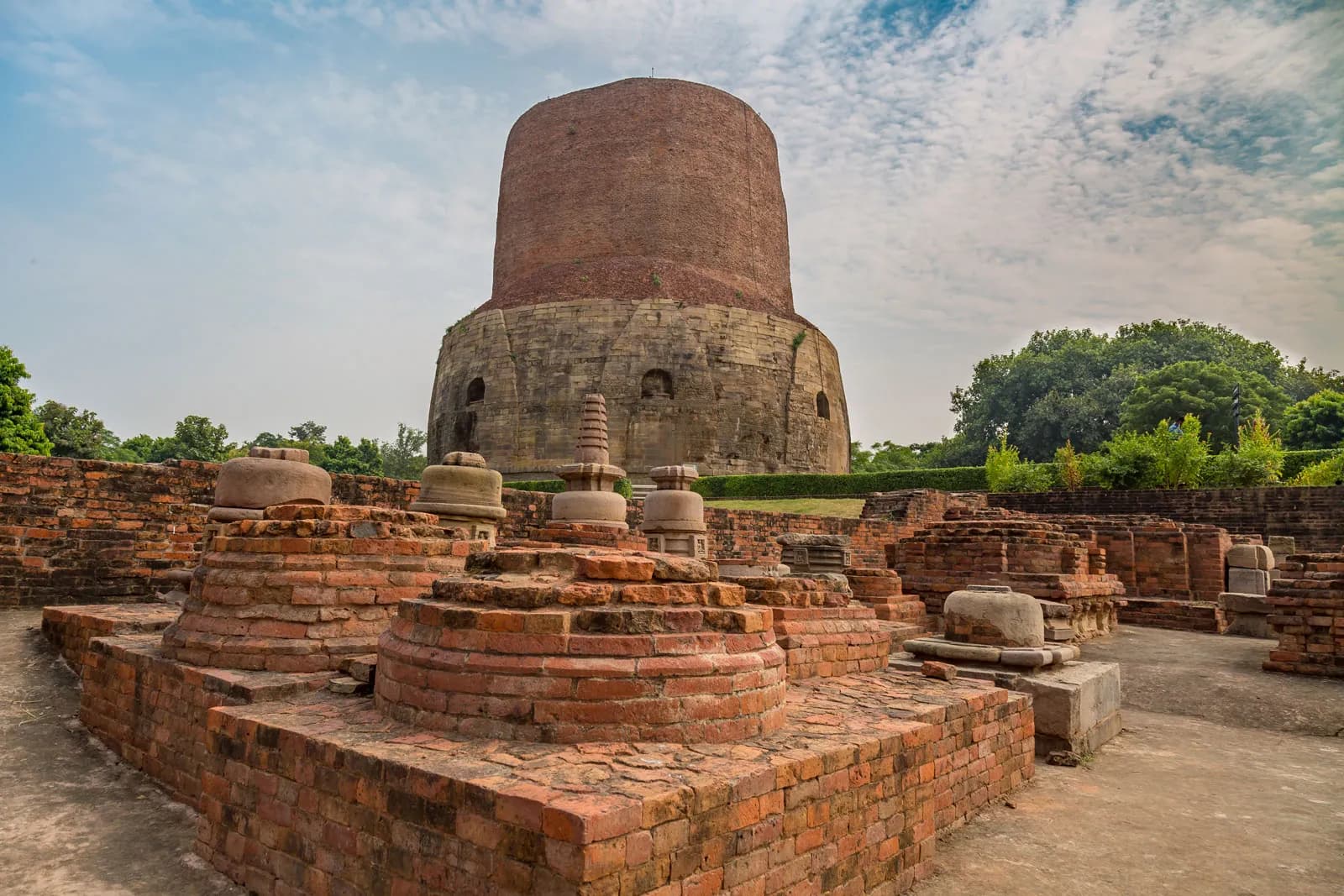
  • The site includes significant archaeological remnants such as the Dhamek Stupa, Ashoka Pillar, and various monasteries and stupas, reflecting a continuous historical development over sixteen centuries.
  • The first sermon by Gautam Buddha, known as "Dharmachakra Pravartan," occurred here in the 6th century BCE, marking the beginning of the Buddhist Sangha.

UNESCO Criteria:

  • Criteria (iii): Recognizes Sarnath's enduring spiritual significance as a major Buddhist pilgrimage site.
  • Criteria (vi): Acknowledges Sarnath's direct association with significant events in Buddha's life, highlighting its exemplary importance to the Buddhist community.

Global Context:

  • As of July 2026, the UNESCO World Heritage List includes 1,273 properties from 173 countries, comprising 991 cultural, 240 natural, and 42 mixed sites.
  • The World Heritage Convention, adopted by UNESCO in 1972, emphasizes the protection and promotion of cultural and natural heritage of outstanding universal value.

Government Initiatives:

  • Cultural Heritage Protection: The Government of India has initiated various programs for the protection, restoration, and promotion of its vast cultural and natural heritage.
  • Adopt a Heritage Program: Launched in September 2017, this program focuses on developing visitor-friendly amenities at protected monuments through partnerships with private sectors and NGOs.
  • National Manuscript Mission: Launched in 2025, this initiative aims to preserve and digitize India's extensive manuscript heritage, ensuring accessibility for research and public engagement.

Economic and Visitor Data:

  • The 'Adopt a Heritage' program has led to a significant increase in visitor engagement, recording 13.59 million visitors during the fiscal year 2024-25.
  • The program has resulted in enhanced facilities and services at heritage sites, contributing to a better visitor experience.

Archaeological Survey of India (ASI):

  • ASI is responsible for the preservation and maintenance of 3688 centrally protected monuments, including 28 World Heritage sites.
  • The ASI enforces the Ancient Monuments and Archaeological Sites and Remains Act, 1958, and the Antiquities and Art Treasures Act, 1972.

Conclusion:

  • The recognition of Sarnath as a UNESCO World Heritage site underscores India's commitment to preserving and promoting its rich cultural heritage.
  • It also reinforces India's identity as the birthplace of Buddhism and its role in fostering cultural ties with Buddhist nations worldwide.

Key Terms & Concepts

SarnathAncient Buddhist site recognized
UNESCOWorld Heritage Committee
July 2026Date of UNESCO recognition
45Total UNESCO sites in India
BuddhismReligion originating from Sarnath
ICOMOSAdvisory body for UNESCO
1972Year of UNESCO Convention adoption
1,273Total properties in World Heritage list
196Countries part of World Heritage Agreement
Buddha's first sermonSignificant event at Sarnath
Cultural Heritage SitesType of UNESCO recognition
BodhgayaRelated UNESCO heritage site
Lumbini

Mind Map for UPSC Civil Services Revision

Turn UPSC Civil Services Current Affairs Into Exam-Ready Notes

Reading National and International Importance current affairs is half the work. Revise them with ready-made notes and test what actually stuck.

  • Daily UPSC Civil Services current affairs analysis
  • Revision notes, mind maps & MCQs
  • Prelims mock tests with instant results

Related UPSC Civil Services Current Affairs Articles

Historical Significance of Vande Mataram
National and International Importance29-Aug-2026

Historical Significance of Vande Mataram

Exam-Focused Notes on the Historical Significance of 'Vande Mataram' at Osmania University

Historical Context:

  • The incident revolves around the singing of "Vande Mataram" at Osmania University (OU) during the late 1930s, a period marked by significant nationalistic fervor against the Nizam's government in Hyderabad.
Related UNESCO heritage site
Indian Archaeological SurveyAgency for heritage management
Heritage SitesProtected cultural landmarks
Knowledge Bharatm MissionInitiative for manuscript preservation
Adopt a Heritage 2.0Program for heritage site management
  • The Nizam's government viewed the song as a threat to its authority, interpreting it as a catalyst for patriotism rather than a mere cultural expression.
  • Key Events:

    • 1938: Construction of the ‘A’ and ‘B’ hostels at OU coincided with rising nationalist sentiments.
    • Singing of Vande Mataram:
      • Initiated by students in various schools and colleges, including notable figures like P.V. Narasimha Rao and Laddipalli Anjayya, who faced expulsion and punishment for singing the anthem.
      • A pivotal moment occurred on November 14, 1938, when Govindbhai Shroff, a dismissed teacher, encouraged students at Aurangabad Government Intermediate College to sing "Vande Mataram," which led to widespread protests among students across the Dominion.

    Government Response:

    • The Nizam's government invoked the Public Safety Regulation to suppress the singing of the song.
    • A ban was imposed on November 28, 1938, leading to mass rustications:
      • 350 students from Osmania University College.
      • 70 students from City College.
      • 310 students from Gulbarga College.
      • 120 students from Mahboobnagar High School.

    Judicial and Legislative Context:

    • The protests highlighted the conflict between the students' rights to expression (Article 19 of the Indian Constitution – Freedom of Speech) and the government's suppression of dissent.
    • The government's actions were perceived as a violation of students' rights to express their national identity and aspirations.

    Cultural Significance:

    • "Vande Mataram" emerged as a symbol of resistance against oppressive regimes, serving as a unifying anthem for various student bodies and the broader freedom movement.
    • The chant became integral to the identity of the Telangana region, influencing future movements for statehood and integration into the Indian Union.

    Notable Figures:

    • Jaisoorya Naidu, son of Sarojini Naidu, played a significant role in mobilizing support from national leaders like Jawaharlal Nehru and Subhash Chandra Bose for the movement.
    • Ramachandra Rao, a satyagrahi who faced severe punishment but continued to sing "Vande Mataram," later contested and won elections, showcasing the enduring spirit of the movement.

    Aftermath and Legacy:

    • By June 1939, some students began to negotiate with university officials, leading to a compromise on the slogans to be used, reflecting a shift in the movement's strategy.
    • The phrase "Vande Mataram" evolved to become a common greeting in the region, signifying the deep-rooted impact of the movement on local culture and identity.

    Conclusion:

    • The events surrounding the singing of "Vande Mataram" at Osmania University serve as a testament to the power of student activism and the role of cultural symbols in the struggle for freedom. This historical moment underscores the intersection of education, politics, and national identity in pre-independence India.
    Nepal Floods Cause Regional Devastation
    National and International Importance29-Aug-2026

    Nepal Floods Cause Regional Devastation

    Summary of Nepal-China Border Disaster (August 2026)

    Natural Disaster Overview:

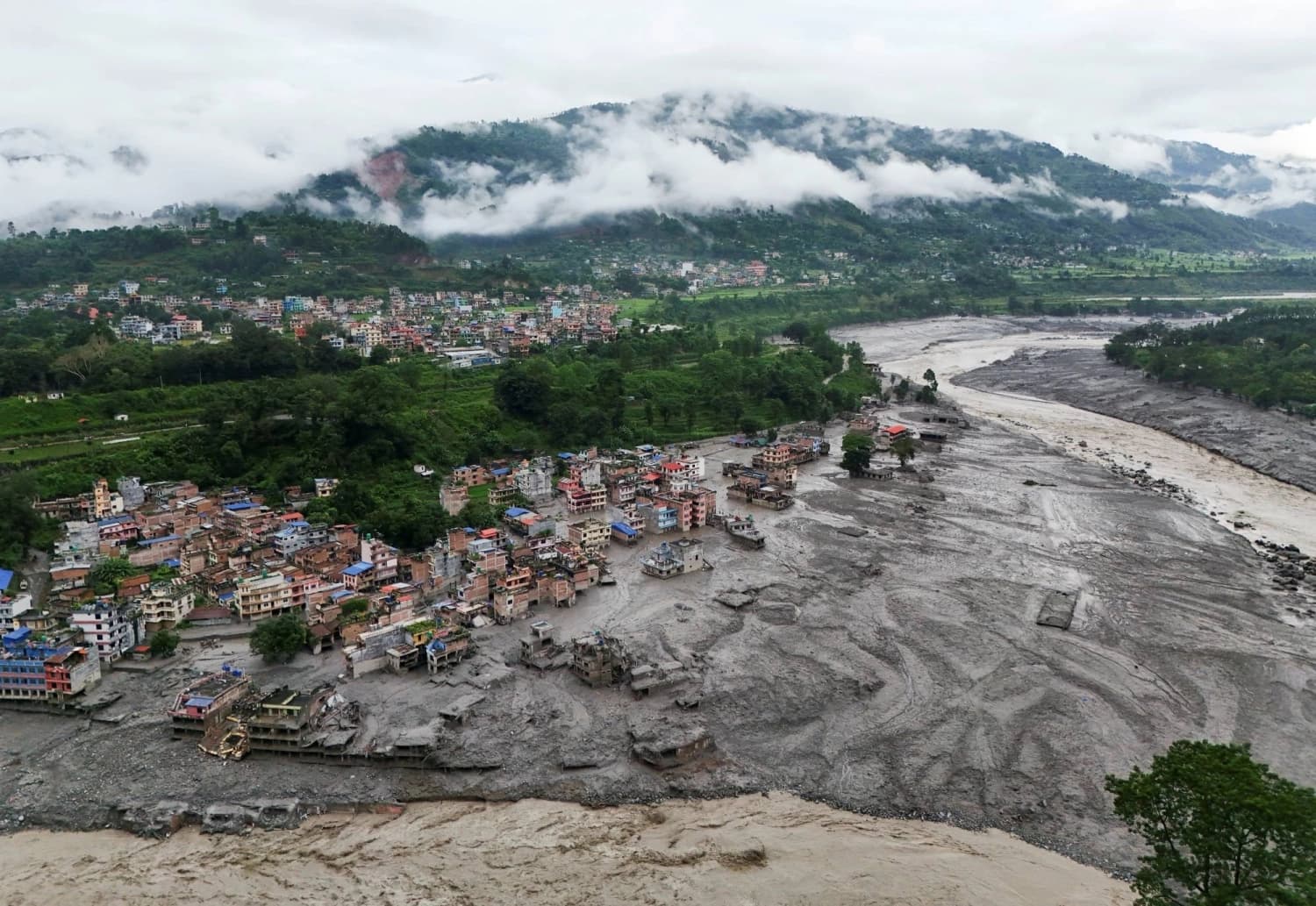
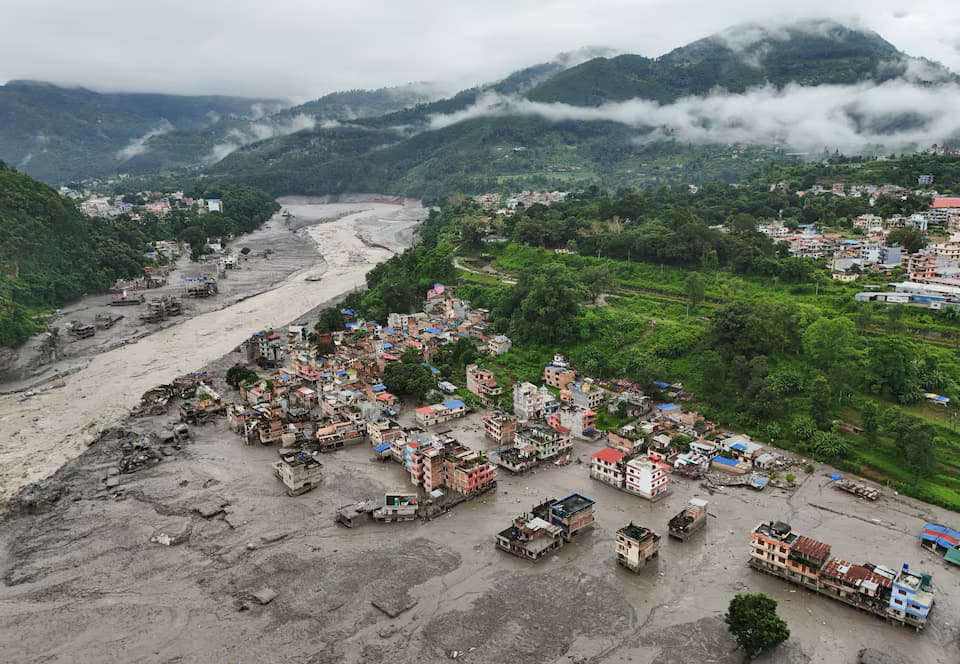
    • Event: On August 26, 2026, a significant seismic event near the Nepal-China border initially registered as a 4.4-magnitude earthquake but was later determined to be a glacial collapse, leading to a landslide equivalent to a 5.2 magnitude.
    • Impact:
      • Casualties: Approximately 579 people confirmed dead; nearly 2,000 reported missing, many believed to be foreign nationals.
      • Infrastructure Damage: Vital infrastructure, including bridges and hydropower stations, destroyed, resulting in a loss of 475 megawatts from Nepal's electricity grid.

    Regional Effects:

    • Countries Affected: Nepal, India, and China experienced significant losses.
    • China's Gyirong Port: The port, crucial for trade and previously upgraded to an international-standard land port, is now buried under debris, impacting trade routes.

    Economic and Humanitarian Response:

    • India's Response:
      • The Ministry of External Affairs confirmed missing Indian nationals, mostly tourists on pilgrimage to Kailash Mansarovar.
      • Flood threats from rising water levels in the Gandak, Kosi, and Ganga rivers prompted maximum alert in Bihar; communities were evacuated.
      • The National Disaster Response Force (NDRF) deployed teams along the Bihar-Uttar Pradesh border.
      • The Indian Air Force delivered over 47.5 tonnes of emergency relief supplies to Nepal.

    Environmental and Geopolitical Considerations:

    • Geopolitical Context: The disaster highlights the interconnectedness of Nepal, India, and China, emphasizing the need for collaboration in disaster management despite existing political tensions.
    • Climate Change Implications: The event underscores the increasing unpredictability of natural disasters in the Himalayan region due to climate change, necessitating a coordinated response among neighboring countries.

    Future Considerations:

    • Framework for Cooperation: The disaster calls for a reevaluation of geopolitical dynamics to foster cooperation among Nepal, India, and China in addressing cross-border natural disasters.
    • Humanitarian Assistance: Continued humanitarian efforts will be crucial in the aftermath, and a collaborative approach to disaster management is essential for future preparedness.

    Key Data Points:

    • Electricity Loss: 475 megawatts from Nepal’s grid.
    • Casualties: 579 confirmed dead, ~2,000 missing.
    • Emergency Relief: 47.5 tonnes of supplies sent by India.
    • Infrastructure Damage: Major loss to bridges, hydropower stations, and trade routes.

    Conclusion:

    The catastrophic glacial collapse near the Nepal-China border serves as a stark reminder of the fragility of human life and infrastructure in the context of natural disasters, urging a collaborative approach to disaster management among the affected nations.

    Flash Floods Devastate Nepal-Tibet Border
    National and International Importance28-Aug-2026

    Flash Floods Devastate Nepal-Tibet Border

    Summary Notes on the Nepal-Tibet Border Flash Floods

    Incident Overview:

    • Date of Incident: August 26, 2026
    • Location: Nepal-Tibet border, affecting a pilgrimage route to Manasa Sarovara near Mount Kailash.

    Key Facts:

    • Pilgrims from Karnataka, India, including a 50-year-old man named Mallinath Kolkundi and his son-in-law Sangamesh, were involved in the incident while traveling with a group of 25 people.
    • Group had completed visa formalities on August 25, 2026, and resumed their journey on August 26 at 6 a.m.
    • A sudden flash flood occurred around 9:30 a.m., sweeping through the area unexpectedly.

    Nature of the Flood:

    • Pilgrims reported hearing a loud sound followed by rapid flooding that destroyed infrastructure within seconds.
    • Two buses ahead of their vehicle were reportedly swept away, with little to no warning for those affected.
    • Affected amenities included accommodation and immigration facilities, rendered unrecognizable by the flood.

    Survival and Response:

    • The bus driver’s quick decision to alter the course saved the lives of those on board.
    • Survivors were stranded in a safer area, unable to return due to severely damaged roads and ongoing dangerous conditions.

    Government Response:

    • Karnataka's Chief Minister D.K. Shivakumar reached out via video call to ensure the safety of stranded individuals and provided assurances regarding government support.
    • Efforts were announced to contact other Karnataka tourists who may also be affected in Nepal.

    Humanitarian Concerns:

    • Many tourists were left without information or means of returning home due to the widespread devastation affecting transportation and communication.
    • The situation raises concerns about disaster preparedness and response mechanisms in areas prone to such natural calamities.

    Implications and Contextual Considerations:

    • Events like these highlight the need for enhanced disaster management strategies in hilly and flood-prone regions.
    • The role of local and state governments becomes critical in ensuring the safety and well-being of tourists in the aftermath of natural disasters.

    Conclusion:

    The flash floods along the Nepal-Tibet border illustrate the unpredictability of natural disasters and the importance of quick decision-making in crisis situations. The government response in terms of communication and logistics is essential for the welfare of affected individuals.

    India's Nuclear Energy Program Overview
    National and International Importance28-Aug-2026

    India's Nuclear Energy Program Overview

    Nuclear Energy in India: Applications, Safety, and Preparedness

    Overview of India's Nuclear Energy Program

    • Foundation: Established in 1969 with the Tarapur Nuclear Power Station. Focused on safety, regulatory oversight, and emergency preparedness.
    • Objective: To provide low-carbon electricity while ensuring safety for people and the environment.

    Key Policies and Acts

    • Shanti Act, 2025: Aims to expand nuclear energy as a pillar for sustainable development and indigenous technology.
    • Targets: Achieve 100 GW of nuclear energy capacity by 2047.

    Current Capacity and Infrastructure

    • Installed Capacity: 8.78 GW from 24 operational reactors across seven sites.
    • Future Plans: Nine additional reactors under construction and ten more in preparation.
    • Budget Allocation: ₹20,000 crores allocated for indigenous small modular reactors in the 2025-26 budget.

    Environmental Impact

    India's Progress Towards Malaria Elimination
    National and International Importance28-Aug-2026

    India's Progress Towards Malaria Elimination

    Key Points on India's Malaria Elimination Progress

    1. Objective and Target:

      • India aims to achieve malaria elimination by 2030 as part of the Sustainable Development Goals (SDG).
      • A high-level review meeting was conducted by the Ministry of Health and Family Welfare to assess progress towards this goal.
    2. Progress and Statistics:

      • Between 2015 and 2025, malaria cases and deaths in India reduced by approximately 80%.
      • The number of high-burden districts decreased from 155 to 33.
      • From 2022 to 2025, 160 districts reported zero local malaria cases, indicating successful disease control efforts.
    3. Focus Areas in Review:

      • The review concentrated on 33 highly affected districts across nine states and Union Territories, which accounted for 64% of total malaria cases and 54% of deaths recorded in 2025.
      • States included: Mizoram, Odisha, Tripura, Assam, Andhra Pradesh, Andaman and Nicobar Islands, Chhattisgarh, Jharkhand, and Maharashtra.
    Air Power Limitations in Modern Warfare
    National and International Importance26-Aug-2026

    Air Power Limitations in Modern Warfare

    Air Power Limitations and Strategic Considerations for India

    1. Air Power Insights from Ukraine and Iran Conflicts:

      • In both Ukraine and Iran, air superiority did not lead to decisive outcomes.
      • Ukraine successfully defended its airspace through a networked air defense system rather than relying solely on a larger air force.
      • The Iranian conflict highlighted that complete control of airspace by allies did not guarantee a decisive victory.
    2. Challenges for the Indian Air Force (IAF):

      • The IAF's operational flexibility, which has been effective against Pakistan, is untested against China’s military capabilities.
      • Key considerations include:
        • Denial of Airspace: Effective air defense can deny control to adversaries, as seen in Ukraine.
        • Dominance of Airspace: Control does not equate to victory; Iran's resilience demonstrates this.
        • Cost-Arithmetic: The cost of advanced interceptors versus cheaper drones (e.g., Iran’s Shahed drones costing $20,000-$50,000) poses a significant challenge for India.
    3. Doctrinal Rethink Required:

      • Air forces globally are reassessing their doctrines in light of these conflicts.
      • India’s IAF model needs adaptation for potential conflicts with China, especially given geographical challenges (e.g., terrain, limited airbases).
    4. Four Tests for IAF’s Flexibility against China:

      • Flexibility Principle: Historical successes against Pakistan may not apply to China due to numerical and geographical constraints.
      • Integration Deficit: Joint-force generation and peacetime jointness are critical for effective response, as highlighted by past conflicts (Kargil 1999, Ladakh 2020).
      • Institutional Challenges: Career progression issues and uneven rank structures across services hinder effective joint operations.
      • Consultative Authority: The proposal for a Joint Coordination Centre requires consensus, which may be impractical during crises. A unified command structure (theatre command) is suggested to enhance operational effectiveness.
    5. Operational Readiness and Political Leadership:

      • The effectiveness of the IAF in future conflicts hinges on organizational readiness and political decisions.
      • Failure to resolve structural gaps could lead to inadequate responses in multi-front scenarios, like simultaneous conflicts in Ladakh and Siachen Glacier.
    6. Implications of Unaddressed Jointness:

      • A prolonged lack of joint operational capability could compromise national security and readiness.
      • The need for a structured approach to integrate air support into ground operations is critical for safeguarding territorial integrity.
    7. Conclusion:

      • The debate around the IAF’s operational model is crucial. Theatre-isation is posited not as a limitation but as a necessary framework to ensure that the IAF’s flexibility can be effectively utilized in future conflicts.

    This summary emphasizes the strategic challenges and necessary adaptations for India’s air power in light of modern warfare dynamics, particularly against a formidable adversary like China.

    India Rebuffs UN Racial Discrimination Concerns
    National and International Importance26-Aug-2026

    India Rebuffs UN Racial Discrimination Concerns

    Summary of Key Points from the UNCERD Review of India

    UN Committee on the Elimination of Racial Discrimination (UNCERD) Findings

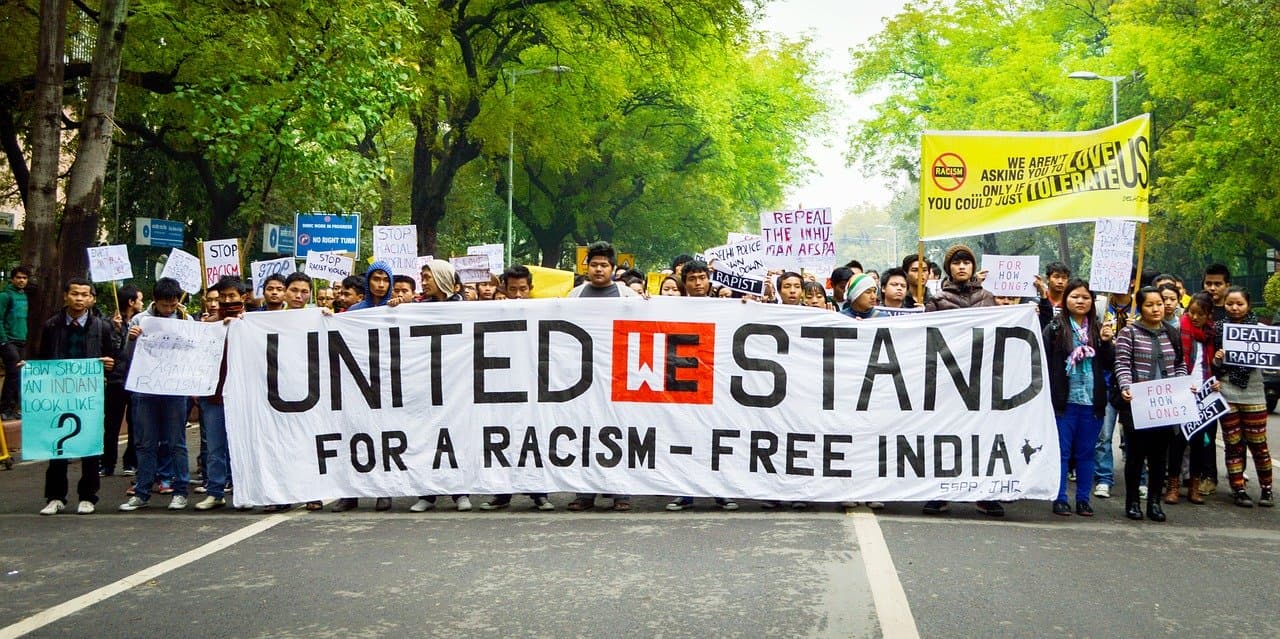
    • The 11th periodic review by UNCERD raised significant concerns over human rights violations affecting marginalized groups in India, specifically:
      • Scheduled Tribes
      • Scheduled Castes
      • Dalits
      • Rohingya refugees

    Concerns Raised by UNCERD

    • Incidents of hate speech and hate crimes were reported, notably against Bengali-speaking Muslims.
    • Allegations included:
      • Racially motivated violence
      • Excessive use of force by law enforcement
      • Extrajudicial killings
      • Arbitrary and prolonged detention without due process
      • Instances of torture, ill-treatment, and sexual violence

    India's Official Response

    • The Indian delegation, led by Solicitor General Tushar Mehta, countered the Committee's assertions, citing:
      • Constitutional safeguards in place to protect disadvantaged communities.
    Piracy and War Crimes in India
    National and International Importance26-Aug-2026

    Piracy and War Crimes in India

    Summary of Key Points

    Legal Framework and Judicial Rulings

    • Universal Jurisdiction: Defined as the ability of any state to prosecute certain crimes (piracy, war crimes) regardless of where they were committed.
    • Indian Legislation:
      • 2022 Maritime Anti-Piracy Act: Allows India to prosecute acts of piracy; two convictions reported since its enactment.
      • 1960 Geneva Conventions Act: Requires India to enact laws for war crimes and allows for the apprehension of suspects.

    International Treaties and Obligations

    • 1982 United Nations Convention on the Law of the Sea: Mandates cooperation among states in repressing piracy on the High Seas.
    • 1949 Geneva Conventions: Obliges states to prosecute war crimes and empower their courts to handle these cases. Imposes a mandatory requirement to apprehend suspects present on their territory.

    Recent Events

    • Case of Somali Nationals:
      • 44 Somali pirates captured by the Indian Navy in March 2024 and sentenced in July 2026 to life imprisonment under the Maritime Anti-Piracy Act.
    WHO Collaborates on Ayurvedic Research
    National and International Importance26-Aug-2026

    WHO Collaborates on Ayurvedic Research

    Summary of Key Points: Ayurvedic Research and WHO Collaboration

    1. WHO's Interest in Traditional Medicine:

      • The World Health Organization (WHO) is focusing on traditional medicines, emphasizing their potential benefits in improving public health.
    2. Research Project on Ayurvedic Treatment:

      • A collaborative research project is proposed to evaluate Ayurvedic treatment for rheumatism in Coimbatore, India.
      • The initiative aims to scientifically assess the effectiveness of Ayurvedic cures for various rheumatic diseases.
    3. Key Figures Involved:

      • Dr. V.T.H. Gunaratne, WHO Regional Director for South-East Asia, advocates for research into traditional medicine.
      • Dr. P. Diesh (WHO) and Dr. V. N. Rao (Indian Council of Medical Research - ICMR) are leading the project development.
    4. Collaboration Details:

      • The project will involve collaboration between WHO, ICMR, and the Ayurvedic Trust.
    • Carbon Emission Reduction: Each GW of nuclear capacity prevents approximately 5.4 million tons of CO2 emissions annually.
    • Total Reduction: Since 1969, the program has prevented 851 million tons of CO2 equivalent emissions.

    Applications Beyond Power Generation

    1. Healthcare:
      • Early disease diagnosis and advanced cancer treatment through indigenous radiopharmaceuticals.
      • Tata Memorial Centre registered 1.3 lakh cancer patients in FY 2024-25.
    2. Agriculture:
      • Development of high-yield crop varieties using radiation-induced mutation.
      • BARC developed 70 crop varieties, including TBM-9 bananas and RTS-43 sorghum.
    3. Food Preservation:
      • Radiation technologies enhance shelf life and prevent post-harvest losses.
      • Six gamma radiation processing facilities operational, expanding to 40 across the country.

    Safety Measures and Regulatory Framework

    • Regulatory Oversight: Managed by the Atomic Energy Regulatory Board (AERB).
    • Safety Protocols: Multiple layers of safety, including design adherence to international standards, continuous monitoring, and emergency preparedness.
    • Radiation Safety Limits: Average occupational exposure limit set at 20 mSv/year, with a cumulative limit of 100 mSv.

    Emergency Preparedness

    • Multi-tier Governance Framework: Integrates national, state, and district-level response mechanisms.
    • Drills and Training: Regular emergency drills conducted with local authorities and emergency responders.

    Technological Advancements

    • Semiconductors: Establishment of India's first electronics-grade boron-11 enrichment facility in Talcher, supporting semiconductor applications.
    • Green Hydrogen Production: Inauguration of the world's first hydrogen production facility using nuclear process heat in Kalpakkam (2026).

    Public Misconceptions and Facts

    • Health Risks: Operating nuclear plants maintain radiation levels well within safe limits.
    • Radioactive Waste Management: Strict regulatory frameworks ensure safe handling and disposal of radioactive waste.
    • Environmental Concerns: Nuclear energy significantly reduces carbon emissions compared to fossil fuels.

    Conclusion

    India’s nuclear energy program reflects a commitment to energy security, technological self-reliance, and public welfare. As the nation pursues its developmental goals, nuclear energy will play a crucial role in achieving sustainable growth and environmental protection. Continuous investment in research and innovation will further enhance India's capabilities in this strategic sector.

  • Strategic Recommendations:

    • Emphasis on maintaining high vigilance and adopting focused, region-specific strategies for effective malaria prevention and elimination.
    • Importance of district and village action plans tailored to local epidemiology and geography.
    • Strengthening the strategy of 'Testing, Treatment, and Surveillance' to ensure early diagnosis and comprehensive treatment.
  • Challenges Identified:

    • Delays in diagnosis and treatment identified as primary causes of malaria-related deaths.
    • Recommendations for states to enhance active surveillance and ensure the availability of diagnostic kits and anti-malarial drugs, especially in remote and vulnerable areas.
  • Data Management:

    • Need for improved monitoring systems and data quality.
    • States advised to review annual blood examination rates (ABER) to identify duplicates and asymptomatic cases accurately.
  • Inter-sectoral Coordination:

    • Emphasis on the importance of collaboration between various sectors to combat malaria effectively.
    • Addressing environmental factors such as water stagnation and mosquito breeding sites is crucial.
  • Community Participation:

    • Encouragement for greater involvement of self-help groups, community volunteers, and local representatives in malaria control activities, including rapid reporting of fever cases and identification of mosquito breeding sites.
  • Key Officials Involved:

    • The meeting included senior officials from the Ministry of Health, including Joint Secretary Prabhakar, Joint Secretary (VBD) Nikhil Gajraj, Director of NCVBDC Dr. Tanu Jain, and other relevant stakeholders.
  • Conclusion

    India's commitment to malaria elimination by 2030 hinges on focused strategies, inter-sectoral coordination, and community engagement, alongside a strong emphasis on surveillance and data management.

  • A robust legal framework promoting pluralism.
  • Dismissal of claims as sweeping generalizations and unsubstantiated allegations stretching beyond the mandate of the Convention.
  • Recommendations by UNCERD

    • India was urged to:
      • Conduct prompt, thorough, and impartial investigations into allegations of human rights violations.
      • Ensure accountability for perpetrators of such violations.
      • Address discrimination and hate crimes against specific communities.
      • Protect rights of Rohingya, Bengali-speaking Muslims, and other vulnerable groups.
      • Refrain from collective expulsions and ensure access to international protection, adhering to the principle of non-refoulement.

    Context of the Review

    • The review coincided with the anniversary of the Rohingya refugee crisis.
    • The Committee expressed particular concern about the increase in law enforcement operations directed at vulnerable groups following certain governmental orders and incidents, highlighting the role of racial profiling in arrests and detentions.

    Legal and Constitutional References

    • The review implicitly draws attention to constitutional rights and deeper issues surrounding Articles related to human rights protections within the Indian Constitution, such as:
      • Article 14 (Right to Equality)
      • Article 21 (Right to Life and Personal Liberty)

    Objective of the Review

    • The review aimed to assess India’s measures in mitigating racial discrimination and protecting the rights of ethnic and ethno-religious communities in line with the International Convention on the Elimination of All Forms of Racial Discrimination.

    Conclusion

    • The dialogue between the Indian government and the UNCERD underscores ongoing tensions related to racial discrimination and human rights in India, emphasizing the need for accountability, investigation, and sustained protection for marginalized communities.
  • Operations conducted under Operation Sankalp.
  • Case of Eitan Gilboa: An Israeli soldier accused of war crimes found in India, which exposed a lack of action from Indian authorities despite applicable international obligations.
  • Government Policies and Initiatives

    • India's Position: India has proclaimed that crimes must be punished and has reiterated the need for action against those committing significant international crimes.
    • Lack of Enforcement: Contrasted with India’s proactive measures against piracy, no action reported under the war crimes jurisdiction as per the Geneva Conventions.

    Challenges and Recommendations

    • Procedural Inaction: Suggested need for:
      • Clear investigative criteria akin to other countries (Germany, Canada, UK) for war crimes.
      • Strengthening of immigration checks and visa refusal mechanisms for suspected war criminals.

    Economic and Strategic Context

    • Geopolitical Implications: Treating war criminals appropriately is seen as critical to uphold international laws and assert India’s global stance against impunity.
    • Public Perception and Legal Integrity: India's hesitance to enforce universal jurisdiction may undermine its credibility and position as a global leader.

    Conclusion

    India must enhance its legal frameworks and enforcement mechanisms to tackle piracy and war crimes effectively. A more principled approach towards universal jurisdiction will strengthen India's international standing and align with its self-assumed legal obligations as a member of the global community.

  • A feasibility study has been conducted to determine the viability of the research.
  • Objectives of the Project:

    • To evaluate scientifically the claims of Ayurvedic treatments for rheumatism.
    • To investigate the underlying principles of how these Ayurvedic drugs work.
  • Significance:

    • This initiative aligns with broader efforts to integrate traditional medicine into modern healthcare frameworks.
    • It reflects a growing recognition of the importance of indigenous health practices in global health strategies.
  • Constitutional Context:

    • Article 47 of the Indian Constitution promotes the duty of the state to raise the level of nutrition and the standard of living, and to improve public health, which supports the exploration of traditional medicines like Ayurveda.
  • Potential Impact:

    • Success in this research could lead to greater acceptance and use of Ayurvedic treatments, potentially influencing health policies and practices in India and beyond.
  • This summary captures the essential details of the WHO's collaboration with Indian institutions to explore Ayurvedic treatments, emphasizing the constitutional backing and the potential implications for healthcare practices.