iAspirants
Current AffairsPrelims PYQsUPSC CSE SyllabusUPSC CSE StrategyBlogsPricing
Login
iAspirants
Current AffairsPrelims PYQsUPSC CSE SyllabusUPSC CSE StrategyBlogsPricingContact UsLoginSignUp
iAspirants

Your AI-powered companion for UPSC preparation.

Study Resources

  • Current Affairs
  • Prelims PYQs
  • UPSC CSE Syllabus
  • UPSC CSE Strategy
  • Blogs

Practice & Plans

  • Mains Answer Evaluation
  • Pricing
  • Sign Up
  • Login

Company

  • Home
  • About Us
  • Contact Us
  • FAQs

Legal

  • Privacy Policy
  • Terms & Conditions
  • Return Policy

© 2026 iAspirants, Inc. All rights reserved.

  1. Blogs
  2. Environment and Ecology

Pond Herons Dead from Avian Influenza

Published on: 29-Nov-2026

Share this post

Pond Herons Dead from Avian Influenza

Article Summary

Avian Influenza (H5N1) Incident in Coimbatore: Key Highlights

  1. Incidence Overview:

    • Multiple pond herons were found dead in a locality in Coimbatore, with investigations initiated on November 18, 2026.
    • A sample tested positive for avian influenza H5N1 at the ICAR-National Institute of High Security Animal Diseases (NIHSAD), Bhopal.
  2. Government and Health Response:

    • The Animal Husbandry Department, alongside Coimbatore City Municipal Corporation (CCMC), undertook disinfection measures in the area where the herons were discovered.
    • District Forest Officer N. Vengatesh Prabhu confirmed that the area is not a nesting or roosting site for pond herons; however, the birds are known to feed along Sanganoor channel.
  3. Surveillance and Preventive Measures:

    • Enhanced surveillance was activated following the detection of avian influenza in Kerala.
    • Authorities have stated that, since the disease was identified in a wild bird, there is no immediate need for culling domestic birds, as there are no poultry farms within a one-kilometer radius of the incident site.
    • Poultry farmers have been warned to remain vigilant for any unusual bird deaths and to report such cases to authorities.
  4. Environmental Analysis:

    • Plans to collect environmental samples (soil, water, and bird droppings) from the area where the herons were found dead are in progress for further analysis.
    • The treatment of the locality is in accordance with established biosecurity protocols, treating it as an epidemiological epicenter for monitoring.
  5. Additional Findings:

    • Following the initial findings, another pond heron was discovered dead in the same area leading to increased inspections by relevant authorities.
    • The carcass of this additional bird was incinerated to prevent potential disease spread.
  6. Public Health and Safety:

    • Public health safety is prioritized, with government departments, including Animal Husbandry and Forest Departments, coordinating efforts to monitor and control the situation.
  7. International Context:

    • Avian influenza (H5N1) is a subject of international concern due to its impact on wildlife, poultry, and potential transmission to humans. Vigilance and monitoring in affected regions are essential for public health and safety.

Conclusion: This incident underscores the importance of wildlife monitoring, rapid response to disease outbreaks, and the collaboration between various government departments to safeguard public health and prevent potential zoonotic transmissions. Continuous vigilance and environmental assessments are critical to manage the avian influenza threat.

Key Terms & Concepts

avian influenza (H5N1)disease affecting birds
ICAR-National Institute of High Security Animal Diseasestesting bird samples
Coimbatorelocation of incident
November 18, 2026date of first deaths
Sanganoor channellocation of dead birds
Department of Animal Husbandrycoordinating preventive measures
Keralamprevious location of avian influenza report
1-kilometre radiusarea for testing criteria
environmental samplescollected for further analysis
November 27, 2026date test result received

Mind Map for UPSC Civil Services Revision

Turn UPSC Civil Services Current Affairs Into Exam-Ready Notes

Reading Environment and Ecology current affairs is half the work. Revise them with ready-made notes and test what actually stuck.

  • Daily UPSC Civil Services current affairs analysis
  • Revision notes, mind maps & MCQs
  • Prelims mock tests with instant results

Related UPSC Civil Services Current Affairs Articles

Discovery of Myristica Swamp Ecosystem
Environment and Ecology29-Nov-2026

Discovery of Myristica Swamp Ecosystem

Summary of Sacred Groves in Kerala

Findings:

  • Researchers have documented the existence of remnants of the endangered Myristica swamp ecosystem in sacred groves located in Kerala's Kollam and Alappuzha districts for the first time.
  • Specific sites surveyed include:
    • Mavelikkavu in Perumkulam, Kottarakkara taluk
Practise Mains answer writingUpload a handwritten answer and get it evaluated
  • Kottara Kulathoor Kavu in Meeyannoor, Kollam taluk
  • Punnaykkakulangara Kavu in Nooranad, Mavelikkara taluk
  • Ecosystem Characteristics:

    • Myristica swamps are unique freshwater wetlands characterized by:
      • Principal trees from the Myristicaceae family, generally reaching heights of 15 to 30 meters.
      • Distinctive arched, loop-like knee roots that emerge above waterlogged soil to stabilize the tree and facilitate gas exchange.
      • Seasonal inundation period lasting from June to January, creating a habitat for various organisms including amphibians and crabs.

    Ecological and Cultural Significance:

    • The Punnaykkakulangara Kavu swamp is noteworthy because it developed independently, lacking geographical ties to the Western Ghats.
    • The traditional beliefs governing sacred groves restrict access, preventing thorough exploration and mapping of these ecosystems. Local practices dictate respect for these areas, often preventing deeper research into their sizes and ecological value.

    Threats and Conservation Challenges:

    • Despite their ecological importance, these habitats face significant threats:
      • Rapid ecosystem shrinkage due to climate change, particularly decreased rainfall.
      • Lack of awareness among grove custodians about the ecological value of the flora.
      • Human activities, particularly during temple festivals, unintentionally damage the swamp through the creation of temporary pathways that disrupt Myristica roots.

    Research and Awareness:

    • The survey was conducted by environmentalists R. Vinod Kumar and Prof. T.R. Jayakumari, highlighting the need for ongoing studies and increased awareness among local communities to prevent damage to these ecosystems.

    Conclusion

    The discoveries in Kerala's sacred groves underline the vital ecological significance of the Myristica swamps, which are threatened by environmental challenges and human activities. Increased awareness and conservation efforts are urgently needed to protect these ancient and irreplaceable ecosystems.

    Los Angeles Earthquake and Aftershocks
    Environment and Ecology29-Nov-2026

    Los Angeles Earthquake and Aftershocks

    Earthquake Summary - Los Angeles Region, November 2026

    • Event Details:

      • On November 28, 2026, a 5.0-magnitude earthquake occurred approximately 6 miles off the coast of Manhattan Beach, California, at 9:30 a.m.
      • This quake is the strongest recorded in the Los Angeles region in 12 years, the last significant quake in 2014.
    • Impact on Infrastructure:

      • Los Angeles International Airport (LAX) experienced tremors; air traffic controllers instructed approaching pilots to circle around.
      • Part of Terminal 7 at LAX had blocked walkways due to broken windows.
      • Manhattan Beach closed its pier as a precaution.
    • Emergency Response:

      • The Los Angeles Fire Department deployed resources from 106 neighborhood stations to inspect buildings and roads. No damage or injuries were reported.
      • Residents were advised to avoid damaged structures and fallen power lines; authorities reassured that there was no confirmed tsunami threat.
    • Aftershocks:

      • More than 40 aftershocks followed the initial quake, with several reaching a magnitude of 3.0 or higher. Aftershocks are expected to continue for days or weeks, although authorities predict a decrease in frequency.
      • Lucy Jones, a veteran seismologist, noted that the aftershock activity is considered average for the region.
    • Historical Context:

      • The last major earthquake in 2014 resulted in over 100 aftershocks, various rockslides, and thousands losing power, yet no fatalities occurred.
    • Public Safety Recommendations:

      • Mayor Bass urged residents to "drop, cover and hold on" during tremors, focusing on head and neck protection.
    • Geological Context:

      • California's geography is characterized by fault lines, making earthquakes commonplace, although many are minor and go unnoticed.

    Conclusion: This earthquake event underscores the ongoing seismic activity in California. The prompt response and precautions undertaken by both local authorities and emergency services highlight the region's preparedness for such natural disasters.

    Global Energy Crisis and Future Outlook
    Environment and Ecology28-Nov-2026

    Global Energy Crisis and Future Outlook

    Global Energy System Overview

    Key Issues Impacting Global Energy

    • COVID-19 Pandemic: Disrupted energy demand and supply chains.
    • Climate Change and El Niño: Affect weather patterns and energy requirements.
    • Geopolitical Conflicts: Wars in Ukraine and the Gulf region, notably involving the U.S. and Iran, have significant implications for energy security.
    • Renewable Energy Trends: Increased investment and development in renewable energy sources amid fossil fuel dependency.

    Current Energy Structure

    • Fossil Fuel Dependency (2025 Statistics):

      • Total primary energy supply: 86.2% from fossil fuels (oil: 33.5%, coal: 27.7%, natural gas: 25.1%)
      • Low-carbon sources: 13.8% (renewables: 5.9%, nuclear: 5.2%, hydro: 2.7%)
    • Global Energy Demand:

      • Tripled in the last 50 years; significant growth noted in China (10-fold increase) and other Asian nations.
      • 720 million people globally lack access to electricity; 2 billion rely on polluting fuels for cooking.

    Climate Impact

    • Global Warming Risks:

      • Average temperatures could rise by 2.5°C by 2100 if current trends continue, with a threshold of 1.5°C posing irreversible damage to ecosystems.
    • COP31 Outcomes: Failure to advance fossil fuel phase-out and clean technology funding, highlighting global challenges in transitioning to sustainable energy.

    Economic and Geopolitical Implications

    • Disruption from Wars:
      • Significant oil and gas supply losses: 2.8 billion barrels of crude and 60 billion cubic meters of natural gas due to regional conflicts.
      • Three-quarters of the global population resides in countries reliant on oil and gas imports, with over four billion depending on the Strait of Hormuz for over 30% of oil supplies.

    International Energy Outlook (IEA)

    • 2026 Predictions:
      • Described as “a year of unprecedented disruption” due to ongoing crises affecting energy security.
      • The Strait of Hormuz crisis identified as the largest historical threat to energy security.

    Summary Points

    • The global energy landscape is undergoing significant turmoil with pressing issues like climate change, geopolitical tensions, and an overwhelming reliance on fossil fuels.
    • Transitioning to a sustainable energy order is necessary for improved availability, self-sufficiency, security, affordability, and environmental sustainability.
    • The international community faces a critical juncture in energy policy and cooperation, underlined by recent geopolitical conflicts and climate commitments.
    Vellore Corporation Restores Palar Riverbed
    Environment and Ecology28-Nov-2026

    Vellore Corporation Restores Palar Riverbed

    Summary of Vellore Corporation's Riverbed Restoration Efforts

    Restoration Project Overview

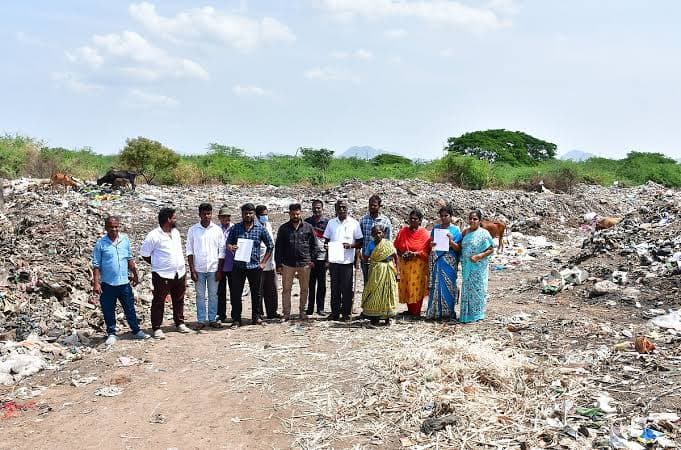
    • Location: Palar Riverbed, near Kagithapattarai on NH 48, off Chennai–Bengaluru Highway.
    • Area Restored: 2 acres of open land.
    • Duration of Landfill Use: Over 40 years.

    Key Actions Taken

    • Biomining Process: Removal of tons of waste through biomining.
    • Waste Types Managed:
      • Non-biodegradable waste (e.g., PET bottles) sent to cement factories in Ariyalur.
      • Total accumulated waste at various sites includes:
        • Saduperi Lake: Approximately 80 tonnes.
        • Palar River: Approximately 45 tonnes.

    Financial Details

    • Total Cost of Restoration: ₹11.50 crore.

    Environmental & Health Benefits

    • Flood Prevention: Reduces inundation risk for residential areas during the monsoon.
    Concerns Over Sheshnag Lake Development
    Environment and Ecology27-Nov-2026

    Concerns Over Sheshnag Lake Development

    Summary Notes on Sheshnag Lake Environmental Concerns

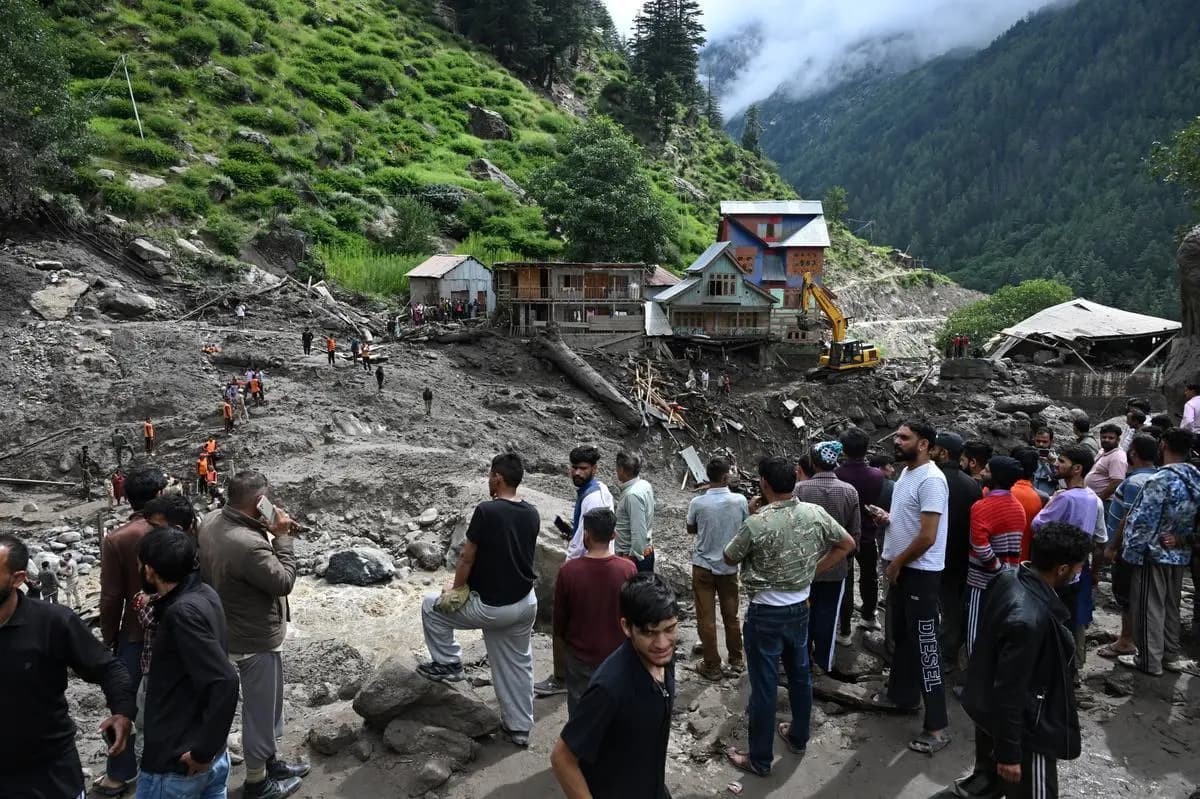
    1. Context: Concerns have arisen regarding the use of heavy earth-moving equipment (e.g., JCBs) for road widening near the Amarnath shrine, especially in proximity to Sheshnag Lake in Kashmir, which is deemed an environmentally sensitive area.

    2. Key Stakeholders:

      • Karan Singh, former Dogra Maharaja and environmental advocate.
      • Mehbooba Mufti, President of the Peoples Democratic Party (PDP).
      • Jammu and Kashmir Government and the Border Roads Organisation (BRO).
    3. Environmental Concerns:

      • Use of heavy machinery during road construction raises alarms about irreversible damage to the fragile ecosystem around Sheshnag Lake, which is already under considerable stress.
      • Issues highlighted include the felling and burning of protected species like Chinar and Chestnut trees.
      • The Himalayan region’s vulnerability to disasters (reference to past Kedarnath disaster) due to infrastructure expansion.
    4. Economic and Cultural Importance:

      • Sheshnag Lake is culturally and religiously significant, linked to the Amarnath Yatra pilgrimage.
      • Concerns about the erosion of natural beauty and the impact of tourism infrastructure on local ecology.
    5. Legislative and Policy Issues:

      • Call for the withdrawal of the Memorandum of Understanding (MoU) between J&K government and BRO for road expansion.
      • Request for transparency regarding the MoU's terms, especially related to the use of heavy equipment.
      • Emphasis on the need for environmental assessments prior to infrastructure developments in sensitive areas.
    6. Judicial and Administrative Measures:

      • Agitation from politicians to halt construction activities until expert evaluations are conducted.
      • Critical questions raised around the government's decision-making process regarding extensions granted to projects endangering ecological balance.
    7. Geographical Significance:

      • Sheshnag Lake is located in a seismic zone, making the area particularly susceptible to geological disturbances influenced by human activity.
    8. Public Advocacy and Awareness:

      • Calls for collective responsibility to protect J&K's unique ecology for future generations.
      • A unified plea from local leaders and politicians for immediate governmental action to safeguard the environment from extensive road-widening projects.
    9. Recommendations:

      • Urgent intervention required from governmental and environmental authorities to ensure the integrity of Sheshnag Lake and surrounding natural habitats.
      • Consideration of sustainable tourism practices that do not compromise environmental and cultural heritage.

    This summary encapsulates the ongoing discourse regarding environmental management in Kashmir, focusing on the intersection of cultural heritage and ecological preservation amid infrastructure development pressures.

  • Hygiene Improvement: Enhances general cleanliness in the neighborhood.
  • Public Health: Potential reduction in stray dog and cattle menace due to waste clearance.
  • Groundwater Recharge: Expected increase in groundwater levels within a radius of 3 km from the restored land.
  • Waste Management Infrastructure

    • Daily Waste Generation: Around 240 tonnes within the corporation limits.
    • Micro Compost Centres (MCCs):
      • Total of 50 MCCs at 29 locations to manage daily waste.
      • Focus on bio-degradable waste treatment, particularly food waste.
    • Future Management: The restored area will be maintained by the Water Resources Department (WRD).

    Contextual Importance

    • Government initiatives like the restoration of riverbeds align with constitutional mandates related to environmental protection and urban development policies under the Directive Principles of State Policy (DPSPs), particularly Article 48A, which mandates the state to protect and improve the environment.

    Implications

    • The initiative is part of broader environmental management and urban planning strategies aimed at sustainable waste management and enhancement of local ecosystems.

    This restoration not only addresses immediate waste disposal challenges but also contributes to long-term environmental and public health goals, showcasing an effective model for urban environmental management.