iAspirants
Current AffairsPrelims PYQsUPSC SyllabusUPSC StrategyBlogsPricing
Login
iAspirants

Your AI-powered companion for UPSC preparation.

Quick Links

  • Home
  • About Us
  • Current Affairs
  • Prelims PYQs
  • UPSC Syllabus
  • UPSC Strategy
  • Blogs

Company

  • Pricing
  • FAQs
  • Contact Us
  • Login

Legal

  • Privacy Policy
  • Terms & Conditions
  • Return Policy

© 2025 iAspirants, Inc. All rights reserved.

  1. Blogs
  2. National and International Importance

Piracy and War Crimes in India

Published on: 26-Aug-2026

Share this post

Piracy and War Crimes in India

Article Summary

Summary of Key Points

Legal Framework and Judicial Rulings

  • Universal Jurisdiction: Defined as the ability of any state to prosecute certain crimes (piracy, war crimes) regardless of where they were committed.
  • Indian Legislation:
    • 2022 Maritime Anti-Piracy Act: Allows India to prosecute acts of piracy; two convictions reported since its enactment.
    • 1960 Geneva Conventions Act: Requires India to enact laws for war crimes and allows for the apprehension of suspects.

International Treaties and Obligations

  • 1982 United Nations Convention on the Law of the Sea: Mandates cooperation among states in repressing piracy on the High Seas.
  • 1949 Geneva Conventions: Obliges states to prosecute war crimes and empower their courts to handle these cases. Imposes a mandatory requirement to apprehend suspects present on their territory.

Recent Events

  • Case of Somali Nationals:
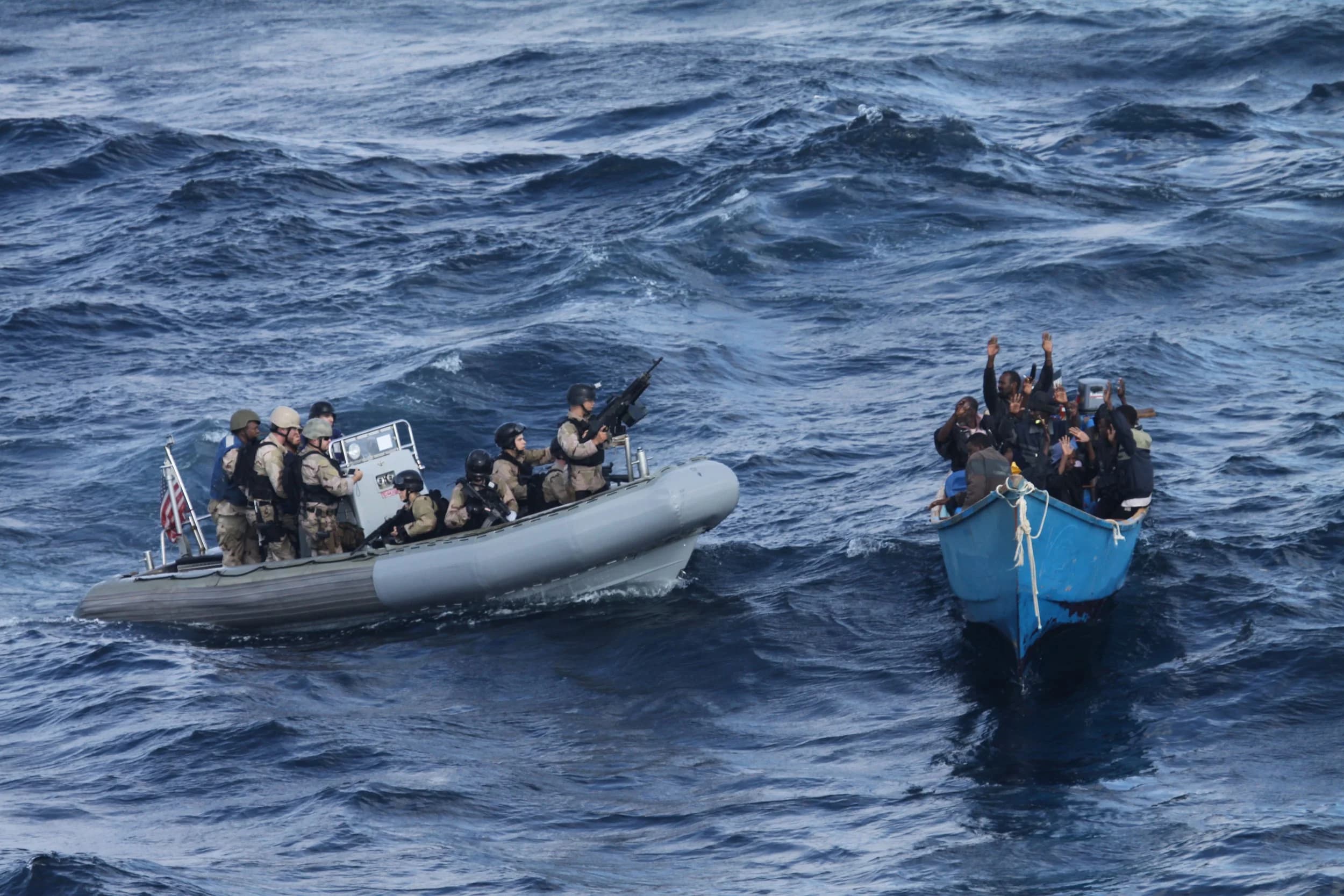
    • 44 Somali pirates captured by the Indian Navy in March 2024 and sentenced in July 2026 to life imprisonment under the Maritime Anti-Piracy Act.
    • Operations conducted under Operation Sankalp.
  • Case of Eitan Gilboa: An Israeli soldier accused of war crimes found in India, which exposed a lack of action from Indian authorities despite applicable international obligations.

Government Policies and Initiatives

  • India's Position: India has proclaimed that crimes must be punished and has reiterated the need for action against those committing significant international crimes.
  • Lack of Enforcement: Contrasted with India’s proactive measures against piracy, no action reported under the war crimes jurisdiction as per the Geneva Conventions.

Challenges and Recommendations

  • Procedural Inaction: Suggested need for:
    • Clear investigative criteria akin to other countries (Germany, Canada, UK) for war crimes.
    • Strengthening of immigration checks and visa refusal mechanisms for suspected war criminals.

Economic and Strategic Context

  • Geopolitical Implications: Treating war criminals appropriately is seen as critical to uphold international laws and assert India’s global stance against impunity.
  • Public Perception and Legal Integrity: India's hesitance to enforce universal jurisdiction may undermine its credibility and position as a global leader.

Conclusion

India must enhance its legal frameworks and enforcement mechanisms to tackle piracy and war crimes effectively. A more principled approach towards universal jurisdiction will strengthen India's international standing and align with its self-assumed legal obligations as a member of the global community.

Key Terms & Concepts

2022 Maritime Anti-Piracy ActLegal framework for piracy prosecution
1949 Geneva ConventionsLegal framework for war crimes
1982 United Nations Convention on the Law of the SeaMandates piracy repression
Operation SankalpIndian Navy's anti-piracy operation
Hind Rajab FoundationInvolved in tracking war criminal
Li JamaSomali pirate captured in India
Eitan GilboaAccused Israeli war criminal
MumbaiLocation of piracy trial
July 20, 2026Sentencing date for Somali pirates
March 2024Capture date of Somali pirates
0 reported actions under 1960 ActLack of prosecutions for war crimes
Rev. Monteiro v. State of Goa (1970)Judgment on inaction in war crimes

Mind Map for UPSC Civil Services Revision

Turn UPSC Civil Services Current Affairs Into Exam-Ready Notes

Reading National and International Importance current affairs is half the work. Revise them with ready-made notes and test what actually stuck.

  • Daily UPSC Civil Services current affairs analysis
  • Revision notes, mind maps & MCQs
  • Prelims mock tests with instant results

Related UPSC Civil Services Current Affairs Articles

Air Power Limitations in Modern Warfare
National and International Importance26-Aug-2026

Air Power Limitations in Modern Warfare

Air Power Limitations and Strategic Considerations for India

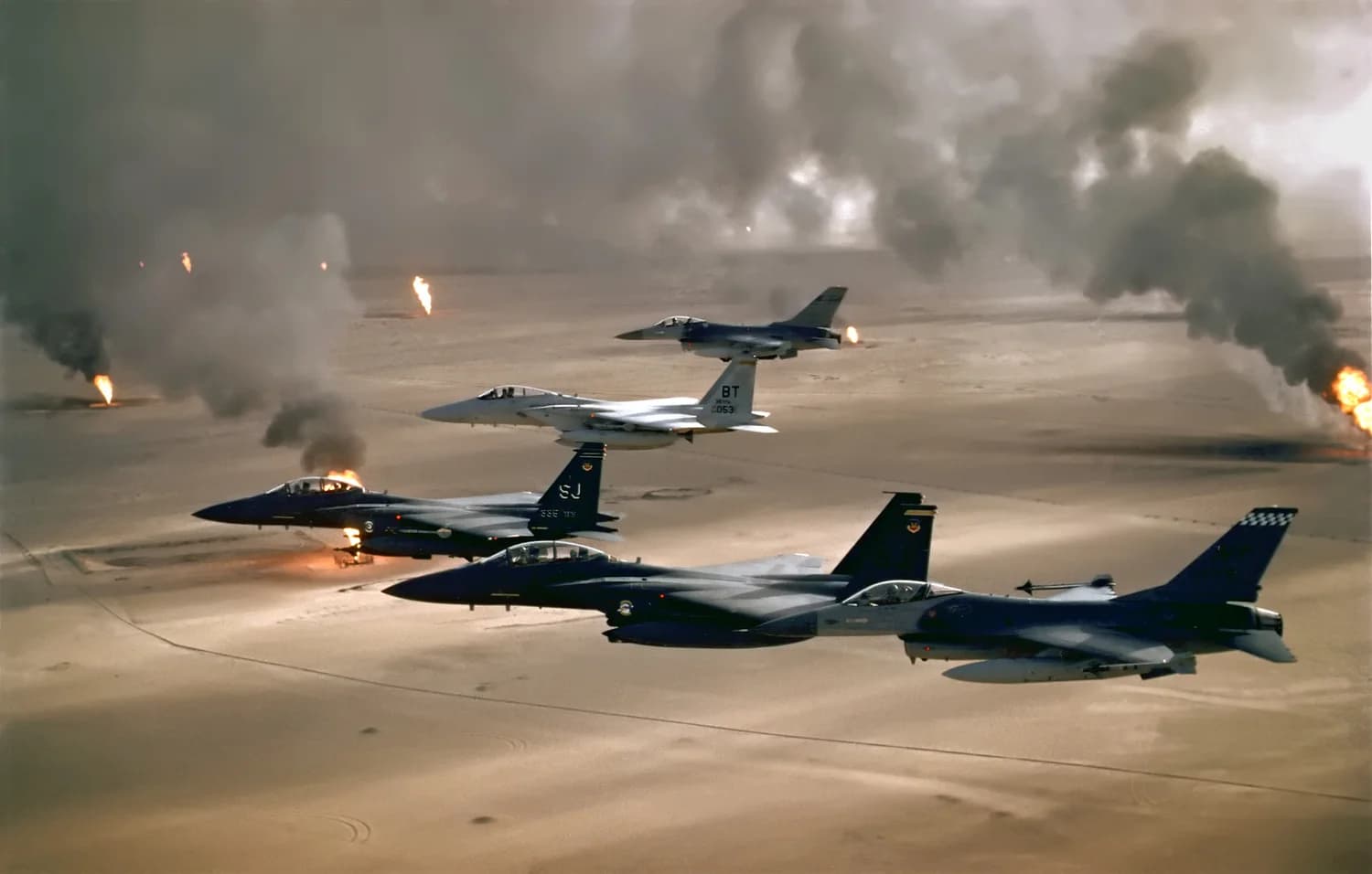
  1. Air Power Insights from Ukraine and Iran Conflicts:

    • In both Ukraine and Iran, air superiority did not lead to decisive outcomes.
    • Ukraine successfully defended its airspace through a networked air defense system rather than relying solely on a larger air force.
  • The Iranian conflict highlighted that complete control of airspace by allies did not guarantee a decisive victory.
  • Challenges for the Indian Air Force (IAF):

    • The IAF's operational flexibility, which has been effective against Pakistan, is untested against China’s military capabilities.
    • Key considerations include:
      • Denial of Airspace: Effective air defense can deny control to adversaries, as seen in Ukraine.
      • Dominance of Airspace: Control does not equate to victory; Iran's resilience demonstrates this.
      • Cost-Arithmetic: The cost of advanced interceptors versus cheaper drones (e.g., Iran’s Shahed drones costing $20,000-$50,000) poses a significant challenge for India.
  • Doctrinal Rethink Required:

    • Air forces globally are reassessing their doctrines in light of these conflicts.
    • India’s IAF model needs adaptation for potential conflicts with China, especially given geographical challenges (e.g., terrain, limited airbases).
  • Four Tests for IAF’s Flexibility against China:

    • Flexibility Principle: Historical successes against Pakistan may not apply to China due to numerical and geographical constraints.
    • Integration Deficit: Joint-force generation and peacetime jointness are critical for effective response, as highlighted by past conflicts (Kargil 1999, Ladakh 2020).
    • Institutional Challenges: Career progression issues and uneven rank structures across services hinder effective joint operations.
    • Consultative Authority: The proposal for a Joint Coordination Centre requires consensus, which may be impractical during crises. A unified command structure (theatre command) is suggested to enhance operational effectiveness.
  • Operational Readiness and Political Leadership:

    • The effectiveness of the IAF in future conflicts hinges on organizational readiness and political decisions.
    • Failure to resolve structural gaps could lead to inadequate responses in multi-front scenarios, like simultaneous conflicts in Ladakh and Siachen Glacier.
  • Implications of Unaddressed Jointness:

    • A prolonged lack of joint operational capability could compromise national security and readiness.
    • The need for a structured approach to integrate air support into ground operations is critical for safeguarding territorial integrity.
  • Conclusion:

    • The debate around the IAF’s operational model is crucial. Theatre-isation is posited not as a limitation but as a necessary framework to ensure that the IAF’s flexibility can be effectively utilized in future conflicts.
  • This summary emphasizes the strategic challenges and necessary adaptations for India’s air power in light of modern warfare dynamics, particularly against a formidable adversary like China.

    India Rebuffs UN Racial Discrimination Concerns
    National and International Importance26-Aug-2026

    India Rebuffs UN Racial Discrimination Concerns

    Summary of Key Points from the UNCERD Review of India

    UN Committee on the Elimination of Racial Discrimination (UNCERD) Findings

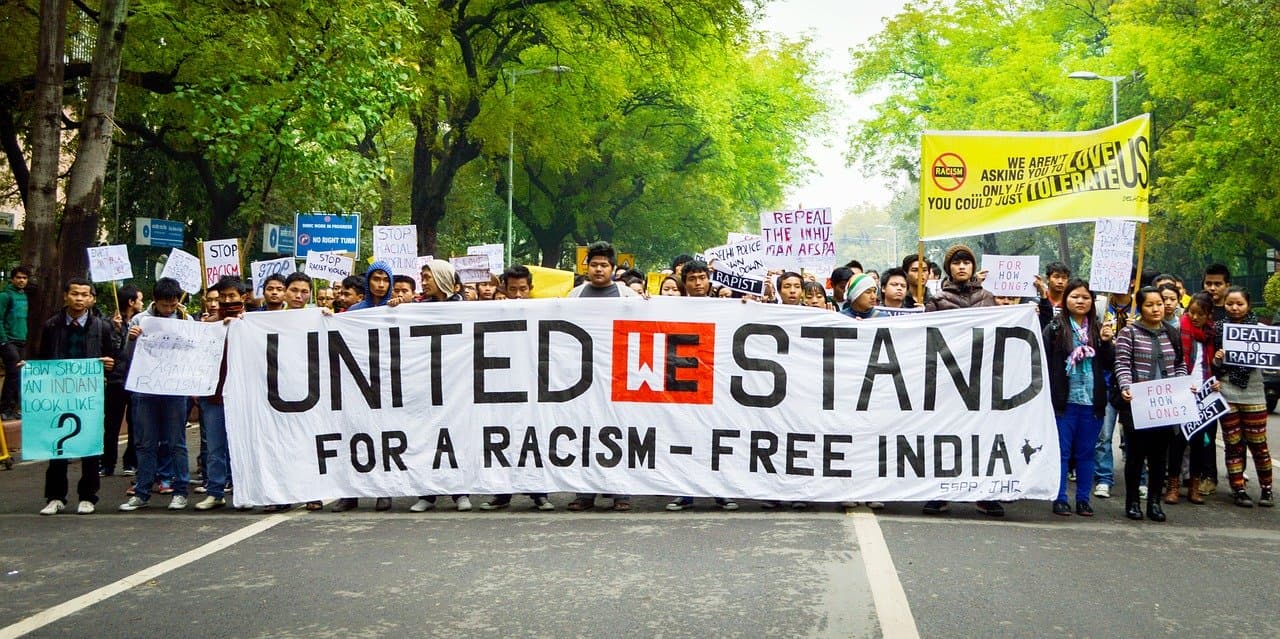
    • The 11th periodic review by UNCERD raised significant concerns over human rights violations affecting marginalized groups in India, specifically:
      • Scheduled Tribes
      • Scheduled Castes
      • Dalits
      • Rohingya refugees

    Concerns Raised by UNCERD

    • Incidents of hate speech and hate crimes were reported, notably against Bengali-speaking Muslims.
    • Allegations included:
      • Racially motivated violence
      • Excessive use of force by law enforcement
      • Extrajudicial killings
      • Arbitrary and prolonged detention without due process
      • Instances of torture, ill-treatment, and sexual violence

    India's Official Response

    • The Indian delegation, led by Solicitor General Tushar Mehta, countered the Committee's assertions, citing:
      • Constitutional safeguards in place to protect disadvantaged communities.
      • A robust legal framework promoting pluralism.
      • Dismissal of claims as sweeping generalizations and unsubstantiated allegations stretching beyond the mandate of the Convention.

    Recommendations by UNCERD

    • India was urged to:
      • Conduct prompt, thorough, and impartial investigations into allegations of human rights violations.
      • Ensure accountability for perpetrators of such violations.
      • Address discrimination and hate crimes against specific communities.
      • Protect rights of Rohingya, Bengali-speaking Muslims, and other vulnerable groups.
      • Refrain from collective expulsions and ensure access to international protection, adhering to the principle of non-refoulement.

    Context of the Review

    • The review coincided with the anniversary of the Rohingya refugee crisis.
    • The Committee expressed particular concern about the increase in law enforcement operations directed at vulnerable groups following certain governmental orders and incidents, highlighting the role of racial profiling in arrests and detentions.

    Legal and Constitutional References

    • The review implicitly draws attention to constitutional rights and deeper issues surrounding Articles related to human rights protections within the Indian Constitution, such as:
      • Article 14 (Right to Equality)
      • Article 21 (Right to Life and Personal Liberty)

    Objective of the Review

    • The review aimed to assess India’s measures in mitigating racial discrimination and protecting the rights of ethnic and ethno-religious communities in line with the International Convention on the Elimination of All Forms of Racial Discrimination.

    Conclusion

    • The dialogue between the Indian government and the UNCERD underscores ongoing tensions related to racial discrimination and human rights in India, emphasizing the need for accountability, investigation, and sustained protection for marginalized communities.
    WHO Collaborates on Ayurvedic Research
    National and International Importance26-Aug-2026

    WHO Collaborates on Ayurvedic Research

    Summary of Key Points: Ayurvedic Research and WHO Collaboration

    1. WHO's Interest in Traditional Medicine:

      • The World Health Organization (WHO) is focusing on traditional medicines, emphasizing their potential benefits in improving public health.
    2. Research Project on Ayurvedic Treatment:

      • A collaborative research project is proposed to evaluate Ayurvedic treatment for rheumatism in Coimbatore, India.
      • The initiative aims to scientifically assess the effectiveness of Ayurvedic cures for various rheumatic diseases.
    3. Key Figures Involved:

      • Dr. V.T.H. Gunaratne, WHO Regional Director for South-East Asia, advocates for research into traditional medicine.
      • Dr. P. Diesh (WHO) and Dr. V. N. Rao (Indian Council of Medical Research - ICMR) are leading the project development.
    4. Collaboration Details:

      • The project will involve collaboration between WHO, ICMR, and the Ayurvedic Trust.
      • A feasibility study has been conducted to determine the viability of the research.
    5. Objectives of the Project:

      • To evaluate scientifically the claims of Ayurvedic treatments for rheumatism.
      • To investigate the underlying principles of how these Ayurvedic drugs work.
    6. Significance:

      • This initiative aligns with broader efforts to integrate traditional medicine into modern healthcare frameworks.
      • It reflects a growing recognition of the importance of indigenous health practices in global health strategies.
    7. Constitutional Context:

      • Article 47 of the Indian Constitution promotes the duty of the state to raise the level of nutrition and the standard of living, and to improve public health, which supports the exploration of traditional medicines like Ayurveda.
    8. Potential Impact:

      • Success in this research could lead to greater acceptance and use of Ayurvedic treatments, potentially influencing health policies and practices in India and beyond.

    This summary captures the essential details of the WHO's collaboration with Indian institutions to explore Ayurvedic treatments, emphasizing the constitutional backing and the potential implications for healthcare practices.

    National Security Strategy Conference 2026
    National and International Importance24-Aug-2026

    National Security Strategy Conference 2026

    National Security Strategy Conference - 2026

    Overview

    • The 9th National Security Strategy Conference (NSSC) was inaugurated in New Delhi by Amit Shah, the Union Home and Cooperation Minister.
    • The conference is held in a hybrid format with approximately 850 officials participating, including senior officials from central and state police departments.

    Key Discussions and Issues Addressed

    1. Terrorism and Extremism:

      • Emphasis on effective measures to combat terrorism.
      • Implementation of the "PRAHAAR" scheme by the Ministry of Home Affairs (MHA) for training and expediting trials against absconders.
      • Adoption of provisions for "trial in absentia" for UAPA (Unlawful Activities Prevention Act) cases.
    2. Intelligence Integration:

      • Discussion on the integration, analysis, and application of intelligence through the Multi Agency Centre (MAC).
    3. Drug Control and Migration:

      • Development of a vision document for controlling narcotics.
      • Identification and repatriation of illegal immigrants with a "zero tolerance" policy.
    4. Cyber Crime and Proxy Warfare:

      • Frameworks to address cyber crime and proxy wars, especially concerning Pakistan.
    5. Standard Operating Procedures (SOPs):

      • Use of AI-based analysis of data from the MAC to create SOPs for tackling national security challenges.

    Future Focus Areas

    • The second day of the conference will address:
      • Threats associated with sub-aerial systems (airborne attack systems).
      • Safeguarding the Blue Economy (marine economy).
      • Information warfare and its impact on national security.
      • The need for a bio-security framework.

    Government Schemes and Policies

    • The NSSC is organized annually since 2021 under the directives of Prime Minister Narendra Modi, aiming to leverage the experiences of cutting-edge officials and subject experts to tackle major national security challenges.

    Constitutional References

    • UAPA: The Unlawful Activities Prevention Act is a critical legal framework for addressing terrorism and unlawful activities.

    Economic and Security Indicators

    • Focus on enhancing the capabilities of law enforcement agencies to tackle infiltration and illegal migration, which has economic and security implications.

    Conclusion

    The NSSC is a significant platform for discussing and strategizing national security issues, involving comprehensive participation from various security agencies and experts to formulate effective policies and frameworks.

    Operation Black Hawk Drug Bust
    National and International Importance24-Aug-2026

    Operation Black Hawk Drug Bust

    Summary of Operation Black Hawk

    Overview:

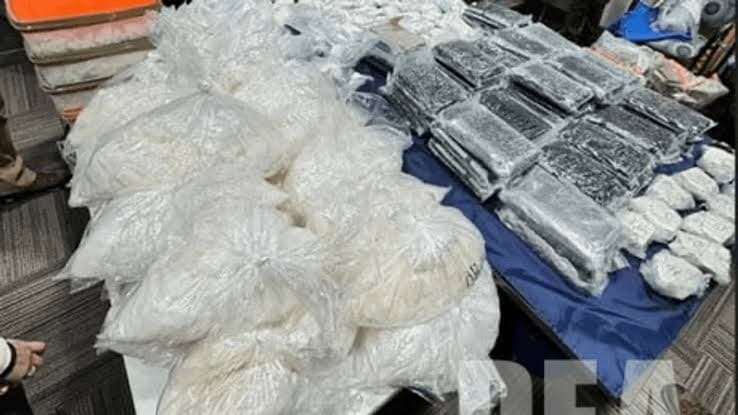
    • The Central Narcotics Bureau (CNB) successfully executed 'Operation Black Hawk' targeting an inter-state heroin syndicate.
    • Total of 18.64 kilograms of raw heroin seized.
    • Three key members of the trafficking network arrested.

    Details of the Operation:

    • Conducted by CNB units from Madhya Pradesh and Uttar Pradesh.
    • Operations took place near Lucknow, Uttar Pradesh on August 20-21, 2026.
    • The heroin originated from the northeastern states and was intended for consumption in Uttar Pradesh.

    Operational Highlights:

    • Based on accurate intelligence from the MP unit, a joint team set up a blockade on the Sultanpur-Lucknow highway.
    • A Hyundai Creta vehicle, registered in Assam, was stopped on August 21. The vehicle was initially empty, and the occupants claimed innocence.
    • Suspicion arose due to inconsistencies in their fuel refilling claims (four times over a distance of 500 kilometers).
    Search for Crew of Sunken Ship
    National and International Importance24-Aug-2026

    Search for Crew of Sunken Ship

    Summary of Incident Involving M.V. Ocean Winner

    Incident Overview:

    • Vessel: M.V. Ocean Winner (IMO 9145530)
    • Flag: Panama
    • Cargo: Iron ore
    • Crew: 24 members (20 Chinese, 3 Myanmarese, 1 Bangladeshi)
    • Departure: Left Paradip Port on August 20, 2026
    • Location of Incident: Bay of Bengal, approximately 700 km East of Visakhapatnam

    Search and Rescue Operations:

    • Agencies Involved: Indian Navy, Indian Coast Guard (ICG)
    • Rescued Crew Members: 2 crew members rescued by MT Aisopos on August 22, 2026
    • Search Duration: Ongoing, with operations continuing over 24 hours post-incident
    • Resources Deployed: P8I surveillance aircraft from the Eastern Naval Command, coordination with Maritime Rescue Coordination Centre (MRCC) at Sri Vijaya Puram
    • Findings: Two floating liferafts and oil slick detected during aerial search
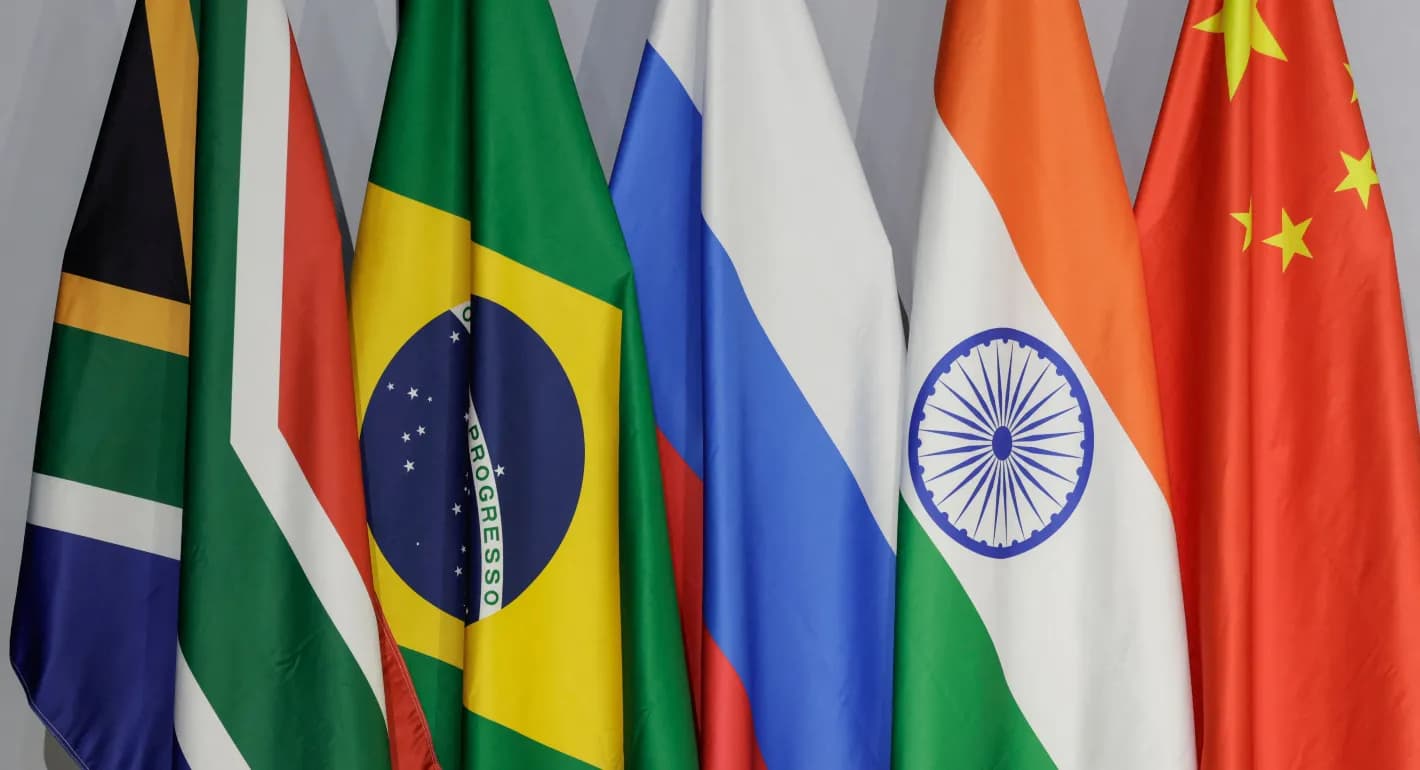
    BRICS Friendship Through Cycling Initiative
    National and International Importance23-Aug-2026

    BRICS Friendship Through Cycling Initiative

    Summary of BRICS Friendship Cycling Program and Fit India Initiative

    1. Event Overview:

      • The BRICS Friendship Cycling program was led by Dr. Mansukh Mandaviya (Union Minister of Youth Affairs and Sports) and Smriti Rakesh Khadse in Visakhapatnam.
      • The event was part of the 87th edition of "Fit India Sundays on Cycle," which emphasizes fitness and collaboration among BRICS nations.
      • Participating countries included Egypt, Ethiopia, Indonesia, UAE, Iran, and South Africa.
    2. Fit India Movement:

      • Launched by Prime Minister Narendra Modi, the Fit India Movement aims to promote fitness across the country.
      • Over 18,000 locations in India participated in cycling activities to spread the message of fitness.
    3. Health and Environmental Benefits of Cycling:

      • Cycling is highlighted as an effective exercise, contributes to reducing traffic congestion, lowers pollution, saves fuel, and conserves foreign currency.
    4. Nationwide Participation:

      • The event saw participation from various age groups (5 to 85 years) and included fitness activities such as yoga, Zumba, and rope skipping.
      • A significant cycling event was organized around India Gate, covering a distance of 5 kilometers.
    5. Commitment to a Drug-Free India:

      • Participants took an oath to combat substance abuse and promote a healthy lifestyle.
    6. Support and Collaboration:

      • The initiative was supported by the Cycling Federation of India (CFI), Rahgiri Foundation, and My India.
      • It involved regional centers of the Sports Authority of India (SAI), National Centers of Excellence (NCOE), and various Khelo India centers.
    7. Judicial and Policy Framework:

      • The Fit India initiative aligns with the broader goals of promoting health and fitness as fundamental necessities for a prosperous society.
    8. International Relations:

      • The event reflects the spirit of friendship and cooperation among BRICS nations, enhancing diplomatic ties through cultural and sports activities.
    9. Government Schemes:

      • The Fit India initiative is part of the Ministry of Youth Affairs and Sports’ broader strategy to enhance public health and fitness.
    10. Conclusion:

      • The Fit India Sundays on Cycle program is a significant step towards fostering a healthy lifestyle and promoting international camaraderie through sports and fitness initiatives.

    This summary encapsulates key facts and figures, governmental policies, and international cooperation efforts related to the cycling program and the Fit India movement.

    Maritime Security Incident in Strait
    National and International Importance23-Aug-2026

    Maritime Security Incident in Strait

    Summary of Key Points on Maritime Security Incident in the Strait of Hormuz

    Incident Overview

    • Date: August 18, 2026
    • Vessel: Liberia-flagged bulk carrier Minoan Dignity
    • Event: Struck by an unknown projectile while exiting the Strait of Hormuz, resulting in one crew member fatality (chief engineer). Crew rescue assisted by Omani Coast Guard.

    Maritime Security Context

    • Strait of Hormuz: A strategic waterway vital for global oil transportation, frequently subjected to geopolitical tensions, notably involving Iran and the Houthi rebels.
    • UKMTO Background:
      • Formation: Established in 2001 under the British Royal Navy.
      • Role: Provides maritime security information, coordinates responses during incidents, and assists seafarers.
      • Operational Base: Initially in Dubai, relocated to Portsmouth, UK in 2014.
      • Workforce: Comprises a small team of 15 civilian watch-keepers and 3 managers, functioning continuously to support ships in distress.
  • Physical inspection of the fuel tank revealed it was hollow; a specially constructed compartment containing 16.46 kilograms of heroin in waterproof packets was discovered.
  • Further Developments:

    • Additional intelligence indicated a heavy truck transporting restricted goods on the Siliguri-Lucknow corridor.
    • The CNB team tracked the truck through multiple toll plazas and intercepted it near Barabanki.
    • A thorough search revealed 2.16 kilograms of heroin hidden in a secret compartment within the vehicle's structure.

    Legal Actions:

    • All three suspects were charged under the Narcotic Drugs and Psychotropic Substances (NDPS) Act, 1985.
    • Vehicles used for transportation (Hyundai Creta and the heavy commercial truck) and the entire consignment of drugs were seized.

    Key Statistics:

    • Total drugs seized: 18.64 kilograms
      • From Hyundai Creta: 16.46 kilograms
      • From heavy commercial vehicle: 2.16 kilograms
    • Total arrests made: 3 suspects
    • Investigations ongoing to identify primary suppliers in the northeastern region and dismantle associated distribution channels.

    Conclusion: Operation Black Hawk represents a significant achievement in combating inter-state drug trafficking, highlighting the effectiveness of coordinated intelligence and surveillance efforts by the CNB. Further investigations are expected to enhance understanding of the drug supply chain in the region.

    Vessel Details:

    • Age: 28 years (built in 1998)
    • Dimensions: Length - 225 meters, Width - 32.26 meters
    • Cargo Capacity: Approximately 73,000 tonnes
    • Inspection History: Periodic inspections revealed deficiencies; last inspection in June 2026 reported three deficiencies, including issues with the magnetic compass.

    Insurance Information:

    • Coverage: Protection and Indemnity insurance active since August 1, 2026, to compensate for loss of life.

    Additional Context:

    • Ship Ownership: The vessel has changed ownership multiple times, currently owned by an entity based in Fujian, China.
    • Operational Status: The vessel was reportedly in its end-of-life period with noted deficiencies affecting its seaworthiness.

    Relevant Legal and Regulatory Framework:

    • International Maritime Regulations: Compliance with maritime safety regulations and inspections by national authorities is critical for operational vessels.
    • Search and Rescue Protocols: Governed by international maritime law, ensuring the safety of life at sea.

    This incident underscores the importance of stringent maritime safety standards and the efficacy of international cooperation in search and rescue operations.

    Policy Framework

    • UK National Strategy for Maritime Security (2014): Emphasizes the necessity to manage maritime security issues that directly affect national interests and global maritime trade.

    Operational Mechanism

    • Voluntary Reporting Scheme: Ships transiting a defined Voluntary Reporting Area (VRA) of approximately 2.5 million square miles, covering major oceans and critical shipping routes.
    • Communication Protocol: Shipmasters must report upon entering, during transit, and upon exiting the VRA, contributing to a data-driven approach to maritime safety.

    Recent Activity and Implications

    • Increased Threat Environment:
      • Rise in attacks claimed by Houthis on commercial shipping post-2023 Israel-Hamas conflict, with UKMTO reporting significant upticks in advisories and emergency responses (e.g., 71 warnings and advisories, 27 emergencies).
      • The incident with the Minoan Dignity illustrates the heightened risks faced by maritime traffic, particularly from regional conflicts.

    Economic and Strategic Importance

    • The UKMTO aims to maintain safe navigation and protect commercial interests amid growing maritime threats, thus safeguarding global trade routes critical for economic stability.

    Conclusion

    The incident involving the Minoan Dignity underscores the importance of vigilant maritime security mechanisms in high-risk areas like the Strait of Hormuz. The UKMTO's proactive approach reflects its critical role in enhancing safety and navigation efficacy amid escalating regional conflicts, as well as its adaptation to evolving maritime threats.