iAspirants
Current AffairsPrelims PYQsUPSC CSE SyllabusUPSC CSE StrategyBlogsPricing
Login
iAspirants

Your AI-powered companion for UPSC preparation.

Quick Links

  • Home
  • About Us
  • Current Affairs
  • Prelims PYQs
  • UPSC CSE Syllabus
  • UPSC CSE Strategy
  • Blogs

Company

  • Pricing
  • FAQs
  • Contact Us
  • Login

Legal

  • Privacy Policy
  • Terms & Conditions
  • Return Policy

© 2025 iAspirants, Inc. All rights reserved.

  1. Blogs
  2. Polity and Governance

NIOS Expenditure on Office Controversy

Published on: 04-May-2026

Share this post

NIOS Expenditure on Office Controversy

Article Summary

Summary of NIOS Expenditure and Management Issues

Overview

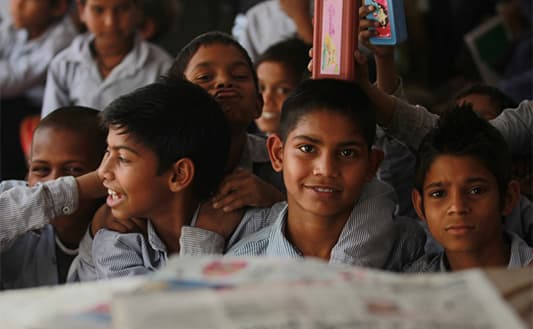
  • The National Institute of Open Schooling (NIOS) is an autonomous body under the Ministry of Education, tasked with providing education to underprivileged segments of society.
  • NIOS acquired two floors in the NBCC World Trade Centre, Delhi, for Rs 247 crore in 2021. Despite receiving possession in March 2024, it has yet to relocate and is currently seeking a tenant.

Financial Data

  • NIOS does not receive budgetary support from the central government and operates entirely on self-generated funds.
    • Income for FY 2022-23: Rs 288.65 crore (Rs 183 crore from admissions and exam fees)
    • Total Expenditure: Rs 157.89 crore

Constitutional and Policy References

  • The purchase and relocation were approved during a Finance Committee meeting on October 8, 2021, chaired by then Chairperson Prof. Saroj Sharma.
  • A warning was issued by the Joint Secretary and Financial Adviser against the extravagant expenditure, emphasizing the NIOS's mandate to educate underprivileged children and the need to refrain from expensive operational costs.

National Education Policy (NEP) Mention

  • The proponents of the purchase argued that the facility would embrace the goals of the National Education Policy, particularly in enhancing digital infrastructure for educational equity.

Additional Financial Commitments

  • Further costs related to the acquisition included:
    • Stamp duty and e-registration: Rs 18.82 lakh
    • GST on maintenance services: Rs 70 lakh
  • Projected one-time costs for moving in estimated at Rs 37 crore, with ongoing maintenance costs of approximately Rs 2.13 crore annually and Rs 7 lakh for property tax.

Future Utilization Plans

  • A committee formed to evaluate the use of the acquired space has recommended leasing out one floor, while the other will serve educational purposes, specifically for live broadcasting of classes and initiatives like the ‘Learn One More Bharatiya Bhasha’ program.

Institutional Governance

  • The decision to purchase the property was described as a unanimous agreement by the academic council, although it faced dissenting concerns regarding financial prudence.

Implications

  • The financial viability of NIOS's acquisition raises questions about resource allocation towards underprivileged education while also highlighting governance challenges within the institution.
  • Future management decisions will likely focus on optimizing the use of this expensive property to align with NIOS's educational goals while managing financial challenges.

Conclusion

The case of NIOS reflects broader issues regarding expenditure in public institutions, especially with respect to prioritizing educational services for the marginalized, indicating a need for stringent financial oversight and effective resource management.

Key Terms & Concepts

National Institute of Open SchoolingEducates underprivileged children
Rs 247 croreCost of office acquisition
Finance CommitteeApproved office purchase
October 8, 2021Date of approval meeting
180 croreRevenue from fees
National Education PolicyEmphasizes digital infrastructure
61,000 square feetSize of acquired space
Rs 37 croreEstimated interior development cost
Rs 2.13 croreAnnual maintenance cost
Learn One More Bharatiya BhashaFuture initiative for learning

Mind Map for UPSC Civil Services Revision

Turn UPSC Civil Services Current Affairs Into Exam-Ready Notes

Reading Polity and Governance current affairs is half the work. Revise them with ready-made notes and test what actually stuck.

  • Daily UPSC Civil Services current affairs analysis
  • Revision notes, mind maps & MCQs
  • Prelims mock tests with instant results

Related UPSC Civil Services Current Affairs Articles

Dharma and Leadership in Governance
Polity and Governance21-Sep-2026

Dharma and Leadership in Governance

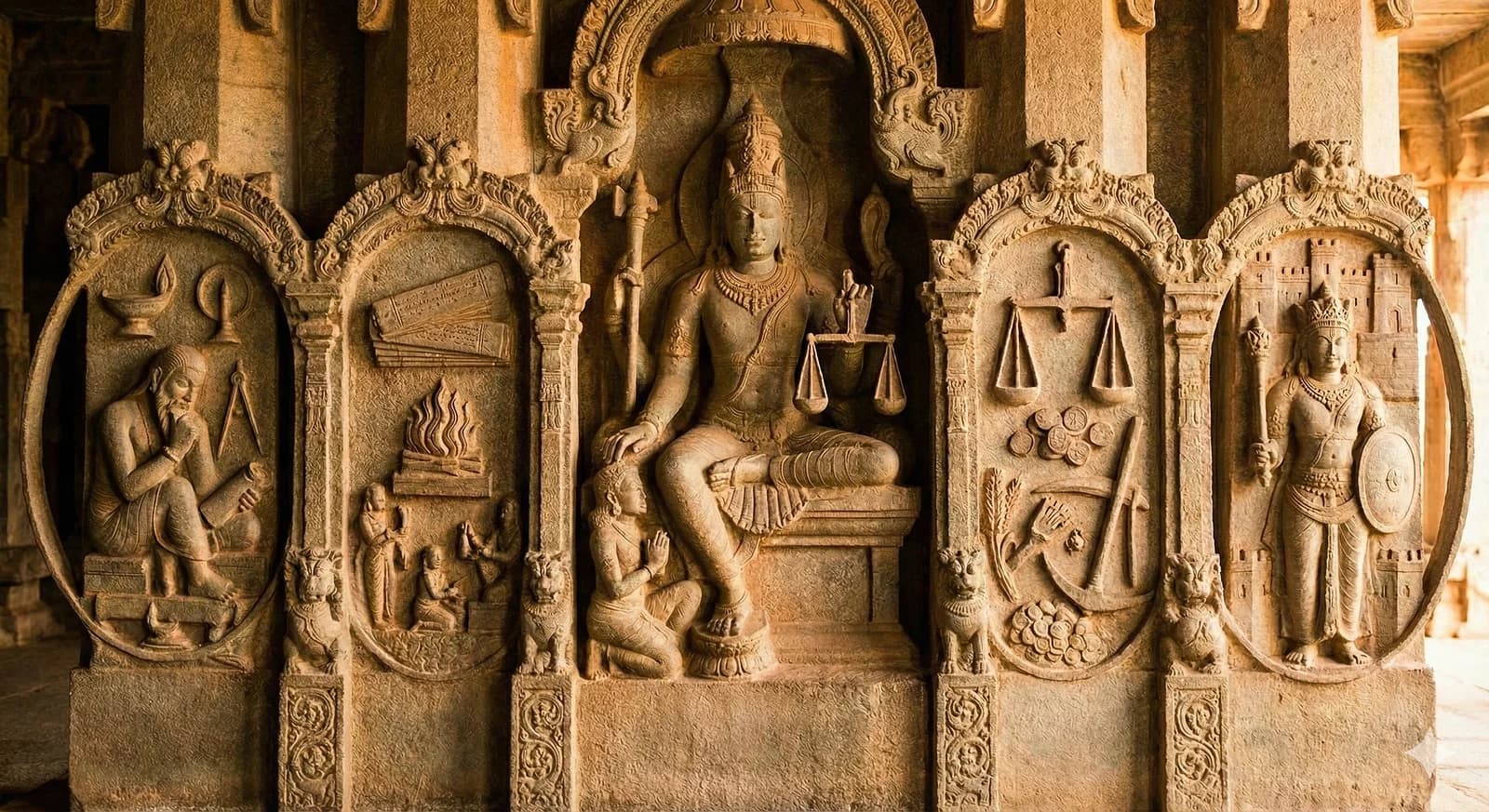
  • Key Characters: Dhritarashtra, Vidura, Duryodhana, Pandavas, Yudhishthira, Sakuni.
  • Dharma Sukshma: A complex understanding of righteous conduct that goes beyond mere knowledge of rules, emphasizing the need for situational awareness in decision-making.
  • Dhritarashtra's Concerns:
  • Unease over the consequences of the Pandavas' exile and the potential fallout of his family's actions in the assembly.
  • Acknowledges that his family cannot avoid repercussions for their actions against the Pandavas and the potential public backlash.
  • Governance and Ethics:
    • Vidura emphasizes that true governance is rooted in dharma (righteousness) and that seeking wealth and pleasures must align with ethical principles.
    • Leaders should not act out of prejudice or self-interest, as this can lead to the ruin of the state and its people.
  • Vidura's Counsel:
    • Urges Dhritarashtra to abandon his bias against the Pandavas and recognize that Yudhishthira embodies the qualities of a just king who is not driven by ambition or power.
    • Warns that continued injustice towards the Pandavas would culminate in the destruction of Dhritarashtra's family.
  • Leadership Qualities: Highlighted through comparison with Rama, who exemplifies selflessness and detachment from power, reinforcing the importance of integrity and ethical governance in leadership.
  • FCRA Amendment Bill Impacts NGOs
    Polity and Governance21-Sep-2026

    FCRA Amendment Bill Impacts NGOs

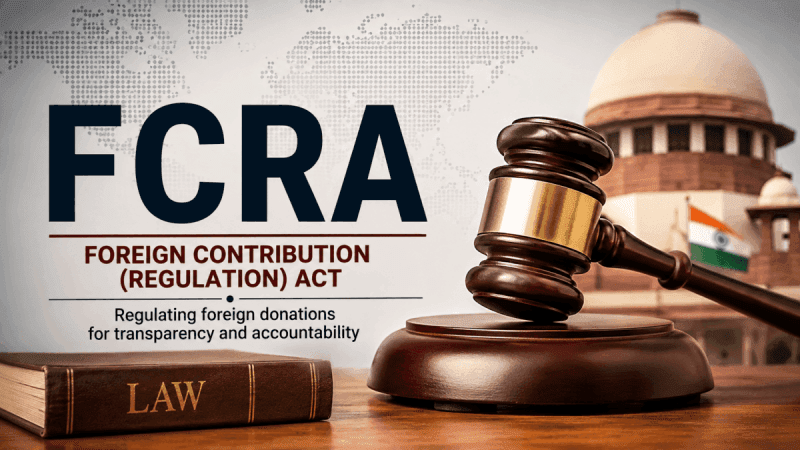
    Foreign Contribution Regulation Act (FCRA) Amendment Bill, 2026 - Key Points

    1. Background of FCRA:

      • Initially enacted in 1976, the FCRA aims to regulate foreign contributions to NGOs in India due to concerns over foreign interference in domestic matters.
      • The proposed amendment Bill, 2026, seeks to introduce more stringent regulations amid fears of potential destabilization through foreign funding.
    2. Key Provisions of the Amendment:

      • If an FCRA certificate is cancelled or lapses, foreign contributions and related assets will be transferred to a government-appointed "designated authority".
      • Organizations can recover assets if registration is restored within a designated period; otherwise, assets may be sold or transferred to government departments with proceeds going to the Consolidated Fund of India.
      • The Bill allows for appeals to a District Judge in case of disputes.
    3. Current Statistics:

      • As of September 2026, FCRA registrations of 22,496 NGOs have been cancelled since 2015, leaving 14,466 NGOs eligible for foreign contributions.
      • Foreign contributions in 2006-07 amounted to ₹12,289.6 crore from private international donors; current figures are reportedly higher.
    4. Concerns from NGO Sector:

      • NGOs, especially from Christian organizations, express fears that the legislation may not be religion-neutral and could harm beneficiaries dependent on their services, such as schools and hospitals.
      • Acknowledgment that foreign aid is perceived as crucial, flexible funding, providing unique resources compared to government grants.
    5. Domestic Philanthropy Trends:

      • Domestic funding has seen an increase, with 3,332 billionaires globally and 229 in India as of 2026.
      • Projected private philanthropy to reach ₹1.43 lakh crore ($16 billion) by FY 2025.
      • Corporate Social Responsibility (CSR) expenditure reached ₹22,563 crore in FY 2025, a 17.5% increase from prior years.
    6. Challenges:

      • Demand for funding exceeds supply, with projected needs reaching ₹18 lakh crore ($210 billion) by 2030.
    7. Government's Stance:

      • The government has argued for the necessity of stringent regulations to preempt foreign destabilization and uphold national integrity.
    8. Judicial Oversight:

      • Appeals regarding FCRA certificate cancellations can be reviewed by the judiciary, indicating judicial oversight in the regulation of foreign contributions.
    9. Conclusion:

      • The balance between maintaining a vibrant civil society and regulating foreign influence remains a contentious issue. The effectiveness of the proposed amendments and their impacts on NGOs will be crucial for future civil society operations.
      • The emphasis on enhancing indigenous philanthropy represents a significant shift, suggesting a potential reliance on local funding to support civil institutions amid stricter foreign funding norms.

    Implications for Civil Society:

    • The FCRA Amendment represents a critical juncture in the relationship between the Indian government and civil society organizations (CSOs).
    • Ongoing dialogue and responsive measures by Indian philanthropists and the government are required to sustain NGOs delivering essential services while navigating the implications of foreign funding restrictions.
    Judiciary's Challenges and Future Directions
    Polity and Governance20-Sep-2026

    Judiciary's Challenges and Future Directions

    Judicial Independence and Legal Education in India

    Constitutional and Legal Framework

    • Judiciary Status: Justice N. Anand Venkatesh of the Madras High Court emphasized the need for judiciary introspection to restore neutrality.
    • Supreme Court Ruling: He referenced a Supreme Court ruling highlighting the essential role of advocates in upholding the rule of law and protecting citizens' rights.

    Key Issues Highlighted

    • Commercialization of Legal Education: The rise of law colleges (over 1,500 today from a few hundred in the 1990s) has led to a decline in the quality of legal education.
    • Politicization: Concerns regarding political affiliations of advocates and the impact on judicial neutrality were raised, notably the involvement of the Bar Council of India (BCI) chairman in politics.
    • Lack of Guidance: Junior advocates are reportedly not receiving adequate mentorship from seniors, leading to a knowledge crisis.
    • Syllabus Gaps: Notable subjects such as intellectual property rights and international law are missing from the syllabi of government law colleges.

    Economic and Educational Data

    • Enrollment Statistics: Only 5% of advocates are from 27 national law colleges, indicating a disparity in legal training quality.
    • Junior Advocate Crisis: Many juniors lack foundational knowledge, impacting their readiness for practice.

    Current Challenges

    • Impact of AI: Justice Venkatesh warned that Artificial Intelligence could render some legal tasks, such as documentation and drafting, redundant for junior advocates.
    • Administrative Concerns: The absence of a vice-chancellor at Tamil Nadu Dr. Ambedkar Law University (TNDALU) was called a critical issue affecting legal education in the state.

    Suggestions for Improvement

    • Neutral Bar Associations: To enhance judicial independence, it was suggested that bar associations must detach from political influences.
    • Revamping Legal Education: A call for reform in legal education to ensure comprehensive coverage of fundamental subjects and improved mentorship.

    Conclusion

    Justice N. Anand Venkatesh’s address at the Indian Association of Lawyers’ conference highlighted critical concerns affecting the legal profession's integrity and effectiveness in India. His remarks underscore the pressing need for systemic reforms in legal education, bar association neutrality, and mentorship for the next generation of advocates to ensure the rule of law and judiciary's independence are preserved.

    Uniform Civil Code and its History
    Polity and Governance20-Sep-2026

    Uniform Civil Code and its History

    Key Points on the Uniform Civil Code (UCC)

    Background and Historical Context

    • The Uniform Civil Code (UCC) has been a core agenda of the BJP.
    • Union Home Minister Amit Shah announced plans to enact UCC in 21 NDA-ruled states by 2029.
    • Historically, UCC was not consistently included in BJP or BJS election manifestos.
    • RSS's second sarsanghchalak, MS Golwalkar (1972), expressed reservations about mandatory UCC, advocating for diversity in personal laws.

    Constitutional Reference

    • The UCC relates to the need for unification of personal laws across religions, potentially reflecting Article 44 of the Directive Principles of State Policy (DPSPs) of the Indian Constitution which calls for a UCC to be provided in the state.

    Timeline of UCC Advocacy

    • UCC advocacy gained momentum post-Shah Bano case (1985), marking a shift towards making UCC a priority.
    • The BJP under LK Advani in the mid-1980s made UCC, abrogation of Article 370, and Ram temple issues central to its agenda.
    • The 1989 BJP manifesto proposed a commission to draft UCC. Subsequent manifestos in 1991, 1996, 2004, 2009, 2014, 2019, and 2024 reiterated commitments to UCC.
    Supreme Court Observes on IDP Conditions
    Polity and Governance19-Sep-2026

    Supreme Court Observes on IDP Conditions

    Supreme Court Concerns: Relief Camps for IDPs in Manipur

    1. Judicial Concern:

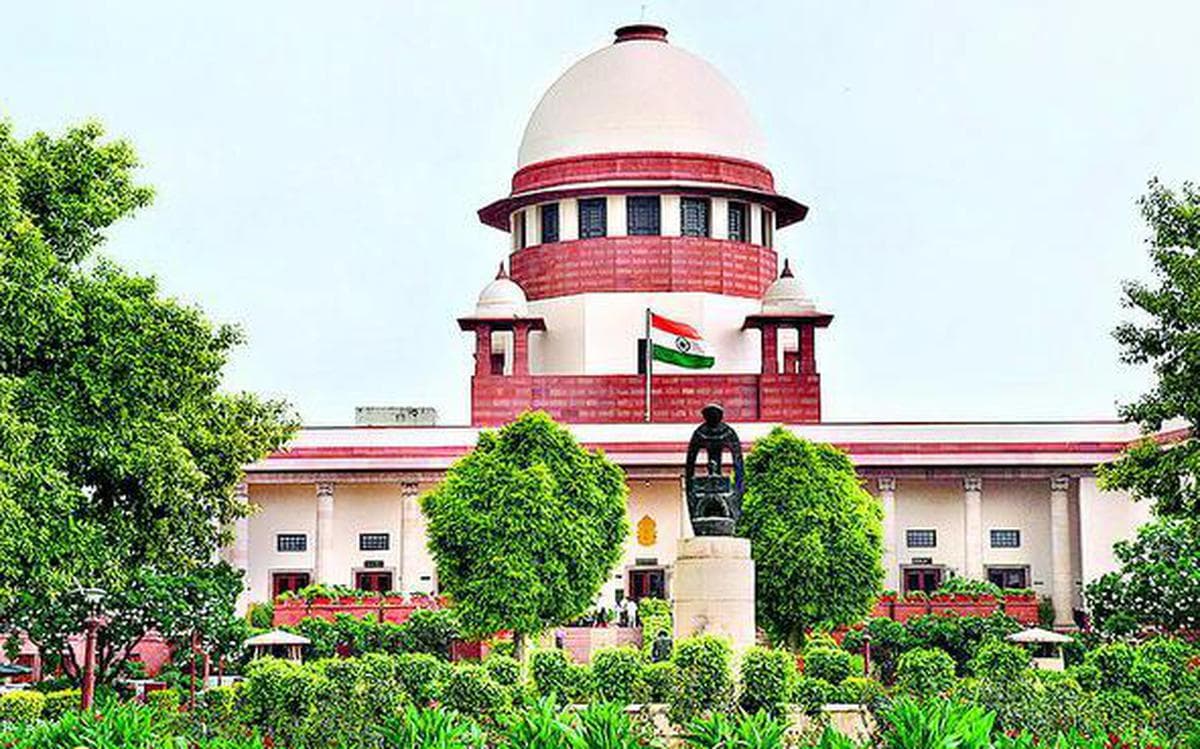
      • The Supreme Court expressed shock over reports of deaths, including unnatural ones, in relief camps for internally displaced persons (IDPs) in Manipur.
    2. Current Situation of IDPs:

      • IDPs have faced prolonged displacement for over three years, deepening vulnerabilities including loss of access to healthcare.
      • As of the latest report, the number of IDPs in relief camps reduced to 28,899 from nearly 60,000 at the peak of violence.
    3. Healthcare Access Issues:

      • Manipur's healthcare facilities are largely centralized in Imphal, with two principal tertiary hospitals:
        • Jawaharlal Nehru Institute of Medical Sciences
        • Regional Institute of Medical Sciences
      • Access to healthcare for Kuki-Zo people from the hills is restricted due to violence and ethnic segregation, lacking specialists and essential medical equipment.
      • Many patients have to seek treatment outside Manipur, with the nearest healthcare facility located in Aizawl, a 12-hour journey by road.
      • Persistent blockades affect patient transit to hospitals, as well as the movement of medicines and medical personnel.
    4. Food and Nutrition Crisis:

      • Reports indicate that food provided in many relief camps is nutritionally deficient, undermining health and recovery of the IDPs.
    5. Need for Government Action:

      • There is a pressing need for the Manipur state government to enhance healthcare provisions for those still in camps, including ensuring adequately staffed medical facilities and a stable supply of medicines.
      • Dialogue and confidence-building measures are essential for a political settlement to the ongoing Meitei-Kuki conflict that impacts the prospects of rehabilitation and security for the displaced population.
    6. Constitutional and Policy Framework:

      • Addressing the IDP crisis aligns with the fundamental rights enshrined in the Constitution, especially the right to health (Article 21) and right to life with dignity.
      • The situation emphasizes the need for the state to fulfill its obligations under the Directive Principles of State Policy (DPSP) to provide adequate healthcare (Article 39(e) and (f)).
    7. Long-term Solutions Required:

      • A durable political solution is necessary to mitigate conflict, ensure a safe environment for rehabilitation, and empower IDPs to rebuild their lives with dignity and security.

    Challenges in Implementation

    • Scheduled Tribes (over 8.6% of India’s population) have customs that complicate UCC implementation.
    • Disputes center on marriage laws, succession, and definitions of tribal identities, which vary significantly.
    • The implementation of UCC has seen exclusions, as evidenced by Uttarakhand's decision to not include Scheduled Tribes in recent laws.

    Current Government Position

    • Amit Shah's commitment to UCC aims to fulfill long-standing promises, particularly post-Ram temple and Article 370 abrogation.
    • The ruling BJP may seek to establish a coherent legislative approach to the UCC to leave its prior commitments realized.

    Comparative Overview

    • Historical opposition to UCC has evolved, indicating shifts in both societal attitudes and political strategies concerning personal laws.
    • The opposition and support have often reflected broader societal and political challenges, impacting consensus around the formulation of a UCC.

    Societal Implications

    • Introduction of UCC could impact diverse communities and the nature of personal laws across religions.
    • The focus on “unity in diversity” remains a contentious point reflecting India's complex socio-cultural fabric.

    Conclusion

    The UCC remains a significant and contentious issue in Indian politics, reflecting historical shifts in ideology, constitutional principles, and socio-legal frameworks. The unfolding discussions and policy proposals indicate a complex negotiation between India's diverse communities and the central government's legislative objectives.