iAspirants
Current AffairsPrelims PYQsUPSC CSE SyllabusUPSC CSE StrategyBlogsPricing
Login
iAspirants

Your AI-powered companion for UPSC preparation.

Quick Links

  • Home
  • About Us
  • Current Affairs
  • Prelims PYQs
  • UPSC CSE Syllabus
  • UPSC CSE Strategy
  • Blogs

Company

  • Pricing
  • FAQs
  • Contact Us
  • Login

Legal

  • Privacy Policy
  • Terms & Conditions
  • Return Policy

© 2025 iAspirants, Inc. All rights reserved.

  1. Blogs
  2. International Relations

Japan's Security Challenges and Regional Relations

Published on: 09-Oct-2026

Source: The Hindu

Share this post

Japan's Security Challenges and Regional Relations

Article Summary

Japan's Security and Foreign Relations Overview

  1. Security Context:

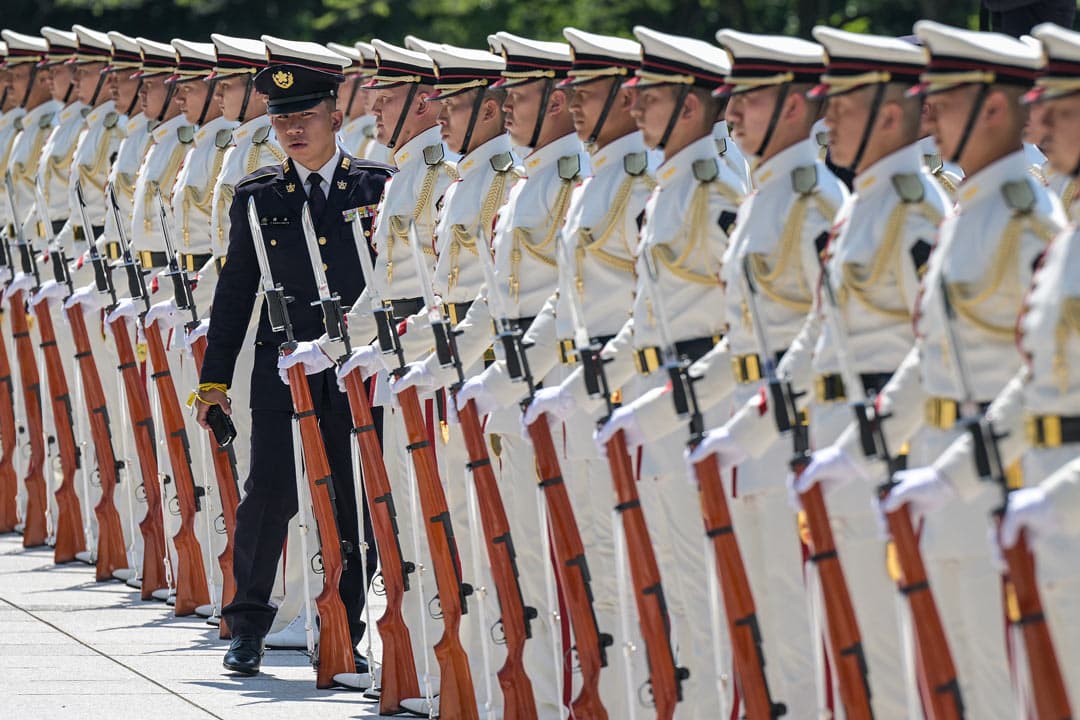
    • Former Prime Minister Fumio Kishida describes Japan's current security scenario as the "most severe" since WWII.
    • Japan's defense policy aims to protect citizens while adhering to constitutional and international law, maintaining an exclusively defense-oriented posture.
  2. Defense Strategy:

    • Japan plans to strengthen defense capabilities amid complex security environments.
    • Cooperation with the U.S. remains central, alongside partnerships in the Indo-Pacific region.
    • Ongoing participation in the Malabar naval exercises with India as part of broader defense collaboration.
  3. China's Regional Activities:

    • Kishida highlights concerns over China's activities in the South China Sea, accusing it of instigating regional tensions through "large-scale land reclamation" and militarization.
    • Japan asserts the need for adherence to international law and opposes attempts to alter the status quo through coercion.
  4. Bilateral Relations with India:

    • Kishida emphasizes the importance of Japan-India cooperation, designating India as an "irreplaceable partner" for achieving the Free and Open Indo-Pacific (FOIP).
    • The Industrial Value Chain Concept aims to enhance connectivity between India’s northeastern states and the Bay of Bengal.
    • Japan's development assistance includes projects focused on road connectivity, biodiversity conservation, water and sanitation, healthcare, and agriculture in northeastern India.
  5. Regional Challenges in South Asia:

    • Calls for restoration of democracy in Myanmar and the need for a dignified return of displaced persons, referencing the Rohingya refugee crisis.
    • Japan urges Myanmar to stop violence and adhere to ASEAN’s Five-Point Consensus to work towards peace.
  6. International Cooperation:

    • Kishida reaffirms the Quad grouping (Australia, India, Japan, U.S.) as a significant multilateral partnership in addressing Indo-Pacific security.
    • Japan consistently supports the rule of law at sea while urging cooperative resolutions to regional disputes.
  7. Economic and Development Initiatives:

    • Japan's investment and developmental initiatives in South and Southeast Asia aimed at increasing connectivity, economic growth, and regional stability.

This outline encapsulates the strategic and diplomatic focus of Japan under the current security environment as articulated by Kishida, highlighting national policies, international partnerships, and regional challenges.

Key Terms & Concepts

Fumio KishidaFormer Prime Minister of Japan
U.S. allianceCornerstone of Japan's defense
Malabar exercisesMilitary cooperation with India
Industrial Value Chain ConceptKey initiative for connectivity
Free and Open Indo-Pacific (FOIP)Strategic framework for cooperation
Quad groupingSecurity coalition of four nations
Myanmar's Five-Point ConsensusGuideline for resolving Myanmar crisis
ASEANRegional association advocating peace
South China SeaRegion of increased tensions
Rohingya refugee crisisHumanitarian issue in Myanmar
Road connectivity, forest and biodiversity conservation, water and sanitation, healthcare, and agricultureAreas of Japanese cooperation
Constitution of Japan

Mind Map for UPSC Civil Services Revision

Turn UPSC Civil Services Current Affairs Into Exam-Ready Notes

Reading International Relations current affairs is half the work. Revise them with ready-made notes and test what actually stuck.

  • Daily UPSC Civil Services current affairs analysis
  • Revision notes, mind maps & MCQs
  • Prelims mock tests with instant results

Related UPSC Civil Services Current Affairs Articles

Floods and Disasters in India
National and International Importance10-Oct-2026

Floods and Disasters in India

West Bengal Floods and Assam Landslides

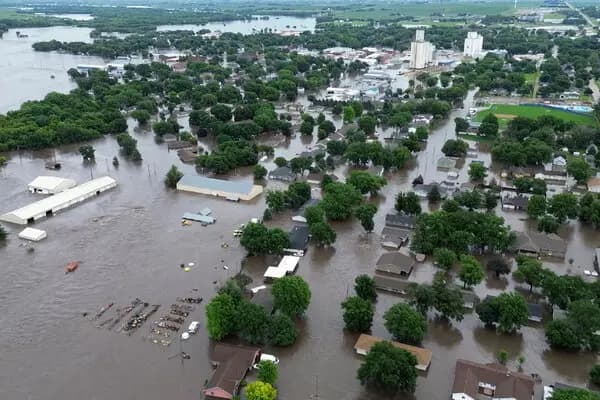
  • Impact: Fresh floods in Hooghly, Murshidabad, and Birbhum districts inundated over 50 villages.
  • Assam Landslides: Landslides between Haraipul and Lams-Hang towns disrupted train services.

Judicial Developments in Terrorism Cases

Legal basis for defense policy
  • Breakthrough in Vaidya Assassination Case:
    • Two individuals were arrested in Connaught Place, linked to the assassins of General A S Vaidya and Congress (I) leader Lalit Maken.
    • These individuals facilitated the escape of wanted terrorists from India.

Road Safety and Accidents

  • Bus Accident in Uttar Pradesh:
    • A state transport bus fell about 70 feet from the new Ganga bridge at Jajmau, resulting in 57 fatalities.
    • Among the 55 injured, 10 are reported to be in critical condition.
    • The accident was caused by a collision with a truck.

Political Resignation in the United States

  • US State Department Resignation:
    • Bernard Kelb, Assistant Secretary of State for Public Affairs, resigned in opposition to the Reagan administration's disinformation campaign against Libyan leader Colonel Muammar Gaddafi.
    • This resignation adds to the growing criticisms of the administration’s credibility issues.

Key Takeaways

  • The recent floods and landslides illustrate the ongoing challenges with environmental disasters in India and their impact on communities.
  • The arrests related to high-profile assassinations reflect ongoing issues with terrorism and security management in the region.
  • Road safety remains a critical concern, highlighted by the tragic bus accident that resulted in numerous fatalities.
  • Political resignations, such as that of Bernard Kelb, indicate internal dissent over foreign policy strategies, emphasizing the complexity of diplomacy and public trust in government communications.

Exam Focus Areas

  • Environmental challenges in India (flooding and landslides).
  • Terrorism and national security cases.
  • Road safety and traffic regulations.
  • Political dynamics and foreign policy criticisms in the United States.
Escalating US-Iran Military Tensions
International Relations09-Oct-2026

Escalating US-Iran Military Tensions

Key Updates on US-Iran Relations and Military Developments

Military Readiness & Tensions

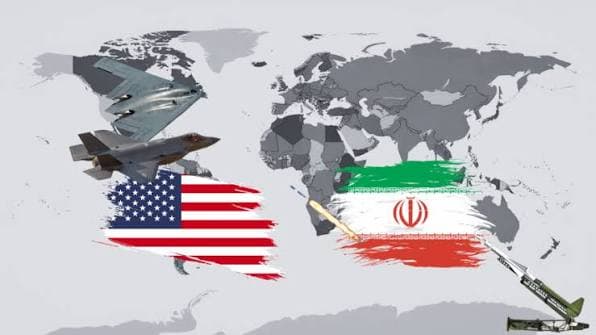
  • The US military is ordered to prepare for possible combat operations in Iran, with potential strikes before the US midterm elections on November 3, 2026.
  • Iran-backed Houthi forces have launched missile attacks on Riyadh, Saudi Arabia, resulting in the cancellation of nearly half the flights at King Khalid International Airport.
  • US President Donald Trump stated that discussions with Iran are ongoing and confirmed no military action will occur before the midterms.

Economic Impacts

  • Global stock markets have declined due to rising oil prices—oil prices increased by 4% amid concerns regarding the geopolitical situation. Brent crude futures rose to $104.28 and West Texas Intermediate to $91.49.
  • Congressman Ro Khanna raised concerns about the economic burden of the conflict, highlighting rising gas prices (over $4) and diesel prices (over $6), calling for lawmakers to reconsider the military engagement in Iran.

Sanctions and International Relations

  • The US imposed new sanctions on Iran, specifically targeting 17 vessels associated with Iran's oil exports, described as part of Iran's "shadow fleet".
  • The sanctions are meant to deplete Iran’s financial resources for military activities in the region, with Secretary of the Treasury Scott Bessent emphasizing ongoing pressure against Iranian entities.

Employment and Green Card Programs

  • The US government has suspended several prominent Indian IT firms, including Cognizant, TCS, Wipro, and HCL, from the Permanent Labor Certification Program over allegations of fraud related to employment practices.
  • Microsoft has also been implicated and suspended from green card applications.

Diplomatic Engagements

  • Russian President Vladimir Putin pledged to assist Iran in ending the ongoing conflict during discussions with Iranian leaders.
  • Iran's Defense Ministry claims sufficient military production capacity to sustain a prolonged conflict, citing a 2.5 times increase in weapon manufacturing amid the war.

Summary of Key Constitutional and Policy Insights

  • No specific constitutional articles or judicial rulings were mentioned directly, but the political dynamics and military orders indicate implications on executive powers related to military engagement.
  • The Trump administration's recent policy shifts may have ramifications on immigration laws relating to skilled workers, impacting bilateral relations with India.

Conclusion

The geopolitical landscape remains tense with significant military readiness from the US, heightened economic pressures from sanctions on Iran, and disruptions in international travel from the ongoing conflict. Diplomatic discussions continue amidst military tensions, suggesting potential future shifts in policy and engagement strategies.

India's Role in Global Pandemic Preparedness
International Relations08-Oct-2026

India's Role in Global Pandemic Preparedness

United Nations High Level Meeting (UN HLM) on Pandemic Preparedness and Response

Context

  • Date: September 2026
  • Venue: United Nations, New York
  • Topic: Political Declaration on Pandemic Prevention Preparedness and Response (PPPR) and WHO Pandemic Agreement (PA).

Key Developments

  • WHO Pandemic Agreement (PA):
    • Adopted by 124 member-states in 2025, including India.
    • No votes against; 11 abstentions.
    • Aims to establish a global legal framework for pandemic preparedness.

Main Issues Discussed

  • Balancing National Sovereignty and International Cooperation:

    • Tensions between Global North and Global South on regulatory control and funding mechanisms.
    • Importance of equitable access to vaccines and therapeutics.
  • Pathogen Access and Benefit-Sharing (PABS) System:

    • Negotiations ongoing for the annex focusing on equitable vaccine distribution to Low-Income Countries (LICs) and Lower-Middle-Income Countries (LMICs).

India's Position

  • Supports multilateralism while emphasizing national sovereignty.
  • Advocated for:
    • Equitable access to health resources.
    • Creation of global public goods such as digital health infrastructure.
    • Respect for individual country circumstances in shaping health policies.

Global Engagement Strategies

  1. Partnership Development: India aims to collaborate on technical areas of the PA and foster trust among Global South countries.
  2. Leveraging Leadership Roles:
    • Participation in the H20 summit in 2027 focused on health and development.
    • Engaging in "Partners for Multilateralism" initiated by the European Union, co-sponsoring significant global health discussions.
  3. Aligning Domestic Policies: India plans to enhance its national regulatory frameworks around pandemic preparedness to reflect high equity standards.

Economic and Technological Context

  • Pharmaceutical Contribution: India is a major vaccine manufacturer, yet dependent on global pharmaceuticals for patents and Active Pharmaceutical Ingredients (APIs).
  • Call for Equitable Technology Access: Emphasizes the need to obtain advanced technology from developed nations for healthcare enhancement.

Conclusion

  • Importance of India’s Role: As a key actor in global health dynamics, India's leadership in the PPPR regime is vital for ensuring an inclusive health governance structure. The equitable distribution of healthcare resources will not only aid India's national pandemic management but also strengthen cooperation among nations in the Global South.

International Framework and Global Health

  • India's commitment reflects a responsibility towards enhancing global health standards, particularly for developing nations, thus establishing itself as a crucial player in international health governance.

Relevant Constitutional Articles and References

  • The discussions emphasize the importance of international cooperation while respecting Article 51 of the Indian Constitution, which promotes fostering respect for international law and treaty obligations.
Tanker Attacked Near Qatar Coast
International Relations08-Oct-2026

Tanker Attacked Near Qatar Coast

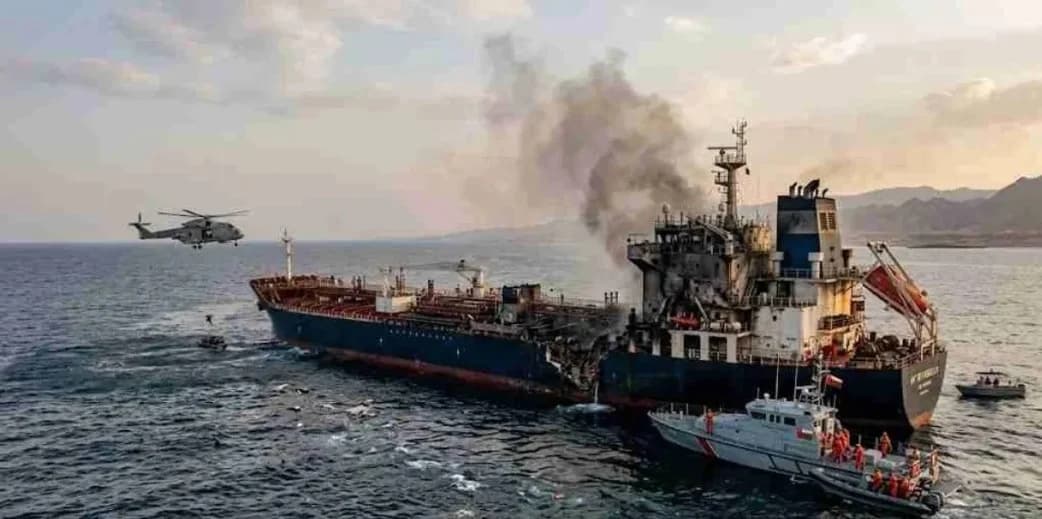
  • Incident Overview: A tanker off the northern coast of Qatar reported being hit by multiple projectiles, leading to unspecified casualties. The attack occurred approximately 51 nautical miles (94 kilometers) from Qatar’s coast, 500 kilometers (300 miles) from the strategic Strait of Hormuz.

  • Geopolitical Context:

    • The Gulf region remains volatile due to a series of conflicts stemming from U.S. and Israeli military strikes against Iran that began in late February 2026.
    • Iran has reportedly blockaded the Strait of Hormuz and fired upon vessels it considers to be making unauthorized crossings. In retaliation, the United States has established its own counterblockade on Iranian ports and has engaged in military actions against ships purportedly connected to Tehran.
  • Strategic Importance of Strait of Hormuz: The Strait is crucial for global oil and gas transport, with approximately 20% of the world’s oil and liquefied natural gas passage occurring through it prior to the current conflict.

  • International Response: Diplomatic efforts to resolve the war have become stagnant, highlighting the ongoing regional tensions and complexities in international relations concerning resource security and military engagements.

  • U.S. Military Operations: Following retaliatory actions, including bombings of Iranian targets, U.S. efforts continue to focus on the protection of commercial shipping routes, particularly those near the coast of Oman.

  • Current Maritime Security: Despite ongoing skirmishes and threats, some vessels continue to transit through the Strait of Hormuz, albeit under the watchful eye of U.S. military operations aimed at ensuring safety in shipping lanes.

  • Casualties and Investigations: The UK Maritime Trade Operations (UKMTO) agency is investigating the circumstances surrounding the recent attack, although details about the casualties remain unspecified.

  • Broader Implications: The ongoing conflict and maritime incidents in the Gulf not only have significant implications for regional stability but also for the global economy due to the strategic nature of oil and gas transportation through this route.

  • This summary encapsulates critical aspects of the maritime incident and its implications amid the ongoing geopolitical crisis in West Asia.