iAspirants
HomeAbout UsCurrent AffairsPrelims PYQsPricing
iAspirants
HomeAboutBlogsFAQsPricingLogin
Privacy PolicyTerms & ConditionsReturn PolicyContact Us

© 2025 iAspirants, Inc. All rights reserved.

  1. Blogs
  2. National and International Importance

Indigenous Rights and Mining Controversy

Published on: 14-Aug-2026

Share this post

Indigenous Rights and Mining Controversy

Article Summary

Exam-Focused Notes on the Proposed Cement Plant and Limestone Mining Project in Meghalaya

  1. Project Overview:

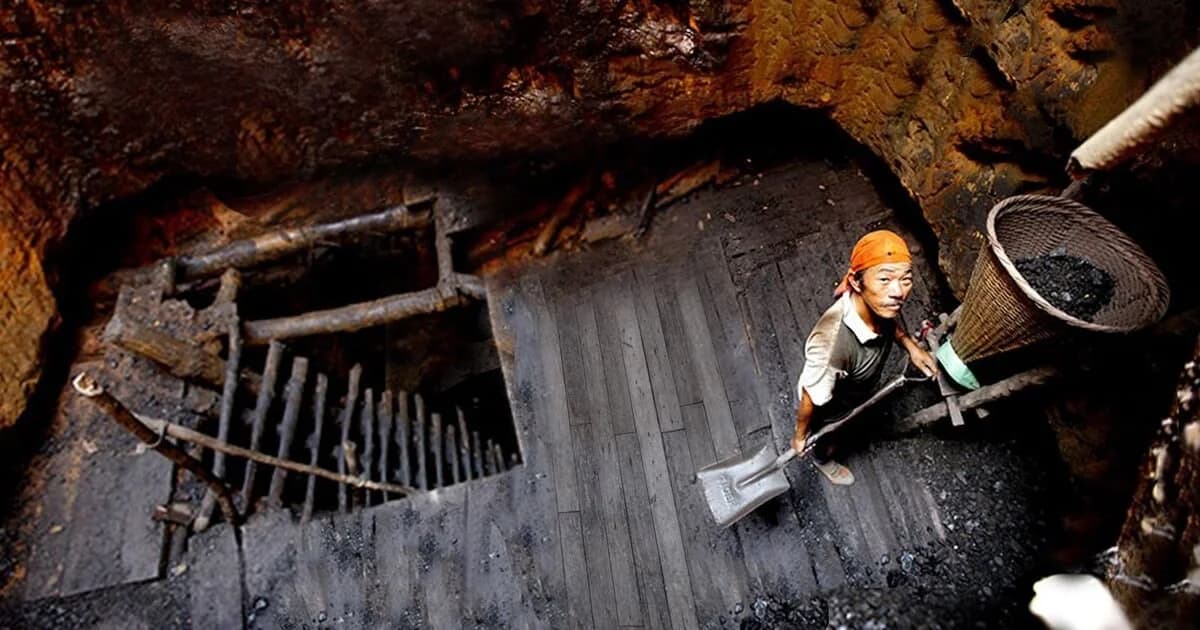
    • Integrated cement plant and limestone mining project proposed by Shree Cement Limited.
    • Project cost: ₹1,800 crore.
    • Location: Lum Syrman area, East Jaintia Hills district, Meghalaya.
    • Area involved: 217.394 hectares.
  2. Stakeholder Concerns:

    • Opposition from local stakeholders has led to the cancellation of public hearings since May.
    • The Jaiñtia National Council (JNC) has demanded government intervention to ensure the protection of landowners' and farmers' rights.
  3. Rights and Legal Context:

    • The JNC emphasizes the need to protect customary, possession, cultivation, and user rights of landowners from Sutnga and Nongkhlieh Elakas (traditional administrative units).
    • The organization argues that land issues should not be treated merely as environmental or industrial clearance matters but must consider local community rights.
  4. Government Accountability:

    • A 10-day deadline set by the JNC for the Meghalaya government to address their demands.
    • Calls for a transparent verification process of revenue, registration, and customary rights before proceeding with the project.
    • The JNC asserts that livelihoods of farmers must not be overlooked in favor of mineral development.
  5. Compensation and Rights:

    • The JNC demands fair and lawful compensation for any loss resulting from the project, contingent on the identification of legal and customary rights.
    • Concerns raised about the state government allegedly favoring cement companies, including blocking local residents from participating in public hearings.
  6. Constitutional and Legal Framework:

    • Relevant constitutional articles that could be referenced include:
      • Article 21: Right to life and personal liberty, which can be interpreted to include the right to livelihood.
      • Article 39 (a): Directive Principle of State Policy advocating for the right to an adequate means of livelihood for all citizens.
    • Traditional rights and local governance structures recognized under various state laws and customs.
  7. Judicial Precedents:

    • The Supreme Court and High Courts in India have previously ruled on matters concerning land acquisition, local community rights, and the need for environmental clearances, emphasizing the importance of stakeholder participation in projects affecting local communities.
  8. Environmental and Economic Implications:

    • The project has raised environmental concerns which necessitate a thorough environmental impact assessment (EIA) before any approvals.
    • Economic benefits from the project must be weighed against potential social and environmental costs.
  9. Conclusion:

    • The JNC’s stance reflects a broader issue of balancing development with community rights and environmental sustainability.
    • The outcome of this situation may set a precedent for future projects in similar contexts across India, highlighting the need for transparent governance and accountability in resource management.

This summary encapsulates the critical aspects of the proposed project, stakeholder concerns, constitutional references, and the need for fair compensation and rights protection for local communities.

Key Terms & Concepts

Meghalaya governmentResponsible for landowner rights
₹1,800-crore projectValue of cement plant project
Shree Cement LimitedCompany proposing mining project
Jaiñtia National Council (JNC)Advocating for landowners' rights
217.394-hectareArea of proposed mining project
Lum SyrmanLocation of mining project
July 31Date of public hearing
Sutnga and Nongkhlieh ElakasTraditional administrative units
customary, possession, cultivation rightsRights of local landowners

Mind Map for UPSC Civil Services Revision

Turn UPSC Civil Services Current Affairs Into Exam-Ready Notes

Reading National and International Importance current affairs is half the work. Revise them with ready-made notes and test what actually stuck.

  • Daily UPSC Civil Services current affairs analysis
  • Revision notes, mind maps & MCQs
  • Prelims mock tests with instant results

Related UPSC Civil Services Current Affairs Articles

Preservation of Ancient Monuments in India
National and International Importance13-Aug-2026

Preservation of Ancient Monuments in India

Summary of Article on Protection of Ancient Monuments in India

Overview of Ancient Monuments:

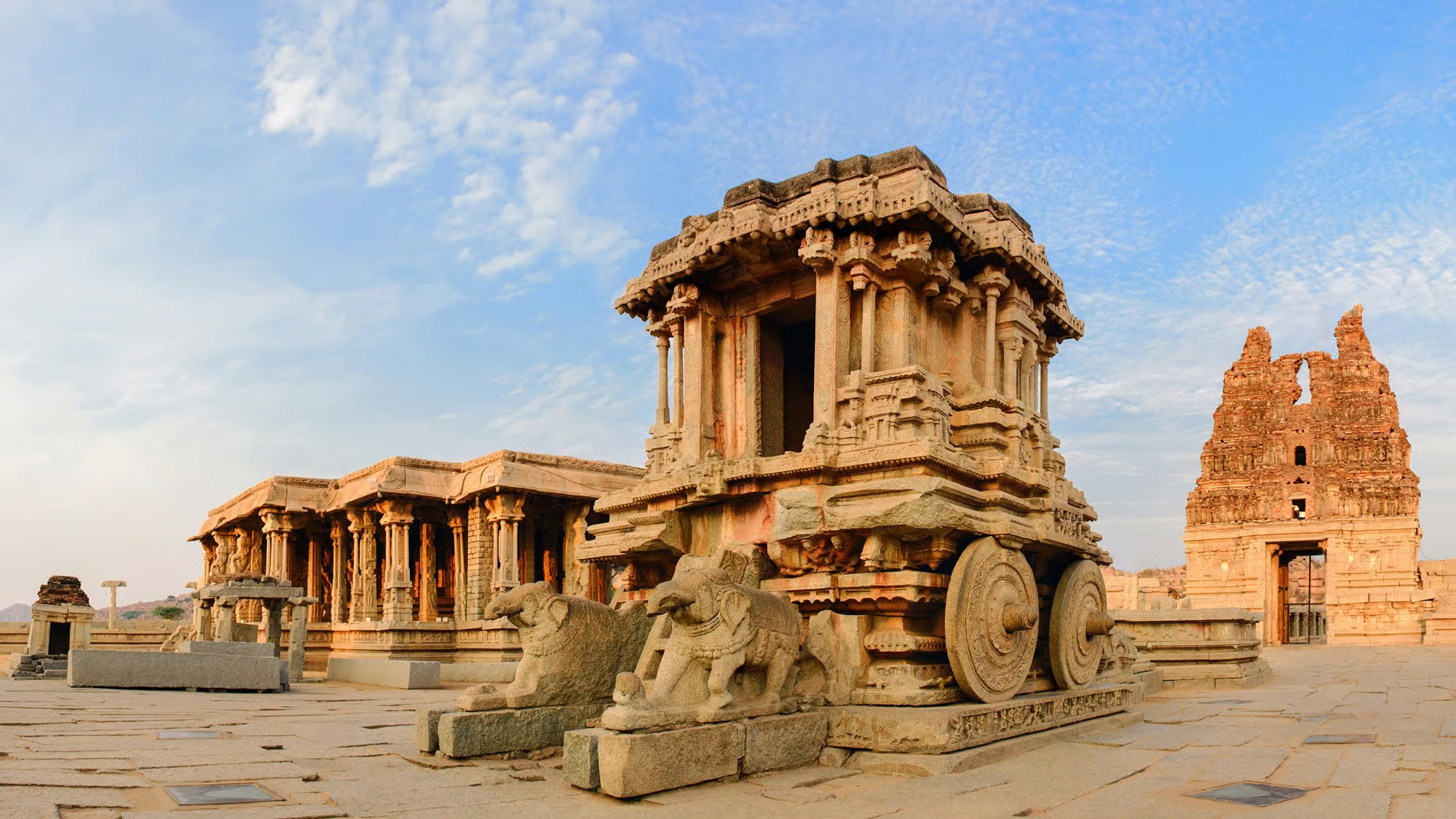
  • India has 3,688 declared ancient monuments and archaeological sites of national importance.
  • Reports indicate of these sites are facing encroachments.
414

Legal Framework:

  • The protection of these monuments is governed by the Ancient Monuments and Archaeological Sites and Remains Act, 1958 (AMASR Act, 1958).
  • Under this Act, acquisition or ownership of the land on which a monument is located is not mandatory for its protection.

Responsibilities of ASI:

  • The Archaeological Survey of India (ASI) is tasked with the protection and maintenance of monuments as per the provisions of the AMASR Act, 1958, and its rules established in 1959.
  • The ASI takes appropriate action against encroachments or unauthorized activities per the relevant provisions of the AMASR Act.

Survey and Digitization:

  • A joint survey is conducted with local revenue officials to determine the boundaries of protected monuments and sites, ensuring their protection.
  • The ASI has completed the survey, georeferencing, and digitization of these protected sites, and the data has been uploaded to the Bhuvan Portal.
  • Where necessary, this data is integrated with state land records in coordination with state governments and revenue officials.

State-wise Encroachment Data:

  • A detailed annexure lists the number of encroached monuments by state/UT:
    • Andhra Pradesh: 1
    • Arunachal Pradesh: 1
    • Assam: 12
    • Bihar: 13
    • Chhattisgarh: 12
    • Daman and Diu (UT): 1
    • Goa: 1
    • Gujarat: 11
    • Haryana: 6
    • Himachal Pradesh: 3
    • Jammu and Kashmir (UT): 12
    • Karnataka: 60
    • Madhya Pradesh: 3
    • Maharashtra: 49
    • National Capital Delhi (UT): 14
    • Odisha: 13
    • Punjab: 3
    • Rajasthan: 30
    • Sikkim: 1
    • Telangana: 3
    • Tamil Nadu: 72
    • Tripura: 1
    • Uttar Pradesh: 78
    • West Bengal: 15
  • Total: 414 encroached sites.

Key Takeaways:

  • The protection of ancient monuments in India is a significant legal and cultural responsibility, guided by the AMASR Act of 1958.
  • ASI plays a pivotal role in safeguarding these sites, and ongoing efforts include digitization and collaboration with state authorities to mitigate encroachments.
  • The data on encroachments is critical for assessing the effectiveness of current protective measures and informing future actions.
Air India Flight Incident Investigation
National and International Importance11-Aug-2026

Air India Flight Incident Investigation

Incident Overview: Air India Flight AI 2379 (Phuket to Delhi)

  • Date of Incident: 04 August 2026
  • Aircraft Type: Airbus A320
  • Registration Number: VT-EXO
  • Flight Details: Scheduled flight AI 2379 from Phuket to Delhi.

Incident Description:

  • During cruise altitude, the aircraft experienced a sudden altitude change of approximately 300 feet.
  • The aircraft stabilized and landed safely in Delhi.
  • Casualties:
    • 20 passengers and 4 cabin crew members reported injuries.
    • Total on board: 137 passengers (including 3 infants), 2 pilots, and 6 cabin crew members.

Investigation Initiation:

  • The Directorate General of Civil Aviation (DGCA) has been informed, leading to the commencement of an investigation by the Aircraft Accident Investigation Bureau (AAIB).
  • The investigation follows applicable provisions and protocols set by the International Civil Aviation Organization (ICAO).

International Cooperation:

  • In accordance with ICAO protocols, the investigation will involve collaboration with relevant countries’ investigation authorities and Airbus technical representatives.
  • The Bureau d'Enquêtes et d'Analyses pour la sécurité de l'aviation civile (BEA), France, is also participating in the investigation.

Investigation Focus:

  • The AAIB is systematically collecting, preserving, and analyzing all relevant technical, operational, medical, and human factor evidence.
  • This includes:
    • Examination of the aircraft and its systems.
    • Review of recorded flight data and relevant operational and maintenance records.
    • Collection of medical information and interviews with involved personnel.

Objective of the Investigation:

  • The primary aim is to determine the circumstances and contributing factors of the incident.
  • Identify appropriate safety measures to prevent recurrence.

Investigation Principles:

  • The investigation is independent, evidence-based, and comprehensive.
  • Conclusions will not be drawn from isolated information during the ongoing investigation.
  • Collected records, statements, and medical information will be preserved and kept confidential in accordance with the investigation framework.

Public Communication:

  • AAIB urges all parties, including media and the public, to respect the investigation process and refrain from drawing conclusions based on incomplete or unverified information.
  • A commitment to a thorough, transparent, and professional investigation is emphasized, with the ultimate goal of ensuring aviation safety.

Conclusion:

  • The AAIB will release initial findings within the established timeframe as per applicable provisions and ICAO protocols, ensuring that all significant facts and relevant evidence are considered in the investigation. Further details will be disclosed at appropriate stages of the investigation.
Exhibition Highlights India's Freedom Struggle
National and International Importance11-Aug-2026

Exhibition Highlights India's Freedom Struggle

Summary Notes on Bengaluru '47 Exhibition and Historical Context

Historical Significance

  • Swaraj Flag (1931): Adopted by Indian freedom fighters; featured the charkha.
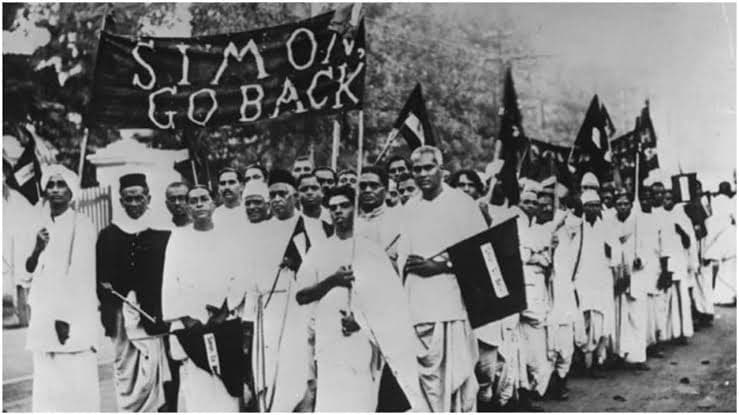
  • Defiance Against Colonial Government: The flag’s carrying and hoisting was banned by British authorities, leading to widespread protest actions.

Key Figures in the Freedom Movement

  • N.V. Krishnamachari: Prominent in protests during the freedom movement; known for hoisting the banned flag despite police violence.
  • S.K. Kareem Khan: Freedom fighter and folklorist; documented experiences from the movement, including the assassination of Mahatma Gandhi.

Exhibitions and Events

  • Event: "Bengaluru ‘47: Forgotten Stories of Freedom"
    • Dates: August 14-23
    • Location: RBANM’s High School, Bengaluru
    • Organizers: INTACH Bengaluru Chapter, RBANM’s Educational Charities, #ReclaimConstitution, and 1Shanthiroad.
  • Displayed Artefacts:
    • Bloodstained flag of Krishnamachari
    • Autobiographical note of S.K. Kareem Khan
    • A Tamra Patra (copper plate) and charkhas by Krishnamachari.
  • Community Engagement Activities

    • Workshops, storytelling sessions, and talks to create awareness about freedom struggle contributions by ordinary citizens:
      • Spinning Workshop: August 16
      • Talk by Historian Ramachandra Guha: August 19
      • Evening with T.M. Krishna: August 22
    • Midnight Flag Hoisting Tradition:
      • Revival of the tradition from 1947; showcasing collective efforts by artists and community members.

    Societal Impact

    • Youth Engagement: Focus on challenging casteist narratives post-Independence through social movements.
    • Quote from Autobiographical Notes: Reference to activities that involved engagement across various castes and communities, promoting unity.

    Constitutional and Policy References

    • Constitutional Context: Mention of communal harmony and secular principles as part of the Congress Seva Dal's revival efforts post-Independence.
    • Highlight on the inclusion of all caste groups in public spaces, promoting a sense of collective resistance.

    Economic and Social Indicators

    • Engagement of Ordinary Citizens: The exhibition portrays active participation from citizens of Bengaluru in various forms such as protests, purchasing khadi, and propagating freedom messages via pamphlets.

    Conclusion

    This exhibition serves not only as a commemorative effort but also as an educational platform highlighting the grassroots movements within Bengaluru's freedom struggle. It emphasizes unity in diversity and the historical importance of local narratives in shaping national identity.