iAspirants
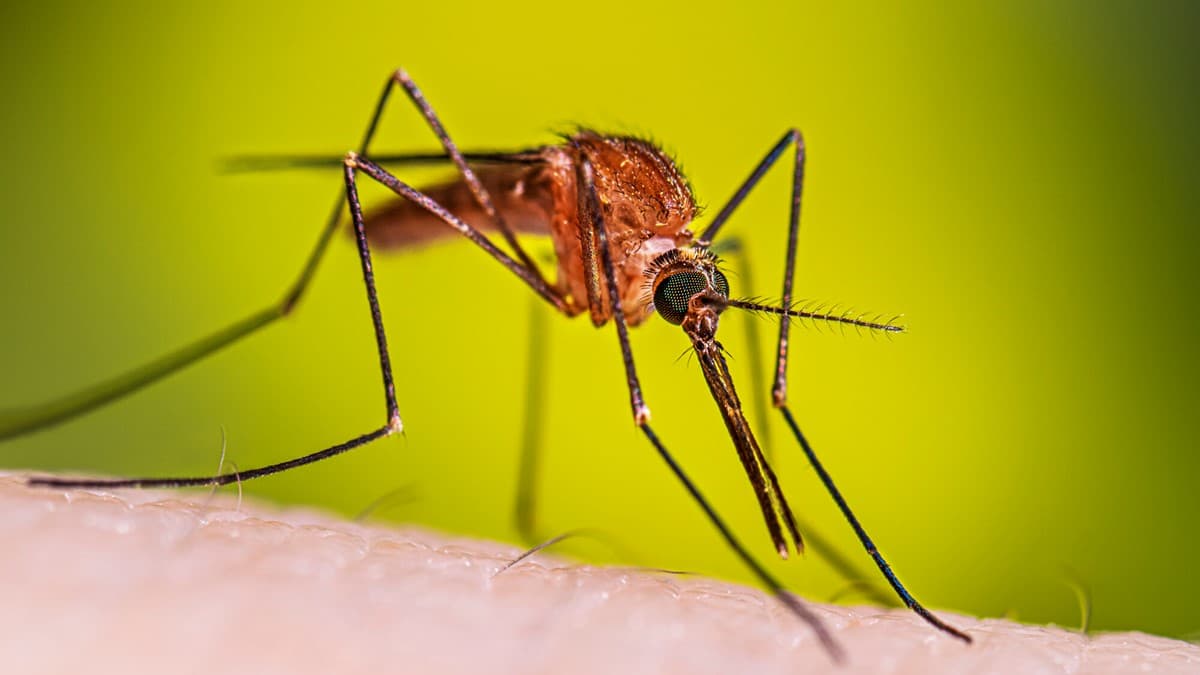
India's Progress Towards Malaria Elimination
Published on:
Share this post
Article Summary
Key Points on India's Malaria Elimination Progress
Objective and Target:
- India aims to achieve malaria elimination by 2030 as part of the Sustainable Development Goals (SDG).
- A high-level review meeting was conducted by the Ministry of Health and Family Welfare to assess progress towards this goal.
Progress and Statistics:
- Between 2015 and 2025, malaria cases and deaths in India reduced by approximately 80%.
- The number of high-burden districts decreased from 155 to 33.
- From 2022 to 2025, 160 districts reported zero local malaria cases, indicating successful disease control efforts.
Focus Areas in Review:
- The review concentrated on 33 highly affected districts across nine states and Union Territories, which accounted for 64% of total malaria cases and 54% of deaths recorded in 2025.
- States included: Mizoram, Odisha, Tripura, Assam, Andhra Pradesh, Andaman and Nicobar Islands, Chhattisgarh, Jharkhand, and Maharashtra.
Strategic Recommendations:
- Emphasis on maintaining high vigilance and adopting focused, region-specific strategies for effective malaria prevention and elimination.
- Importance of district and village action plans tailored to local epidemiology and geography.
- Strengthening the strategy of 'Testing, Treatment, and Surveillance' to ensure early diagnosis and comprehensive treatment.
Challenges Identified:
- Delays in diagnosis and treatment identified as primary causes of malaria-related deaths.
- Recommendations for states to enhance active surveillance and ensure the availability of diagnostic kits and anti-malarial drugs, especially in remote and vulnerable areas.
Data Management:
- Need for improved monitoring systems and data quality.
- States advised to review annual blood examination rates (ABER) to identify duplicates and asymptomatic cases accurately.
Inter-sectoral Coordination:
- Emphasis on the importance of collaboration between various sectors to combat malaria effectively.
- Addressing environmental factors such as water stagnation and mosquito breeding sites is crucial.
Community Participation:
- Encouragement for greater involvement of self-help groups, community volunteers, and local representatives in malaria control activities, including rapid reporting of fever cases and identification of mosquito breeding sites.
Key Officials Involved:
- The meeting included senior officials from the Ministry of Health, including Joint Secretary Prabhakar, Joint Secretary (VBD) Nikhil Gajraj, Director of NCVBDC Dr. Tanu Jain, and other relevant stakeholders.
Conclusion
India's commitment to malaria elimination by 2030 hinges on focused strategies, inter-sectoral coordination, and community engagement, alongside a strong emphasis on surveillance and data management.
Key Terms & Concepts
| National Health Mission (NHM) | Oversees malaria elimination efforts |
| 2030 Sustainable Development Goals (SDGs) | Target for malaria-free India |
| 80% | Reduction in malaria cases |
| 155 to 33 | Reduction in high-impact districts |
| 160 districts | Reported zero malaria cases |
| 2022-2025 | Period of zero malaria reports |
| Prabhakar | Joint Secretary, Health Ministry |
| Nikhil Gajraj | Joint Secretary (VBD), Health Ministry |
| Tanu Jain | Director, NCVBDC |
| 33 high-impact districts | Focus of review meeting |
| Active Blood Examination Rate (ABER) | Indicator for malaria testing |