iAspirants
Current AffairsPrelims PYQsUPSC CSE SyllabusUPSC CSE StrategyBlogsPricing
Login
iAspirants

Your AI-powered companion for UPSC preparation.

Quick Links

  • Home
  • About Us
  • Current Affairs
  • Prelims PYQs
  • UPSC CSE Syllabus
  • UPSC CSE Strategy
  • Blogs

Company

  • Pricing
  • FAQs
  • Contact Us
  • Login

Legal

  • Privacy Policy
  • Terms & Conditions
  • Return Policy

© 2025 iAspirants, Inc. All rights reserved.

  1. Blogs
  2. Environment and Ecology

India's Environmental Crisis and Statistics

Published on: 05-Jun-2026

Share this post

India's Environmental Crisis and Statistics

Article Summary

Environmental Crisis in India: Key Facts and Figures

Air Pollution:

  • Rank: India ranks as the sixth most polluted country globally.
  • PM2.5 Levels: National average of PM2.5 is 48.9 µg/m³, almost 10 times the WHO's safe limit.
  • Cities: Thirteen of the 20 most polluted cities are in India, with Delhi as the most polluted capital.
  • Health Impact: PM2.5 pollution caused over 1.7 million deaths in 2022, a 38% increase since 2010, leading to an economic cost of $339.4 billion, equating to 9.5% of GDP.
  • Air Quality Life Index: Poor air quality reduces average Indian life expectancy by 3.5 years, and 8.2 years in Delhi.

Government Initiatives:

  • National Clean Air Programme (NCAP): Launched in 2019 with a goal to reduce PM pollution by 40% by 2025-26.
    • Progress: Only 23 out of 131 targeted cities met the goals. Many cities (190 of 229) violated safe air quality standards.
    • Delhi's Utilization: By May 2026, only 25% of its ₹81.36 crore allocation was used.

Fund Allocation:

  • Pollutant Focus: 68% of NCAP spending targeted road dust, while critical sectors like transport (14%), waste management (12%), and industries (less than 1%) were neglected.
  • Infrastructure: Shortage of 465 manual monitoring stations across the country.

Water Crisis:

  • Water Stress: Approximately 600 million Indians face extreme water stress, with only 4% of the global freshwater supporting 18% of the population.
  • Groundwater Extraction: India is the largest global groundwater extractor, withdrawing 247.22 billion cubic meters annually. In Punjab, extraction exceeds annual recharge at 156.36%.
  • River Basins: 11 of 15 major river basins are severely stressed, with 13 major reservoirs below half capacity.

Agricultural Practices:

  • MSP Impact: The Minimum Support Price (MSP) encourages cultivation of water-intensive crops like paddy, further depleting aquifers.
  • Water Usage: 5,000 liters of water are required to produce 1 kg of rice in Punjab and Haryana.

Climate Challenges:

  • Weather Patterns: Increasingly extreme heatwaves and disrupted monsoon patterns affecting agriculture.

Plastic Waste:

  • Generation: India generates nearly 9.3 million tonnes of plastic waste per year, with per capita generation tripling since 2016.
  • Open Burning: 5.8 million tonnes of plastic waste burned openly, contributing to pollution.

Policy Recommendations:

  • Fund Management: Establish ring-fenced funds with penalties for non-utilization.
  • Focus on Combustion: Set pollution control targets on combustion rather than just dust.
  • Agricultural Reform: Encourage diversification in crop production to protect water resources.

Constitutional and Legal Framework:

  • Environmental Duties: Under Article 48A and Article 51A(g) of the Constitution of India, the state is tasked with protecting and improving the environment and safeguarding forests and wildlife.
  • Environmental Impact Assessment: Calls for improved EIA processes to assess harmful projects such as coal mining.

Conclusion:

Despite possessing the data and financial resources for resolution, India faces a significant environmental challenge requiring substantial political will and community involvement to address effectively. Sustainability initiatives must be unglamorous yet impactful, transitioning from awareness to action.

Key Terms & Concepts

PM2.5 averageAir quality standard measurement
1.7 millionDeaths due to particulate pollution
$339.4 billionEconomic cost of pollution
2019 National Clean Air Programme (NCAP)Air pollution control program
40%Pollution reduction target by 2025-26
23 of 131Cities meeting pollution targets
₹81.36 croreDelhi's pollution funding
465 manual monitoring stationsShortfall in air quality monitoring
600 millionPeople facing water stress
4%India's freshwater availability
247.22 billion cubic metresGroundwater extraction annually
9.3 million tonnesAnnual plastic waste generation

Mind Map for UPSC Civil Services Revision

Turn UPSC Civil Services Current Affairs Into Exam-Ready Notes

Reading Environment and Ecology current affairs is half the work. Revise them with ready-made notes and test what actually stuck.

  • Daily UPSC Civil Services current affairs analysis
  • Revision notes, mind maps & MCQs
  • Prelims mock tests with instant results

Related UPSC Civil Services Current Affairs Articles

Climate Action and Environmental Impact
Environment and Ecology21-Sep-2026

Climate Action and Environmental Impact

Climate Action in India

  • Emission Statistics: India has lower per-capita emissions but faces challenges with rising energy demand due to urbanization and industrial growth.
  • Renewable Capacity: Significant progress has been made in renewable energy capacity.
  • : The need for a credible transition strategy that includes:
MSP (Minimum Support Price)
Incentives impact on agriculture
Yamuna riverSource of Delhi's water
5,000 litresWater consumption per kg of rice
Transition Strategy
  • Investment in green public transport.
  • Development of energy-efficient buildings.
  • Improvement of storage technologies.
  • Promotion of decentralized renewable power.
  • International Cooperation: Developed nations need to provide predictable climate finance and access to technology.
  • Practical Approach: A combination of equity, accountability, and measurable targets is vital in addressing climate responsibility, focusing beyond just current averages.
  • Environmental Concerns

    • Idol Immersion Pollution:
      • Concern over the environmental impact of idol immersions in water bodies such as those in Bengaluru.
      • Idols made from Plaster of Paris and coated with synthetic paints are releasing heavy metals like lead and mercury, harming aquatic ecosystems and human health through bioaccumulation.
    • Local Solutions: Advocacy for the use of natural clay idols and non-toxic colors to minimize environmental damage.
    • Government Action: Call for a complete ban on chemical paints and non-biodegradable materials used in religious celebrations to protect shrinking lakes and water bodies.

    National and International Sporting Performance

    • Asian Games vs. Olympics:
      • Critical observation regarding India's 'bloated' medal tally at the Asian Games not accurately reflecting performance at the Olympic level.
      • Emphasis on the need to measure sporting success against global standards rather than regional dominance, indicating ongoing gaps in global competitiveness for Indian athletes.

    Key Takeaways

    • Environmental Policies: Recommendations for policy shifts towards sustainable practices in cultural traditions to protect the environment.
    • Sporting Framework: Need for a realistic assessment of India's sports programs to align targets with international competitiveness.
    • Investment in Climate Action: Highlight the requirement for significant investment in infrastructure and technology to address climate change effectively.

    This summary encapsulates essential data, statistics, and observations relevant to climate action, environmental issues, and sports performance in India for an academic or examination context.

    Indian International Water Week 2026
    Environment and Ecology20-Sep-2026

    Indian International Water Week 2026

    Exam-Focused Notes on the 9th Indian International Water Week (IIWW) 2026

    Event Overview:

    • Inauguration: The event will be inaugurated by Vice President C.P. Radhakrishnan on 22nd September 2026 in New Delhi.
    • Duration: The five-day event will run from 22nd to 26th September 2026.
    • Theme: Focused on "Climate-Resilient Water Management".

    Key Participants:

    • International Collaboration:
      • Partner countries: Netherlands and Germany.
      • Involvement of global water leaders, policymakers, researchers, and industry representatives.
    • National Participation:
      • 14 states and 6 central ministries will participate, enhancing center-state cooperation on climate-resilient water management.

    Objectives:

    • Provide a multi-disciplinary platform for dialogue and knowledge exchange.
    • Address emerging water challenges and promote a water-secure, climate-resilient future.

    Major Sessions and Discussions:

    • Key Platforms:
      • Ministerial plenary sessions, global water leaders' sessions, country forums, and thematic platforms.
    • Focus Areas:
      • Inclusive and equitable water rights.
      • Optimal utilization of water resources.
      • Technology and community for water security.
      • Innovative financing models for water infrastructure.
      • Sustainable water resource management.

    International Exhibition and Conference:

    • International Exhibition:
      • Scheduled from 22nd to 25th September to showcase sustainable and climate-resilient water management technologies and solutions.
    • 2nd International WASH Conference:
      • Organized by the Department of Drinking Water and Sanitation from 22nd to 24th September, focusing on access to potable water, sanitation infrastructure, and public health.

    Expected Outcomes:

    • Transform knowledge and dialogue into actionable recommendations and partnerships.
    • Emphasize policy, financing, technology, and community participation to enhance water security and climate resilience.

    Conclusion:

    • The IIWW 2026 aims to strengthen international cooperation and showcase innovations in the water sector, positioning itself as a crucial platform for addressing climate change-related water issues.

    Relevant Constitutional Articles and Policies:

    • Constitutional Reference: Article 21 (Right to Life and Personal Liberty) implies the right to access clean water.
    • Government Schemes: Initiatives related to water management and climate resilience are expected to be discussed.

    Economic Indicators:

    • This event may also influence economic strategies related to sustainable water management, affecting investments in the water sector.

    International Agreements:

    • The event will foster international cooperation, potentially leading to agreements or partnerships in water management strategies.

    Science & Technology Updates:

    • Focus on innovative technologies for sustainable water management during the exhibition and discussions.

    This structured outline provides a clear understanding of the upcoming event's significance, participants, objectives, and expected outcomes, making it suitable for exam preparation or academic reference.

    International Conference on Climate Change
    Environment and Ecology20-Sep-2026

    International Conference on Climate Change

    Exam-Focused Notes on International Conference on "Future of Environment and Climate Change"

    Key Highlights:

    1. Event Overview:

      • Date: September 20, 2026
      • Location: New Delhi
      • Organizer: National Green Tribunal (NGT)
    2. Presidential Address:

      • President Droupadi Murmu emphasized the need for community-based and traditional knowledge-driven adaptation methods to combat climate change.
    3. Impact of Climate Change:

      • Climate change leads to significant imbalances affecting human existence.
      • Associated issues include biodiversity loss, water crises, and soil erosion.
      • Serious implications on food security, health, and livelihoods.
    4. Policy Framework:

      • A structured framework is essential for effective policy and action against climate change.
    India's Deep Ocean Exploration Challenges
    Environment and Ecology19-Sep-2026

    India's Deep Ocean Exploration Challenges

    Summary of Deep Ocean Exploration and Mining in India

    Current Status of Deep-Sea Exploration

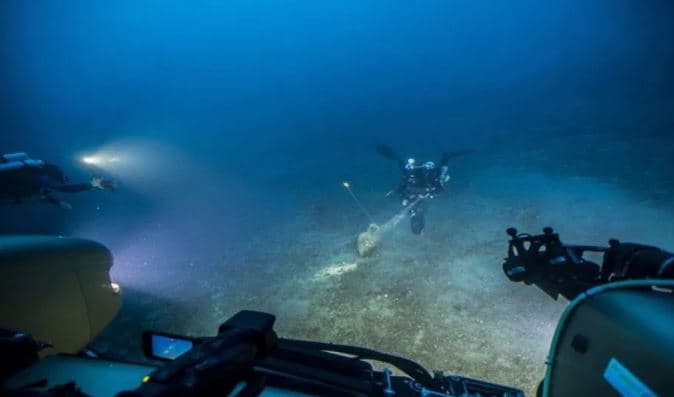
    • International Seabed Authority (ISA) Contracts: India holds three contracts covering approximately 95,000 square kilometers in the Central Indian Ocean Basin, Central Indian Ridge, and Carlsberg Ridge.
    • Estimated Resources: Identified 366 million tonnes of polymetallic nodules containing nickel, copper, cobalt, and manganese.

    Technological Advancements

    • Deep Ocean Mission: Focused on developing technologies such as:
      • Underwater robotics.
      • MATSYA-6000 human submersible.
      • Deep-sea mining machines tested at depths of 5,270 meters by the National Institute of Ocean Technology.
    • Biodiversity Surveys: Explored 19 seamounts, identifying around 1,300 deep-sea organisms, including 23 new species.

    Environmental Considerations

    • Ecological Impact: The deep ocean is a complex ecosystem that is poorly understood. Large-scale seabed disturbance may have unpredictable consequences.
    • Need for Responsible Exploration: Exploration can advance scientific knowledge without committing to commercial mining. Decisions on mining should incorporate high ecological thresholds.

    Sustainable Development Principles

    • Socio-Ecological Dilemma: Should India prioritize the extraction of deep-sea minerals for energy, electric mobility, and advanced manufacturing, or should it preserve these ecosystems?
    • Mission LiFE: Aligns with principles of reducing resource consumption, recycling, and shifting towards a circular economy.
    • Enhanced Scientific Responsibility: The principle of "Do we need to mine at all?" should govern future mining decisions instead of minimization of damage in extraction efforts.

    Global Environmental Initiatives

    • Emphasis on understanding the value of the ocean as an ecological asset beyond mineral wealth.
    • Alignment with global environmental paradigms:
      • Nature-based Solutions: Strategies that leverage natural processes.
      • Sustainable Development Goals (SDGs): Targeting holistic development while conserving ecosystems.

    Conclusion

    India has the opportunity to lead in deep-sea ecological governance by recognizing the importance of ecological preservation alongside technological advancement. Sustainable development should focus not only on resource extraction but also on the health and integrity of marine ecosystems.

  • Involvement of not just governments and legal experts but also communities affected by climate change is crucial.
  • Special sensitivity towards the needs of vulnerable groups, including rural and tribal societies, small farmers, and women.
  • Role of Traditional Knowledge:

    • Traditional knowledge systems and local practices are critical for enhancing climate resilience.
    • Emphasis on community-based adaptation strategies.
  • Sustainable Forestry:

    • Sustainable afforestation plays a vital role in addressing climate challenges.
    • The goal of sustainable forestry is not just tree planting but also restoring healthy, self-sustaining ecosystems.
  • Climate Action Commitment:

    • Developing countries should chart a path that accommodates development while enhancing resilience to climate change.
    • Climate action commitments must align with national development needs and economic aspirations, ensuring technical feasibility.
  • Youth and Public Engagement:

    • India has made commendable efforts in raising environmental awareness through initiatives like Mission LiFE.
    • Emphasis on community participation to improve ecosystems.
  • Collaboration and Networking:

    • The conference brought together experts, judges, lawyers, and key stakeholders to discuss environmental issues.
    • Aimed at fostering inclusive policies and effective actions against climate change.
  • Future Directions:

    • Discussions and action plans from the conference are expected to pave the way for building a society capable of effectively addressing climate change.
  • Relevant Constitutional and Policy References:

    • Constitutional Provisions:
      • Article 48A: Protection and improvement of environment and safeguarding of forests and wildlife.
      • Article 51A(g): Fundamental duty to protect and improve the natural environment.

    Government Schemes and Initiatives:

    • Mission LiFE: Focuses on public engagement and awareness regarding environmental sustainability.

    Conclusion:

    The conference highlighted the critical need for integrated approaches involving traditional knowledge, community participation, and sustainable practices to combat climate change effectively. It underscored the importance of policies that resonate with the realities of vulnerable populations and promote a collaborative effort towards environmental resilience.