iAspirants
Current AffairsPrelims PYQsUPSC CSE SyllabusUPSC CSE StrategyBlogsPricing
Login
iAspirants

Your AI-powered companion for UPSC preparation.

Quick Links

  • Home
  • About Us
  • Current Affairs
  • Prelims PYQs
  • UPSC CSE Syllabus
  • UPSC CSE Strategy
  • Blogs

Company

  • Pricing
  • FAQs
  • Contact Us
  • Login

Legal

  • Privacy Policy
  • Terms & Conditions
  • Return Policy

© 2025 iAspirants, Inc. All rights reserved.

  1. Blogs
  2. National and International Importance

India to Purchase Javelin Missiles

Published on: 06-Sep-2026

Share this post

India to Purchase Javelin Missiles

Article Summary

Summary of India's Javelin Anti-Tank System Acquisition

International Defense Relations:

  • U.S. Ambassador to India announced India's plan to purchase the Javelin anti-tank missile system on August 28, signaling a significant advancement in the U.S.-India defense relationship.

Javelin System Overview:

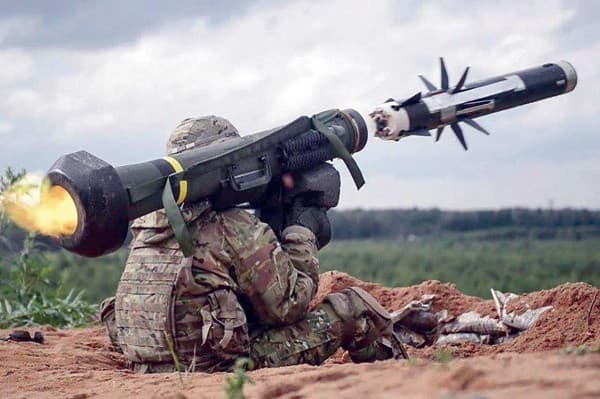
  • Developed by Raytheon and Lockheed Martin, it is a versatile, portable, multi-purpose weapon with a 'fire-and-forget' capability.
  • Operates via a Command Launch Unit (CLU) and missile, featuring day/night sighting systems and an imaging infrared seeker.
  • High operational readiness (99%) and engagement success rates (94%) highlight its reliability, with a service life expected until 2050.

Training and Tactical Applicability:

  • Requires a mere 72 hours of classroom training for soldiers to deploy effectively.
  • Capable of engaging a variety of targets, including tanks (top-attack mode) and fortified positions (direct-attack mode).

Economic Impact:

  • Javelin program supports 63 U.S. suppliers across 18 states and 22 international suppliers.
  • Notable for 5,000 combat firings before its use in Ukraine, enhancing its reputation against armored threats, particularly from Russian technology.

Domestic Production and Technology Transfer:

  • A memorandum outlines co-production plans between Javelin Joint Venture (JJV) and Tata Advanced Systems Ltd (TASL).
  • Key components to be produced in the U.S. at Lockheed Martin (sub-assembly kits) and Raytheon (guidance electronics), with TASL handling final assembly in India.

Challenges in Defense Production:

  • India has taken over 15 years to navigate technology transfer issues with the U.S. for indigenous military production.
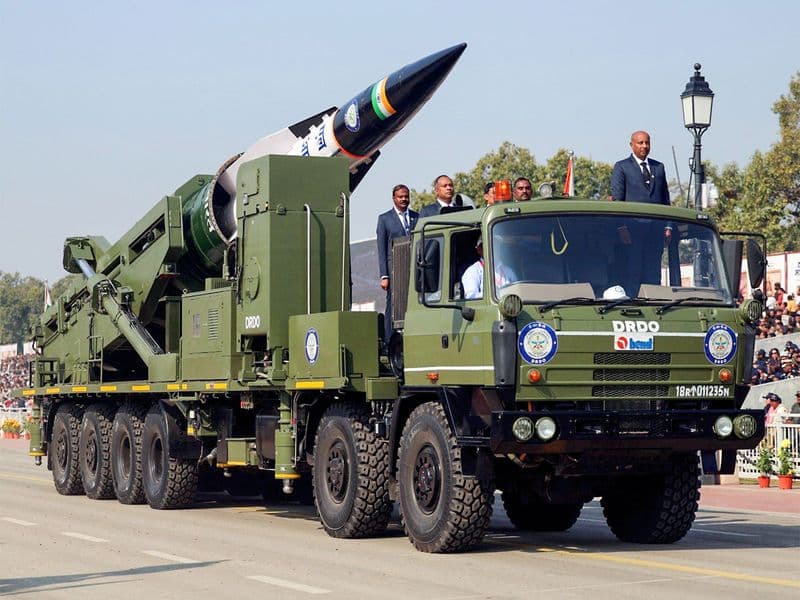
  • The country has historically relied on various anti-tank missiles, including limited Israeli Spike systems and its own DRDO-developed 'Third Generation' missiles.

Judicial and Policy Context:

  • The announcement reflects India's ongoing efforts to modernize its defense capabilities amid regional security challenges.
  • Highlights the necessity for pragmatic responses to military needs versus the aspiration for full self-reliance in defense production.

Key Takeaways:

  • This acquisition symbolizes a growing strategic partnership between India and the U.S. in defense.
  • Javelin's integration into the Indian military illustrates both the challenges of self-reliance and the current defense needs.
  • The complexities of defense procurement and technology transfer underline broader trends in geopolitical and military collaborations.

Key Terms & Concepts

Javelin anti-tank guided missileWeapon system for defense
RaytheonManufacturer of Javelin
Lockheed MartinManufacturer of Javelin
August 2026Announcement date for purchase
Tata Advanced Systems Ltd (TASL)Co-producer of Javelins in India
99%Operational readiness rate
94%Engagement success rate
2050Projected operational lifespan
15 yearsTime taken for technology transfer
Third Generation Fire and Forget Man Portable ATGMIndigenous missile program
UkraineConflict showcasing Javelin use
5,000Number of combat firings

Mind Map for UPSC Civil Services Revision

Turn UPSC Civil Services Current Affairs Into Exam-Ready Notes

Reading National and International Importance current affairs is half the work. Revise them with ready-made notes and test what actually stuck.

  • Daily UPSC Civil Services current affairs analysis
  • Revision notes, mind maps & MCQs
  • Prelims mock tests with instant results

Related UPSC Civil Services Current Affairs Articles

India's Commitment to Drug-Free Future
National and International Importance06-Sep-2026

India's Commitment to Drug-Free Future

Key Highlights on Narcotics Control in India

Government Initiatives and Roadmap:

  • Narcotics Control Roadmap (2026-2029): Launched under the vision of a 'Drug-Free India' by 2029, focusing on four pillars:
    1. Intelligence and Operation-Based Enforcement
  • Control of Precursors and Synthetic Drugs
  • Demand and Harm Reduction
  • Capacity Building and Coordination
  • Narcotics Control Bureau (NCB) Reorganization: Establishment of a national database for narcotics offenders through the NIDAAN portal.
  • Statistics on Drug Seizures:

    • 2004-2014: ₹40,000 crore worth of 26 lakh kg drugs seized.
    • 2014-2026: Seizures increased to over ₹1,89,000 crore with 1 crore 19 lakh kg drugs confiscated.
    • Drug Destruction: 3,36,000 kg destroyed (2004-2014) vs. 48,68,000 kg destroyed (2014-2026).

    Judicial and Law Enforcement Measures:

    • Red Corner Notices: 401 issued in the last three years; 182 in 2026 alone.
    • Fugitive Extraditions: 274 fugitives extradited from 36 countries since 2019, involved in severe crimes including narcotics.
    • New Criminal Laws: Implementation of new criminal laws leading to a conviction rate of 53.2% in Goa, a 30% increase in conviction from previous years.

    Social and Community Engagement:

    • Volunteer Programs: 10,000 volunteers and 5,70,000 citizens rehabilitated under the drug-free initiative.
    • Educational Campaigns: NCC, NSS, and My Bharat programs to create 'Nasha Mukti Mitr' (Drug-Free Friends) among youth.

    International Cooperation:

    • Agreements with 46 Countries: For collaborative efforts in narcotics control and extradition of offenders.

    Future Goals and Commitments:

    • Increase in Treatment Centers: Plans to triple the number of drug rehabilitation centers to 1,751.
    • Anti-Narcotics Task Forces: Establishment of fully equipped task forces in each state by March 2027 with 7% central assistance.
    • Holistic Approach to Drug Control: A quadrangular approach to curb drug trafficking through enhanced monitoring and inter-agency coordination.

    Constitutional and Policy Framework:

    • National Security Priority: Drug control marked as a national security issue by the Modi government.
    • Collaborative Governance: Emphasis on cooperation between various ministries including Home Affairs, Health, Education, and Youth Affairs for a unified approach against drug abuse.

    Technological and Scientific Advances:

    • Cybercrime Monitoring: Establishment of a structured system to combat cybercrimes related to drug trafficking, with 1930 helpline for assistance.
    • Use of Technology: Implementation of technology-based investigations against dark net and encrypted transactions related to narcotics.

    Conclusion: The Indian government is intensifying its fight against narcotics through a comprehensive strategy that combines law enforcement, social rehabilitation, international cooperation, and technological advancements, aiming for a drug-free society by 2029.

    Expedition Planned for Slave Emancipation
    National and International Importance03-Sep-2026

    Expedition Planned for Slave Emancipation

    Summary of Events in Rangoon Regarding Slavery Emancipation

    1. Geographical Context:

      • The Hukawng Valley has recently seen the successful emancipation of slaves.
      • An upcoming expedition is planned for a region referred to as "the triangle," located between the Malikha and Nmaikha rivers, north of their confluence with the Irrawaddy River.
    2. Slavery Context:

      • The triangle area is reported to have a similar system of slavery as that which existed in the Hukawng Valley.
      • This area, while smaller than Hukawng Valley, is noted to be more densely populated, suggesting a higher number of slaves to be liberated.
    3. Key Officials:

      • Mr. J.T.O. Barnard, Deputy Commissioner of Burma’s Frontier Service, is expected to lead the upcoming expedition. He played a pivotal role in the prior emancipation efforts in Hukawng Valley.
    4. Current Status:

      • The information regarding the expedition and further details about the emancipation efforts are yet to be confirmed by official sources.
    5. Historical Significance:

      • The ongoing efforts to abolish slavery in these territories highlight the historical context of slavery in the region and the government’s response to it.

    This summary outlines the key aspects of the slavery emancipation efforts in the Rangoon region, focusing on geographical, social, and administrative details relevant for understanding the historical and contemporary issues surrounding slavery.

    Indian Air Force's Long Range Glide Bomb
    National and International Importance03-Sep-2026

    Indian Air Force's Long Range Glide Bomb

    Summary of Indigenous Precision-Strike Capability Development

    Key Development:

    • The Indian Air Force (IAF) successfully conducted a drop trial of the Long Range Glide Bomb (LRGB), named Khagantak-243.
    • This achievement marks a significant milestone in enhancing India’s indigenous precision-strike capabilities.

    Importance of the Trial:

    • The trial aligns with the government’s vision of Aatmanirbhar Bharat (Self-Reliant India) in the defense sector.
    • The successful deployment of Khagantak-243 is poised to increase the lethality of the IAF's operational capabilities.

    Technical Aspects:

    • Long-range glide bombs are engineered to enable combat aircraft to strike targets from considerable distances, allowing them to stay clear of certain air defense systems.
    • The Khagantak-243 is a product of indigenous design and development, supporting efforts to develop advanced long-range air-to-ground precision weapons.

    Strategic Implications:

    Review of GLOF and Avalanche Preparedness
    National and International Importance03-Sep-2026

    Review of GLOF and Avalanche Preparedness

    Summary of Meeting on GLOF and Avalanche Preparedness in Himalayan Regions

    Date and Participants:

    • A review meeting chaired by the Union Home Secretary, Govind Mohan, took place in New Delhi.
    • Participants included Chief Secretaries from Uttarakhand, Himachal Pradesh, Sikkim, Arunachal Pradesh, Jammu & Kashmir, and representatives from State Disaster Management Authorities, Ministry of Home Affairs (MHA), National Disaster Management Authority (NDMA), Central Water Commission (CWC), India Meteorological Department (IMD), and Defence Geo-Informatics Research Establishment (DGRE).

    Key Focus Areas:

    1. Glacial Lake Outburst Flood (GLOF) and Avalanche Risks:

      • Review of emerging risks related to GLOF in the Himalayan region.
      • Emphasis on monitoring sensitive glacial lakes and snow-covered areas.
    2. Preparedness Strategies:

      • Identification of high-risk areas and potential water flow paths.
      • Timely dissemination of warnings and evacuation preparations.
    Defence PSUs Performance Review Meeting
    National and International Importance02-Sep-2026

    Defence PSUs Performance Review Meeting

    Defence Public Sector Undertakings (PSUs) Review Highlights

    1. Ministerial Review:

      • On September 1, 2026, Union Defence Minister Rajnath Singh conducted a performance review of all 16 defence PSUs.
      • Calls made for reducing import dependence, enhancing R&D capabilities, and ensuring the timely delivery of major projects.
    2. Performance Metrics:

      • Defence PSUs collectively contributed ₹1.29 lakh crore to India's total defence production of ₹1.8 lakh crore during 2025-26.
      • Dividend payout to the government: ₹3,951 crore presented by seven PSUs.
    3. Strategic Objectives:

      • Emphasis on developing a robust indigenous defence industrial base to support the vision of "Aatmanirbhar Bharat" (Self-Reliant India).
      • Urgency for timely delivery, reduction of import reliance, enhanced defence exports, and increased productivity through capital expenditure.
    4. Economic and Innovation Imperative:

      • Defence PSUs urged to convert R&D investments into technological leadership and improve product quality to meet international standards.
      • The importance of assured supply chains and surge production highlighted as national security necessities.
    5. Global Competitiveness:

      • Aiming for a transition where PSUs transform into globally competitive entities under the "Make in India, Make for the World" initiative.
      • Identification of niche technology areas to enhance self-reliance and global leadership potential in defence.
    6. Publications Released:

      • Four publications on themes such as self-reliance, indigenisation, innovation, and future defence capabilities have been launched.
    7. Policies and Governance:

      • Focus on supporting start-ups and micro, small, and medium enterprises (MSMEs) within the defence sector to foster innovation and growth.
      • Encouragement for establishing operational benchmarks that reflect tangible outcomes from R&D activities, such as new technology and intellectual property developments.
    8. Judicial & Constitutional Reference:

      • Not specifically mentioned, but implicitly ties to the constitutional responsibility to ensure national defense (Article 51).

    These notes encapsulate the significant outcomes and strategic direction set by the Defence Minister for PSUs, reflecting India's commitment toward enhanced self-reliance and quality improvements in its defence manufacturing sector.

    Dengue Control Faces Staffing Crisis
    National and International Importance02-Sep-2026

    Dengue Control Faces Staffing Crisis

    Summary of Dengue Control Challenges in Tamil Nadu

    1. Current Situation:

      • Over 40 of the 45 Health Unit Districts (HUDs) in Tamil Nadu have vacant District Entomologist posts.
      • Only 12 out of 60 sanctioned posts for Senior Entomologists are filled, leading to significant gaps in vector-borne disease control.
    2. Role of District Entomologists:

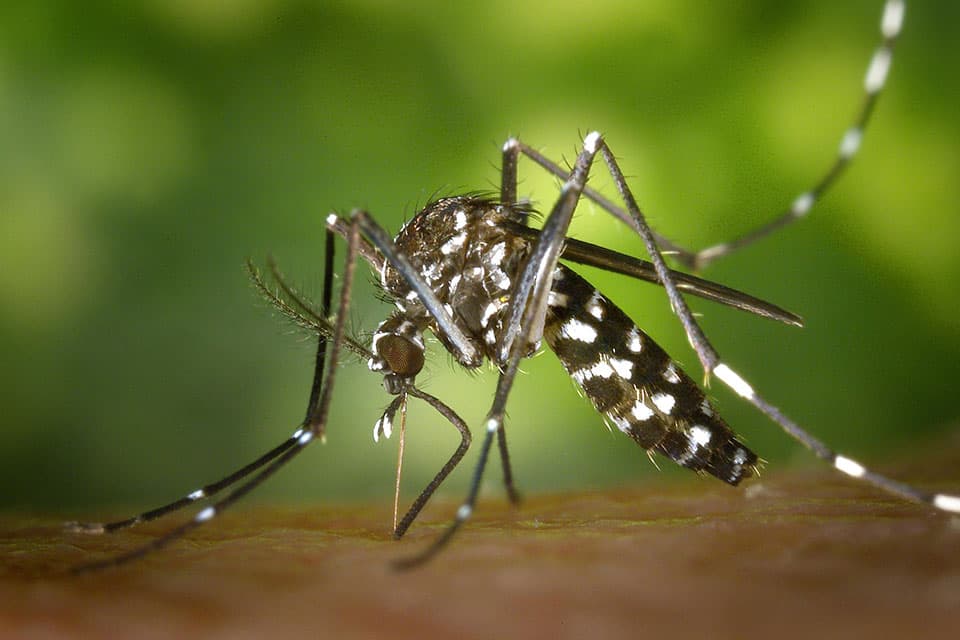
      • Critical for assessing mosquito density, breeding patterns, vector indices, and evaluating control measures.
      • Their absence jeopardizes scientific assessment and effective dengue control, leading to reliance on activity-driven methods rather than evidence-based approaches.
    3. Vacancies and Recruitment Issues:

      • Vacancies have persisted since 2024-2025 due to a lack of eligible candidates for promotion.
      • The Tamil Nadu Public Health (DPH) proposed direct recruitment through the Tamil Nadu Public Service Commission (TNPSC) to fill 33 Senior Entomologist vacancies.
      • TNPSC conducted examinations in July 2025, but the final selection list remains pending due to ongoing court cases concerning grievances from candidates.
    Maharashtra Approves Drug Eradication Policy
    Polity and Governance02-Sep-2026

    Maharashtra Approves Drug Eradication Policy

    Maharashtra "Whole-of-Government Approach" Policy Overview

    Policy Goals:

    • Objective: Eradicate narcotic drugs from Maharashtra by 2029 as part of the ‘Drug-Free India Campaign’.
    • Focus on public awareness and stringent actions against drug use.

    Key Features:

    1. Implementation Framework:

      • Responsibilities assigned from village level to district, divisional, and Mantralaya levels.
      • Coordination required among all government departments with the Anti-Narcotics Task Force (ANTF).
    2. Educational Initiatives:

      • Introduction of drug awareness lessons in school curriculum starting from Class V in the academic year 2027.
      • Incentives for schools that engage in drug-awareness initiatives through the Chief Minister’s My School, Beautiful School – Phase 3 programme.
    3. Public Awareness Campaign:

      • A large-scale campaign will be initiated to raise public awareness about the dangers of narcotic drugs.
  • The development supports the Indian government's aim to reduce reliance on imported military technologies and encourages local defense manufacturing.
  • Economic and Policy Context:

    • The focus on indigenous weapon systems reflects a broader policy trend emphasizing self-sufficiency in defense manufacturing.
    • The initiative highlights the government’s commitment to fostering local industries within the defense space, contributing to overall economic growth.

    Conclusion:

    • The successful trial of the Khagantak-243 demonstrates India’s growing capabilities in defense technology and aligns with national goals for sustainable defense production and innovation. This progression is pivotal for national security and strategic defense preparedness.
  • Strengthening of response mechanisms.
  • State-Specific Strategies:

    • States presented their preparedness and mitigation strategies, including:
      • Monitoring of sensitive glacial lakes.
      • Enhancements in early warning systems.
      • Community-level preparedness and resource deployment in vulnerable areas.
  • Risk-Informed Planning:

    • The need for measures to go beyond response-focused actions to include risk-informed planning and preventive mitigation strategies.
    • Regular review of preparedness plans and identification of gaps in early warning and evacuation arrangements.
  • Implementation of GLOF Mitigation Project:

    • The Union Home Secretary urged for expedited implementation of the GLOF mitigation project approved by the Central Government for 2024.
  • Recommendations:

    • Continuous and active monitoring of sensitive glacial lakes and avalanche-prone areas, especially during heightened risk situations.
    • Close coordination among state agencies, district administration, and scientific and technical institutions for effective response to warnings.
    • Regular exchange of risk-related information and strengthening of early warning and response mechanisms to minimize loss of life and property in vulnerable Himalayan regions.

    Conclusion: The meeting concluded with directives for maintaining inter-agency coordination, enhancing risk communication, and reinforcing early warning systems to mitigate impacts from GLOF and avalanches in the Himalayan region.

  • Impact of Climate Change:

    • Climate change is exacerbating the spread of vector-borne diseases such as dengue, malaria, chikungunya, and scrub typhus.
    • The impending northeast monsoon is expected to heighten the risk of seasonal diseases.
  • Urgent Recommendations:

    • The Tamil Nadu Public Health Entomologists Association has urged the government and TNPSC to expedite the resolution of pending court cases and release final results for recruitment.
    • Immediate filling of vacant posts is crucial for enhancing disease surveillance and control mechanisms.
  • Government Schemes and Policies:

    • No specific government schemes or policies mentioned regarding the recruitment of entomologists or dengue control initiatives.
    • The importance of strengthening technical manpower in public health to address vector-borne diseases was emphasized.
  • Judicial and Administrative Context:

    • Ongoing legal issues related to recruitment processes highlight the intersection of administrative efficiency and public health.
  • This summary encapsulates the critical issues surrounding dengue control in Tamil Nadu, emphasizing the need for immediate action to fill the vacancies and enhance public health infrastructure.

  • Annual Awards and Evaluation:

    • The Higher and Technical Education Department will award the best-performing district on June 26 each year, evaluating performance from October 2 to April 30 for achieving drug-free status.
  • Strategic Pillars of the Policy:

    1. Effective enforcement of drug-control measures.
    2. Significant reduction in the supply of narcotic drugs.
    3. Effective management of the demand for narcotic drugs.
    4. Provision for de-addiction, treatment, and rehabilitation for users.

    Department Responsibilities:

    • Revenue, Agriculture, and Forest Departments: Focused on curbing the supply of narcotic drugs.
    • Food and Drug Administration and Industries Departments: Responsible for actions against the illegal manufacturing of synthetic narcotics.

    Legal and Operational Aspects:

    • Permission for action against cultivation and farming of crops associated with the production of narcotics.
    • Governance framework to oversee the production, transportation, sale, and consumption of both natural and synthetic narcotic substances.

    Context and Significance:

    • This policy aligns with broader government initiatives to combat drug abuse and is part of larger national strategies to address narcotic drugs systematically through education, enforcement, and rehabilitation.

    Conclusion: This comprehensive strategy demonstrates Maharashtra's commitment to implementing a multifaceted response to the drug crisis, combining education, law enforcement, and public health approaches. The emphasis on collaboration across government departments marks a significant shift towards a unified and concerted effort in tackling drug-related issues in the state.