iAspirants
ICAR-CMFRI Advises on Tuna Consumption
Published on:
Source: PIB
Share this post
Article Summary
Summary of ICAR-CMFRI Advisory on Tuna Fish Consumption
Key Facts:
- Institution: ICAR-Central Marine Fisheries Research Institute (ICAR-CMFRI), Kochi.
- Advisory Issued: Consumers are advised not to stop eating tuna or other market fish based on reports of parasite infections in fish from specific geographic areas.
Research Findings:
- Parasite Presence: No harmful parasite infections were found in tuna and other fish examined along the Indian coast.
- Geographic Specificity: The presence and number of parasites can vary significantly between different fish species and geographic regions. Information from one region should not be generalized to another.
Context of Advisory:
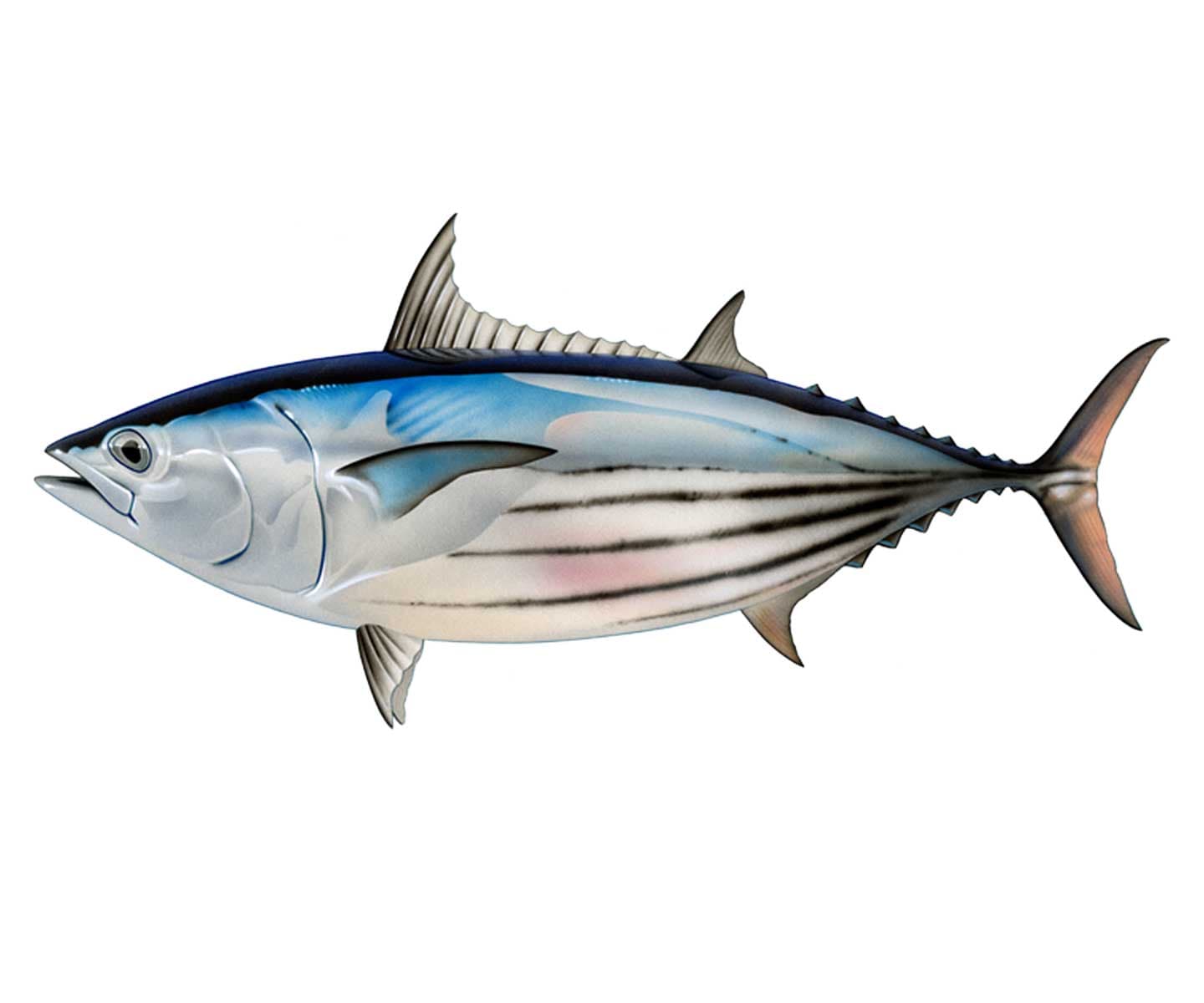
- The advisory follows reports of parasites found in skipjack tuna from a study conducted on fish in the Atlantic Ocean near Brazil.
Scientific Approach:
- ICAR-CMFRI conducts regular checks on fish biology, including skipjack tuna, for any abnormalities or parasite presence.
- Changes in parasite presence are used globally as indicators to differentiate fish stocks or populations.
Safety Recommendations:
- Proper handling and immediate removal of internal organs (like intestines) during fish preparation are crucial for food safety.
- Cooking fish thoroughly kills parasites, significantly reducing health risks.
- In some cultures, raw or lightly cooked seafood is consumed, which may carry higher risks, particularly in areas with high parasite prevalence and inadequate testing.
Cultural Context:
- In India, seafood is generally cooked at high temperatures, enhancing food safety.
Conclusion:
Consumers should not avoid tuna or other market fish solely due to reports from specific areas. Instead, they should follow safe handling, cleaning, and cooking practices to enjoy the nutritional benefits of fish while minimizing potential risks.
Key Terms & Concepts
| ICAR-CMFRI | Conducts fish health research |
| Skipjack Tuna | Subject of parasite study |
| Atlantic Ocean | Location of parasite findings |
| Parasites | Health risk for fish |
| Food Safety | Consumer health concern |
| Fishing Practices | Method of ensuring safety |
| Cooking Temperature | Reduces food safety risks |