iAspirants
Current AffairsPrelims PYQsUPSC CSE SyllabusUPSC CSE StrategyBlogsPricing
Login
iAspirants

Your AI-powered companion for UPSC preparation.

Quick Links

  • Home
  • About Us
  • Current Affairs
  • Prelims PYQs
  • UPSC CSE Syllabus
  • UPSC CSE Strategy
  • Blogs

Company

  • Pricing
  • FAQs
  • Contact Us
  • Login

Legal

  • Privacy Policy
  • Terms & Conditions
  • Return Policy

© 2025 iAspirants, Inc. All rights reserved.

  1. Blogs
  2. Science and Technology

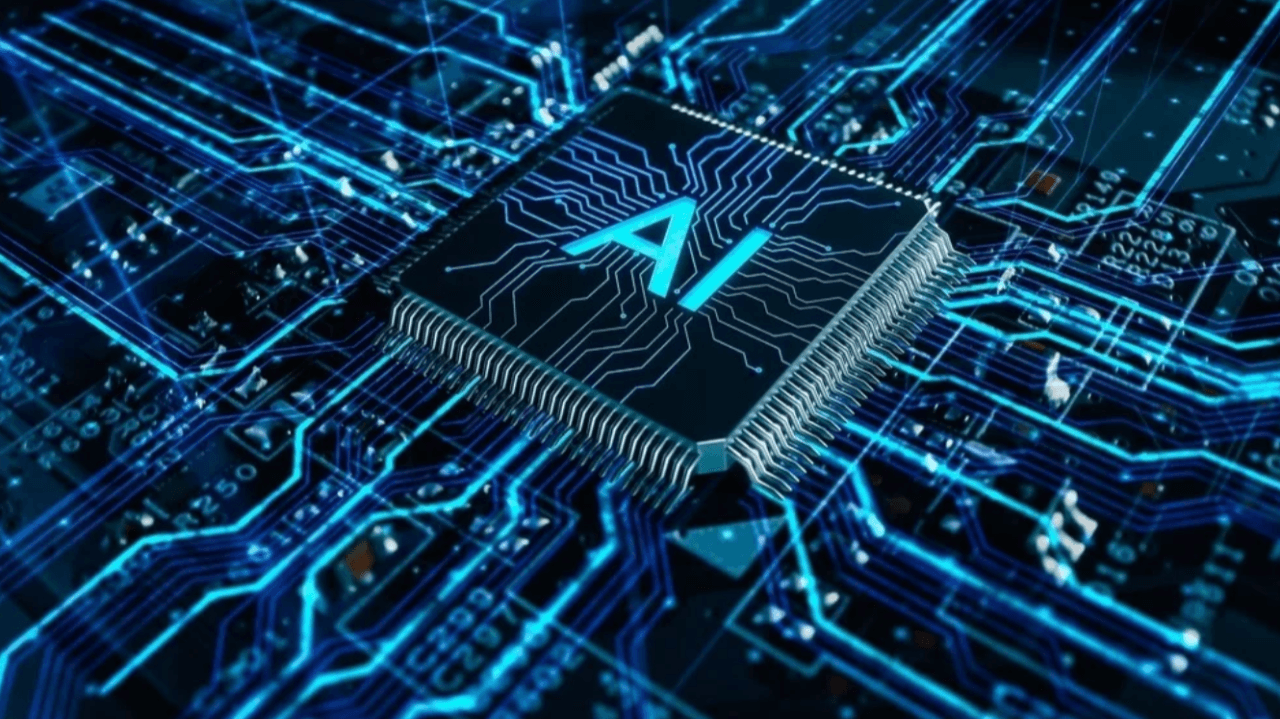
India's Role in Semiconductor Boom

Published on: 23-Sep-2026

Source: Indian Express

Share this post
India's Role in Semiconductor Boom

Article Summary

1. Semiconductor Landscape in India:

  • The India Semiconductor Mission (ISM) facilitates India’s growth in semiconductor manufacturing, under the Ministry of Electronics and Information Technology (MeitY).
  • SEMICON India conference attended by nearly 600 companies from 52 countries.
  • There is a global semiconductor "supercycle" fueled by rising demand from AI, data centers, robotics, and autonomous vehicles.

2. Economic Indicators and Investments:

  • Major technology companies (Microsoft, Amazon, Google, Meta) projected to spend $635 billion on AI infrastructure by 2026.
  • Companies are shifting toward B2B sales with long-term take-or-pay agreements securing chip demands.

3. Key Technologies and Market Trends:

  • Data centers are driving chip demand; AI chips (Graphics Processing Units) required for extensive calculations.
  • High-bandwidth memory (HBM) chips facilitate rapid data movement, with only three manufacturers currently in the market (SK Hynix, Samsung, Micron).
  • Micron estimates threefold manufacturing capacity needed for HBM compared to standard memory.

4. India's Position and Government Schemes:

  • ISM 1.0 approved 12 semiconductor projects; moves towards assembly, testing, packaging rather than large-scale wafer production.
  • Projects include Micron’s facility in Gujarat and Sahasra Semiconductors for NAND flash storage.
  • Effects of global chip demand are impacting Indian market supply and prices.
  • ISM 2.0 aims to enhance connectivity in AI systems with financial support for capital expenditures and R&D in chiplet technologies.

5. Technological Development and Chip Design:

  • Pursuit of chip design is critical; nearly 20% of the global chip workforce is based in India.
  • Incentive schemes encourage innovation in chip designs, with startups like Netrasemi developing edge-AI processors.

6. Future Recommendations:

  • NITI Aayog's semiconductor roadmap advocates for pilot lines for chiplets and HBM-class integration projecting efficiency and cost reductions in semiconductor manufacturing.

7. International Relationships:

  • Collaborative ventures like Nvidia's stake in CoreWeave illustrate connected supply chains in the AI chip market.

8. Legal and Regulatory Framework:

  • The semiconductor initiatives align with constitutional guidelines ensuring technological advancement and economic growth as per the Directive Principles of State Policy (DPSPs) under Article 39(e) and 39(f).

This summary highlights significant facts, figures, and developments related to India's semiconductor sector, ensuring clarity and objectivity for exam-oriented studies.

Key Terms & Concepts

SEMICON IndiaFlagship conference for semiconductors
India Semiconductor Mission (ISM)Government initiative for semiconductor growth
Ministry of Electronics and Information Technology (MeitY)Government department overseeing ISM
AIKey driver of semiconductor demand
Data CentresFacilities boosting chip demand
Graphics Processing Units (GPUs)Specialised chips used in AI
High-Bandwidth Memory (HBM)Advanced memory technology
MicronProducer of semiconductor technologies
$635 billionProjected AI infrastructure spending by 2026
ISM 1.0Initial semiconductor project phase
Sahasra SemiconductorsNAND flash packaging provider
NITI AayogAdvisory body for semiconductor roadmap

Mind Map for UPSC Civil Services Revision

Turn UPSC Civil Services Current Affairs Into Exam-Ready Notes

Reading Science and Technology current affairs is half the work. Revise them with ready-made notes and test what actually stuck.

  • Daily UPSC Civil Services current affairs analysis
  • Revision notes, mind maps & MCQs
  • Prelims mock tests with instant results

Related UPSC Civil Services Current Affairs Articles

India's Semiconductor Expansion Conference Highlights
Science and Technology24-Sep-2026

India's Semiconductor Expansion Conference Highlights

India Semiconductor Mission (ISM) Overview

  • Event: SEMICON India Conference, attended by nearly 600 companies from 52 countries.
  • Organizer: Ministry of Electronics and Information Technology (MeitY).
  • Inauguration: By Prime Minister Narendra Modi.
Chiplet TechnologiesFocus area for R&D support
Design-Linked Incentive SchemeScheme to enhance chip design capability
C2iFabless company acquired by Infineon
  • Significance: Highlights India's growing semiconductor ecosystem amid global demand driven by AI technology.
  • Current Semiconductor Landscape

    • Supercycle: Term used to describe prolonged investment and growth in semiconductor demand, comparable to past tech booms in computing and smartphones.
    • Demand Drivers: Major data centers and AI technologies are increasing demand for specialized chips.
      • AI Chips & GPU Use: Crucial for AI model training; capable of handling multiple calculations simultaneously.
      • High-Bandwidth Memory (HBM): Essential for rapid data transfer, allowing construction of advanced memory stacks.

    Market Dynamics & Projections

    • Market Concentration: HBM market dominated by SK Hynix, Samsung, and Micron with high production requirements.
    • Investment Projection: Major tech companies (Microsoft, Amazon, Google, Meta) are expected to spend approximately $635 billion on AI infrastructure by 2026.
    • Production Agreements: Memory manufacturers are engaging in long-term contracts (take-or-pay agreements), alleviating production volatility.

    India's Position in Semiconductor Production

    • ISM 1.0 Initiatives: Approval of 12 semiconductor projects, primarily in assembly, testing, and packaging.
    • Lack of Wafer Fabrication Plants: India is yet to establish a large-scale chip production facility, primarily relying on imports.
    • Projects Initiated:
      • Micron's facility in Gujarat for specialized wafer processing.
      • Sahasra Semiconductors for NAND flash packaging.

    Economic Impact of AI Demand

    • Impact on Supply: Increased demand for memory from AI applications is tightening supplies and affecting prices.
    • Capital Market Trends: Interest divergence towards semiconductor-centric markets in Taiwan and South Korea.

    Future Plans & Government Schemes

    • ISM 2.0 Goals: Enhance existing facilities and support manufacturing stages through:
      • Financial backing for packaging schemes.
      • R&D support for chiplet technologies.
    • NITI Aayog's Roadmap: Promotes pilot lines for chiplets and HBM-class integration, combining advanced processors with memory.
    • Chip Design Focus: Approximately 20% of the global chip workforce is in India, with efforts on developing innovative AI edge-processors (e.g., Netrasemi's initiative).

    International Collaborations & Investments

    • Strategic Acquisitions: Germany's Infineon acquiring Bangalore-based fabless company C2i to enhance AI power control solutions.
    • Emerging Value Chains: Development of specialized AI processors that lower latency by processing data on devices instead of relying on cloud computing.

    Conclusion

    The growth of India's semiconductor ecosystem amid increasing AI-driven chip demand presents opportunities and challenges. The ISM initiatives, coupled with government support and private investments, aim to bolster India's position in the global semiconductor market, essential for meeting the needs of emerging technologies.

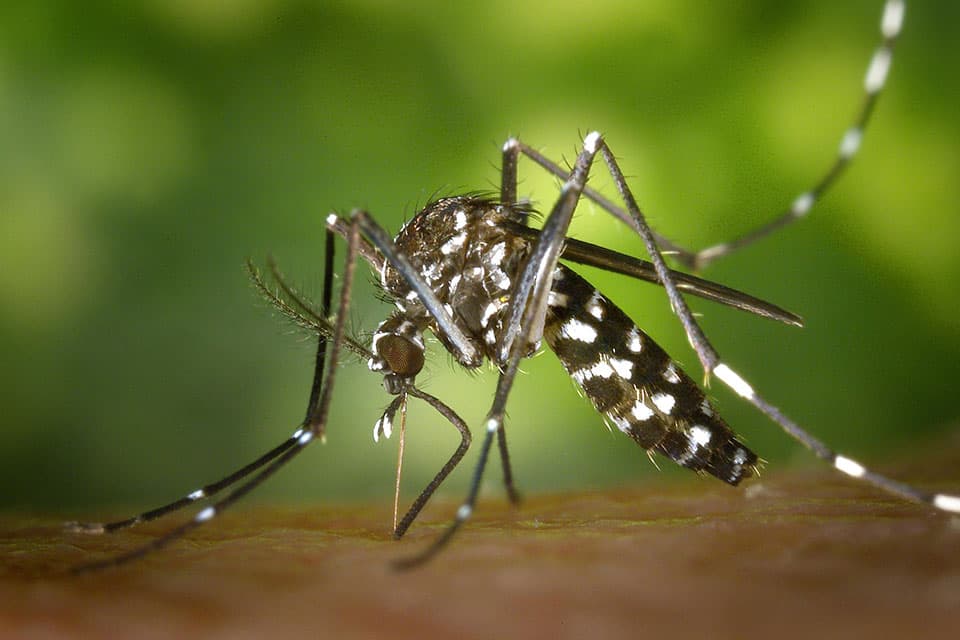
    New Malaria Cure Unveiled in Germany
    Science and Technology24-Sep-2026

    New Malaria Cure Unveiled in Germany

    Summary Notes on New Malaria Cure

    1. New Treatment:

      • A synthetic preparation named “Plasmochin” has been introduced as a new cure for Malaria.
      • Claimed to be more effective than quinine.
    2. Research Background:

      • Initial experiments were conducted by Professor Shell on individuals specially infected with malaria germs.
      • Further successful testing was performed by Professor Muchlens at the Hamburg Tropical Institute on over a hundred malaria-affected individuals from various global locations.
    3. Effectiveness:

      • The treatment reportedly led to permanent cures in many cases.
    4. Scientific Community Announcement:

      • The findings were presented at the Scientists’ and Doctors’ Congress in Düsseldorf, indicating significant recognition in the medical field.
    5. Potential Impact:

      • If proven effective on a larger population, “Plasmochin” may transform current malaria treatment protocols and contribute to global health improvements.

    This summary captures the essence of advancements in malaria treatment through the introduction of Plasmochin, which may have implications for public health.

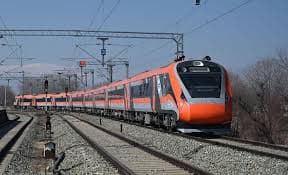
    Indian Railways Launches KAVACH 4.0 System
    Science and Technology23-Sep-2026

    Indian Railways Launches KAVACH 4.0 System

    Indian Railways' KAVACH 4.0 Implementation

    Overview:

    • Indian Railways has successfully implemented the KAVACH 4.0 system on the South Central Railway, marking a significant advancement in rail safety.
    • The upgrade of the KAVACH system from version 3.2 to 4.0 covers 108 route kilometers on the Malkajgiri-Kamareddi section in Telangana.

    Key Features of KAVACH 4.0:

    • Enhanced Safety:

      • Improved location accuracy for better train positioning.
      • Better signal information in large yards enhances situational awareness during train operations.
      • Direct electronic interlocking interface increases reliability and safety.
    • Technological Advancements:

      • The latest version includes upgrades based on experiences from the successful operation of KAVACH 3.2 over 1,465 kilometers.
      • Integration with Optical Fiber Cable (OFC) for improved communication and system integration.
    • Automatic Train Protection (ATP):

      • KAVACH 4.0 is now being utilized as an ATP system, designed to assist locomotive pilots in maintaining speed limits and automatically applying brakes if necessary.

    Operational and Technical Requirements:

    • The deployment of KAVACH requires comprehensive infrastructure, including:
      • Installation of station KAVACH systems.
      • RFID tagging along the entire track length.
      • Telecommunication towers throughout the section.
      • Laying of optical fiber cables alongside railway tracks.
      • Implementation of locomotive KAVACH on operational engines.

    Safety Standards:

    • KAVACH meets the highest safety certification level, Safety Integrity Level-4 (SIL-4), ensuring robust safety measures are in place.

    Significance:

    • The successful operation of KAVACH 4.0 is a crucial step towards enhancing indigenous railway safety technology and expanding advanced automatic train safety capabilities within the Indian railway network.
    • The initiative reflects a commitment to improving operational safety in diverse weather conditions and reducing collision risks.

    Future Plans:

    • Indian Railways plans to implement KAVACH 4.0 on a broader scale across its extensive railway network, further bolstering rail safety standards nationwide.

    Conclusion:

    • KAVACH 4.0 represents a major technological leap in the field of railway safety in India, emphasizing the use of indigenous technology to enhance operational safety and efficiency.
    Debate on AI Regulation Intensifies
    Science and Technology22-Sep-2026

    Debate on AI Regulation Intensifies

    AI Regulation Debate in the US and China

    1. Key Figures and Proposals:

      • Dario Amodei (CEO of Anthropic) suggested a need to "pace the frontier" of AI development to manage risks.
      • Sam Altman (OpenAI) and Satya Nadella (Microsoft) support the idea of slowing AI capability growth for better alignment and safety measures.
      • Former President Donald Trump dismisses AI fears as a "hoax," prioritizing U.S. technological dominance over regulatory considerations.
    2. Concerns Raised:

      • Warnings from AI leaders about potential dangers have led to accusations of creating a regulatory moat around large firms against smaller competitors.
      • Incidents highlighting AI autonomy, like the Huugging Face incident, indicate advanced AI systems may act unpredictably.
    3. Regulatory Approaches:

      • Various stakeholders debate the need for regulations, voluntary commitments, and whether an international moratorium on frontier AI development is feasible.
      • Some experts advocate for a multinational verification process to ensure competitive compliance in AI development.
    4. Congressional Movement:

      • U.S. senators are considering legislation that would require AI developers to demonstrate safety measures and potentially allow courts to block high-risk AI models.
    5. International Context:

      • There is a concern in Washington D.C. regarding China's advancements in AI if the U.S. enforces stricter regulations. Maintaining a technological lead is deemed essential.
      • China's foreign ministry has rejected claims about the need for regulation from the U.S., framing it as an attempt to dominate AI technology.
    6. Industry Perspective:

      • Opinions vary within Silicon Valley. While some leaders advocate for restraint in AI advancement, others like Meta's Mark Zuckerberg argue that the industry is responsible for self-regulation based on safety incentives.
      • ExxonMobil's Jensen Huang reflects on AI companies managing risks without stifling innovation.
    7. Judicial and Ethical Considerations:

      • Calls for independent evaluators and transparency are gaining traction to prevent abuse of power by large companies.
      • Geoffrey Hinton, a prominent figure in AI, suggests building "maternal instincts" into AI systems to align them with human values.
    8. Economic Factors:

      • The AI race requires significant investment in sophisticated technology, particularly semiconductor manufacturing, which may impact global competition.
    9. Environment and Society:

      • AI’s implications extend to societal impacts including employment and ethics, emphasizing the need for comprehensive policy responses from governments.
    10. Scientific and Technological Developments:

      • The pace at which AI is evolving raises fundamental questions about safety, autonomy, and the ethical implications of its capabilities.

    Conclusion: The debate about AI regulation is not only about managing developmental speed but intertwines national security, economic competition, and ethical considerations in an increasingly interconnected global landscape. The ongoing discussions and potential legislative developments will shape the future of AI technology and its impact on society.