iAspirants
Gandikota: Heritage and Tourism Development
Published on:
Source: The Hindu
Share this post
Article Summary
Summary of Key Points on Gandikota
Geographical and Geological Significance
- Location: Gandikota, Jammalamadugu Mandal, Kadapa District, Andhra Pradesh.
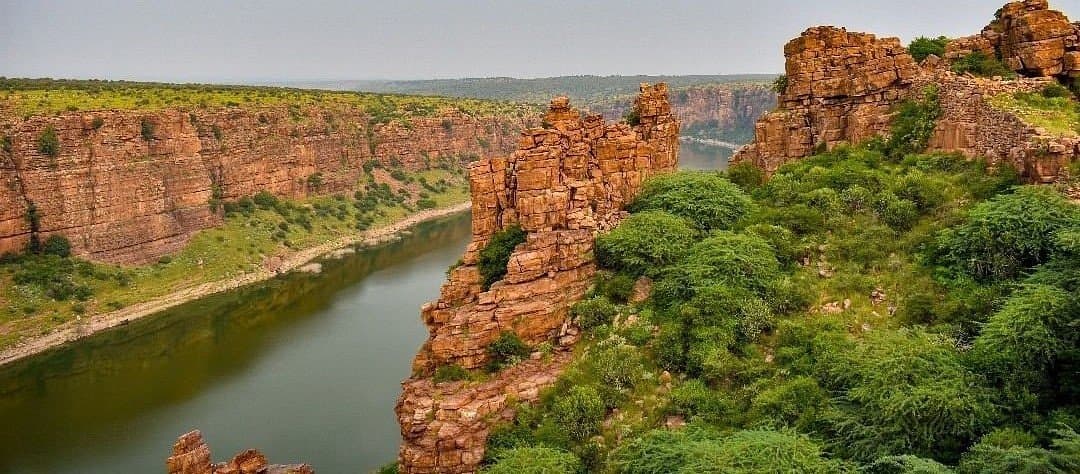
- Nickname: Known as the "Grand Canyon of India."
- Formation History: Geological processes have shaped the area over an estimated 1.2 billion years, revealing sedimentation and tectonic shifts.
- Characteristics: Features approximately 300 feet high cliffs made of red sandstone and quartzite, with the Penna River winding below.
Historical Context
- 12th-Century Fort: Linked to the Kakatiya dynasty and the Vijayanagara Empire, showcasing ancient defensive architecture and temples.
Tourism Development Initiatives
- Government Support: The Andhra Pradesh government is developing Gandikota as a tourism hub.
- Funding: ₹77.91 crore sanctioned under the Union government's tourism development scheme titled “Enriching the Fort and Gorge Experience in Gandikota.”
- Gandikota Festival: Recently organized to promote local culture and boost economic activities in the region.
Environmental and Conservation Concerns
- Potential UNESCO Recognition: There are calls to recognize Gandikota as a UNESCO World Heritage site, which would require focused efforts for geological preservation.
- Tourism Impacts: Increase in visitors has led to littering and environmental degradation due to poor waste management and construction activities near sensitive zones.
- Proposed Solutions:
- Master Planning: Need for a comprehensive plan addressing the balance between tourism and conservation.
- Sustainability Practices: Implementation of marked trails, building restrictions, controlled camping, and inclusion of trained local guides.
Recommendations by Experts
- Dr. P. Ravi Raju (Central Archaeology Department): Advocates a master plan treating the gorge and fort as a cohesive ecosystem.
- P. Venkataratnam, Real Estate Agent: Emphasizes on marked walking trails, strict zoning laws, and improved public amenities.
- Community Engagement: Involving local communities in tourism decisions to promote sustainable practices.
Conclusion
- Responsible Tourism: Gandikota has potential to become an exemplary model for sustainable tourism, encouraging responsible behavior from visitors and benefitting the local economy.
Importance of Geological and Historical Heritage
- Local conservationists argue for deeper appreciation of Gandikota beyond its scenic appeal, seeking to establish it as a valuable educational and ecological site.
Key Terms & Concepts
| Gandikota | Natural landmark and gorge |
| Penna River | River winding through Gandikota |
| Gandikota fort | Historical structure from 12th century |
| ₹77.91 crore | Funding for tourism project |
| Enriching the Fort and Gorge Experience in Gandikota | Tourism development project |
| UNESCO World Heritage | Recognition for conservation efforts |
| Gandikota festival | Celebration of local culture |
| Central Archaeology Department | Body overseeing archaeological efforts |
| geological preservation | Focus for conservation efforts |
| Rayalaseema | Region in Andhra Pradesh |