iAspirants
Current AffairsPrelims PYQsUPSC CSE SyllabusUPSC CSE StrategyBlogsPricing
Login
iAspirants
Current AffairsPrelims PYQsUPSC CSE SyllabusUPSC CSE StrategyBlogsPricingContact UsLoginSignUp
iAspirants

Your AI-powered companion for UPSC preparation.

Study Resources

  • Current Affairs
  • Prelims PYQs
  • UPSC CSE Syllabus
  • UPSC CSE Strategy
  • Blogs

Practice & Plans

  • Mains Answer Evaluation
  • Pricing
  • Sign Up
  • Login

Company

  • Home
  • About Us
  • Contact Us
  • FAQs

Legal

  • Privacy Policy
  • Terms & Conditions
  • Return Policy

© 2026 iAspirants, Inc. All rights reserved.

  1. Blogs
  2. National and International Importance

Discovery of Ancient Elephant Fossil

Published on: 24-Nov-2026

Source: Indian Express

Share this post

Discovery of Ancient Elephant Fossil

Article Summary

Summary of Key Facts and Findings from Fossil Discovery in Narmada Valley

Fossil Discovery

  • A fossilized jaw, likely belonging to the extinct Palaeoloxodon namadicus (a prehistoric straight-tusked elephant), was discovered along the Narmada River in Madhya Pradesh's Raisen district.
  • The fossil’s dimensions are approximately 75 cm in length and 25 cm in width, with molars featuring seven to nine parallel ridges and visible grooves.

Geological and Historical Context

  • The discovery is dated back roughly 400,000 to 500,000 years, pertained to the Pleistocene epoch, indicated by the geological layers of yellowish soil known as the Baneta formation.
  • Fossils found in this area primarily belong to Palaeoloxodon, whose existence spanned approximately 700,000 to 30,000 years ago.

Research and Examination

  • The fossil was examined by a five-member research team including Dr. Hitkishor Goswami, Dr. Ravi Upadhyay, and Dr. Kunwar Wajahat Shah.
  • The Geological Survey of India (GSI) team inspected the site to ensure preservation and will submit a final report subsequently.
  • Further investigation may reveal more bones and fossils from the area, which could include horse, rhinoceros, and hippopotamus remains, suggesting it was once a marshy landscape home to various prehistoric animals.

Importance of Systematic Research

  • Dr. Goswami emphasized the need for a systematic investigation of the Narmada Valley, indicating its potential to provide valuable insights into early human history.
  • A coordinated research program is recommended to explore the rich fossil deposits further and integrate findings from prior investigations in the vicinity.

Broader Context of Fossil Discoveries in India

  • India has been a significant area for fossil discoveries, including dinosaurs; initial findings date back to 1822.
  • It is estimated that 17 different kinds of dinosaurs existed in regions such as Rajasthan, Gujarat, and Madhya Pradesh, with notable discoveries like the Rajasaurus.

Recommendations and Future Actions

  • Researchers urge the administration to protect the Patai Ghat site and initiate a comprehensive excavation, involving coordination with the Archaeological Survey of India and GSI.
  • Plans for systematic archaeological and geological surveys are highlighted as crucial for maximizing the understanding of the fossils’ historical and scientific significance.

Conclusion

The discovery of the fossil in the Narmada Valley represents a significant opportunity for advancing knowledge of prehistoric life in the region, indicating the need for meticulous scientific examination and preservation measures. This underscores the importance of interdisciplinary collaboration in archaeology and paleontology.

Key Terms & Concepts

Palaeoloxodon namadicusExtinct elephant species identified
Narmada ValleySite of fossil discovery
Geological Survey of India (GSI)Inspecting fossil site
Pleistocene periodEra of fossil evidence
Baneta formationGeological layer associated
75 cmLength of the jaw fossil
25 cmWidth of the jaw fossil
6 to 7 molar ridgesTeeth structure analysis
November 13Date of GSI site inspection
7 to 8 lakh yearsEstimated age of the jaw
Calcium depositsIndicator of fossil remains
RajasaurusDinosaur species discovered
Archaeological Survey of India

Mind Map for UPSC Civil Services Revision

Turn UPSC Civil Services Current Affairs Into Exam-Ready Notes

Reading National and International Importance current affairs is half the work. Revise them with ready-made notes and test what actually stuck.

  • Daily UPSC Civil Services current affairs analysis
  • Revision notes, mind maps & MCQs
  • Prelims mock tests with instant results

Related UPSC Civil Services Current Affairs Articles

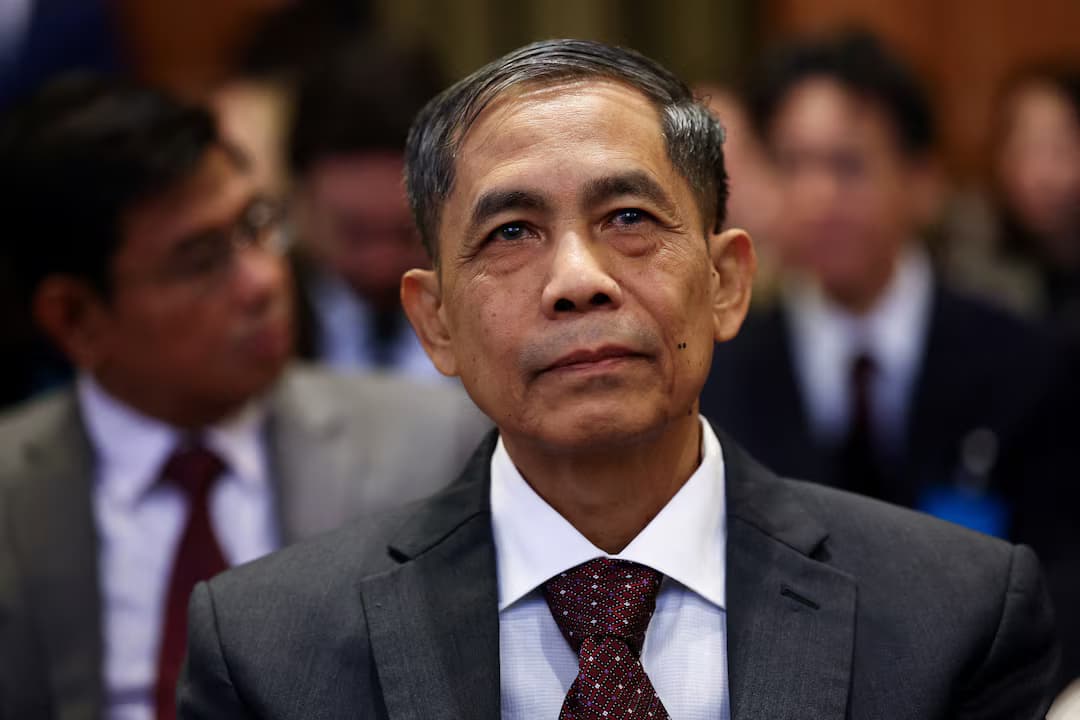
ICJ Ruling on Myanmar's Genocide
International Relations23-Nov-2026

ICJ Ruling on Myanmar's Genocide

International Court of Justice (ICJ) Ruling on Myanmar's Rohingya Crisis

Key Facts and Data:

  • Case Overview: The ICJ ruling addresses Myanmar's military campaign (2016-17) against the Rohingya minority, marking a historic finding of genocide.
  • Casualties: The 2017 military operations in Rakhine State led to over fleeing to Bangladesh.
Relevant scientific institution
Practise Mains answer writingUpload a handwritten answer and get it evaluated
700,000 Rohingya
  • Citizenship Law: The 1982 Citizenship Law in Myanmar effectively stripped the Rohingya of citizenship, rendering them stateless.
  • Judicial Findings:

    • Genocide Definition: The ICJ’s ruling is significant as it establishes Myanmar's "specific intent" to commit genocide, aligning with the 1948 Genocide Convention.
    • Historical Precedents: Previous ICJ judgments, such as in 2007 against Serbia, acknowledged failure to prevent genocide without direct involvement. The Rohingya case represents a stricter interpretation.

    International Implications:

    • Next Steps for International Law: The ruling could affect ongoing legal proceedings, such as South Africa's case against Israel for its actions in Gaza.
    • Enforcement Challenges: The ruling's effectiveness hinges on the UN Security Council's ability to enforce it, which is hindered by veto powers from Russia and China, who support Myanmar's junta and have called for reforms in international governance.

    Humanitarian Concerns:

    • Current Refugee Situation: Bangladesh hosts about 1.2 million Rohingya but has not granted formal refugee status. Living conditions in refugee camps are deteriorating, with restricted movement and employment opportunities.
    • Regional Responses: Countries neighboring Myanmar, such as Malaysia and India, have enacted policies of repatriation or expulsion for Rohingya individuals.

    Recommendations:

    • Pressure on Myanmar: There is a call for the international community to exert pressure on Myanmar to comply with the ICJ's orders regarding internal investigations and compensation for the Rohingya.

    Constitutional and Legal Framework:

    • 1948 Genocide Convention: This international treaty serves as the legal basis for the ICJ's ruling on the actions taken against the Rohingya.

    This summary captures crucial facts, international judicial rulings, and the continuing humanitarian crisis faced by the Rohingya, as well as the broader implications for global governance and justice.

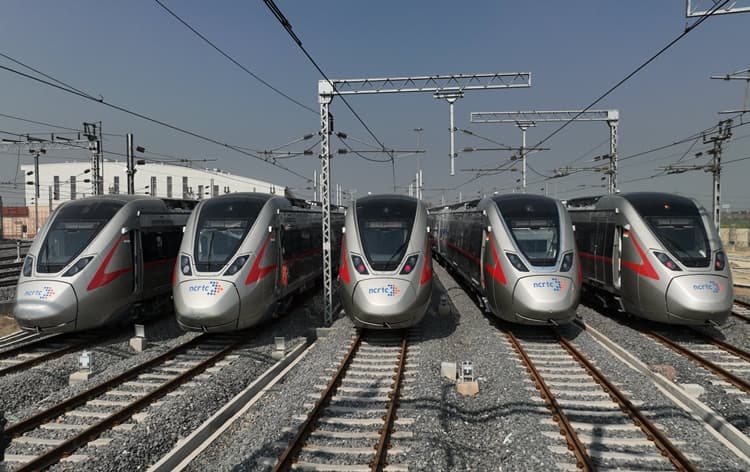
    Transforming Urban Transportation in India
    National and International Importance22-Nov-2026

    Transforming Urban Transportation in India

    Summary Notes on Urban Mobility and Innovations in India

    1. Organizational Framework:

    • World Resources Institute (WRI) India: Focused on urban transition, energy transition, and food, land & water transition. Works with governments and civil society on sustainable development.

    2. Urban Transportation Challenges:

    • Increasing traffic congestion in Indian cities due to underdeveloped public transportation and high reliance on private vehicles.
    • The liberalization of 1991 has led to increased per capita income, altering public transportation infrastructure demands.
    • Government policies predominantly incentivize private vehicle usage, necessitating a shift towards comprehensive public infrastructure.

    3. Policy Recommendations:

    • Move towards integration of transportation services, promoting public transport over private vehicle dependency.
    • Learning from global examples like Paris, cities can implement more dedicated cycling lanes and congestion management strategies.

    4. Transport Analytics Hub:

    • A digital tool aimed at enhancing understanding of city-level mobility through indicators such as:
      • Modal share of transport modes used by citizens.
      • Average trip length and road safety statistics.
      • Data on electrification rates of vehicles and accessibility to public transport.
    • Information developed is visualized and made accessible to support city planning.

    5. Global Innovations Impacting Urban Mobility:

    • Technologies like CityData.AI for mobility analytics, Optibus for bus operation optimization, and demand-responsive transport platforms (e.g., Via) are changing how cities manage transport efficiencies.
    • Adaptive traffic signal systems recommended to facilitate smoother traffic and better public transport prioritization.

    6. Legal Considerations and Infrastructure Needs:

    • Congestion pricing discussions in cities like Delhi and Mumbai emphasize the need for supportive infrastructure, highlighting the hesitance due to inadequate alternative routes.
    • Traffic management reliant on technology must be scaled up in cities, integrating various transport networks for cohesive operation.

    7. Last-Mile Mobility Solutions:

    • Station Access and Mobility Program (STAMP) aims to enhance last-mile connectivity by integrating technology and mobility services, encouraging the co-existence of various transport modes based on distance and cost.

    8. Engagement with Startups:

    • WRI collaborates with Indian startups for solutions to urban mobility challenges through a structured accelerator framework, focusing on behavioral nudges for transport usage.
    • Examples include initiatives like Tummoc, developing transport planning apps, benefiting from partnerships with corporations and public agencies.

    9. Prominent Indian Startups in Urban Mobility:

    • Nayan Tech: Analyzes traffic and driver data using AI.
    • Street Surge Technologies: Implements route optimization using data analytics.
    • Videonetics: Utilizes video surveillance and automated number plate recognition for traffic enforcement.
    • Startups enhancing public transport like Chalo and innovations in autonomous driving from Minus Zero.

    Conclusion: Increasing urbanization and vehicular reliance in India present significant challenges for transportation systems. Implementing integrated technological solutions and evolving public policy can improve mobility outcomes, foster sustainable practices, and enhance accessibility to vital urban services.