iAspirants
Supreme Court Decision on Electoral Roll
Published on:
Source: Indian Express
Share this post
Article Summary
Summary of Key Facts and Developments
Constitutional and Legal Context
- Supreme Court's Role: The Chief Justice of India (CJI) Surya Kant stated that the Supreme Court did not approve any modifications to Form 6 related to electoral rolls.
- Right to Vote: The case reflects on citizens' inalienable right to vote and participate in the electoral process, a fundamental right protected under Article 326 of the Indian Constitution.
Election Commission Insights
- Form 6 Modifications: The Election Commission of India (ECI) included an unapproved new section in Form 6 regarding the status of applicants' parents in relation to the Special Intensive Revision (SIR) of electoral rolls.
- Judgment Reference: The modifications were implicitly rejected by the Supreme Court in a judgment dated 27 May 2026, where it upheld the integrity of electoral processes.
Political Reactions
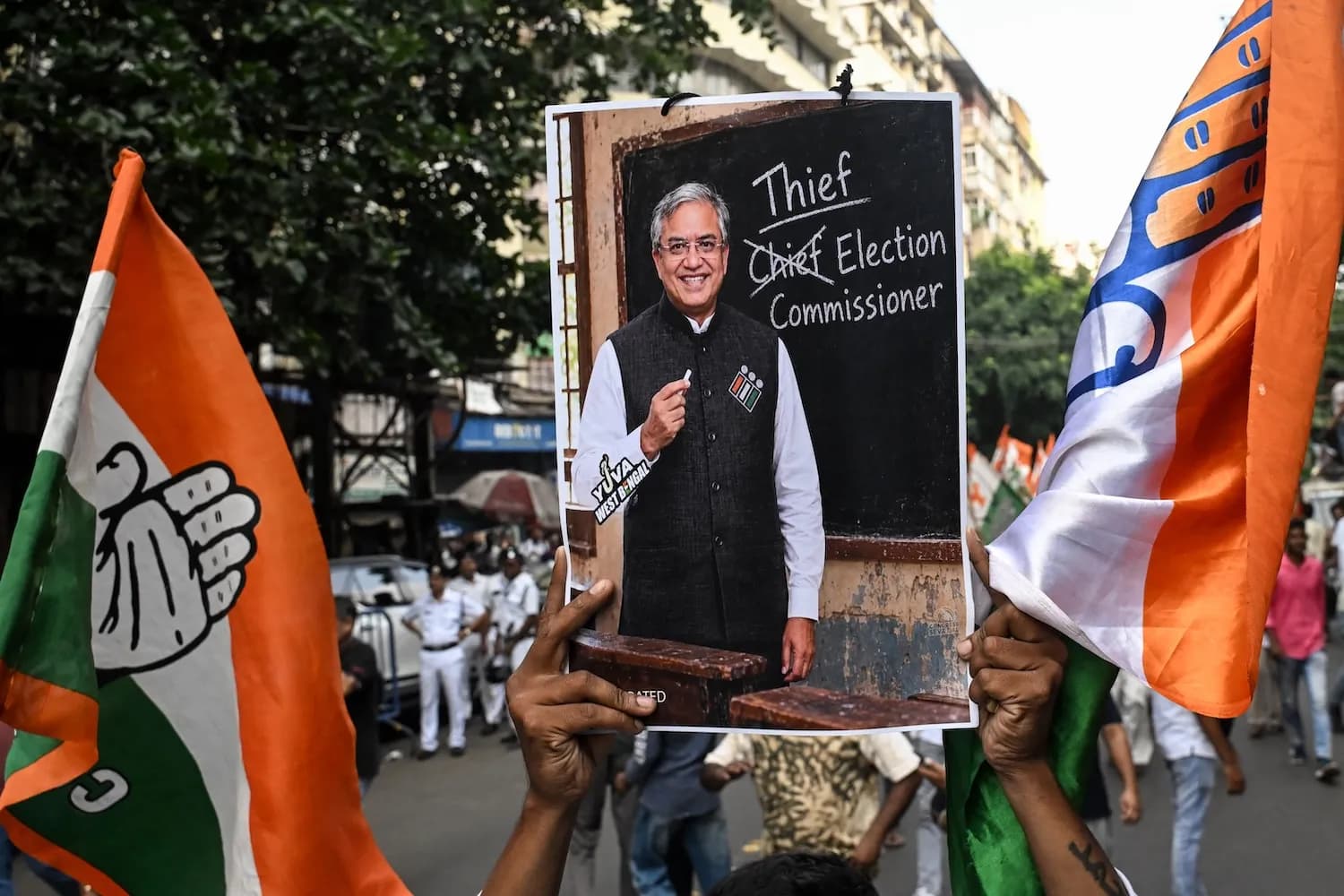
- Opposition Allegations: Rahul Gandhi and other opposition leaders claim the changes facilitated by Chief Election Commissioner Gyanesh Kumar were unlawful and aimed to favor the ruling BJP.
- Government Defense: BJP representatives condemned the opposition's remarks, asserting that the Supreme Court's involvement in the matter signifies democratic functioning and transparency.
Controversy and Accountability
- Misleading Statements: The ECI refuted accusations from opposition leaders, citing that its decisions were made with the unanimous approval of the commission. Gandhi’s statements were challenged as misleading.
- Institutional Confidence: MPs expressed concern over conflicting statements between the ECI and the Supreme Court regarding Form 6, emphasizing the importance of maintaining institutional credibility amidst allegations of electoral manipulation.
Economic and Electoral Context
- Impact on Elections: The controversies surrounding electoral rolls reflect broader concerns regarding the integrity of the electoral process in India, raising fears about potential voter disenfranchisement and "stolen elections."
- Public Sentiment: Discussions suggest growing public dissatisfaction, with calls for accountability directed toward the ECI and modifications implemented under the current regime being described as illegitimate.
Notable Comments from Leaders
- CPI and CPIM Reactions: Leaders from CPI and CPIM highlighted the need for the Supreme Court's involvement to clarify legal standings and protect electoral rights, pointing out that the reluctance of the Court had been a long source of contention for voters.
Conclusion
This situation underscores significant challenges faced in maintaining electoral integrity in India, with implications for democracy and citizens' rights. The debates over electoral forms and accountability of electoral officers highlight the need for clear legal guidelines and adherence to constitutional provisions in the election process.
Key Terms & Concepts
| Chief Justice of India (CJI) | Judicial authority in elections |
| Form 6 | Electoral roll application form |
| Election Commission of India | Regulatory body for elections |
| Special Intensive Revision (SIR) | Process for electoral rolls |
| Supreme Court judgment | Clarification on Form 6 legality |
| Press Note No. 120 | ECI’s statement on SIR |
| July 24, 2025 | Date of SIR order issuance |
| May 27, 2026 | Date of Supreme Court judgment |
| September 26, 2026 | Date of ECI press note |