iAspirants
Current AffairsPrelims PYQsUPSC CSE SyllabusUPSC CSE StrategyBlogsPricing
Login
iAspirants

Your AI-powered companion for UPSC preparation.

Quick Links

  • Home
  • About Us
  • Current Affairs
  • Prelims PYQs
  • UPSC CSE Syllabus
  • UPSC CSE Strategy
  • Blogs

Company

  • Pricing
  • FAQs
  • Contact Us
  • Login

Legal

  • Privacy Policy
  • Terms & Conditions
  • Return Policy

© 2025 iAspirants, Inc. All rights reserved.

  1. Blogs
  2. Health

Challenges in Tuberculosis Vaccine Development

Published on: 06-Jun-2026

Share this post

Challenges in Tuberculosis Vaccine Development

Article Summary

Exam-Focused Notes on Tuberculosis Vaccine Research

Disease Overview

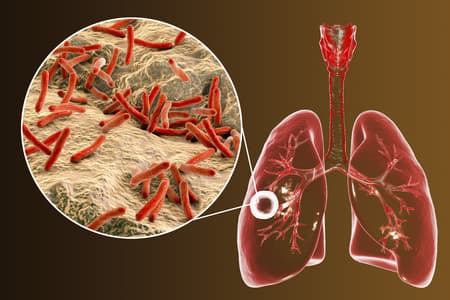
  • Tuberculosis (TB) is the deadliest infectious disease, outpacing COVID-19 at its peak.
  • TB can present as Pulmonary TB (PTB) (infectious) or Extrapulmonary TB (EPTB) (harder to diagnose, more debilitating, and sometimes fatal).
  • In low- and middle-income countries, TB incidence ranges between 200 to 300 per 100,000 population. Eliminating TB requires reducing this to 10-20 per 100,000.

India's TB Burden

  • India has one of the highest TB burdens globally.
  • Policy for TB elimination involves a holistic approach including better detection, preventive therapy, and vaccination.
  • There's currently no structured TB vaccination strategy for school-age children in India.

Recent Research Findings

  • The PreVenTB trial, conducted by the Indian Council of Medical Research (ICMR), involved over 12,700 contacts of TB patients across 18 sites in India.
  • Vaccines tested:
    • VPM1002 and Immuvac.

Efficacy Results

  • VPM1002 efficacy:

    • 50.4% against EPTB.
    • 64.6% efficacy in children aged 6-14 against all forms of TB.
    • Overall 21.4% efficacy against all TB.
  • Immuvac efficacy:

    • Over 60% efficacy against EPTB in children aged 6-10.
    • More than 60% efficacy against disease progression in latent infection cases.

Nutritional Considerations

  • Lower vaccine efficacy linked to individuals with low Body Mass Index (BMI), emphasizing the need for nutritional support in TB care.

Operational Advantages of VPM1002

  • Single-dose vaccine based on a modified BCG platform, facilitating easier logistics and scalability for mass production.

Historical Context & Policy Actions

  • Previous public health innovations, such as the TrueNat molecular test and Bharat Biotech’s Covaxin, underscore the need for a proactive approach rather than waiting for ideal solutions.
  • Historical approval of vaccines despite modest efficacy shows a willingness to act on urgent health threats.

Integration into Health Programs

  • Vaccination research needs to be integrated with:
    • Early detection strategies.
    • Preventive treatment for latent TB.
    • Nutritional support programs.

Strategic Implications

  • TB control strategies must be multifaceted, combining early detection, targeted vaccinations for PTB and EPTB, and nutritional supplementation.
  • The aim is to quickly deploy available vaccines while awaiting more advanced options.

Conclusion

  • Immediate actionable solutions, supported by robust research evidence, are essential in combating TB.
  • Waiting indefinitely for perfect vaccines could jeopardize progress, highlighting the importance of pragmatism in public health responses.

Key Terms & Concepts

Mycobacterium tuberculosisCauses tuberculosis infection
PTBInfectious form of TB
EPTBAffects organs beyond lungs
200-300 per 100,000TB incidence in low-income countries
10-20 per 100,000Threshold for TB elimination
PreVenTB trialEvaluated TB vaccines in India
ICMRConducted TB vaccine research
VPM1002Vaccine with reported efficacy
ImmuvacVaccine with reported efficacy
50.4%Efficacy of VPM1002 against EPTB
64.6%Efficacy of VPM1002 in children
60%Efficacy of Immuvac in children
Single-dose vaccine

Mind Map for UPSC Civil Services Revision

Turn UPSC Civil Services Current Affairs Into Exam-Ready Notes

Reading Health current affairs is half the work. Revise them with ready-made notes and test what actually stuck.

  • Daily UPSC Civil Services current affairs analysis
  • Revision notes, mind maps & MCQs
  • Prelims mock tests with instant results

Related UPSC Civil Services Current Affairs Articles

Climate Action and Environmental Impact
Environment and Ecology21-Sep-2026

Climate Action and Environmental Impact

Climate Action in India

  • Emission Statistics: India has lower per-capita emissions but faces challenges with rising energy demand due to urbanization and industrial growth.
  • Renewable Capacity: Significant progress has been made in renewable energy capacity.
  • : The need for a credible transition strategy that includes:
Operationally simpler option
TrueNatFirst Make in India testing
National TB Elimination ProgrammeFramework for TB control
Bharat BiotechVaccine manufacturer during COVID-19
CovaxinVaccine approved in urgency
IndiaCountry with high TB burden
Low BMIReduced vaccine efficacy factor
Transition Strategy
  • Investment in green public transport.
  • Development of energy-efficient buildings.
  • Improvement of storage technologies.
  • Promotion of decentralized renewable power.
  • International Cooperation: Developed nations need to provide predictable climate finance and access to technology.
  • Practical Approach: A combination of equity, accountability, and measurable targets is vital in addressing climate responsibility, focusing beyond just current averages.
  • Environmental Concerns

    • Idol Immersion Pollution:
      • Concern over the environmental impact of idol immersions in water bodies such as those in Bengaluru.
      • Idols made from Plaster of Paris and coated with synthetic paints are releasing heavy metals like lead and mercury, harming aquatic ecosystems and human health through bioaccumulation.
    • Local Solutions: Advocacy for the use of natural clay idols and non-toxic colors to minimize environmental damage.
    • Government Action: Call for a complete ban on chemical paints and non-biodegradable materials used in religious celebrations to protect shrinking lakes and water bodies.

    National and International Sporting Performance

    • Asian Games vs. Olympics:
      • Critical observation regarding India's 'bloated' medal tally at the Asian Games not accurately reflecting performance at the Olympic level.
      • Emphasis on the need to measure sporting success against global standards rather than regional dominance, indicating ongoing gaps in global competitiveness for Indian athletes.

    Key Takeaways

    • Environmental Policies: Recommendations for policy shifts towards sustainable practices in cultural traditions to protect the environment.
    • Sporting Framework: Need for a realistic assessment of India's sports programs to align targets with international competitiveness.
    • Investment in Climate Action: Highlight the requirement for significant investment in infrastructure and technology to address climate change effectively.

    This summary encapsulates essential data, statistics, and observations relevant to climate action, environmental issues, and sports performance in India for an academic or examination context.

    Indian International Water Week 2026
    Environment and Ecology20-Sep-2026

    Indian International Water Week 2026

    Exam-Focused Notes on the 9th Indian International Water Week (IIWW) 2026

    Event Overview:

    • Inauguration: The event will be inaugurated by Vice President C.P. Radhakrishnan on 22nd September 2026 in New Delhi.
    • Duration: The five-day event will run from 22nd to 26th September 2026.
    • Theme: Focused on "Climate-Resilient Water Management".

    Key Participants:

    • International Collaboration:
      • Partner countries: Netherlands and Germany.
      • Involvement of global water leaders, policymakers, researchers, and industry representatives.
    • National Participation:
      • 14 states and 6 central ministries will participate, enhancing center-state cooperation on climate-resilient water management.

    Objectives:

    • Provide a multi-disciplinary platform for dialogue and knowledge exchange.
    • Address emerging water challenges and promote a water-secure, climate-resilient future.

    Major Sessions and Discussions:

    • Key Platforms:
      • Ministerial plenary sessions, global water leaders' sessions, country forums, and thematic platforms.
    • Focus Areas:
      • Inclusive and equitable water rights.
      • Optimal utilization of water resources.
      • Technology and community for water security.
      • Innovative financing models for water infrastructure.
      • Sustainable water resource management.

    International Exhibition and Conference:

    • International Exhibition:
      • Scheduled from 22nd to 25th September to showcase sustainable and climate-resilient water management technologies and solutions.
    • 2nd International WASH Conference:
      • Organized by the Department of Drinking Water and Sanitation from 22nd to 24th September, focusing on access to potable water, sanitation infrastructure, and public health.

    Expected Outcomes:

    • Transform knowledge and dialogue into actionable recommendations and partnerships.
    • Emphasize policy, financing, technology, and community participation to enhance water security and climate resilience.

    Conclusion:

    • The IIWW 2026 aims to strengthen international cooperation and showcase innovations in the water sector, positioning itself as a crucial platform for addressing climate change-related water issues.

    Relevant Constitutional Articles and Policies:

    • Constitutional Reference: Article 21 (Right to Life and Personal Liberty) implies the right to access clean water.
    • Government Schemes: Initiatives related to water management and climate resilience are expected to be discussed.

    Economic Indicators:

    • This event may also influence economic strategies related to sustainable water management, affecting investments in the water sector.

    International Agreements:

    • The event will foster international cooperation, potentially leading to agreements or partnerships in water management strategies.

    Science & Technology Updates:

    • Focus on innovative technologies for sustainable water management during the exhibition and discussions.

    This structured outline provides a clear understanding of the upcoming event's significance, participants, objectives, and expected outcomes, making it suitable for exam preparation or academic reference.

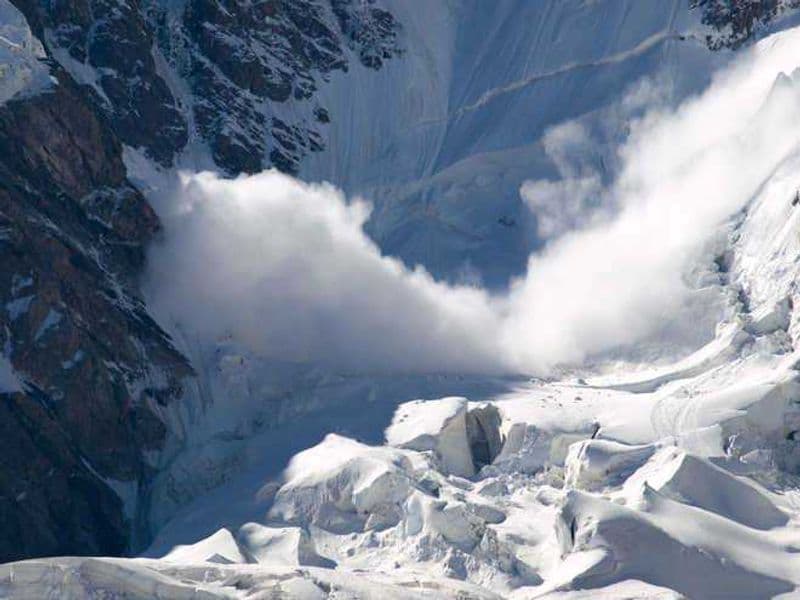
    International Conference on Climate Change
    Environment and Ecology20-Sep-2026

    International Conference on Climate Change

    Exam-Focused Notes on International Conference on "Future of Environment and Climate Change"

    Key Highlights:

    1. Event Overview:

      • Date: September 20, 2026
      • Location: New Delhi
      • Organizer: National Green Tribunal (NGT)
    2. Presidential Address:

      • President Droupadi Murmu emphasized the need for community-based and traditional knowledge-driven adaptation methods to combat climate change.
    3. Impact of Climate Change:

      • Climate change leads to significant imbalances affecting human existence.
      • Associated issues include biodiversity loss, water crises, and soil erosion.
      • Serious implications on food security, health, and livelihoods.
    4. Policy Framework:

      • A structured framework is essential for effective policy and action against climate change.
    India's Deep Ocean Exploration Challenges
    Environment and Ecology19-Sep-2026

    India's Deep Ocean Exploration Challenges

    Summary of Deep Ocean Exploration and Mining in India

    Current Status of Deep-Sea Exploration

    • International Seabed Authority (ISA) Contracts: India holds three contracts covering approximately 95,000 square kilometers in the Central Indian Ocean Basin, Central Indian Ridge, and Carlsberg Ridge.
    • Estimated Resources: Identified 366 million tonnes of polymetallic nodules containing nickel, copper, cobalt, and manganese.

    Technological Advancements

    • Deep Ocean Mission: Focused on developing technologies such as:
      • Underwater robotics.
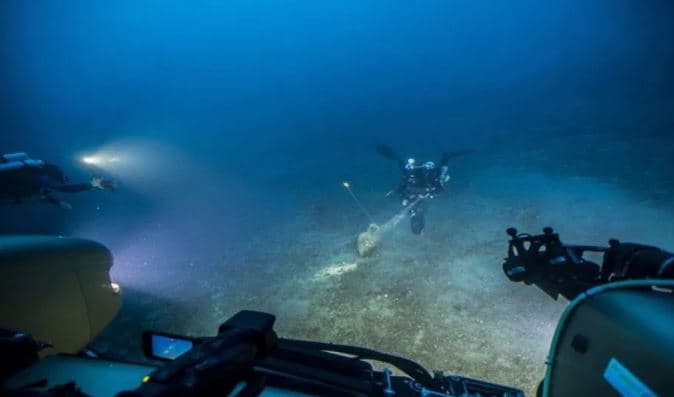
      • MATSYA-6000 human submersible.
      • Deep-sea mining machines tested at depths of 5,270 meters by the National Institute of Ocean Technology.
    • Biodiversity Surveys: Explored 19 seamounts, identifying around 1,300 deep-sea organisms, including 23 new species.

    Environmental Considerations

    • Ecological Impact: The deep ocean is a complex ecosystem that is poorly understood. Large-scale seabed disturbance may have unpredictable consequences.
    • Need for Responsible Exploration: Exploration can advance scientific knowledge without committing to commercial mining. Decisions on mining should incorporate high ecological thresholds.

    Sustainable Development Principles

    • Socio-Ecological Dilemma: Should India prioritize the extraction of deep-sea minerals for energy, electric mobility, and advanced manufacturing, or should it preserve these ecosystems?
    • Mission LiFE: Aligns with principles of reducing resource consumption, recycling, and shifting towards a circular economy.
    • Enhanced Scientific Responsibility: The principle of "Do we need to mine at all?" should govern future mining decisions instead of minimization of damage in extraction efforts.

    Global Environmental Initiatives

    • Emphasis on understanding the value of the ocean as an ecological asset beyond mineral wealth.
    • Alignment with global environmental paradigms:
      • Nature-based Solutions: Strategies that leverage natural processes.
      • Sustainable Development Goals (SDGs): Targeting holistic development while conserving ecosystems.

    Conclusion

    India has the opportunity to lead in deep-sea ecological governance by recognizing the importance of ecological preservation alongside technological advancement. Sustainable development should focus not only on resource extraction but also on the health and integrity of marine ecosystems.

    India's Growing Innovation Ecosystem
    Science and Technology19-Sep-2026

    India's Growing Innovation Ecosystem

    Exam-focused Notes on India's Emerging Innovation Economy

    1. Innovation Ecosystem Foundations:

    • India is increasingly developing technologies domestically through public research, corporate R&D, and deep-tech entrepreneurship.
    • Significant advancements noted in Gallium Nitride (GaN) semiconductor technologies, essential for advanced radar, space systems, and next-gen communications.

    2. Patent Activity:

    • Patent filings surged from over 110,000 in 2024-25 to more than 143,000 in 2025-26, marking a 30.2% increase.
    • Domestic applicants represent nearly 70% of total filings.
    • In force patents in India stood at over 240,000 in 2025, contrasting sharply with China (5.7 million), the U.S. (3.5 million), and Japan (2.1 million).

    3. R&D Investment:

    • India's R&D expenditure is below 1% of GDP, compared to 2.4% in China and 3.5% in the U.S.
    • Private sector R&D spending exceeded government funding for the first time in 2024 and is projected to account for 55% by 2025-26.

    4. Defense and Technology Development:

    Punjab's Struggle Against Drug Addiction
    Economic and Social Development19-Sep-2026

    Punjab's Struggle Against Drug Addiction

    Summary of Key Points Related to Addiction and Governance in Punjab

    Addiction Context in Punjab

    • Over 1 million individuals registered at government de-addiction clinics in Punjab.
    • Historical context: Afeem (opium) and its cultural use have been prevalent for over 200 years; substance use has deep roots in community traditions.

    Nature of Addiction

    • Opioids (e.g., opium, heroin) affect brain receptors; heroin leads to quicker addiction compared to opium due to its rapid impact on the body.
    • Addiction is often misunderstood; treatment requires more than willpower—it's a complex biological condition influenced by substance chemistry.

    Urgency and Governance in Addressing Addiction

    • Governance failure: Current measures have not broken existing drug supply networks.
    • Technological measures: Recommendations for border control include:
      • Detection grids
      • Counter-drone systems
    Supreme Court Observes on IDP Conditions
    Polity and Governance19-Sep-2026

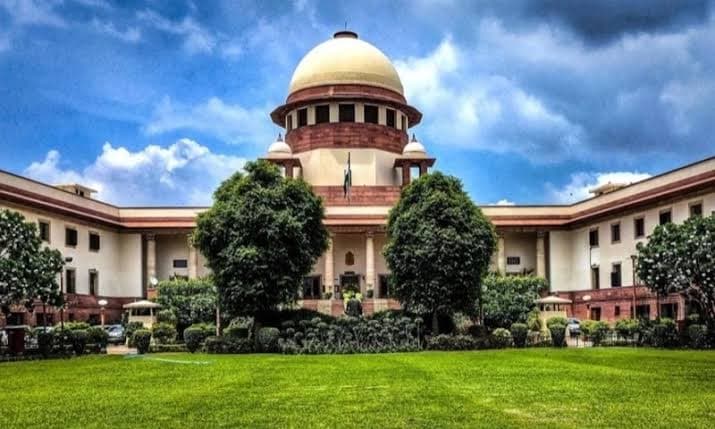
    Supreme Court Observes on IDP Conditions

    Supreme Court Concerns: Relief Camps for IDPs in Manipur

    1. Judicial Concern:

      • The Supreme Court expressed shock over reports of deaths, including unnatural ones, in relief camps for internally displaced persons (IDPs) in Manipur.
    2. Current Situation of IDPs:

      • IDPs have faced prolonged displacement for over three years, deepening vulnerabilities including loss of access to healthcare.
      • As of the latest report, the number of IDPs in relief camps reduced to 28,899 from nearly 60,000 at the peak of violence.
    3. Healthcare Access Issues:

      • Manipur's healthcare facilities are largely centralized in Imphal, with two principal tertiary hospitals:
        • Jawaharlal Nehru Institute of Medical Sciences
        • Regional Institute of Medical Sciences
      • Access to healthcare for Kuki-Zo people from the hills is restricted due to violence and ethnic segregation, lacking specialists and essential medical equipment.
  • Involvement of not just governments and legal experts but also communities affected by climate change is crucial.
  • Special sensitivity towards the needs of vulnerable groups, including rural and tribal societies, small farmers, and women.
  • Role of Traditional Knowledge:

    • Traditional knowledge systems and local practices are critical for enhancing climate resilience.
    • Emphasis on community-based adaptation strategies.
  • Sustainable Forestry:

    • Sustainable afforestation plays a vital role in addressing climate challenges.
    • The goal of sustainable forestry is not just tree planting but also restoring healthy, self-sustaining ecosystems.
  • Climate Action Commitment:

    • Developing countries should chart a path that accommodates development while enhancing resilience to climate change.
    • Climate action commitments must align with national development needs and economic aspirations, ensuring technical feasibility.
  • Youth and Public Engagement:

    • India has made commendable efforts in raising environmental awareness through initiatives like Mission LiFE.
    • Emphasis on community participation to improve ecosystems.
  • Collaboration and Networking:

    • The conference brought together experts, judges, lawyers, and key stakeholders to discuss environmental issues.
    • Aimed at fostering inclusive policies and effective actions against climate change.
  • Future Directions:

    • Discussions and action plans from the conference are expected to pave the way for building a society capable of effectively addressing climate change.
  • Relevant Constitutional and Policy References:

    • Constitutional Provisions:
      • Article 48A: Protection and improvement of environment and safeguarding of forests and wildlife.
      • Article 51A(g): Fundamental duty to protect and improve the natural environment.

    Government Schemes and Initiatives:

    • Mission LiFE: Focuses on public engagement and awareness regarding environmental sustainability.

    Conclusion:

    The conference highlighted the critical need for integrated approaches involving traditional knowledge, community participation, and sustainable practices to combat climate change effectively. It underscored the importance of policies that resonate with the realities of vulnerable populations and promote a collaborative effort towards environmental resilience.

    • DRDO (Defence Research and Development Organization) achieved breakthroughs in GaN MMICs, critical for military applications, after earlier restrictions under the Rafale jet deal.
    • India has become one of seven nations mastering GaN technologies, alongside nations like the U.S., China, and Germany.

    5. 5G and Future Communication Technologies:

    • Bharat 6G Alliance (B6GA) aims to contribute 10% of global 6G patents by 2030, with over 7,700 patent filings reported.
    • Technical contributions to the 3GPP standards body have increased 15-fold since 2020.

    6. Notable Companies and Innovations:

    • Jio Platforms reached the top 20 patent filers worldwide in 2025.
    • Startups such as Pixxel Space (hyperspectral imaging) and Skyroot Aerospace (reusable launch vehicles) illustrate the growth of India's deep-tech sector.

    7. Healthcare Innovations:

    • ImmunoACT is advancing affordable cancer therapies, demonstrating a commitment to innovative healthcare solutions.
    • Initiatives like BIRAC support lead to innovations like smartphone-enabled retinal imaging to combat preventable blindness.

    8. Challenges Ahead:

    • Despite progress, issues persist such as low commercialization rates, inadequate R&D funding, and challenges in patent processing and technology transfer.
    • Enhancements needed in IP regulations and scaling the innovation pipeline from research to market.

    9. Government Support and Policies:

    • Heightened commitment towards Research, Development, and Innovation (RDI) aims to bolster technological autonomy and innovation capacities.
    • Initiatives like the India Deep Tech Alliance (IDTA) underpin investment strategies totaling over $2.5 billion.

    10. Future Directions:

    • The blending of public institutions, private sector R&D, and startup innovation models is key to building a robust innovation economy.
    • India's transition from a service-oriented economy to a technology innovator is underway, indicating a burgeoning capability in generating indigenous technology and industrial frameworks.

    These highlights reflect key trends, statistics, and developmental strategies shaping India's journey toward an innovation-led economy.

  • Improved forensic capabilities to trace drug origins
  • Budget and Resource Allocation

    • The funding directed towards de-addiction programs in Punjab is inadequate:
      • The entire budget for de-addiction is described as a "rounding error" relative to other priority areas (e.g., power subsidy).
      • There is a lack of specialists: Punjab has a deficit of psychiatrists and counselors.

    Economic and Employment Factors

    • An emphasis on providing jobs for recovering addicts to prevent relapse.
    • Cost of medication (30 Rupees health clinic vs. 300 Rupees on the black market) demonstrates a disparity that indicates a lack of regulation and support.

    Recovery Potential

    • Addiction recovery is possible; the brain can heal, albeit slowly.
    • Continuous support and medical assistance post-recovery are critical, with noted high relapse rates occurring 18 months after treatment.

    Conclusions and Recommendations

    • The issue of addiction is framed as a medical condition compounded by a criminal supply chain and requires focused governance.
    • Importance of prioritizing investments in mental health treatment and de-addiction services in Punjab to curb the crisis.

    This summary provides an analytical view of the addiction situation in Punjab, highlighting the need for substantial reforms, resource allocation, and a shift in societal understanding of addiction as a medical rather than purely moral crisis.

  • Many patients have to seek treatment outside Manipur, with the nearest healthcare facility located in Aizawl, a 12-hour journey by road.
  • Persistent blockades affect patient transit to hospitals, as well as the movement of medicines and medical personnel.
  • Food and Nutrition Crisis:

    • Reports indicate that food provided in many relief camps is nutritionally deficient, undermining health and recovery of the IDPs.
  • Need for Government Action:

    • There is a pressing need for the Manipur state government to enhance healthcare provisions for those still in camps, including ensuring adequately staffed medical facilities and a stable supply of medicines.
    • Dialogue and confidence-building measures are essential for a political settlement to the ongoing Meitei-Kuki conflict that impacts the prospects of rehabilitation and security for the displaced population.
  • Constitutional and Policy Framework:

    • Addressing the IDP crisis aligns with the fundamental rights enshrined in the Constitution, especially the right to health (Article 21) and right to life with dignity.
    • The situation emphasizes the need for the state to fulfill its obligations under the Directive Principles of State Policy (DPSP) to provide adequate healthcare (Article 39(e) and (f)).
  • Long-term Solutions Required:

    • A durable political solution is necessary to mitigate conflict, ensure a safe environment for rehabilitation, and empower IDPs to rebuild their lives with dignity and security.